Hempcrete Walls Lock Carbon While Fireproofing Your Home
Hempcrete walls represent a breakthrough in sustainable construction. This material combines the strength of lime with the versatility of hemp to create structures that sequester carbon, resist fire, and enhance energy efficiency. Homeowners seeking resilient, eco-friendly options find hempcrete particularly appealing for its natural properties and long-term value.
Understanding Hempcrete Composition
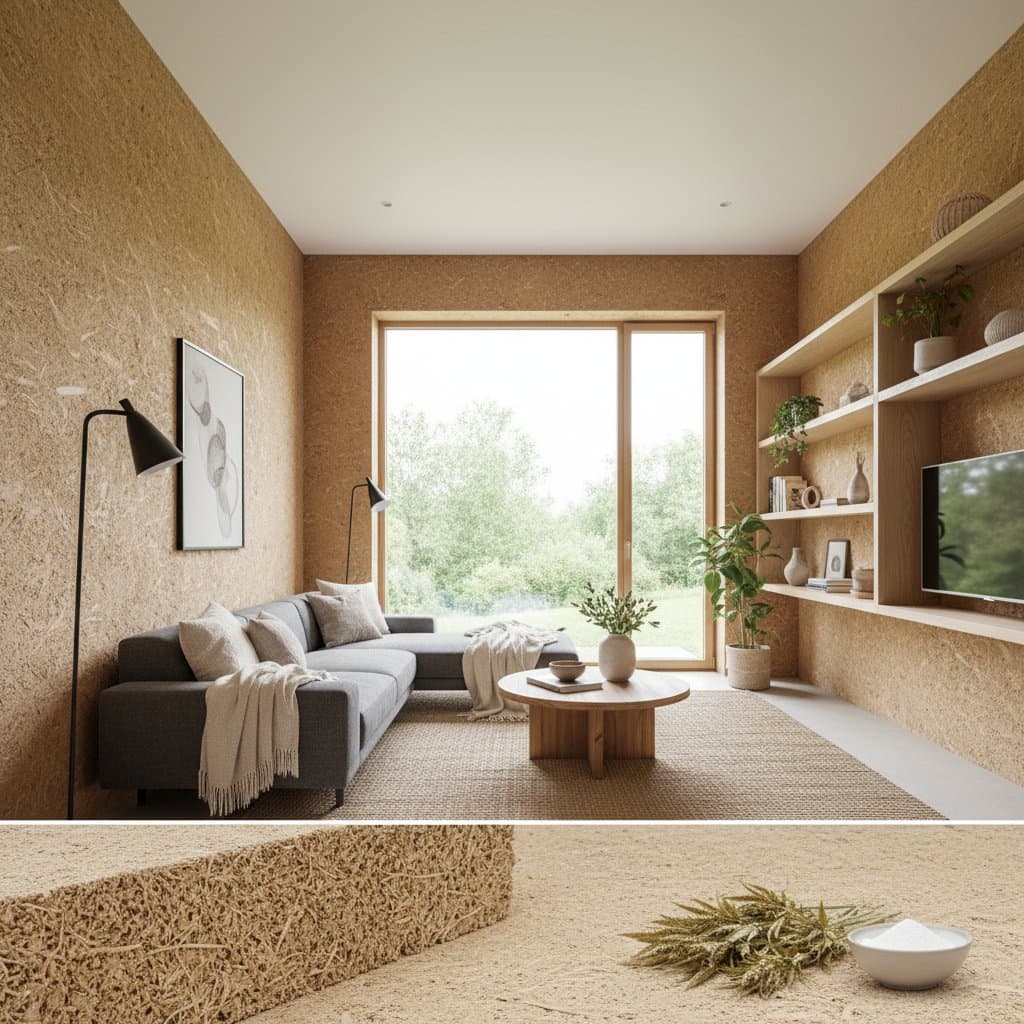
Hempcrete consists of three primary ingredients: hemp hurds, lime binder, and water. Hemp hurds serve as the aggregate, providing a lightweight, fibrous base that contributes to the material's insulating qualities. The lime binder, often hydraulic lime, reacts with water to form a durable matrix that hardens over time, ensuring structural integrity without relying on cement.
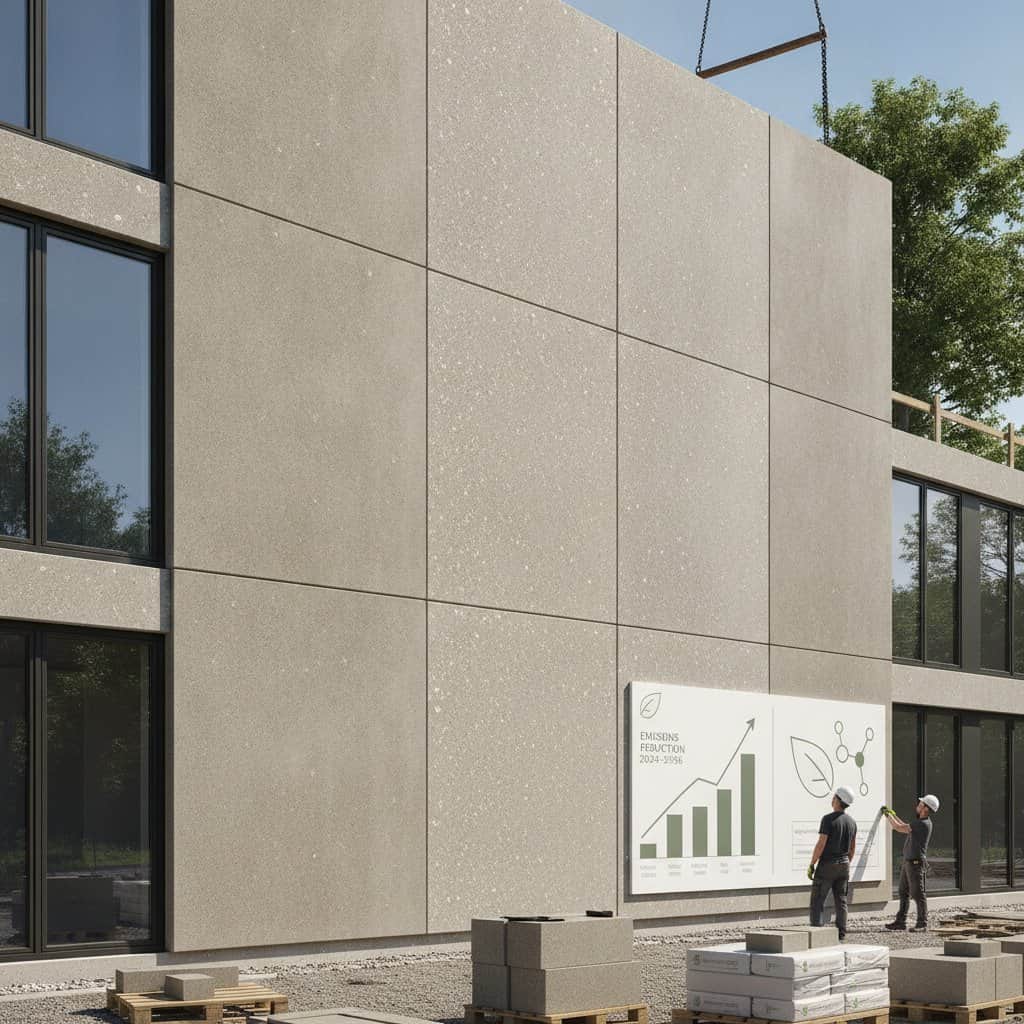
This combination results in a bio-based composite that differs from traditional concrete. Unlike Portland cement products, hempcrete requires no high-heat manufacturing process, which reduces its environmental footprint from the outset. Builders mix these components on-site or pre-cast blocks for efficiency.
Carbon-Sequestering Properties
One of the standout features of hempcrete involves its ability to lock away carbon dioxide. Hemp plants absorb CO2 during growth, and when incorporated into hempcrete, this carbon remains trapped within the material for the building's lifespan, often exceeding 100 years. This process makes hempcrete a carbon-negative building material, meaning it removes more carbon from the atmosphere than it emits during production.
Studies indicate that a single cubic meter of hempcrete can sequester up to 100 kilograms of CO2. For a typical home, this translates to hundreds of kilograms of carbon locked away, contributing directly to climate mitigation efforts. Homeowners benefit from a structure that actively supports environmental goals while meeting modern building codes.
Fire Resistance and Safety Benefits
Hempcrete demonstrates exceptional fireproof characteristics, earning a Class 0 fire rating in many tests. The lime component chars rather than burns, forming a protective barrier that prevents flame spread. This property proves invaluable in wildfire-prone areas or for enhancing overall home safety.
In addition to fire resistance, hempcrete offers superior thermal mass. Walls made from this material absorb heat during the day and release it slowly at night, stabilizing indoor temperatures. This natural regulation reduces reliance on heating and cooling systems, lowering energy consumption by up to 30 percent in some climates.
Insulation and Indoor Air Quality
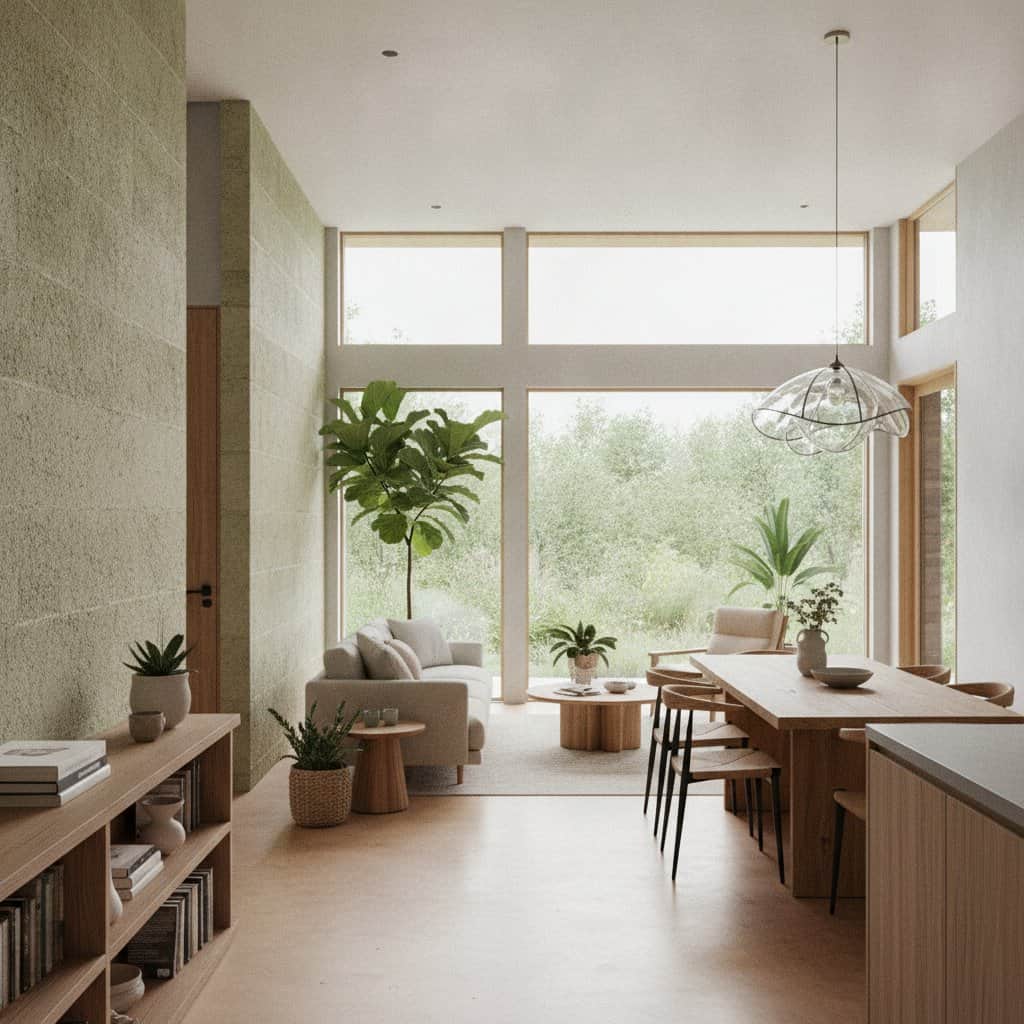
The fibrous nature of hemp provides inherent insulation, with R-values comparable to fiberglass but without synthetic chemicals. Hempcrete walls resist moisture buildup, preventing mold growth that plagues conventional materials in humid environments. Furthermore, the lime binder naturally regulates humidity levels, maintaining comfortable indoor conditions year-round.
Hempcrete also contributes to air purification. Its alkaline properties neutralize airborne pollutants, and the plant-based fibers filter particulates effectively. Residents enjoy healthier living spaces, particularly beneficial for those with allergies or respiratory concerns.
Practical Steps for Incorporating Hempcrete
To integrate hempcrete into a home project, start by consulting local architects familiar with bio-based materials. Assess your site's climate and structural needs to determine if load-bearing or non-load-bearing walls suit your design. Source certified hemp from sustainable farms to ensure quality and traceability.
- Prepare the mix: Combine hemp hurds with lime and water in a ratio of approximately 1:1.5:0.4 by volume, adjusting for local humidity.
- Apply in forms: Pour the wet mix into temporary molds between wooden frames, similar to infill in timber framing.
- Cure properly: Allow 4-6 weeks for drying, protecting from excessive rain to achieve optimal strength.
Professional installers recommend starting with smaller projects, such as interior partitions, to gain experience before full-wall applications.
Cost Considerations and Long-Term Savings
Initial costs for hempcrete range 10-20 percent higher than standard concrete due to material sourcing and labor. However, these expenses offset through reduced energy bills and minimal maintenance needs. Insurance premiums may decrease in fire-risk zones, adding further financial advantages.
Over a 50-year period, the return on investment becomes evident. Energy savings alone can recoup the premium within 5-10 years, depending on location. Moreover, the material's durability eliminates frequent repairs, enhancing overall property value.
Building a Resilient Future with Hempcrete
Hempcrete walls offer more than construction innovation; they embody a commitment to sustainability and safety. By choosing this material, homeowners create spaces that endure environmental challenges while promoting planetary health. As adoption grows, hempcrete paves the way for widespread use in eco-conscious architecture.