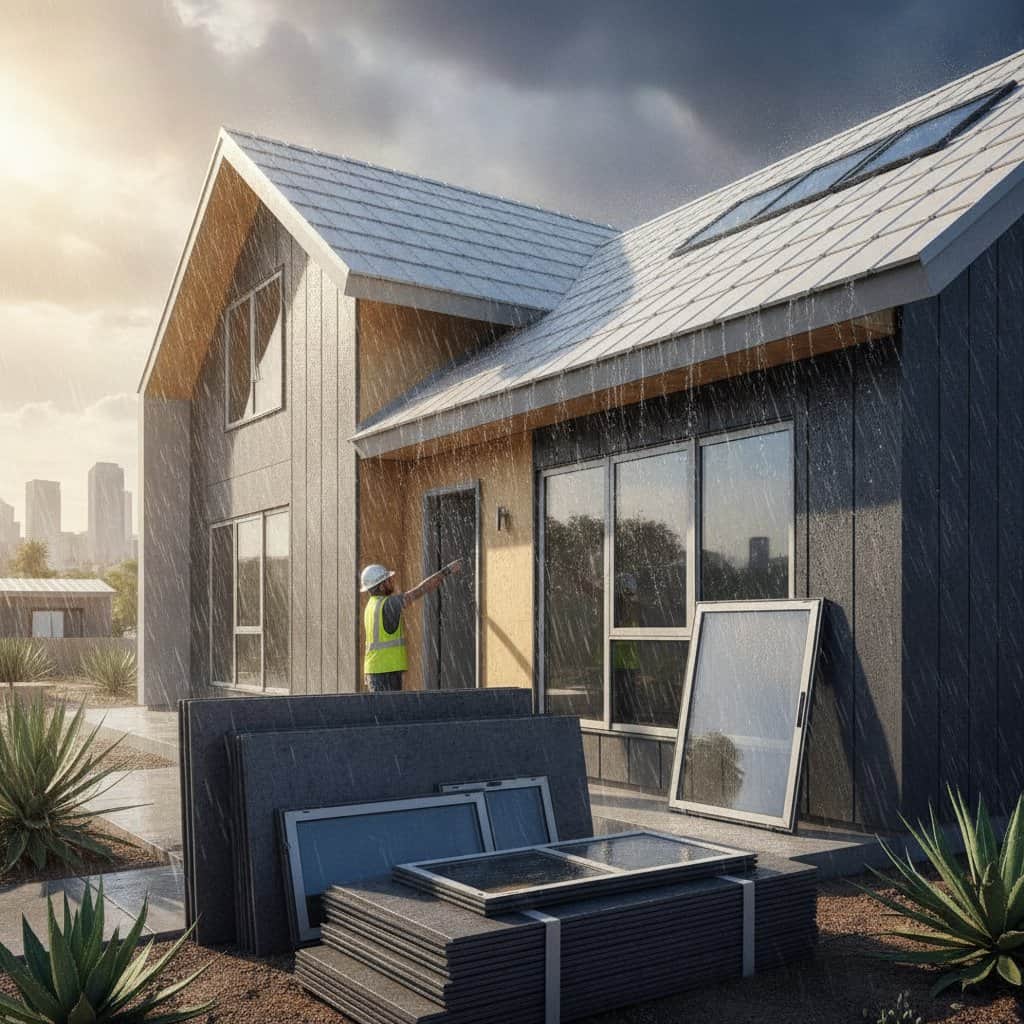
Why Climate-Resilient Materials Are Booming in 2026
Extreme weather drives adoption of climate-resilient materials that reduce maintenance, improve energy performance, and extend service life for homes.
By Becca Woods
3 min read
Loading...
Articles tagged with resilient
Extreme weather drives adoption of climate-resilient materials that reduce maintenance, improve energy performance, and extend service life for homes.
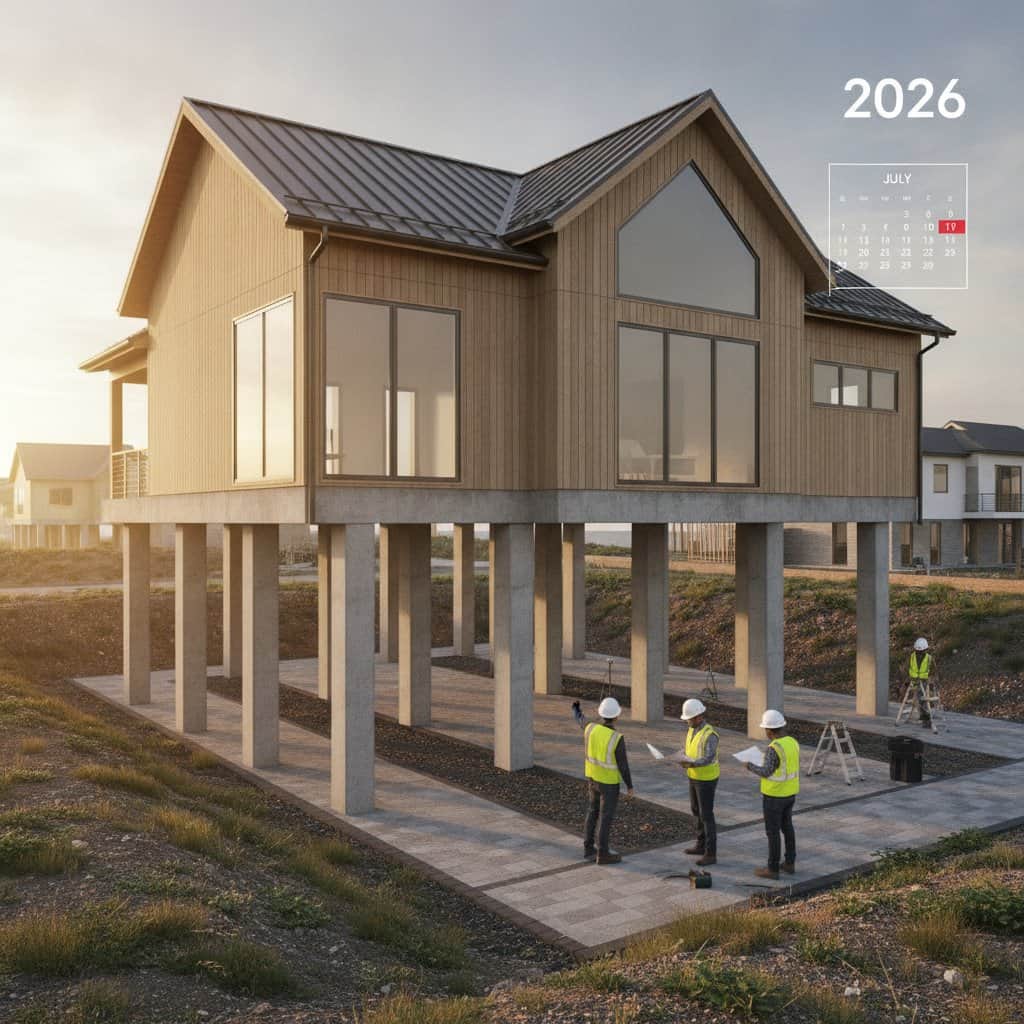
FEMA 2026 flood foundation rules raise elevation requirements and specify resistant materials in flood zones. Early compliance planning reduces retrofit costs and supports lower insurance rates.
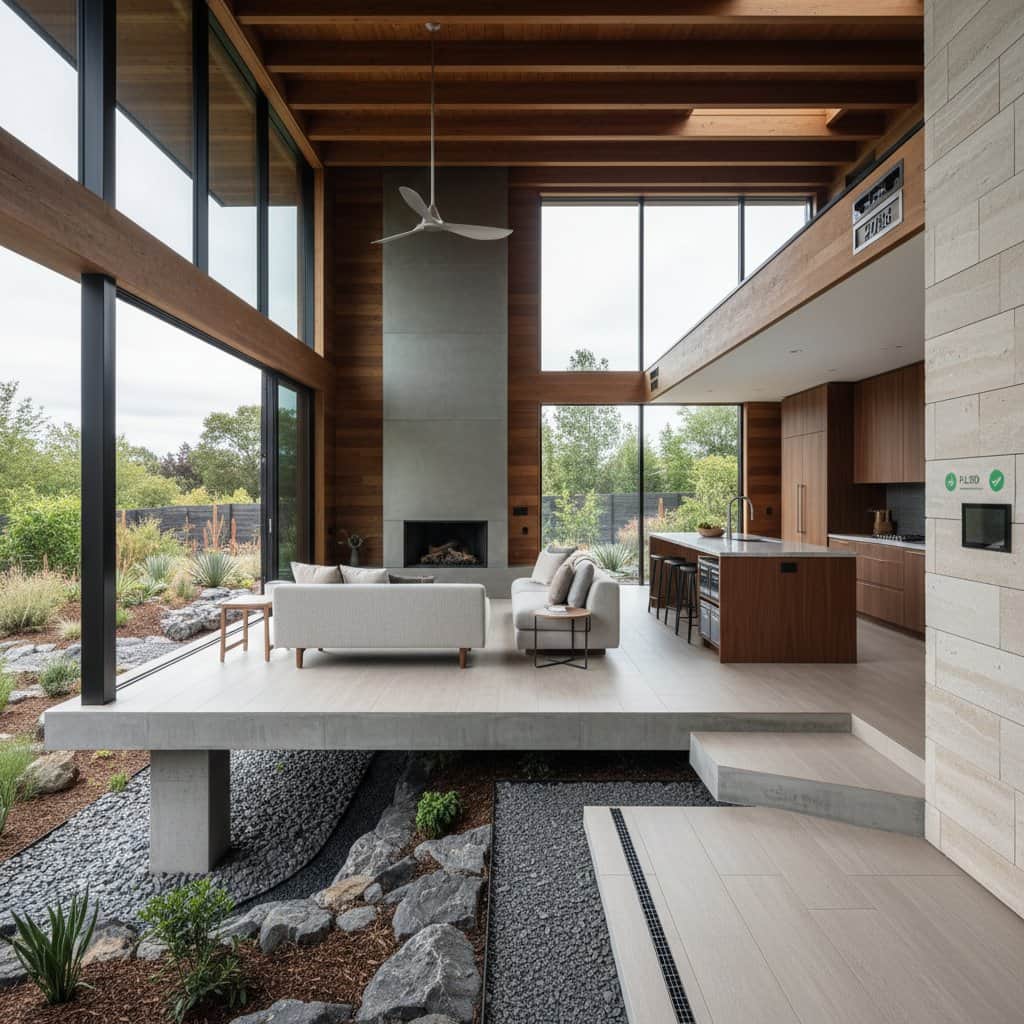
New 2026 building rules emphasize homes that withstand floods and fires through smarter design, durable materials, and climate-specific planning. From raised foundations to ember-resistant roofs, resilience now blends seamlessly with comfort and style. Thoughtful design choices protect families, reduce long-term costs, and reconnect modern living with the natural environment.
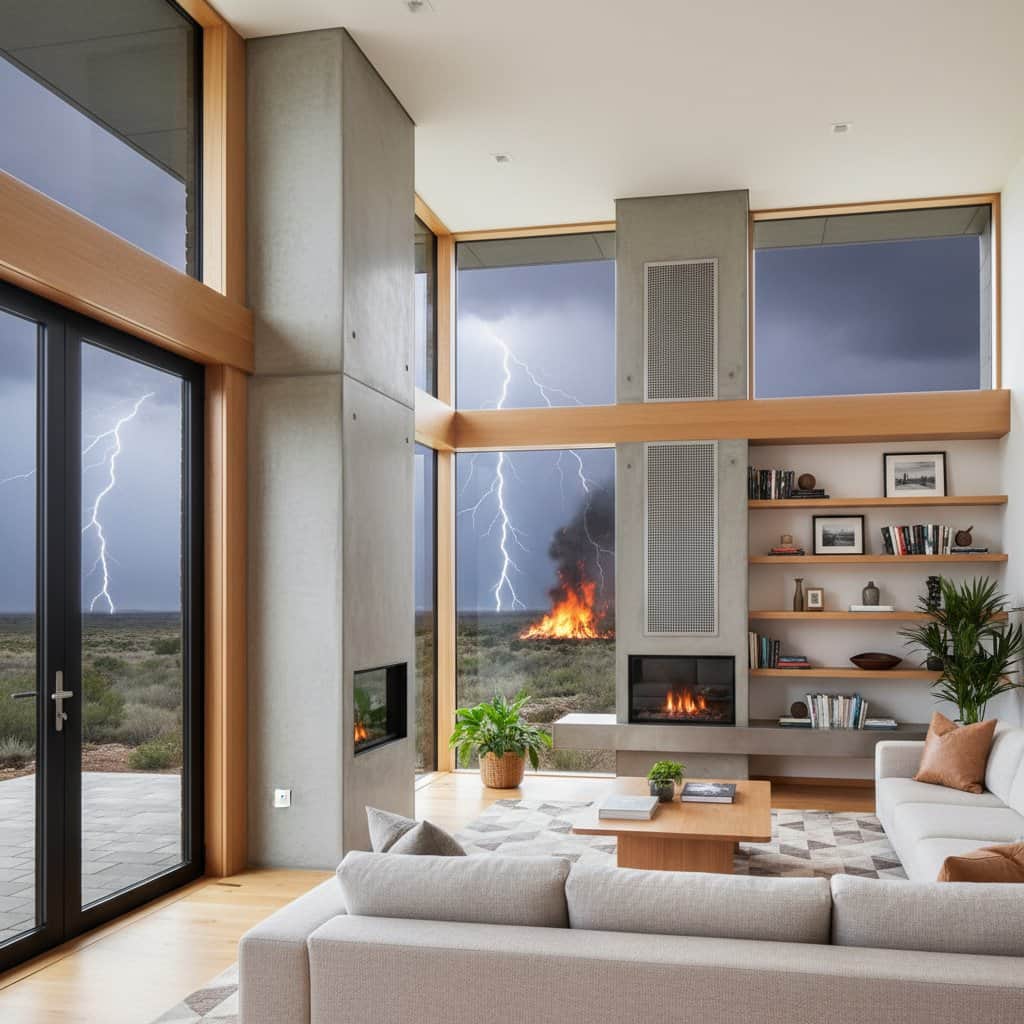
The 2026 building codes elevate home durability with enhanced wind resistance, fire-resistant features, and robust structural designs. Innovations such as impact-resistant windows and ember-proof vents enable homeowners to construct secure, enduring residences. Understand how advanced materials, strategic planning, and targeted modifications foster protection and tranquility amid environmental challenges.
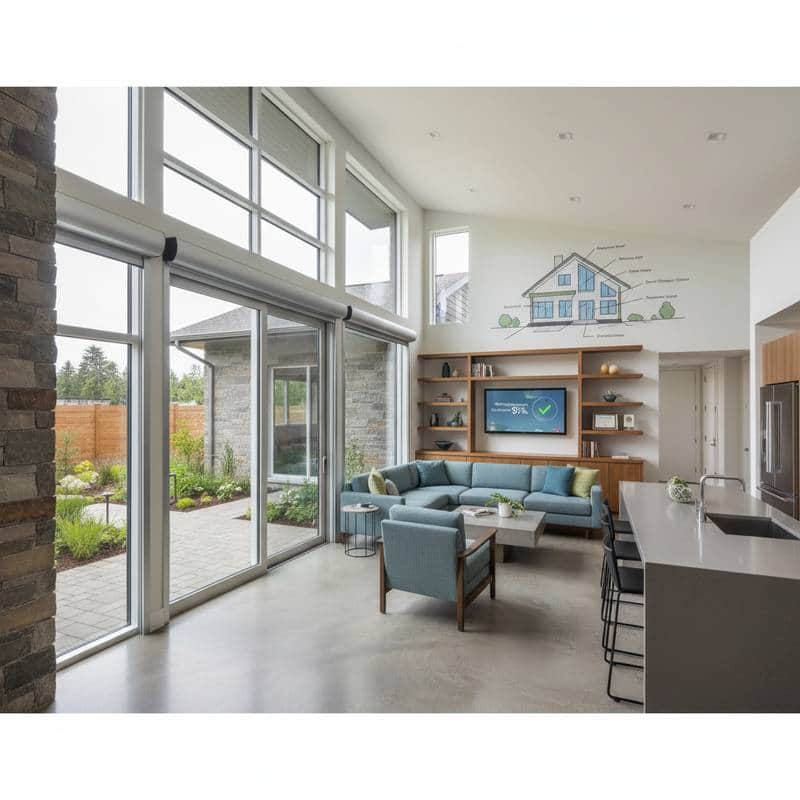
Starting in 2026, insurance providers will mandate features that enable homes to endure severe weather events, offering reduced premiums and superior coverage in return. Upgrades such as fortified roofs, enhanced drainage systems, and durable materials deliver substantial long-term savings and security. Identify essential modifications and strategies to fortify your property affordably.
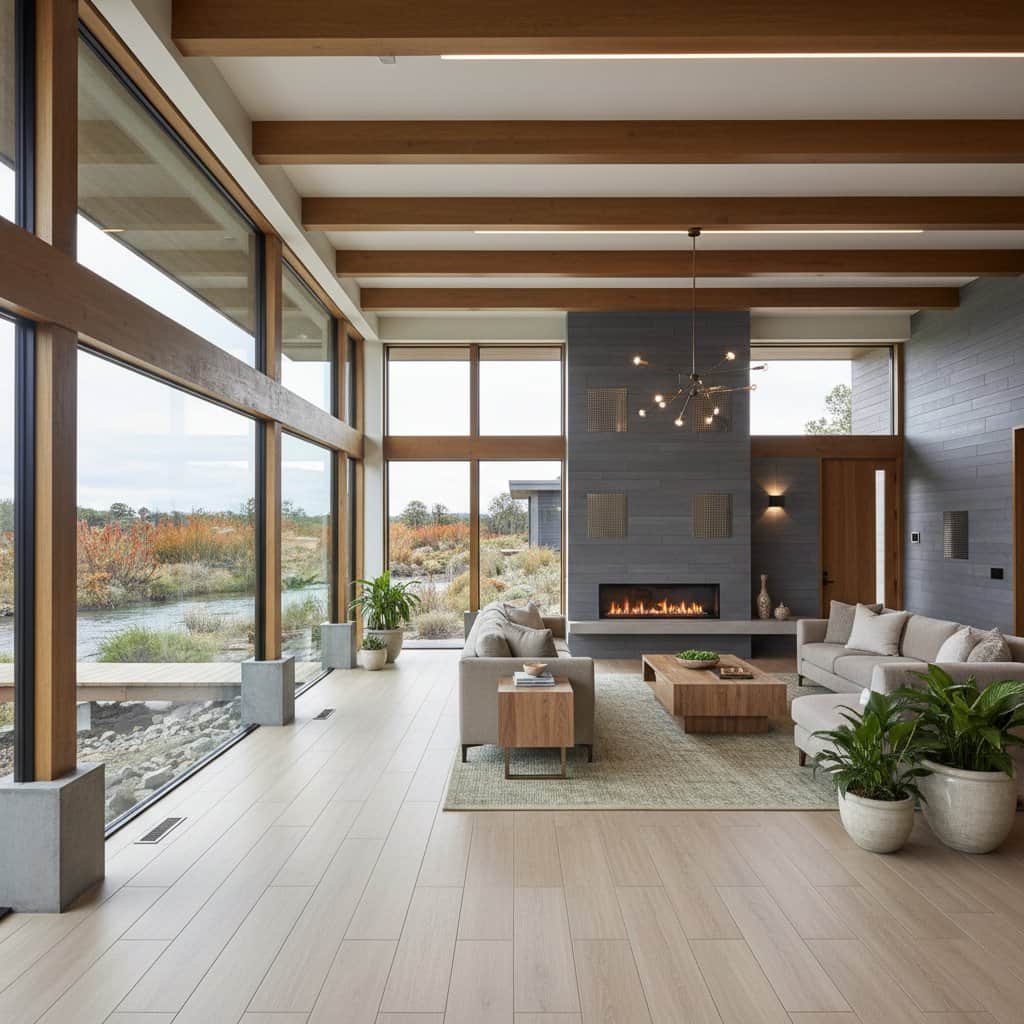
2026 building codes transform home construction with fire- and flood-resistant innovations. Non-combustible exteriors, elevated bases, and ember barriers ensure safety, aesthetics, and eco-friendliness, empowering owners to secure assets and embrace weather challenges confidently.
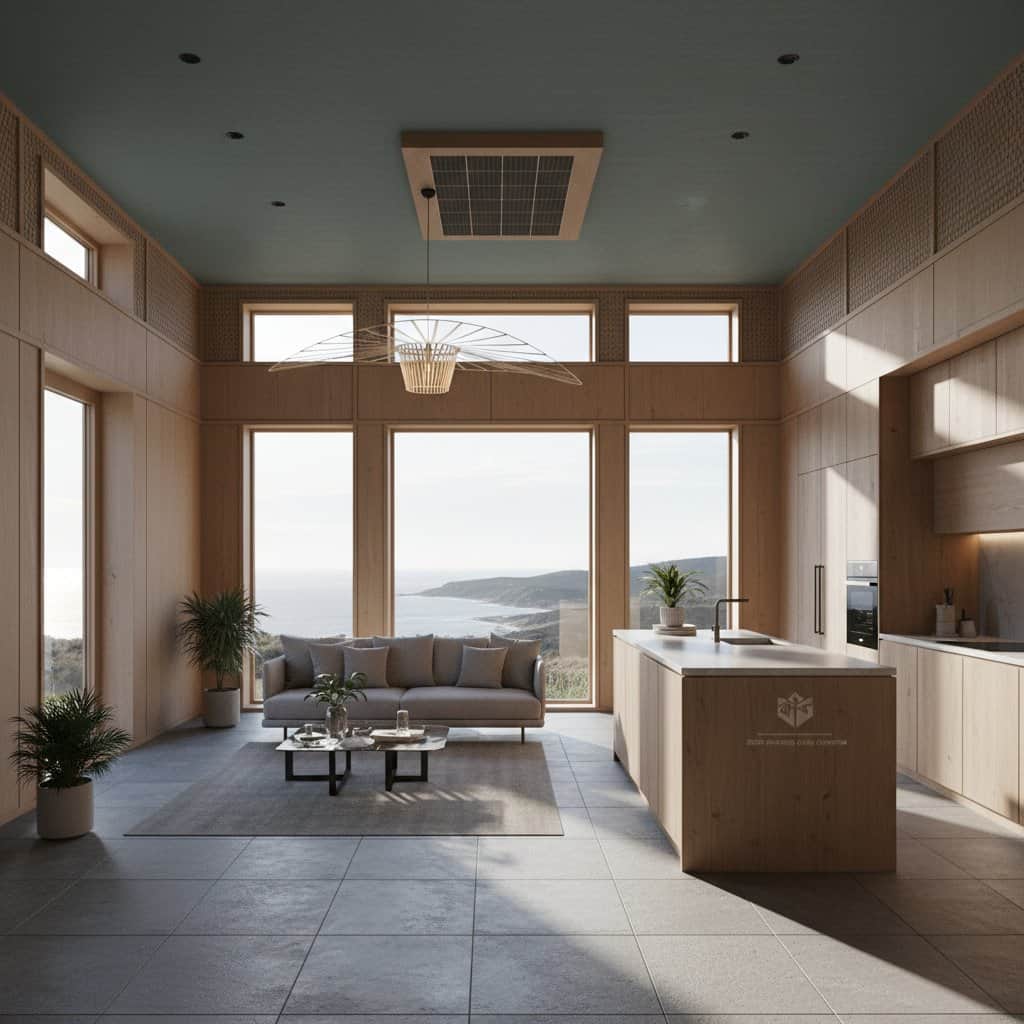
The 2026 building codes raise the bar for fire, wind, and flood resilience—without requiring a sky-high budget. Smart planning, durable materials, and early design choices can protect your home, lower insurance costs, and boost long-term value. Build for safety, efficiency, and peace of mind from the foundation up.
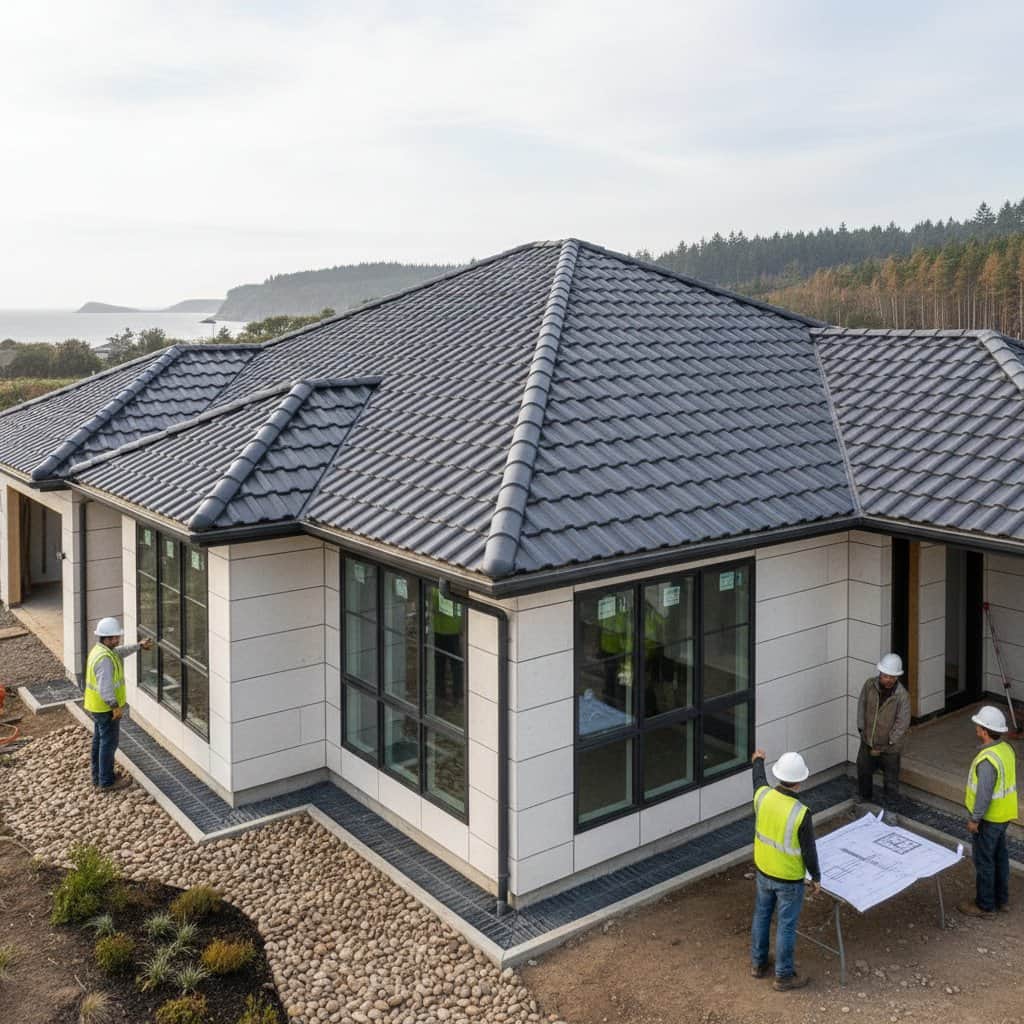
The 2026 building codes prioritize resilience, incorporating fortified roofs, fire-resistant materials, and advanced drainage systems to safeguard homes from hurricanes, wildfires, and intensifying climate events. These standards empower homeowners and builders to create structures that endure disasters, minimize repairs, and provide enduring security in an era of escalating environmental challenges.
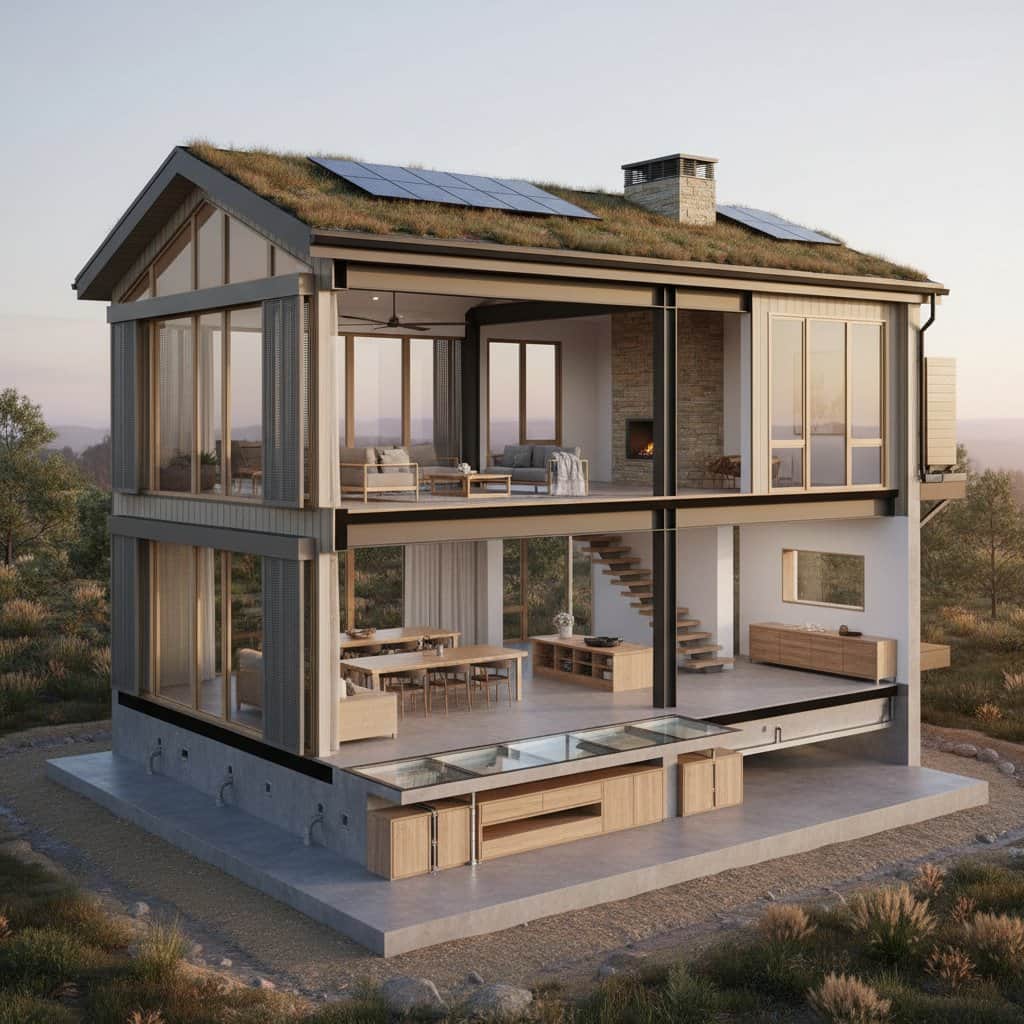
The 2026 building codes advance home resilience against wildfires, floods, and extreme weather through innovative materials and designs. Fire-rated exteriors, elevated structures, and efficient drainage systems deliver durable, cost-effective protection and serenity amid climate uncertainties.
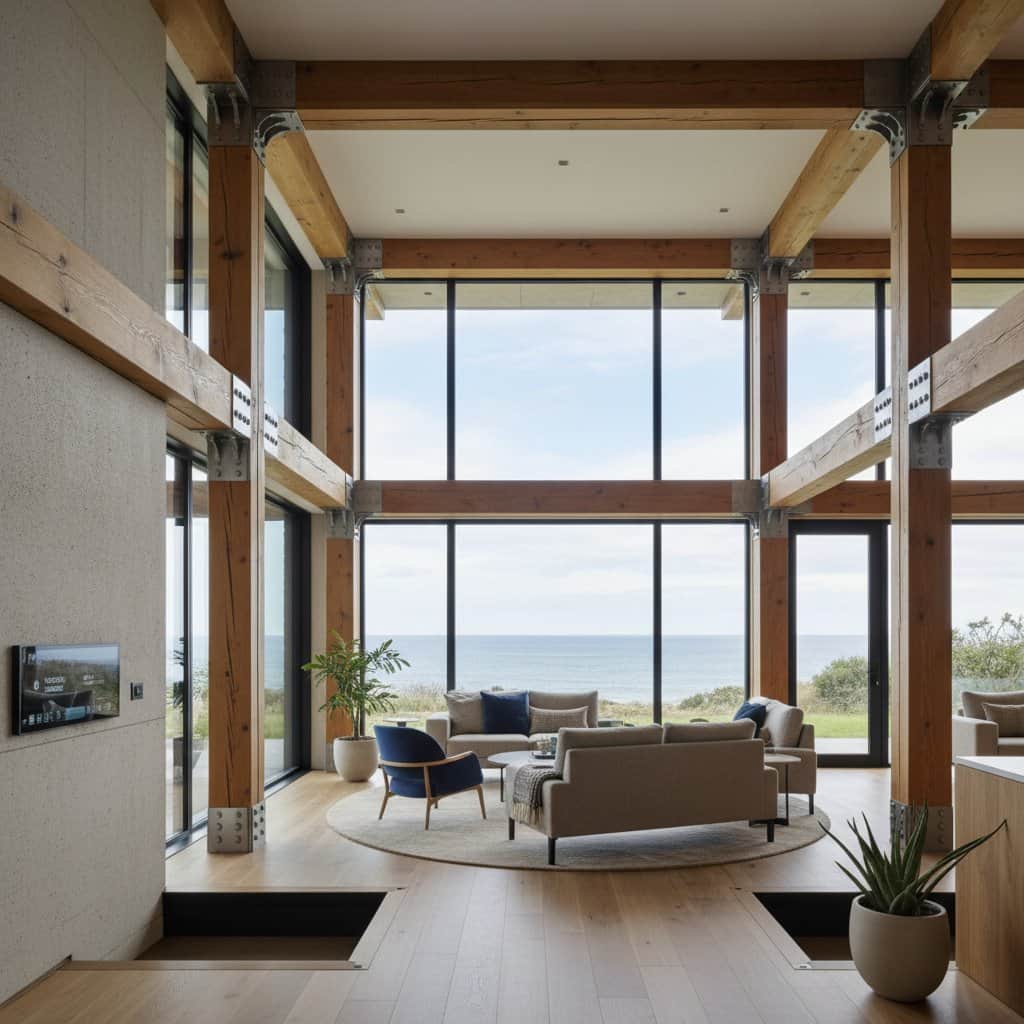
The 2026 hurricane-resistant building codes enhance home durability through reinforced connections, advanced materials, and improved water management. Initial investments yield reduced insurance costs, sustained property value, and enhanced security. Discover strategies in modern construction and upkeep to fortify your home against intense weather events.
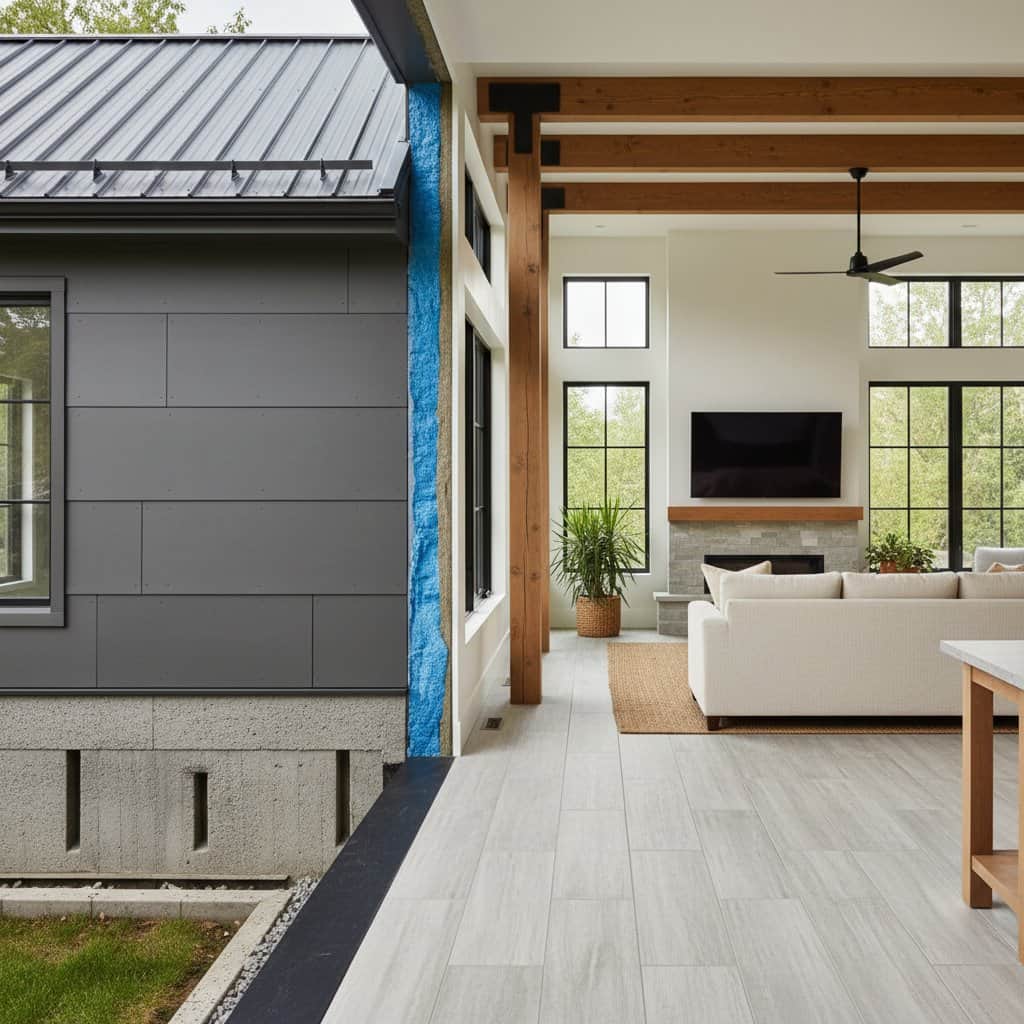
Uncover 2026's advanced materials that fortify homes against wildfires and floods. Options such as fiber cement siding, metal roofing, insulated concrete forms, and closed-cell insulation deliver robust defense alongside inviting aesthetics. Discover strategies to construct spaces that harmonize safety, elegance, and sustainability.
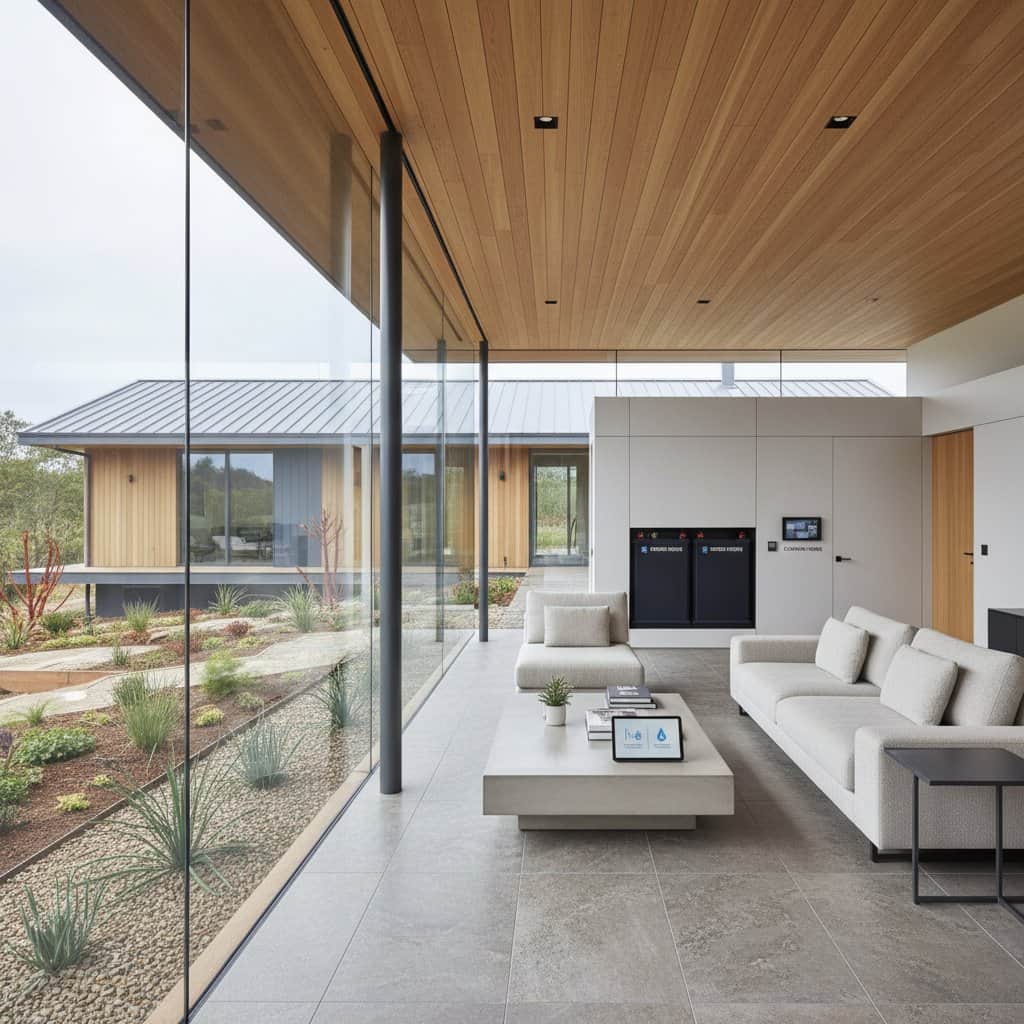
Constructing a home that withstands climate challenges requires foresight. Select fire-resistant materials, implement intelligent landscaping, and install robust drainage systems to defend against wildfires and floods. Options such as metal roofing, raised foundations, and emergency power solutions safeguard your property, reduce expenses, and provide reassurance amid 2026's environmental uncertainties.
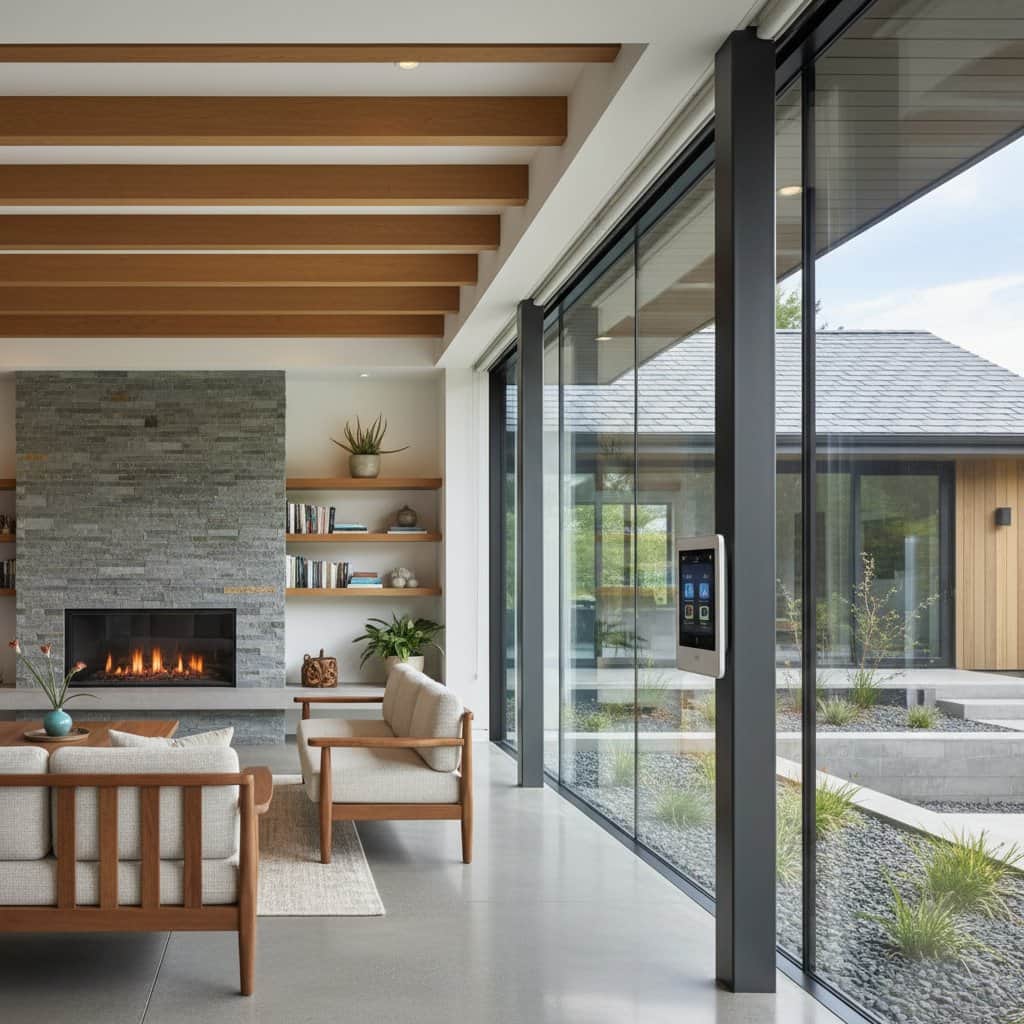
With 2025 insurance mandates in place, homeowners must demonstrate climate resilience to secure coverage and manage premiums. Upgrades like fire-rated roofs and flood barriers safeguard properties, cut expenses, and enhance living conditions. Discover how these prevention-oriented policies transform homeownership by incentivizing durable, adaptive designs.
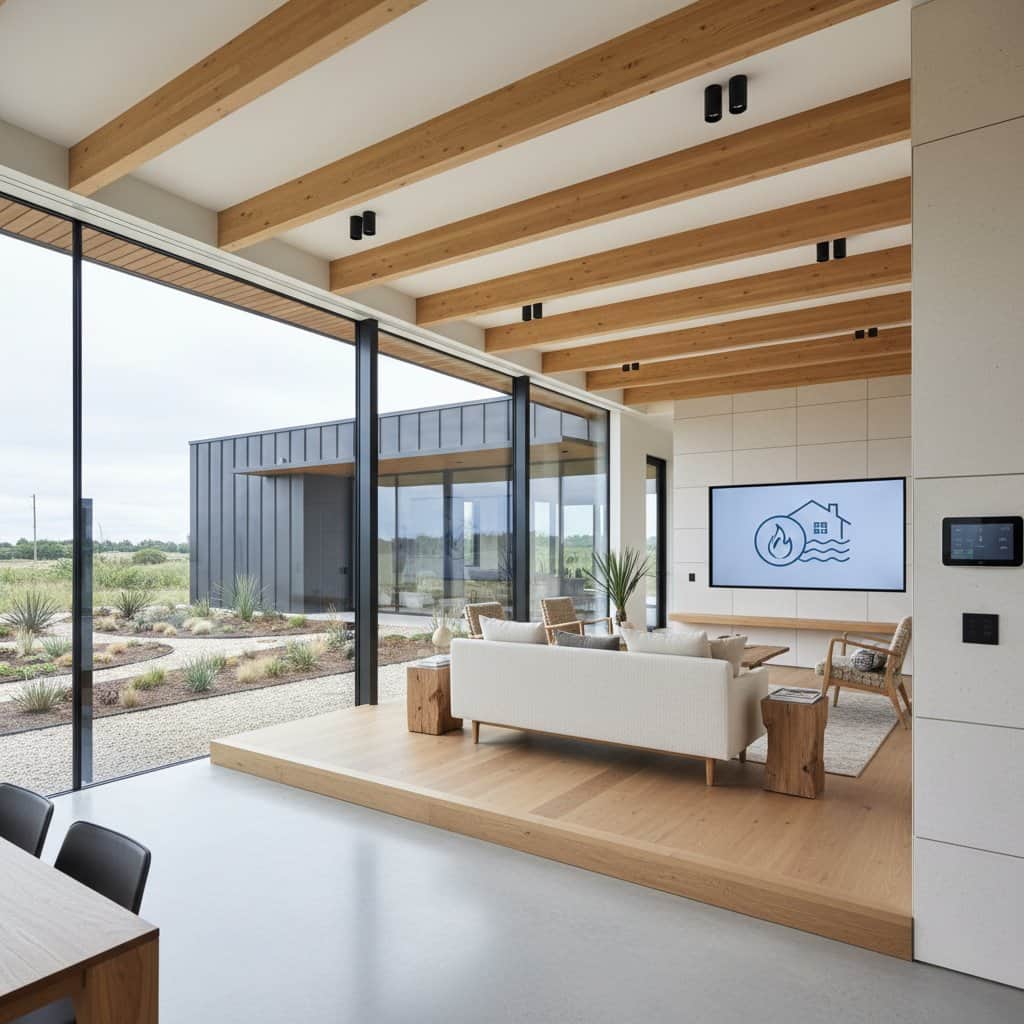
The 2025 building codes transform home design to address climate challenges, integrating fire-resistant materials, effective drainage, and defensible landscaping to safeguard against wildfires and floods while boosting efficiency and community well-being.
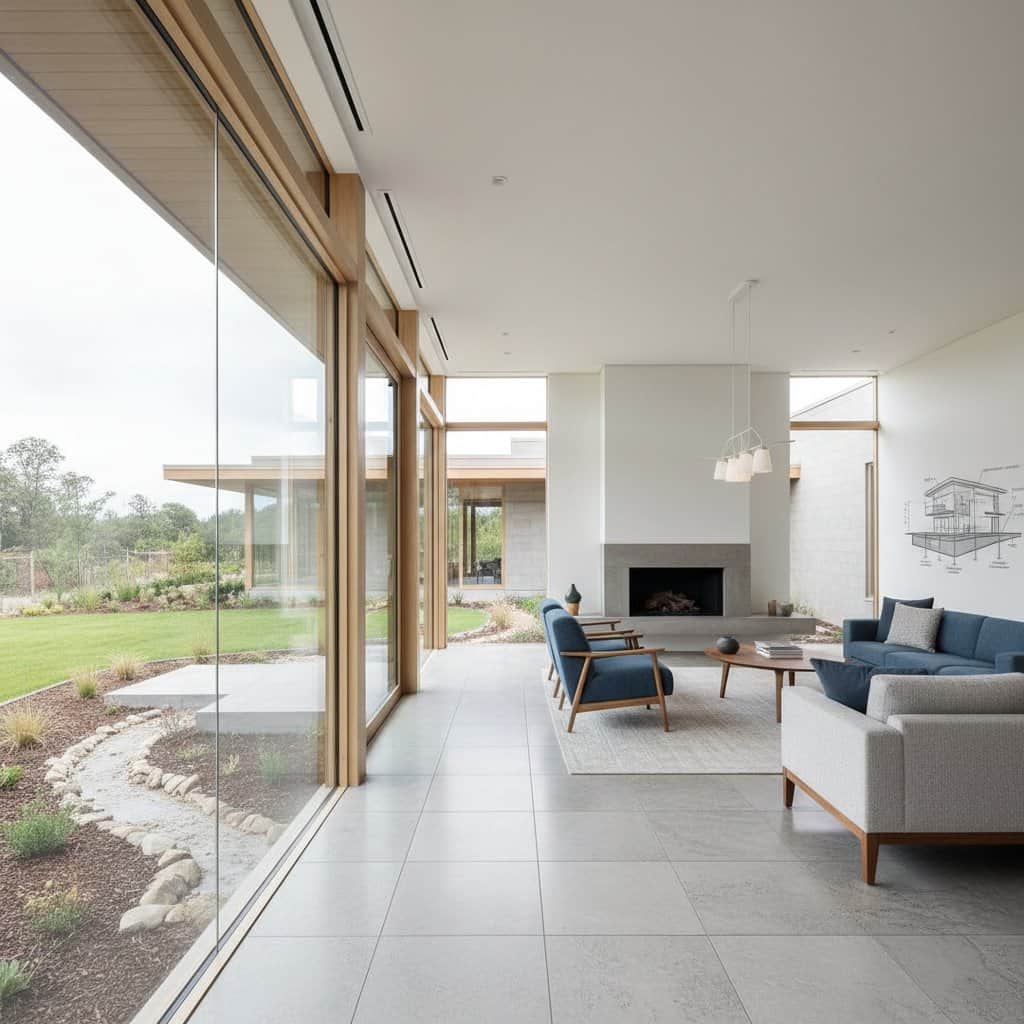
Modern building codes and advanced materials enable homes to resist wildfires and floods effectively. Features such as ember-resistant vents, elevated foundations, and permeable landscaping integrate protection with aesthetic appeal, delivering safety, cost savings, and tranquility amid climate uncertainties.
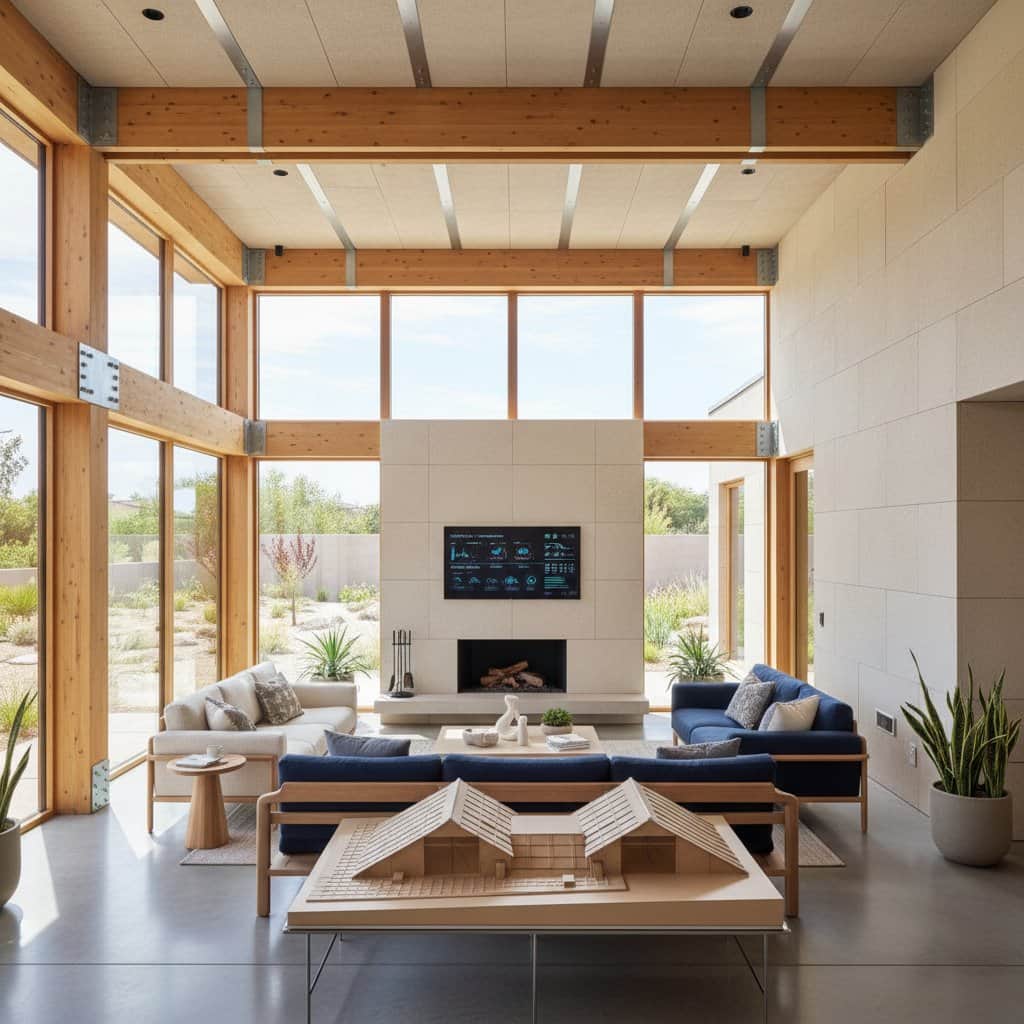
The 2025 building codes transform home construction by prioritizing fire-resistant materials, fortified frameworks, and intelligent landscaping. These standards not only safeguard against hurricanes and wildfires but also improve energy efficiency, aesthetic appeal, and long-term value for homeowners in a changing climate.
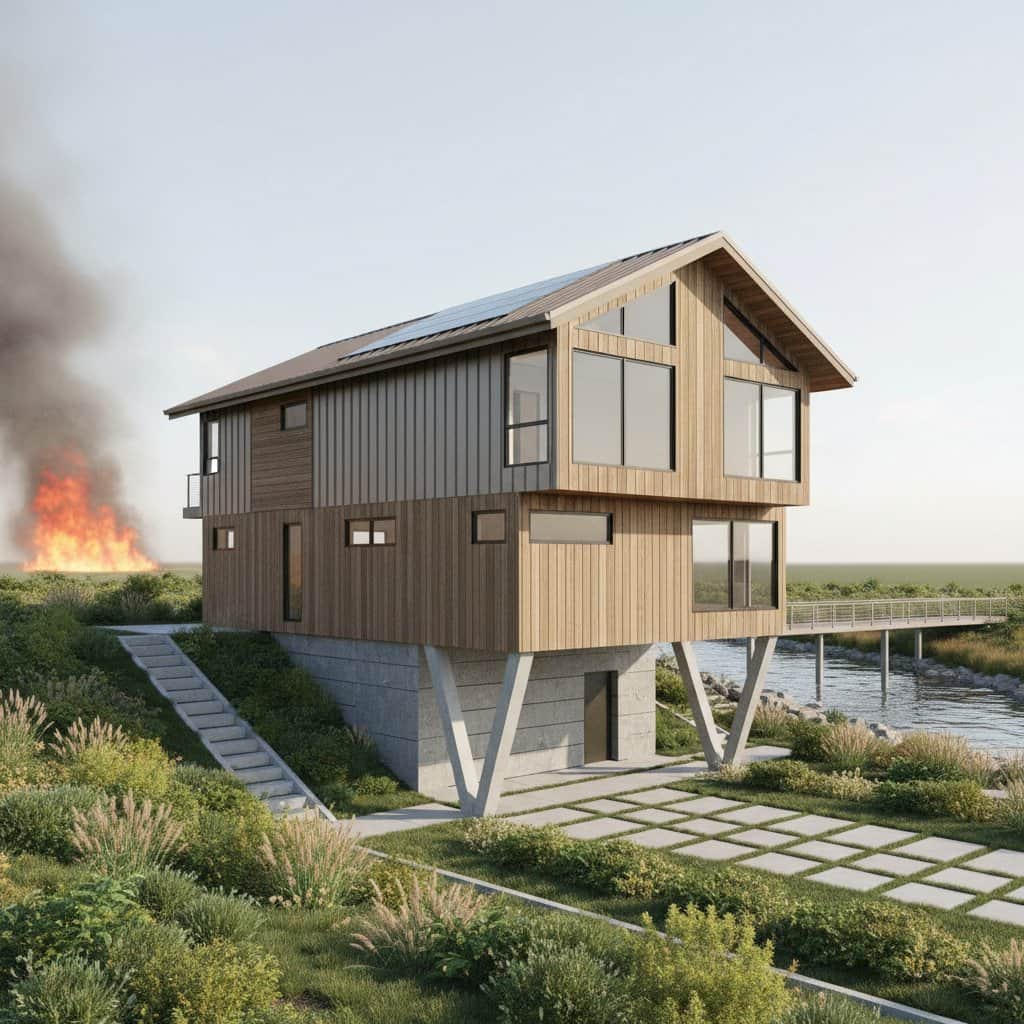
The 2025 building codes transform residential construction by integrating fire-resistant materials, improved flood defenses, and energy-efficient features. These updates not only shield properties from extreme weather but also lower insurance costs and promote long-term sustainability for homeowners.
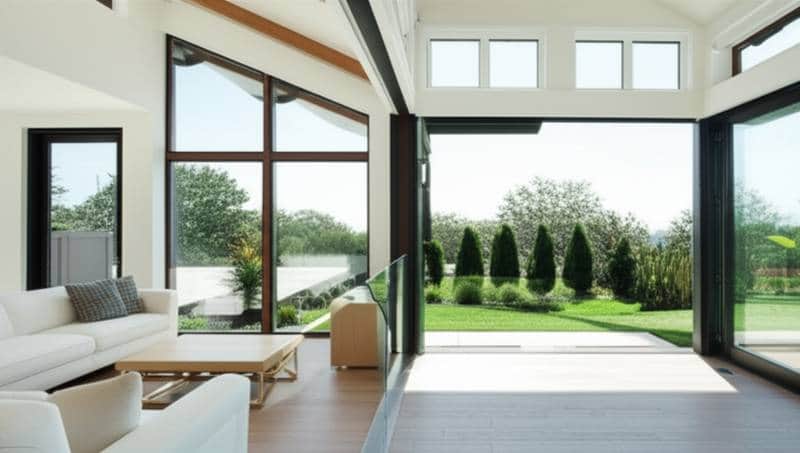
With escalating climate threats, 2025 insurance policies mandate resilient home features like durable roofs, fire-resistant materials, and efficient drainage. These upgrades raise initial costs but deliver premium savings and superior protection. From robust foundations to shatterproof windows, climate-adaptive building emerges as essential for safeguarding homes, finances, and well-being.