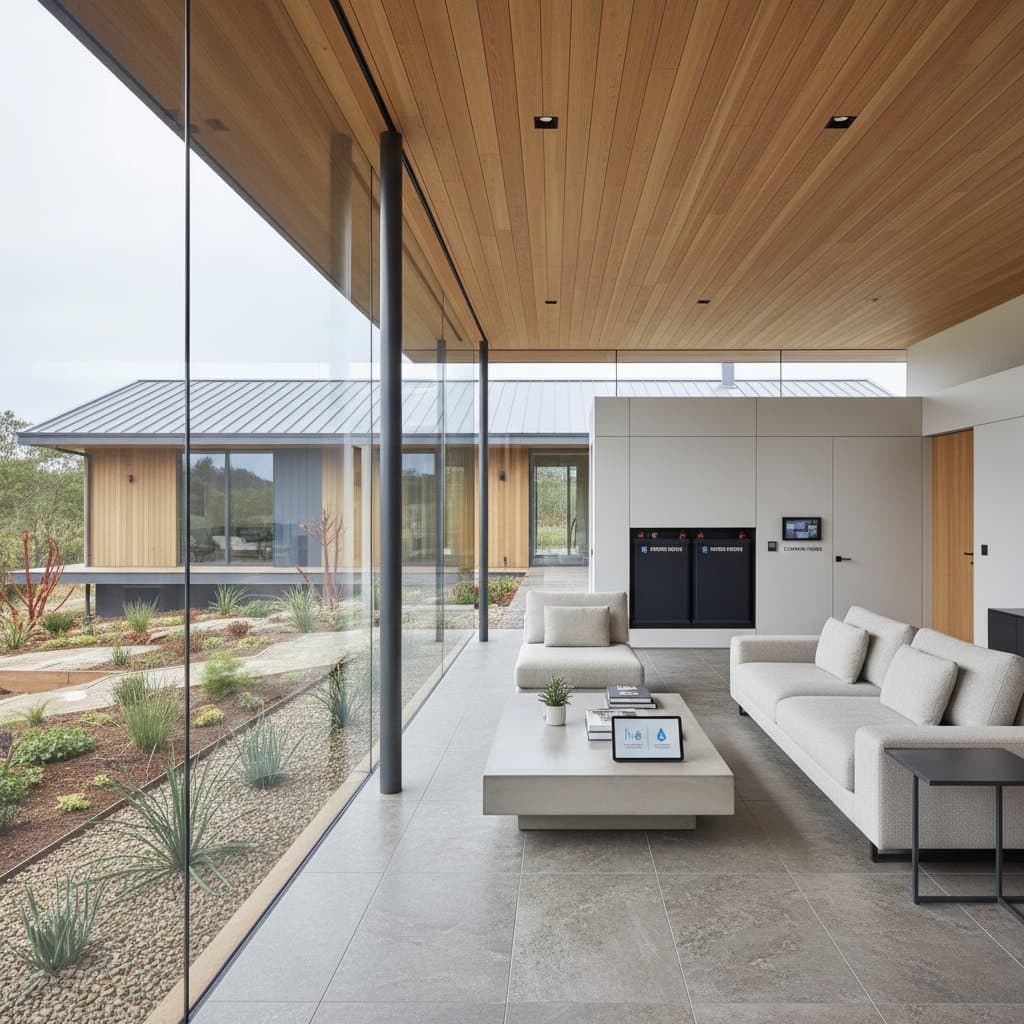
Key Takeaways
- Prepare your home for dual threats of fire and flood through targeted design choices.
- Select durable materials, thoughtful landscaping, and efficient drainage to enhance resilience.
- Initiate planning during construction to avoid future expenses, disruptions, and repairs.
Essential Elements of Disaster-Resistant Home Design
Fire and flood risks demand integrated strategies from the outset. Focus on materials that resist ignition and water intrusion, landscaping that manages environmental hazards, and infrastructure that maintains functionality during crises. These elements form the foundation of a secure, enduring home.
- Fire-resistant exteriors for roofing, walls, and outdoor structures
- Strategic landscaping to contain fire spread and channel water flow
- Advanced drainage solutions to prevent water accumulation
- Reinforced foundations elevated or sealed against flooding
- Reliable backup systems for power and water during outages
Select Fire-Resistant Materials from the Start
In regions susceptible to wildfires, treat the home's exterior as a protective barrier. Choose components tested for flame resistance to minimize ignition risks and comply with building codes.
- Roofing options: Opt for Class A fire-rated materials like metal panels, concrete tiles, or fiberglass asphalt shingles. These surfaces withstand radiant heat and ember exposure better than untreated wood or cedar shakes, which ignite easily.
- Siding selections: Fiber-cement boards, stucco finishes, or aluminum panels provide durability without compromising aesthetics. A coat of high-quality exterior paint on fiber-cement mimics the texture of traditional wood while offering superior protection.
- Window specifications: Install dual- or triple-pane tempered glass with low-emissivity coatings. These features reduce heat transfer and shatter resistance during intense fire exposure, preserving interior safety.
- Ventilation safeguards: Equip attic vents, soffits, and foundation openings with 1/8-inch metal mesh screens. This prevents ember entry, a common cause of structure fires, without restricting airflow.
Incorporating these selections during initial design phases aligns with budget constraints. Retrofitting after construction often incurs additional labor costs and disrupts occupancy.
Integrate Flood Mitigation into Site Planning
Flooding arises from more than rivers; intense storms and inadequate site preparation can inundate any property. Assess your terrain's hydrology early to direct water flow effectively.
Observe water patterns post-rainfall to identify low points and runoff paths. Then, engineer solutions that redirect moisture away from critical areas.
-
Site grading techniques: Ensure the ground slopes at a minimum of 5 percent, or six inches per ten feet, from the foundation perimeter. This simple adjustment prevents pooling near walls and reduces hydrostatic pressure.
-
Drainage infrastructure: Install French drain systems with perforated pipes surrounded by gravel, or create vegetated swales to capture and filter runoff. These features handle excess water volumes during prolonged rains.
-
Foundation adaptations: For high-risk zones, elevate the main floor on piers or stem walls above the base flood elevation. In slab-on-grade designs, incorporate flood vents that allow water to pass through enclosures, equalizing internal and external pressures to avoid structural failure.
-
Sealing measures: Apply bituminous coatings or crystalline waterproofing to foundation exteriors. Pair this with rigid foam insulation rated for moisture resistance in below-grade spaces.
Properties with neglected grading frequently suffer water damage, leading to mold growth and foundation erosion. Proactive design averts these issues, preserving the home's integrity over decades.
Incorporate Backup Systems for Sustained Independence
Outages from disasters can persist for extended periods, isolating homes from essential services. Equip your property with redundant utilities to maintain basic operations.
Evaluate your needs based on household size and location. Prioritize systems that operate independently of the grid.
- Power generation: Choose a whole-home standby generator fueled by natural gas or propane, sized to support refrigeration, lighting, and medical devices. For portability, select inverter models that run quietly and efficiently on gasoline.
- Renewable energy integration: Combine rooftop solar arrays with lithium-ion battery banks for off-grid capability. These setups provide silent, emission-free power and qualify for incentives in many areas.
- Water management: Harvest rainwater via gutter-connected cisterns lined with food-grade materials. Filter the collected water for non-potable uses, or add purification for drinking during shortages.
One builder integrated a modest solar-battery system and described it as invaluable. During a multi-day blackout, it sustained refrigeration and charging needs, allowing the family to focus on recovery rather than survival.
Maintain Resilience Through Ongoing Practices
A resilient home requires consistent upkeep to perform as intended. Schedule annual inspections to address wear and adapt to changing conditions.
Clear debris from gutters and downspouts quarterly to ensure free drainage. Prune overhanging branches to create defensible space around the structure, reducing fire fuel loads. Test backup systems monthly and reseal any cracks in foundations promptly.
These routines extend the lifespan of protective features and detect potential vulnerabilities early.
Secure Your Home's Future Today
No structure can eliminate all risks, yet thoughtful preparation builds substantial defenses. By embedding these principles into your build, you invest in longevity and stability.
The result is a sanctuary that endures environmental pressures, freeing you to enjoy it without constant concern.