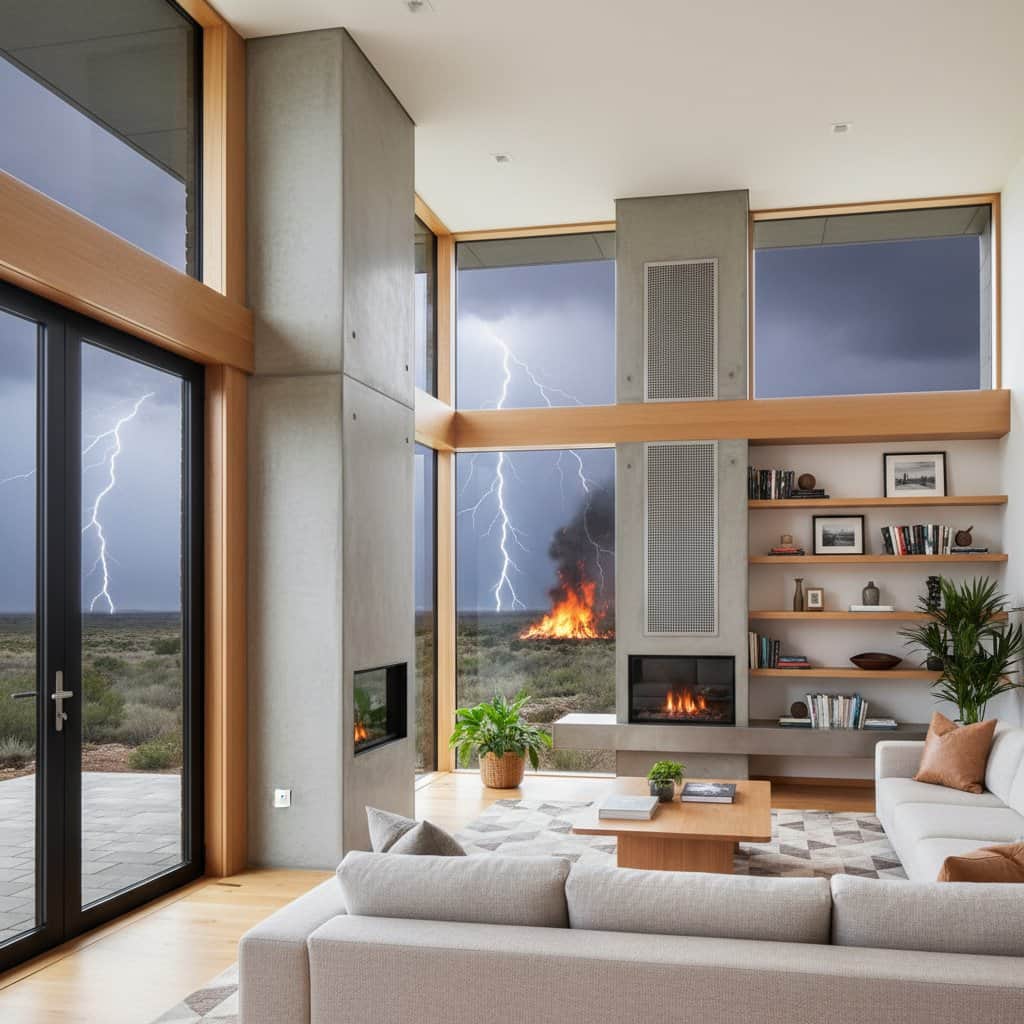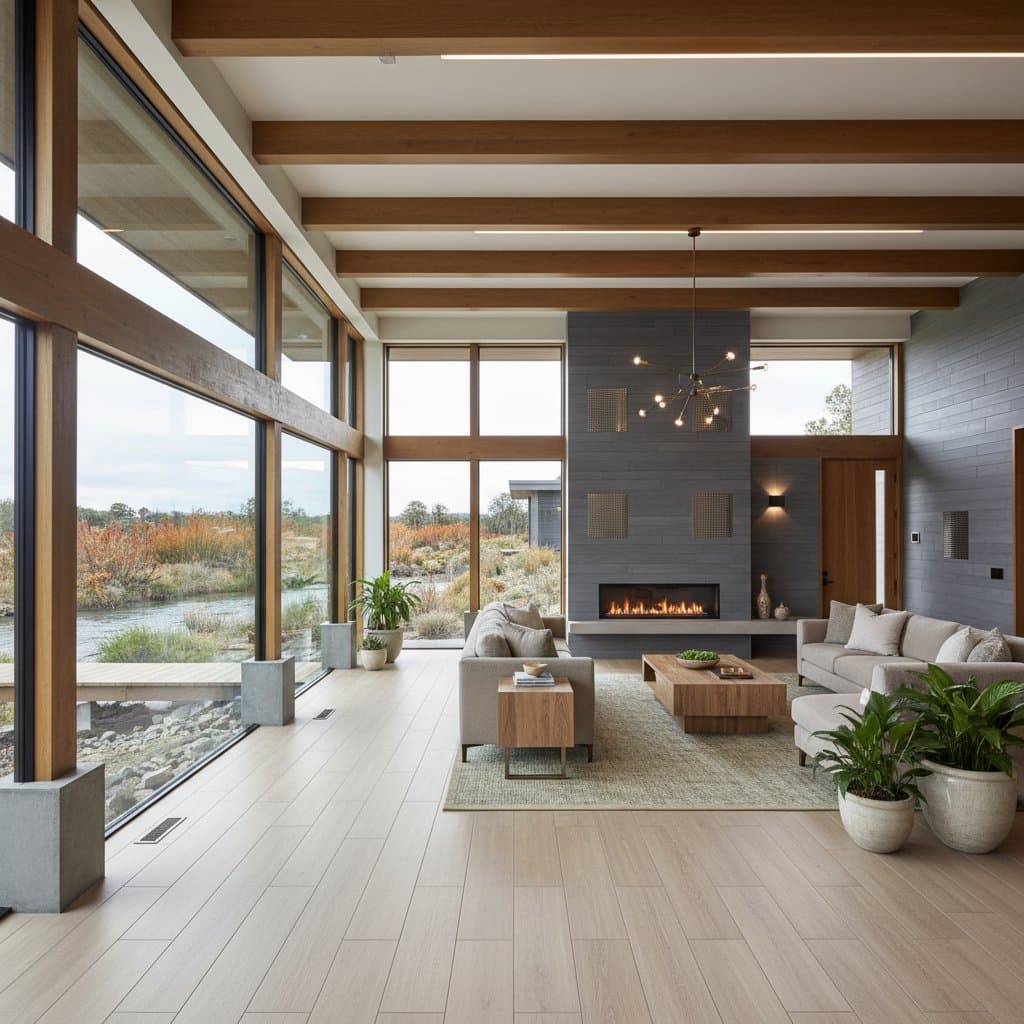
Building Resilient Homes: The New Standards for Wildfire and Flood Protection
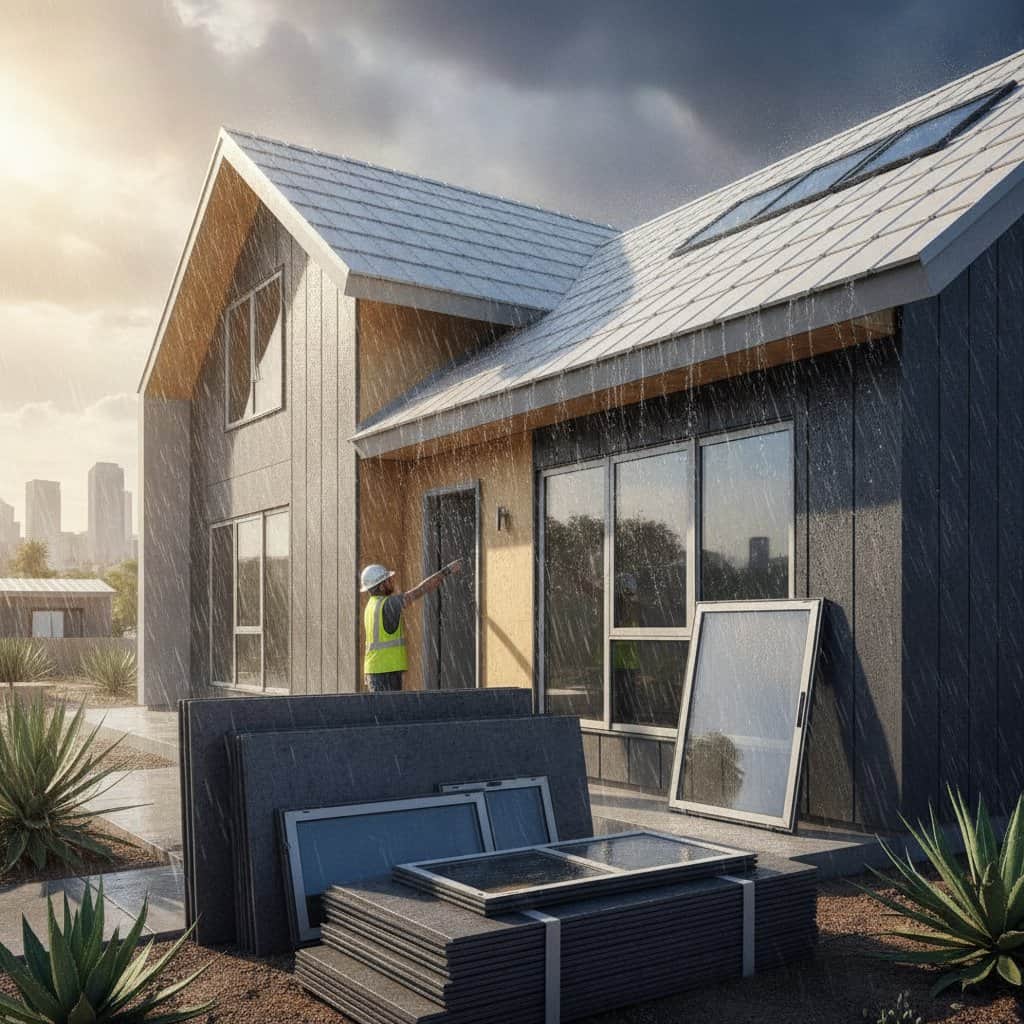
Imagine returning home after an extended absence to find the interior serene and dry. Outside, heavy rain has persisted for days, yet no moisture infiltrates the structure. The exterior siding remains intact, vents stay secure, and the entryway provides unwavering stability. This sense of security arises from construction methods designed to endure climatic extremes.
Witnessing a neighbor's property scarred by a nearby wildfire profoundly influenced perspectives on building practices. Embers ignited wooden siding rapidly, highlighting that construction must prioritize resilience alongside aesthetics.
Challenges for Homeowners
In numerous areas, seasons of fire and flood extend and intensify unpredictably. Aspirations for contemporary interiors or outdoor features hold value only if the structure withstands environmental threats.
Conventional materials, such as untreated timber or standard asphalt shingles, falter against extreme heat or sustained wetness. Property owners frequently undertake repairs, repainting, and replacements following incidents. The task involves harmonizing visual appeal, expense, and protection.
Emerging building codes address these issues by reshaping approaches to longevity and architecture. These regulations integrate advanced engineering with proven substances to fortify dwellings against wildfires and floods.
Core Principles of Resilient Construction
Current guidelines emphasize two primary objectives: impeding fire progression and excluding water intrusion. Applicable to fresh constructions, these principles also inform retrofits for established properties.
Central to the framework are substances that resist combustion, repel thermal exposure, and facilitate water runoff. In flood-vulnerable locations, emphasis falls on elevation, drainage systems, and effective sealing. In fire-prone regions, priority goes to ember deterrence and perimeter clearance.
Essential Components
-
Exterior Cladding
Non-combustible options like fiber cement, stucco, or metal panels form the basis for outer layers. These materials resist ignition and endure thermal stress alongside intense precipitation. Select panels with textured finishes to maintain architectural warmth while enhancing durability. -
Roofing Systems
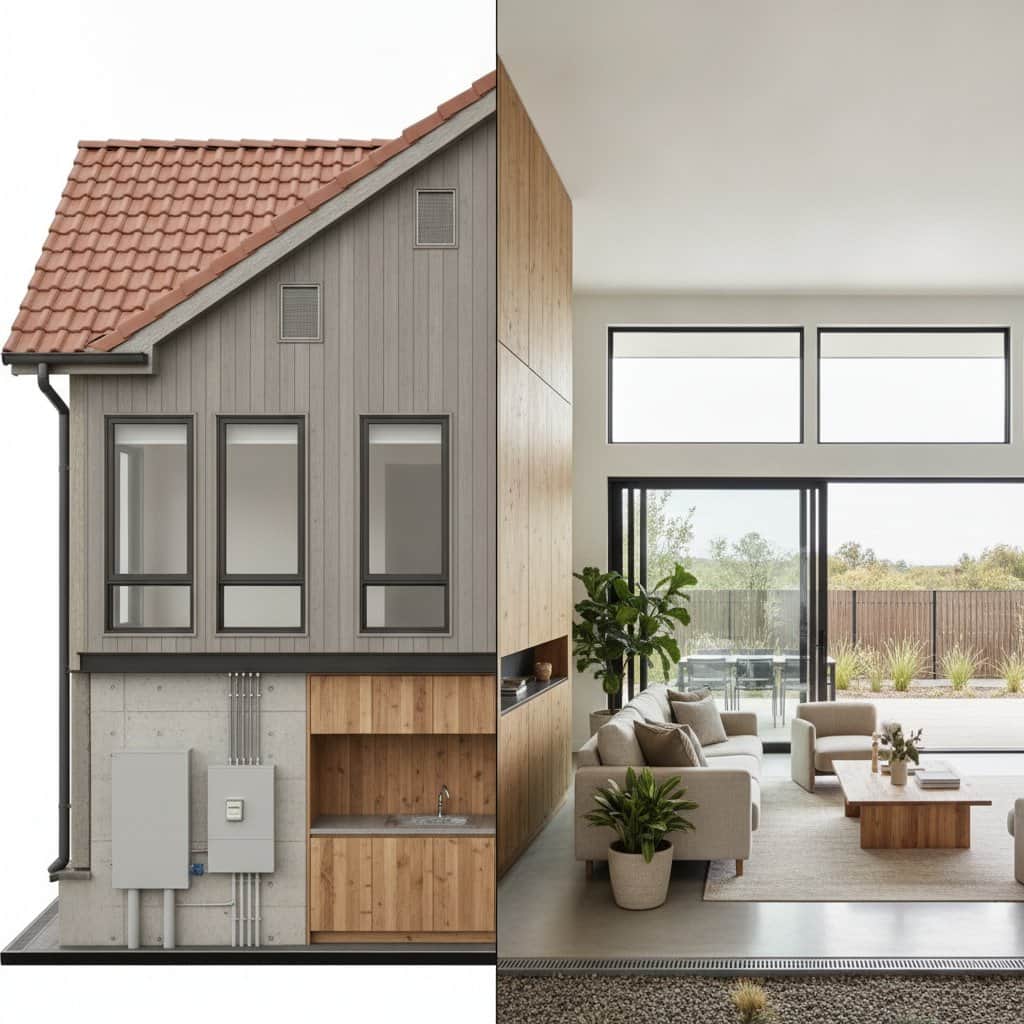
Class A rated coverings, including composite shingles, clay tiles, or metal sheets, prevent ember-induced fires. The roof serves as the initial barrier during wildfires. Enhance protection by incorporating metal edge flashing and installing vent screens with mesh openings no larger than 1/8 inch. -
Windows and Entryways
Double-glazed, tempered glass units tolerate elevated temperatures and reduce shatter risk. Opt for fire-rated doors with intumescent seals that expand under heat to block flames and fumes. In flood zones, prioritize frames with silicone gaskets and hardware coated in galvanized or stainless steel to resist corrosion. -
Foundations and Water Management
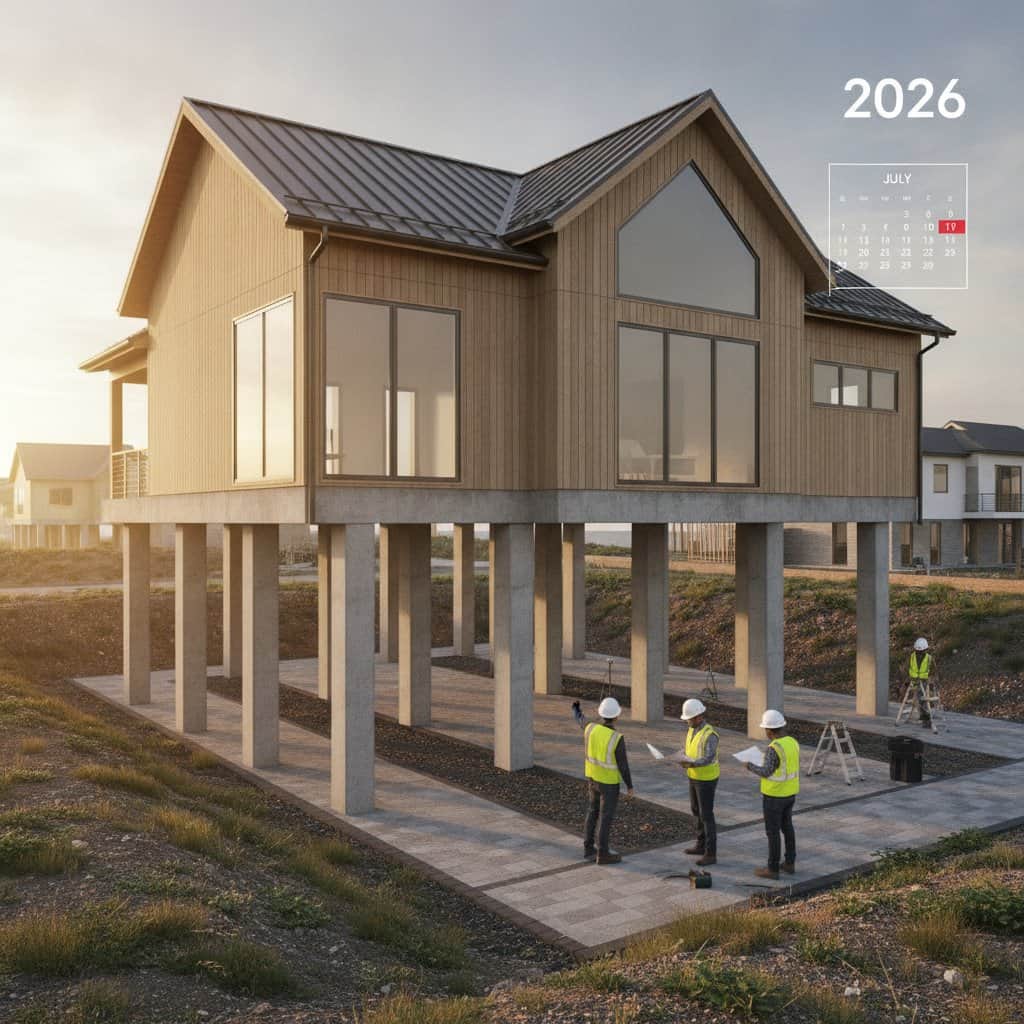
Elevate structures on piers or pilings in flood areas, and integrate flood vents that permit water flow while blocking debris. Ensure site grading directs runoff at least 10 feet from walls, supplemented by French drains or sump pumps with battery backups. Install backflow preventers on sewer lines to halt reverse flow during surges. -
Perimeter Buffers
Establish defensible space by removing vegetation within 30 feet of the home, replacing it with non-flammable ground cover like gravel or decomposed granite. Maintain tree canopies at least 10 feet apart and prune lower branches to 6 feet above ground. This zoning minimizes fuel for approaching flames.
Integrating Aesthetics with Durability
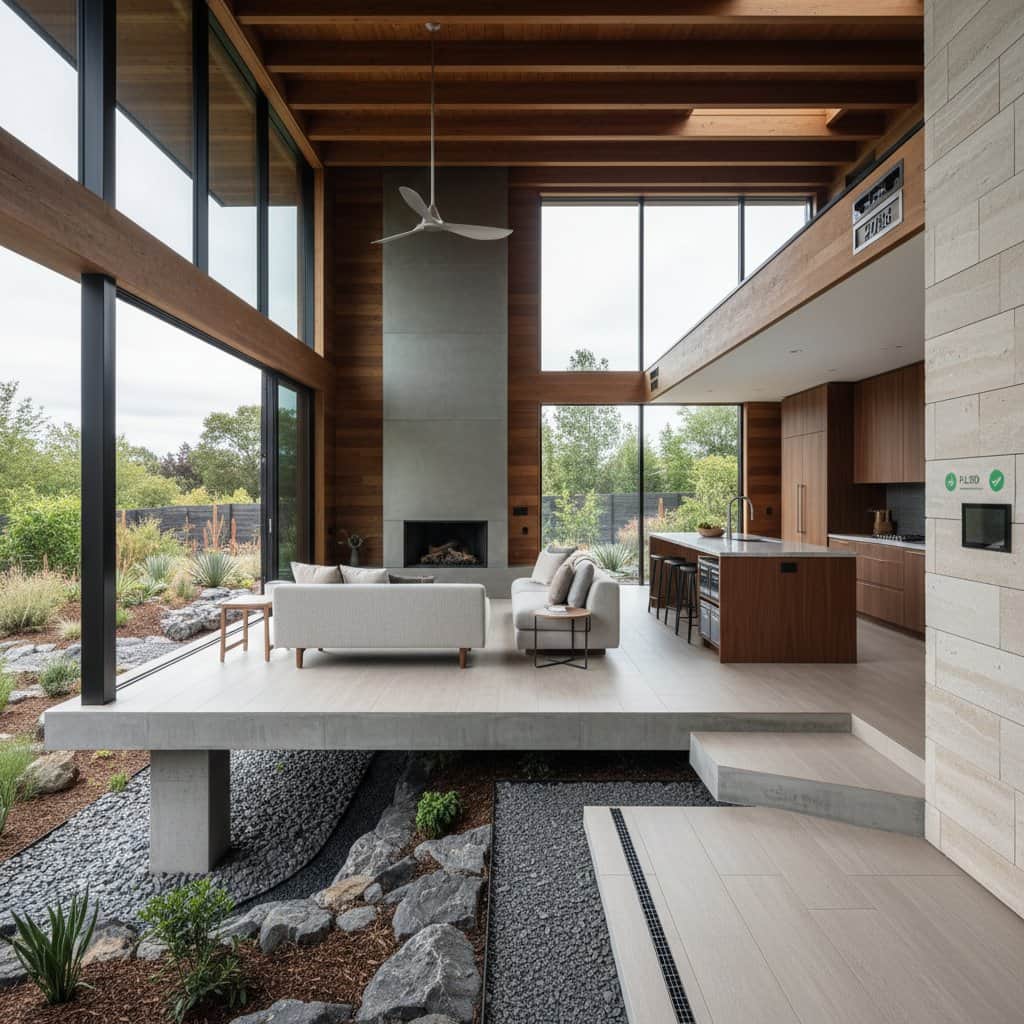
Protective features need not sacrifice design elegance. Fire-retardant charred cedar siding, or shou sugi ban, delivers a sophisticated ebony patina with inherent resistance. Polished concrete slabs for patios and aggregate pathways repel water while offering a refined appearance.
Illuminate exteriors with LED fixtures mounted on aluminum posts, avoiding combustible plastics. Select drought-tolerant plants like lavender, sagebrush, or succulents for landscaping; these species ignite slowly and require minimal irrigation, reducing both fire hazard and upkeep.
Budgeting and Implementation Strategies
Adopting resilient standards may initially increase expenses by 10 to 20 percent for elements like specialized cladding and roofing. However, these enhancements avert substantial repair costs and potentially lower insurance premiums through discounts for compliant properties.
Membrane barriers, sump installations, and elevated wiring in flood regions represent enduring value. Explore municipal incentives, such as rebates for resilient upgrades or green building certifications, to offset investments.
Approach planning in phases:
- Structural Priorities. Fortify load-bearing elements, including framing, bases, and overhead assemblies, using treated lumber or steel reinforcements.
- Surface Applications. Apply durable finishes to exteriors, such as low-VOC paints over cement boards, and select porcelain tiles or epoxy-coated concrete for interiors.
- Defensive Additions. Equip with leaf guards on gutters, perimeter swales for drainage, and boxed eaves screened against embers.
Local vendors increasingly stock verified products. Seek suppliers offering mineral wool for insulation, which provides superior fire blocking without toxic emissions.
Ongoing Upkeep for Longevity
Superior materials demand consistent care to maximize performance. Clear debris from gutters biannually, inspect perimeter seals annually, and prune foliage to maintain clearances.
In elevated fire districts, store tools like metal rakes and pressurized hoses in weatherproof enclosures near exits. For flood territories, test pumps quarterly and clear drainage routes before rainy periods.
Maintain a seasonal inspection log, noting checks for vent integrity, foundation cracks, and sealant conditions. Such routines, completed in under an hour, extend structural lifespan significantly.
Enhancing Daily Comfort Through Resilience
These standards elevate living quality by fostering stability without sacrificing livability. Improved insulation and airtight barriers keep interiors temperate during heat events. Water-resistant surfaces, such as luxury vinyl or sealed concrete, simplify maintenance and resist warping.
Sustainability integrates seamlessly; photovoltaic arrays mount securely on metal roofs, and cisterns for rainwater collection align with elevated bases. These elements reduce energy demands and ecological impact alongside hazard mitigation.
Sustaining and Evolving Your Resilient Home
With resilient upgrades in place, routine existence gains assurance amid variable weather. Subtle enhancements, like vibrant accents on tempered frames or earthy hues for barriers, personalize protection.
Consult certified contractors experienced in hazard-adaptive builds. Inquire about specific certifications for vents, base configurations, and material compliance to ensure adherence.
Steps to Achieve Resilience
Constructing or modifying a property for wildfire and flood resistance proves manageable through incremental actions. Begin by substituting combustible landscaping with inorganic mulches. Apply fresh sealants to entry points. Progress to segmental cladding renewals.
During subsequent tempests or fire alerts, the fortified design delivers tangible security. Family well-being improves, and the property endures as a lasting asset.