Building Homes That Can Weather Fire and Flood
I recently found an old photo of my grandparents’ house, a small timber cottage near a creek that often swelled after heavy rain. The place had its quirks, but it always stayed dry inside, thanks to the raised foundation and clever drainage my grandfather built by hand. That memory came back to me while reading about the new building rules for flood and fire resistance. It feels like we are circling back to simple, thoughtful ideas that were once common sense: build for the land, not against it.
Why resilience is becoming part of every home plan
If you have ever worried through a storm or smelled smoke drifting from a distant wildfire, you know how fragile a home can feel. The new building rules are meant to change that. They focus on designing houses that can better handle extreme weather, not just survive it but stay livable afterward. The aim is to make resilience part of the design process, not an afterthought.
Building codes now encourage materials and layouts that can resist high water and intense heat. What feels new is the focus on how these features fit into everyday living. You can still have a cozy living room with warm lighting and timber finishes, but behind the charm sits smart engineering that keeps your family safe.
What makes a home flood-resistant
Flood-resilient design starts with understanding how water moves across your property. The new rules emphasize elevation, drainage, and durable materials. Here are a few key ideas shaping flood-resistant construction.
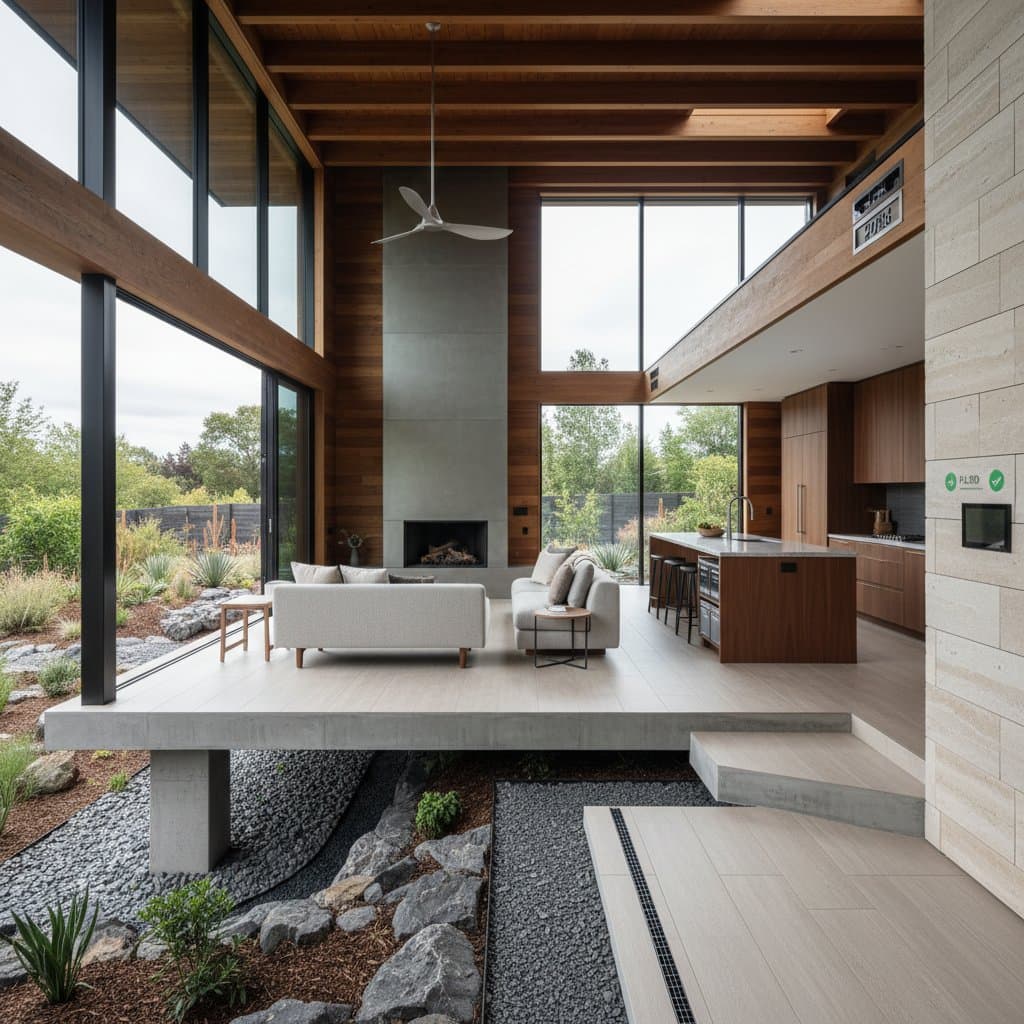
- Raised foundations. Homes in flood-prone areas must sit higher above predicted water levels. Builders use piers, stilts, or elevated slabs to lift living spaces safely above flood zones. This approach also allows for airflow under the house, helping to prevent moisture buildup.
- Waterproof materials. Floors and walls in lower levels are now expected to use materials that resist water damage. Concrete, tile, and treated timber hold up better than traditional drywall and carpets.
- Drainage systems. Smart drainage design directs water away from foundations. Graded landscaping, French drains, and permeable pavers help manage runoff instead of letting it pool near walls.
- Backflow prevention. Plumbing must include backflow valves to prevent sewage from entering during floods. It is a small detail that makes a huge difference in cleanup and safety.
These measures might sound complex, but they are easier to integrate when planned early. Imagine a home where the entryway steps up slightly from the ground, the lawn slopes gently toward a rain garden, and the driveway uses gravel that lets water drain through. Each small design choice works together to keep the home dry, comfortable, and low-maintenance.
Fire-resistant design that still feels like home
Fire-resistant construction is another pillar of the new rules. The idea is to slow the spread of fire, protect escape routes, and reduce the chance of ignition. Yet these updates are not about turning houses into bunkers. They are about blending safety with style.
Key elements of fire-resistant homes include:
- Non-combustible materials. Builders are now steering toward metal roofing, fiber-cement siding, and stone cladding. These materials do not ignite easily and require less upkeep.
- Defensible space. Landscaping rules recommend creating a buffer zone around the house. This means keeping trees trimmed, spacing shrubs, and using gravel or stone mulch near the foundation.
- Tempered glass windows. Double-paned and tempered glass reduces the chance of shattering from heat. Window screens made of metal mesh can block embers before they reach inside.
- Roof and vent design. Enclosed eaves and screened vents prevent embers from entering attics or crawl spaces, a common source of house fires during wildfires.
Despite the technical language, these updates are deeply practical. You can still have the warm look of wood through finishes like composite cladding, which mimics natural grain while resisting flame. Even the color palette of modern fire-resistant materials has improved, offering soft neutrals and earthy tones that blend with the landscape.
The appeal lies in thoughtful design choices
What makes these rules interesting is how they encourage creativity. Builders and homeowners are rethinking layouts and materials not as restrictions but as opportunities. A raised home with a shaded undercroft can double as a breezy outdoor living area. A gravel fire break can become a courtyard filled with potted herbs and seating.
You can transform your home into a safe haven without giving up beauty or comfort. The new rules invite us to reconnect with the environment instead of ignoring it. They ask us to read the land, to notice how light, wind, and water interact with the space we live in. That awareness leads to designs that feel more authentic and enduring.
Balancing cost and practicality
There is no denying that building to higher standards can increase upfront costs. Fire-resistant roofing, flood vents, and specialized materials all come with a price tag. Yet the long-term savings often outweigh the initial expense. Insurance discounts, reduced repair costs, and higher resale value make resilient design a sound investment.
If you are working with a limited budget, focus on the essentials first. Elevate critical areas, choose durable finishes, and plan drainage early. You can always add extra protective features later. The key is to design a strong foundation for resilience from the start.
How local climate influences design choices
Every region faces its own mix of risks, so the best approach is to adapt your design to the local environment. In coastal areas, humidity and salt exposure mean materials must resist corrosion as well as water. In dry inland regions, the focus shifts to fireproof exteriors and ember-resistant vents.
Even microclimates within a single town can vary. A hillside lot might need retaining walls and slope stabilization, while a valley floor benefits from elevated living spaces and open drainage channels. Working with local builders who understand these nuances will help you match your design to the landscape.
Design tips to blend safety with style
You do not have to sacrifice character to build a resilient home. Here are a few design ideas that balance practicality with warmth.
- Mix textures. Pair smooth concrete floors with woven rugs or timber furniture. The contrast keeps the space grounded and comfortable.
- Use color to soften durable materials. Earthy tones like clay, moss, and sand add warmth to concrete and metal surfaces.
- Plan flexible outdoor zones. A raised deck or shaded courtyard can serve as both a social space and an evacuation-friendly exit route.
- Think vertically. In flood-prone zones, use upper floors for bedrooms and storage, keeping essential utilities above ground level.
- Choose native plants. Local species often need less watering and act as natural firebreaks when spaced correctly.
Small touches like these make the space feel inviting while keeping the focus on safety. The goal is to live well, not just to survive potential disasters.
Living with your design
Once your home is built or renovated to meet the new flood and fire rules, maintenance becomes part of your rhythm. Clear gutters, trim trees, and check drainage after heavy rain. Inspect seals around windows and vents before the dry season begins. These habits keep the protective systems working as intended.
What surprises many homeowners is how these routines cultivate a deeper connection to their property. You start noticing how water flows after a storm or how the wind moves through the trees. That awareness adds a quiet satisfaction to everyday life.
Making it happen
If you are planning a new build or major renovation, get ready to embrace this shift toward climate-resilient homes. Talk to your architect about integrating flood and fire resistance from the first sketch. Ask how materials can serve both function and style.
The appeal lies in knowing that your home can withstand what nature brings, while still reflecting your taste and lifestyle. It is not just about following new rules, it is about building smarter, living safer, and creating spaces that endure with grace. When your house stands tall after the next storm or stays cool while embers drift nearby, you will feel the quiet reward of foresight and care.