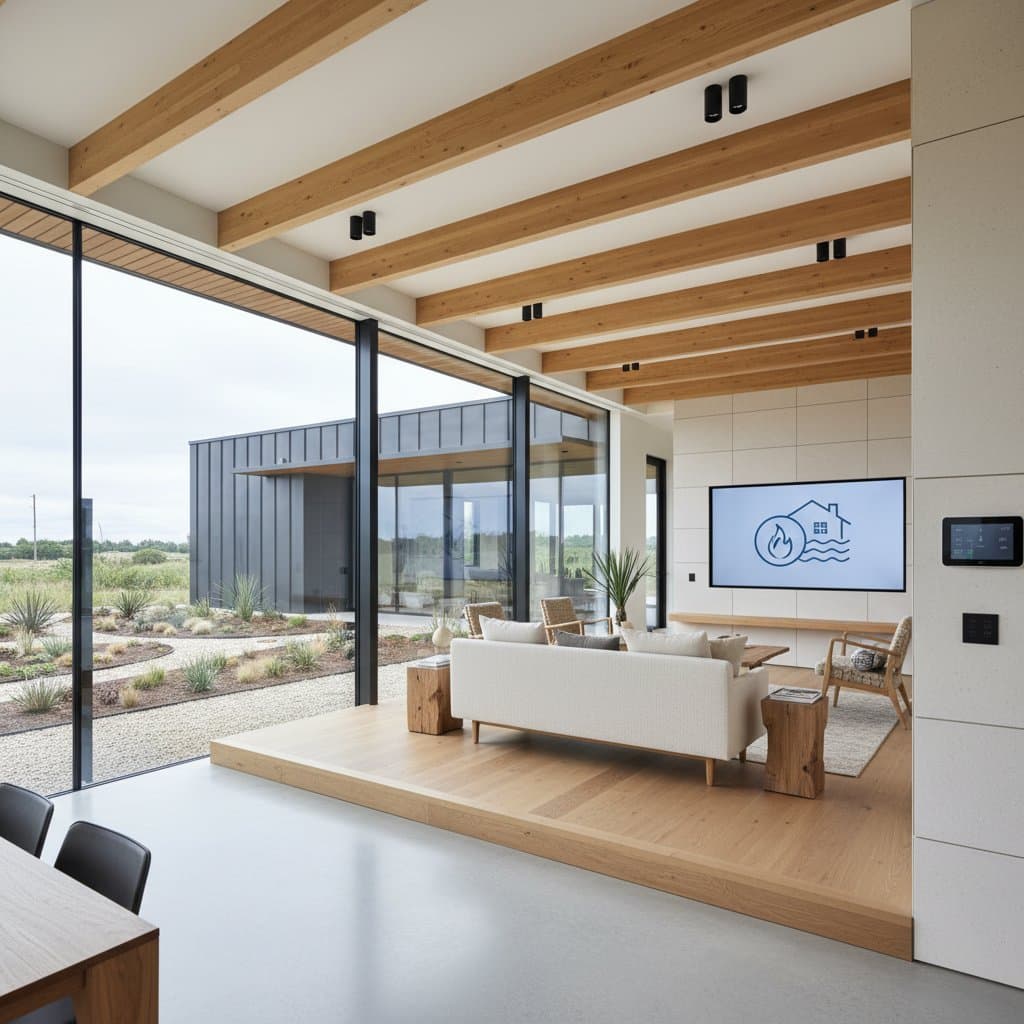
2025 Codes Protect Homes from Wildfires and Floods
Recent observations in hillside neighborhoods reveal homes with metal roofs and gravel landscapes, adaptations driven by updated safety standards. These features integrate seamlessly with the environment, offering both protection and aesthetic appeal. Such designs demonstrate that resilience can enhance the sense of home.
In various regions, building codes now influence how structures interact with their surroundings. These regulations prioritize durability, comfort, and preparedness amid increasing wildfire and flood risks. Builders and renovators apply these principles through innovative, practical methods.
The Importance of Updated Codes for Residential Properties
Awareness of wildfire maps or encroaching floodwaters underscores the need for proactive home safety. The 2025 codes mitigate risks by specifying materials for roofs and yard configurations. They promote designs that endure extreme heat, water, and wind without sacrificing visual harmony.
Compliance does not require complete reconstruction. Instead, the codes advocate for informed selections. For instance, metal roofs deflect heat, fiber-cement siding withstands weathering, elevated foundations enhance airflow, and native plants minimize upkeep.
Integrating Design Principles with Safety Measures
A key aspect of the codes involves harmonizing protection with style. Fire-rated windows resemble traditional wood frames, and composite decking imitates timber while resisting ignition. Professionals in the field have adopted these options enthusiastically.
This integration allows homeowners to maintain charm alongside security. Exterior colors in earth tones such as clay, sage, and sand complement fire-resistant surfaces. Elements like gravel pathways, stone walls, and metal gutters provide functionality and visual interest.
Beyond mere survival, these features foster enduring, stable living spaces. Structures aligned with natural forces promote greater tranquility for residents.
Key Requirements of the 2025 Codes
Requirements differ by location, yet core elements remain uniform, targeting fire and water vulnerabilities. Common provisions include:
-
Defensible Space Zones
Properties in fire-risk areas require cleared or low-vegetation buffers around buildings. This setup impedes fire progression and aids emergency response. Opt for drought-resistant natives, layered with stone or gravel for effective landscaping. -
Fire-Resistant Building Materials
Roofs, walls, and decks utilize non-combustible options like metal, concrete, or treated composites. Standards also mandate ember-resistant vents and dual-pane windows. Corrugated metal roofs, for example, capture sunlight elegantly while providing protection. -
Elevated Structural Foundations
Flood-vulnerable sites demand raised bases or platforms to exclude water. These elevations often yield additional utility space below for storage or relaxation. -
Enhanced Site Drainage and Grading
Designs must channel water from buildings via swales, permeable surfaces, and rain gardens. Incorporate reeds or ornamental grasses for both utility and appeal. -
Reinforced Seals and Connections
Roofs, walls, and entry points feature tighter seals against embers and moisture. These enhancements prove critical during severe weather.
Combining Aesthetic Appeal with Practical Functionality
These regulations spark innovative material applications. Shou sugi ban, or charred wood siding, offers visual drama and fire resistance. Modern stucco variations revive classic looks with updated durability. Gravel areas gain refinement through steel or stone edging.
Interior adaptations extend the benefits. Fire-rated drywall and insulated glazing support safety and efficiency. Stone or tile floors endure moisture in entry zones. Overall, the codes yield homes that maintain comfortable temperatures year-round.
Applying Local Insights and Actionable Advice
For renovations or new construction, assess your property's terrain, soil, and flora first. Consider these steps:
- Review hazard maps from local authorities or fire departments to identify wildfire or flood designations and focus efforts accordingly.
- Select compliant materials during initial planning to avoid future retrofits and associated costs.
- Incorporate climate-appropriate native species, which demand minimal irrigation and align with defensible space needs.
- Address water flow with features like rain collection systems or foundation-angled grading to handle precipitation effectively.
- Perform regular roof and gutter maintenance to prevent ember accumulation or overflow issues.
These practices elevate safety while simplifying daily home management.
Addressing Financial Considerations
Concerns about code compliance often center on expenses. However, many updates yield long-term savings. Metal roofs outlast shingles, fiber-cement resists decay, and superior drainage averts structural fixes. Insurance reductions and reduced upkeep further offset initial outlays.
Budget-conscious projects benefit from incremental implementation. Prioritize roofs and bases, then advance to exteriors, windows, and grounds. Each modification incrementally strengthens the property.
Community-Wide Advantages
Widespread adoption amplifies protections. Fire-resistant clusters contain blazes, and coordinated drainage eases regional flooding. This fosters collective stewardship, evident in shared brush clearance or plant recommendations among neighbors.
Specialized contractors now focus on resilient builds, providing expert advice. Educational events and property showcases disseminate regional best practices, shifting emphasis from mandates to partnership.
Redefining Home in a Resilient Context
Knowledge of a home's capacity to weather fires or floods instills assurance. The codes extend beyond physical safeguards to shape perspectives on permanence and environmental harmony.
Visualize neighborhoods with sunlit metal roofs and integrated stone-gravel-native plant yards. These dwellings harmonize with terrain, embodying practicality and longevity.
Homeowners can tailor choices to personal needs and finances, perhaps beginning with siding updates or driveway rain features. Such decisions simultaneously build strength and elegance.
Embracing Resilient Living Daily
Implemented changes integrate effortlessly into routines. Protective siding supports porch enhancements, elevated bases create shaded retreats, and gravel zones attract wildlife. These elements connect properties to their natural settings.
Benefits accumulate subtly: reduced seasonal anxiety, decreased repair needs, improved climate control. Homes become allies in daily life, embodying the codes' true value.
Implementing Resilient Strategies
The move to climate-adaptive construction signifies evolving priorities for shelter and stewardship. Selecting nature-aligned materials and configurations ensures enduring value.
Anticipate this integration in local developments, where discussions of hazards parallel aesthetic planning. For new or existing homes, these guidelines offer a framework for secure, fulfilling habitation.