TL;DR
- A 2-1 rate buydown reduces mortgage payments by thousands of dollars during the first two years of the loan.
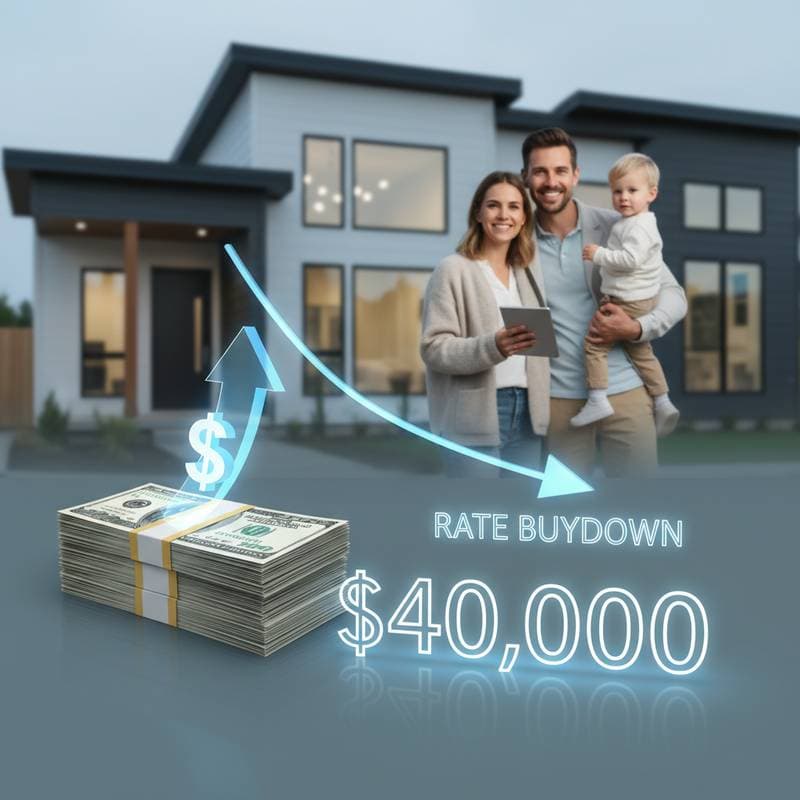
- Builders frequently fund the buydown, resulting in potential savings of up to $40,000 on a new home purchase.
- This option supports buyers as they adjust to homeownership before income stabilizes or expenses normalize.
Understanding the 2-1 Rate Buydown
A 2-1 rate buydown represents a temporary reduction in the interest rate on a mortgage loan. The lender applies a 2 percent decrease to the rate for the first year and a 1 percent decrease for the second year. After the second year, the rate returns to the original level for the remainder of the loan term.
For example, consider a 30-year fixed-rate mortgage with an interest rate of 6.5 percent. Under a 2-1 buydown, the effective rate becomes 4.5 percent in year one, 5.5 percent in year two, and 6.5 percent starting in year three. This structure eases the financial transition into homeownership, allowing time to manage relocation expenses or adapt to a new monthly budget.
Calculating Potential Savings from a 2-1 Buydown
To illustrate the impact, examine a scenario involving a $600,000 home purchase with a 20 percent down payment, resulting in a $480,000 loan at 6.5 percent interest over 30 years. The standard monthly principal and interest payment approximates $3,033.
With a 2-1 buydown:
- Year 1: The payment drops to approximately $2,426, saving about $7,308 annually.
- Year 2: The payment rises to approximately $2,726, saving about $3,732 annually.
- Year 3 onward: The payment returns to $3,033.
These adjustments yield total savings of over $11,000 in the first two years. When the builder funds the buydown, this equates to direct financial support for the buyer. For higher loan amounts, such as $800,000, savings can exceed $40,000, depending on current rates and loan terms.
Scenarios Where a 2-1 Buydown Provides Significant Value
While not suitable for every buyer, a 2-1 buydown aligns well with specific circumstances. Consider these common situations.
Qualifying with Anticipated Income Growth
If a promotion or salary increase looms on the horizon, the buydown offers a grace period to align income with mortgage obligations without immediate strain.
Purchasing New Construction Homes
Homebuilders often include buydowns in promotional packages to attract buyers. Promotions may advertise reduced rates funded by the builder, making new homes more accessible in competitive markets.
Transitioning from Renting to Ownership
The shift from rental payments to a full mortgage can challenge budgets. The initial rate reduction softens this adjustment, providing time to build equity and savings.
Preparing for Future Refinancing
Buyers who anticipate lower market rates in the coming years benefit from the short-term relief, maintaining affordability until refinancing becomes viable.
Comparing the 2-1 Buydown to Alternative Rate Reduction Options
Mortgage rate adjustments vary in structure and duration. Understanding the differences helps buyers select the best fit.
Permanent Rate Buydown
Buyers pay discount points upfront to secure a lower interest rate for the entire loan duration. This approach requires a higher initial investment but generates consistent savings over decades.
Temporary 2-1 Buydown
This provides a brief rate subsidy, typically funded by the seller or builder. The lower setup cost makes it ideal for short-term financial planning.
1-0 Buydown
A more modest option, this reduces the rate by 1 percent solely in the first year. It suits buyers needing minimal initial support without extending the benefit.
The optimal choice depends on long-term plans. For extended homeownership, a permanent buydown may prove more economical. However, for temporary relief, the 2-1 buydown balances cost and immediate advantages effectively.
Strategies to Maximize Savings from a 2-1 Buydown
The reduced payments in the early years present opportunities for proactive financial management. Direct these funds toward lasting benefits rather than incidental spending.
-
Strengthen Your Emergency Reserve: Allocate year-one savings to an emergency fund covering three to six months of expenses, preparing for maintenance or unforeseen home costs.
-
Accelerate Debt Repayment: Target high-interest debts, such as credit cards or auto loans, to reduce overall financial burdens and improve credit health.
-
Apply Extra Payments to Principal: Direct savings toward the loan principal during the low-rate period to diminish interest accrual and shorten the loan term.
-
Enhance Home Value: Invest in practical improvements, like energy-efficient appliances or curb appeal enhancements, to increase property equity.
These steps transform short-term relief into sustained wealth-building progress.
Essential Steps to Secure a 2-1 Buydown
Consult Your Lender Promptly
Initiate discussions with your lender during the pre-approval stage. Request a detailed comparison of standard payments versus buydown scenarios, including total costs and break-even points. This analysis clarifies the value and strengthens negotiations with builders.
Combine with Additional Builder Incentives
Many builders pair buydowns with closing cost credits or appliance upgrades. Review all offers to maximize overall savings, ensuring the package aligns with your budget and timeline.
Evaluate Long-Term Implications
Assess how the buydown affects qualification ratios and future refinancing options. Work with a financial advisor if needed to confirm it supports broader goals, such as retirement planning or family expansion.
Achieving Lasting Financial Benefits Through Smart Buydown Use
A well-utilized 2-1 buydown not only lowers immediate costs but also positions buyers for stronger financial footing. By leveraging the temporary savings strategically, individuals build resilience against economic shifts and accelerate paths to equity growth. This approach makes homeownership a foundational step toward long-term stability.