Fire-Resistant Hempcrete Walls Enable Carbon-Negative Construction
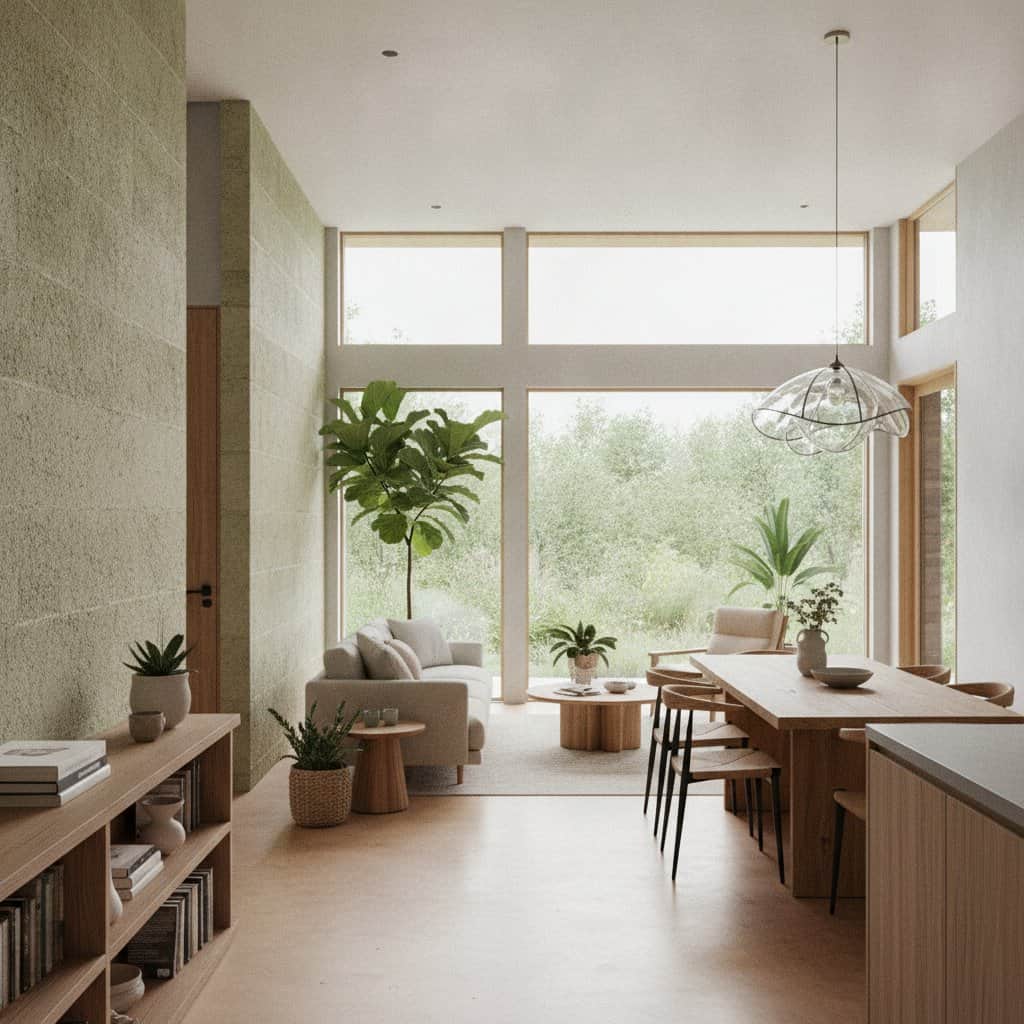
Envision entering a home where the walls provide a solid yet inviting presence, maintaining coolness and quietude even during intense heat. These surfaces offer a natural texture, free from chemical odors and excessive echoes, fostering an atmosphere of serene, breathable air. Homes constructed with hempcrete deliver this experience, combining fire resistance with the ability to sequester atmospheric carbon, positioning the material as a cornerstone of future-oriented building practices.
Challenges Posed by Traditional Building Materials
Construction and renovation projects often generate substantial waste and emissions from conventional materials. Cement production, for instance, ranks among the largest sources of global carbon emissions. While concrete offers strength and accessibility, it retains heat and prone to cracking under environmental shifts. Synthetic insulations may release toxins, and standard plasters demand frequent maintenance.
Homeowners and builders increasingly seek options that enhance livability while minimizing environmental impact. Hempcrete addresses these demands effectively, providing a viable alternative.
Composition and Properties of Hempcrete
Hempcrete consists of hemp hurds, lime, and water. Hemp hurds derive from the inner woody core of the hemp plant, which grows rapidly with minimal need for pesticides or irrigation. Mixing these hurds with lime and water forms a lightweight, permeable material that solidifies into durable walls.
This composition serves as non-structural infill within wooden or metal framing, where the frame bears loads. Upon curing, hempcrete achieves rigidity, fire resistance, and protection against mold and pests. The material actively sequesters carbon dioxide during the curing process, thereby reducing atmospheric carbon levels.
Fire Resistance in Hempcrete Walls
Testing demonstrates hempcrete's remarkable fire resistance; exposure to a blowtorch results in charring without ignition, smoking, or toxic fume release. The lime binder imparts mineral properties that inherently repel flames. This characteristic proves essential for structures in arid climates or wildfire-vulnerable zones.
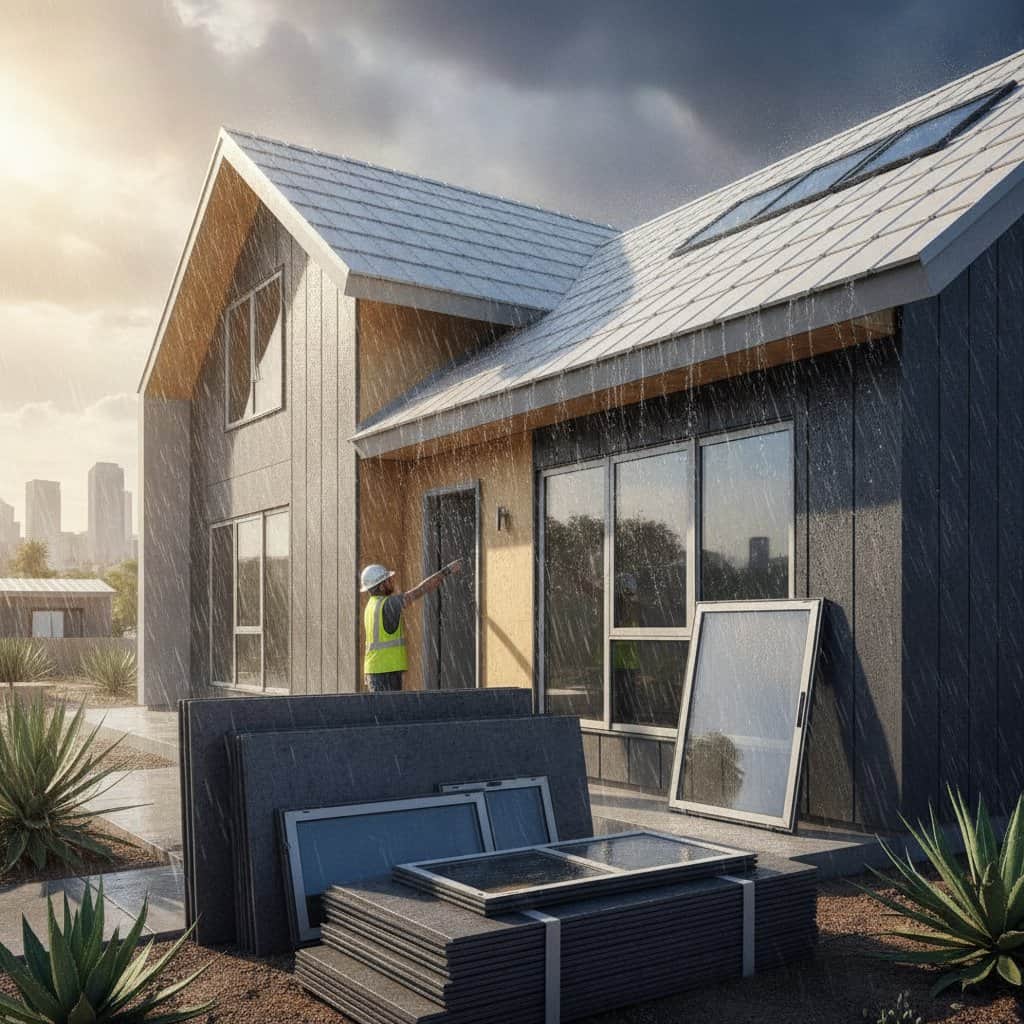
In one project, replacing timber cladding with hempcrete panels provided homeowners with enhanced security against thermal threats, contributing to overall peace of mind.
Carbon Sequestration Mechanism
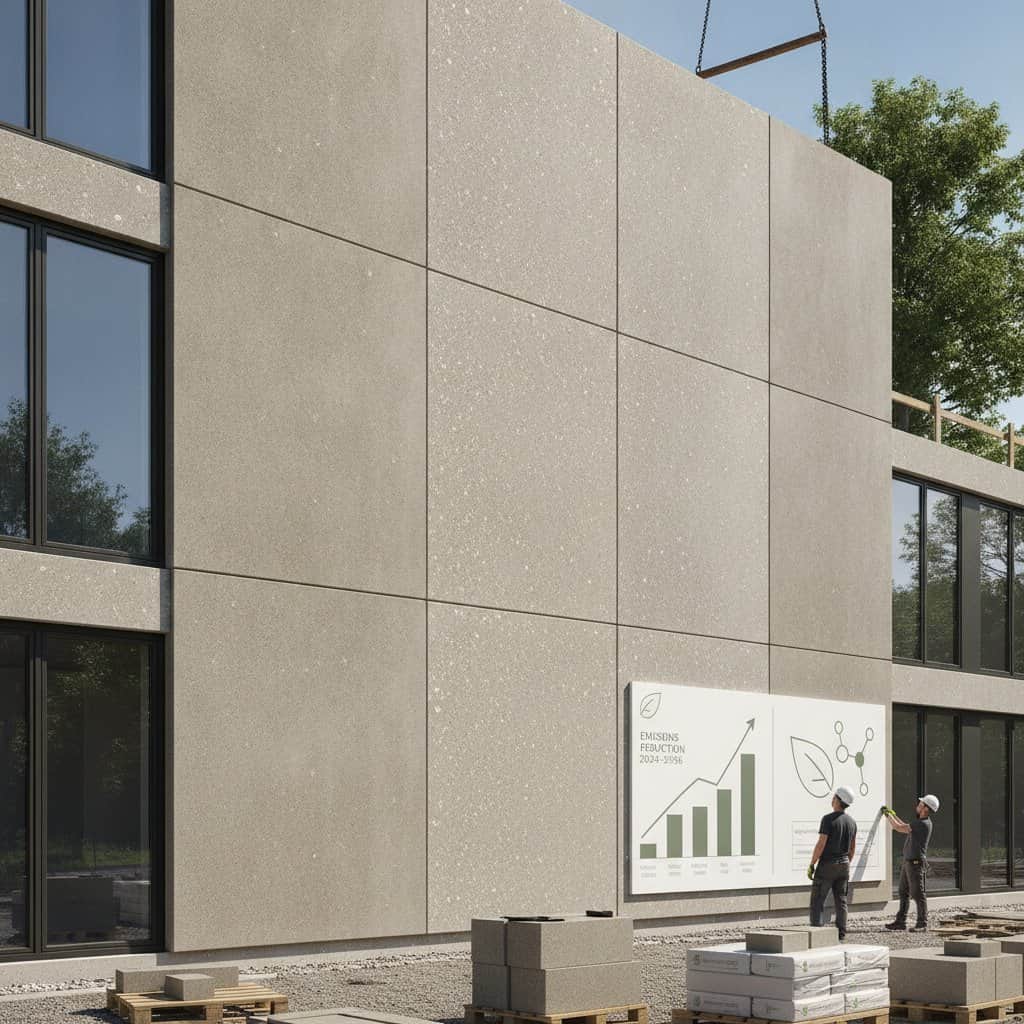
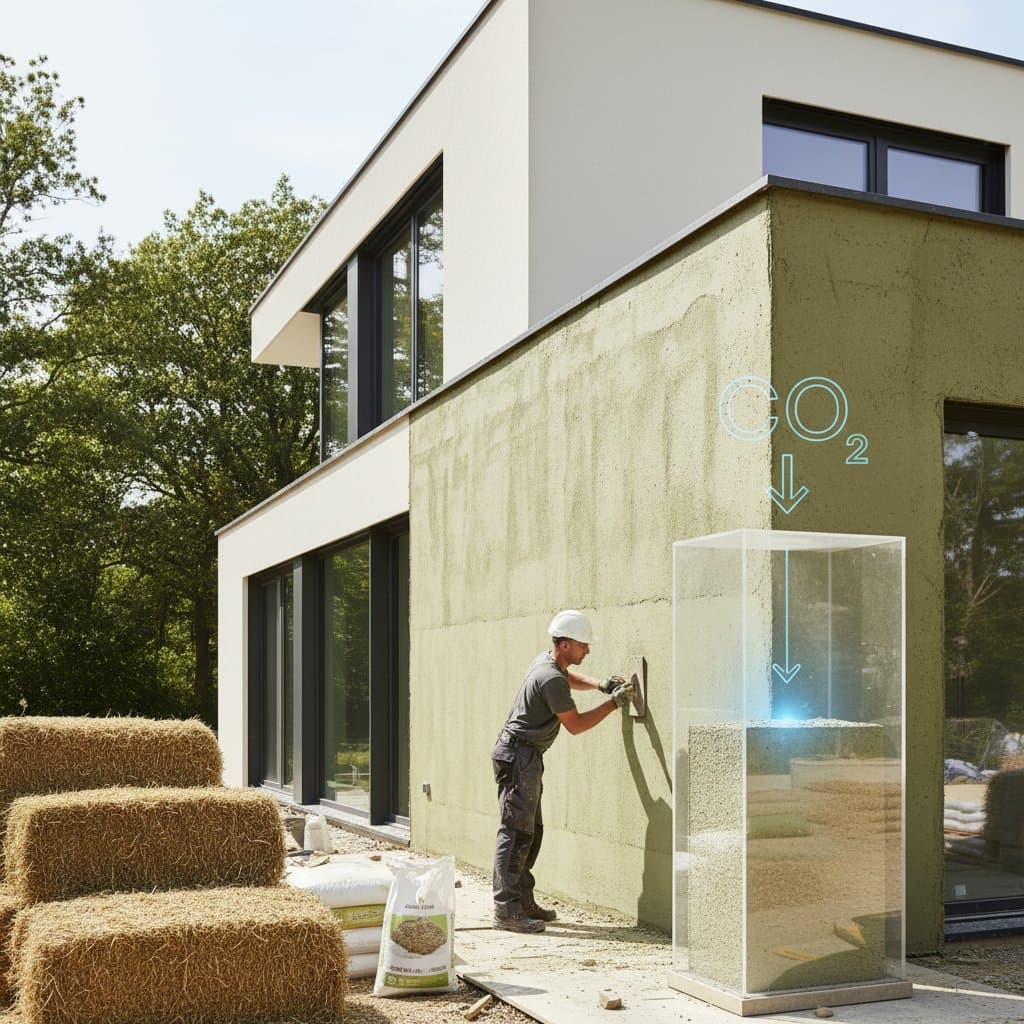
Hemp plants absorb carbon dioxide during growth, retaining it within the hurds after harvest. The subsequent reaction with lime during curing captures additional carbon. Ultimately, the embodied carbon in hempcrete walls exceeds emissions from production, rendering the material carbon-negative.
This process transforms homes into active carbon sinks, storing greenhouse gases while delivering insulation, security, and livability. Such attributes elevate hempcrete beyond sustainability into regenerative territory.
Construction Process for Hempcrete
Incorporating hempcrete requires no large-scale operations; homeowners and small contractors frequently apply it in renovations or extensions. The following steps outline the standard approach:
-
Establish the frame. Position wood or metal framing to support structural loads, as hempcrete functions as infill.
-
Mix the components. Blend hemp hurds, lime, and water in a mixer to achieve a light, moist consistency.
-
Install within formwork. Pour or compact the mixture into temporary plywood forms, ensuring even distribution without excessive compression.
-
Allow curing. Permit several weeks for drying, during which the material strengthens and continues carbon absorption.
-
Apply finishes. Coat the cured surface with lime plaster, clay render, or natural paints for protection and aesthetics. A limewash finish, for example, yields a subtle, matte appearance.
For new builds, this integrates seamlessly into timelines. In renovations, apply hempcrete as an insulating layer over existing masonry.
Advantages and Limitations of Hempcrete
Hempcrete presents clear benefits alongside practical considerations. Understanding both informs effective implementation.
Advantages:
- Inherent fire and pest resistance
- Carbon-negative properties with breathability
- Superior thermal and acoustic insulation
- Humidity regulation for improved indoor environments
- Durability with minimal upkeep
Limitations:
- Extended curing period relative to concrete
- Requirement for moisture protection during installation
- Non-structural role necessitating framing
- Potential initial cost increase in regions with scarce hemp supplies
Experienced builders value hempcrete's performance, often adopting it for subsequent projects.
Pricing and Sourcing Considerations
Hempcrete expenses vary by location, influenced by hemp hurd and lime availability. Material costs typically exceed standard insulation slightly, though energy efficiencies yield long-term savings. Labor represents the primary variable, as mixing and curing demand time; self-participation in these stages reduces expenses.
Expanding hemp agriculture introduces more suppliers. Seek regional processors or natural building outlets. Pre-mixed options and community bulk purchases further enhance affordability.
Aesthetic and Design Versatility
Hempcrete imparts a distinctive, tactile surface that blends rustic charm with contemporary elegance. Exposed finishes highlight organic qualities, while plastering achieves sleek modernity. Subtle tonal shifts emerge from lime variations and lighting conditions.
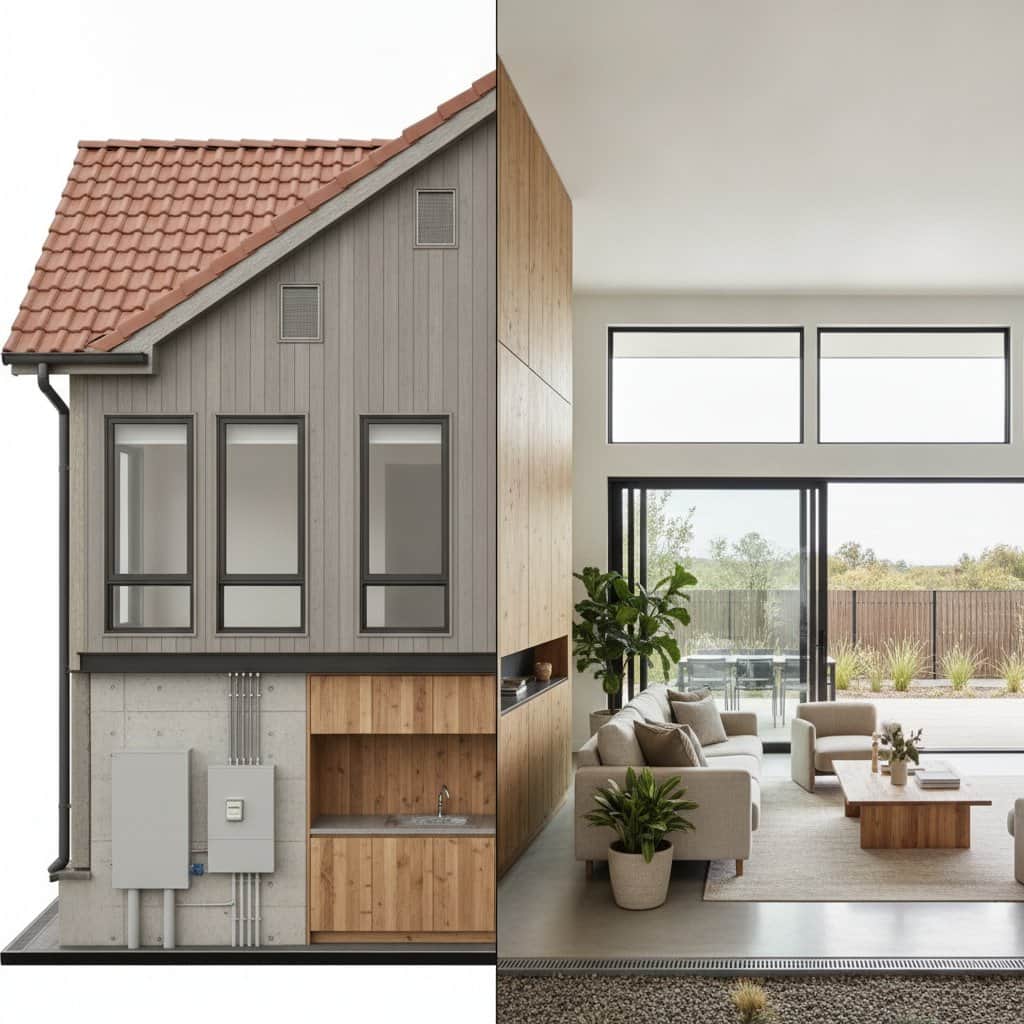
Compatible with wooden elements, stone, and fabrics, hempcrete prevents moisture buildup, averting issues like paint failure or mold. Architects incorporate it into passive designs, pairing with high-performance windows and ventilation for year-round comfort.
Enhanced Safety and Indoor Comfort
Beyond fire resistance, hempcrete remains non-toxic, avoiding volatile chemical emissions that compromise air quality. The lime component deters mold and bacteria, ensuring freshness. Post-curing inspections reveal no residual dust.
Acoustic benefits include noise absorption, creating tranquil interiors. This quality enhances sleep and relaxation spaces, delivering a subtle yet profound improvement in daily living.
Economic and Community Advantages
Hempcrete fosters local growth, as hemp cultivation suits diverse climates and generates employment in farming, processing, and construction. Sourcing locally cuts transportation emissions and bolsters regional economies.
Collaborations between processors and builders supply materials for educational facilities, housing, and public initiatives, demonstrating sustainable practices' role in community resilience.
Selecting Qualified Professionals
For newcomers, engage contractors experienced in natural materials. Inquire about past hempcrete applications, curing management, and moisture strategies. Specialized architects ensure integration with diverse architectural styles.
DIY enthusiasts benefit from workshops at natural building centers, offering practical training in mixing and application. These sessions reveal the material's rewarding nature.
Long-Term Maintenance Strategies
Installed hempcrete demands minimal care. Use permeable finishes like lime plaster to maintain breathability and avoid synthetic barriers that retain moisture. Address minor cracks with limewash applications.
Humidity control safeguards adjacent elements, reducing repair needs. The material's ongoing carbon uptake and gradual hardening enhance longevity, amplifying the value of initial investments.
Experiencing Hempcrete in Daily Life
Hempcrete integration stabilizes temperatures, purifies air, and grounds living spaces. Visitors frequently note the inherent comfort, attributing it to the material's harmonious interaction with occupants. This balance merges natural elements with modern needs, fulfilling aspirations for thoughtful, enduring homes.