Hempcrete and Mycelium: Revolutionizing Sustainable Building
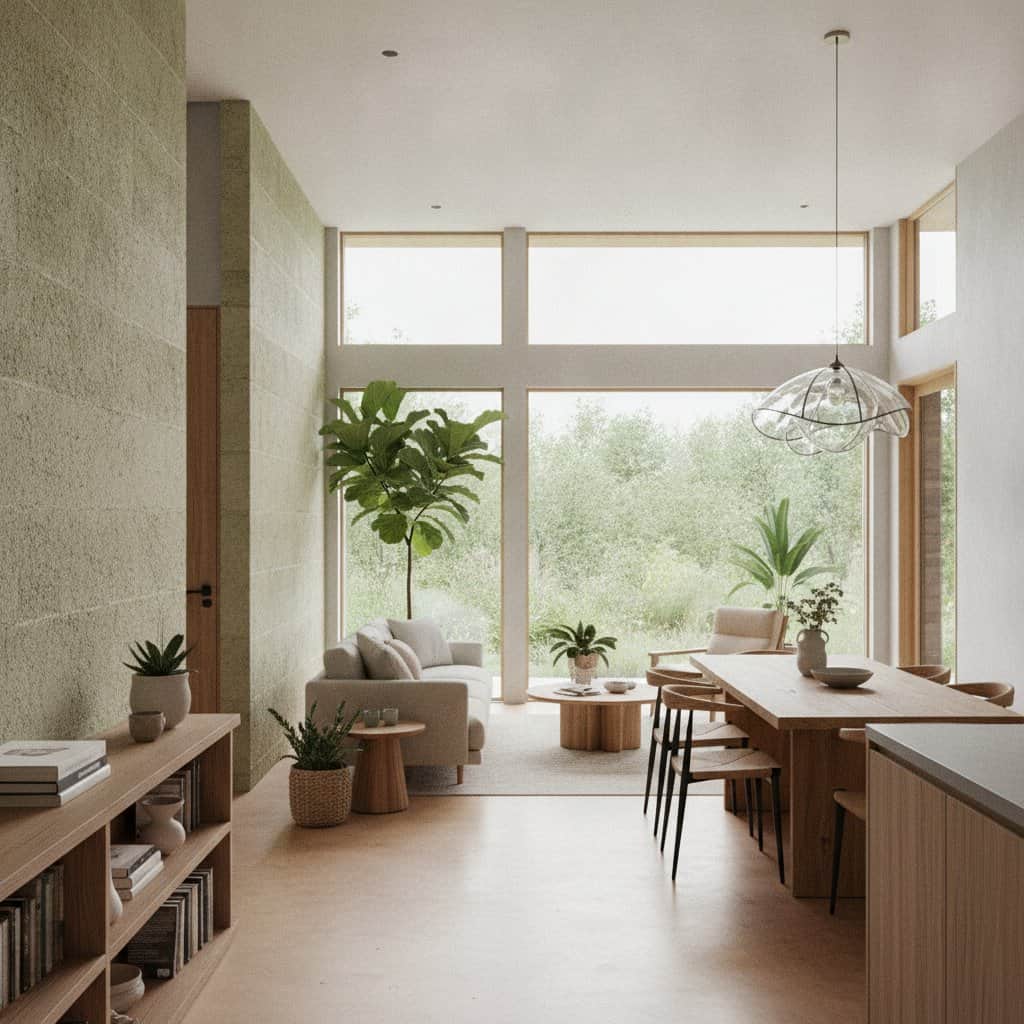
Consider the texture of a hempcrete wall in an eco-home: warm, slightly rough, reminiscent of packed earth blended with stone. Homeowners often note how such surfaces maintain natural coolness in summer and warmth in winter. This tactile experience highlights the role of innovative materials in enhancing living spaces beyond mere aesthetics.
The Shift Toward Natural Building Materials
Construction practices evolve as demands grow for structures that regulate indoor environments and decompose harmlessly at the end of their lifecycle. Hempcrete and mycelium emerge as frontrunners in this movement. These renewable options minimize waste and integrate seamlessly with natural surroundings.
Hempcrete consists of the hemp plant's woody core combined with lime and water, forming a lightweight material ideal for walls. Mycelium, the fungal root network, develops into sturdy, foam-like blocks from agricultural byproducts. Both restore vitality to architecture by linking built forms to the natural world.
Key Properties of Hempcrete
Hempcrete walls provide a firm yet yielding surface that allows moisture to pass through, preventing buildup and associated issues like mold. This breathability supports healthy indoor air quality and stable humidity levels.
The material molds easily during application and cures gradually, permitting precise adjustments and integration with structural elements such as wooden frames. Its superior insulation properties decrease reliance on mechanical heating and cooling systems. The inherent off-white hue and sandy finish pair well with neutral palettes, including sage, terracotta, or light wood tones.
Design Recommendation: Pair hempcrete with breathable finishes like limewash or clay plaster to preserve its moisture-regulating capabilities.
The Unique Advantages of Mycelium
Mycelium transforms waste materials, such as straw or wood scraps, into lightweight panels through controlled growth processes. After drying, these panels resist fire and break down naturally without environmental harm.
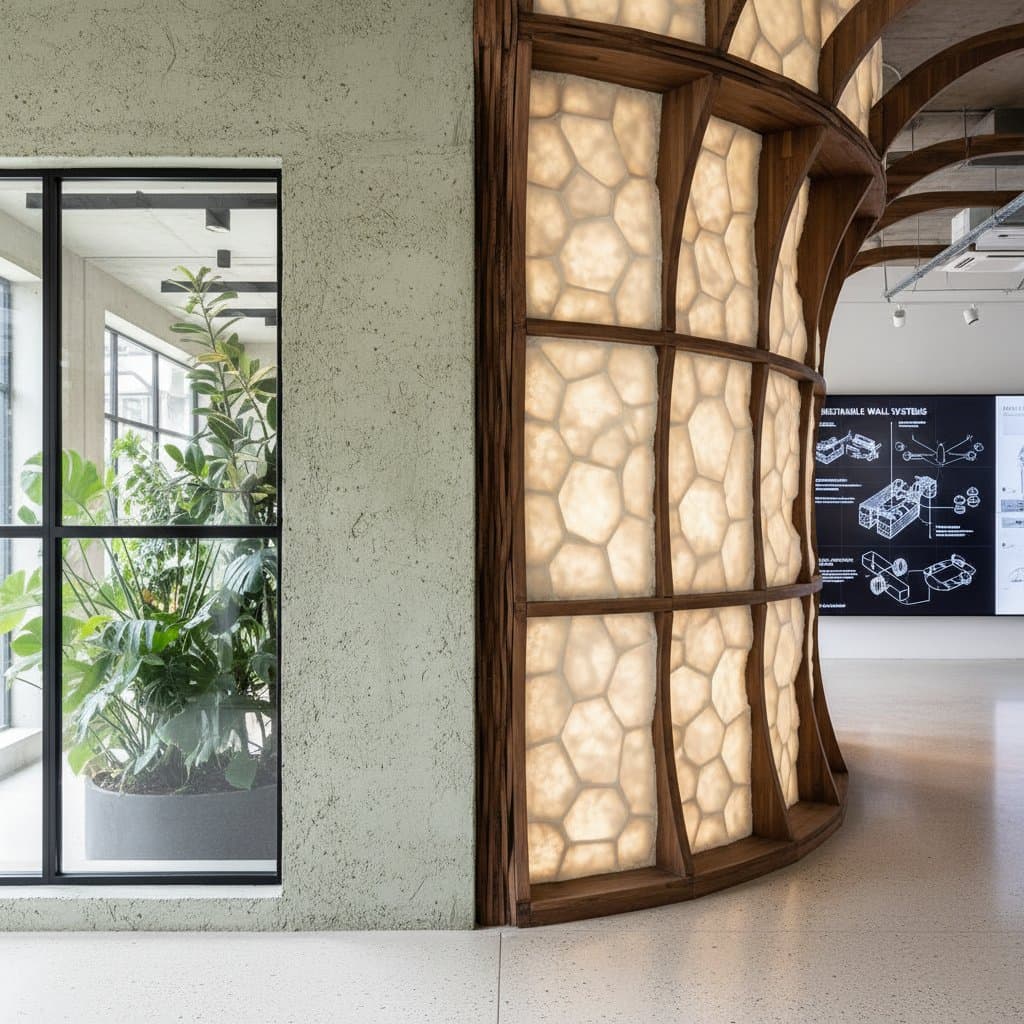
Visually, mycelium resembles compressed cork or soft leather, lending an organic feel to applications like wall coverings, sound-absorbing panels, or custom furnishings. Envision mycelium-formed lighting fixtures diffusing gentle illumination, fostering a serene atmosphere.
Practical Insight: While mycelium requires controlled environments for cultivation, commercial producers offer pre-fabricated panels that install similarly to conventional insulation materials.
Hempcrete Versus Mycelium: A Side-by-Side Analysis
These materials disrupt reliance on resource-intensive concrete, offering distinct strengths for sustainable projects.
- Hempcrete suits load-bearing walls and primary insulation, delivering thermal stability and extended durability.
- Mycelium excels in non-structural uses, such as interior partitions, accents, or portable items, with rapid production and unique aesthetic appeal.
In a holistic building approach, hempcrete provides foundational support, while mycelium enhances sensory elements. Their combination yields spaces that harmonize function with environmental consciousness.
Implementation Considerations
Sourcing depends on regional factors: hemp thrives in agricultural areas, facilitating hempcrete access, whereas mycelium often requires specialized manufacturers due to its emerging status. Engage contractors experienced in bio-based construction to optimize performance.
Upkeep remains straightforward. Hempcrete endures for generations under routine maintenance, and mycelium components renew through composting. Free from volatile compounds or persistent pollutants, both promote safety in occupied environments.
Initial expenses may exceed traditional options, yet long-term energy savings and reduced repair needs offset costs. For instance, hempcrete's insulation can lower utility bills by up to 30 percent in temperate climates.
Integrating Natural Materials for Enhanced Living
Structures incorporating hempcrete and mycelium transform perceptions of comfort through responsive environments and purified air. Daily light interactions with their surfaces reveal subtle shifts in ambiance.
From new constructions to targeted renovations, these materials gain prominence in forward-thinking designs. They demonstrate that eco-conscious building prioritizes sensory well-being and ecological harmony.