Understanding Hurricane-Resistant Home Upgrades
Picture yourself inside your home during a fierce storm. Rain lashes against the windows, and winds howl outside, yet your interior remains secure and undisturbed. Shutters withstand the gusts, and the roof stays firmly in place. This sense of security stems from intentional upgrades using hurricane-resistant materials. The transformation in comfort and assurance becomes evident once implemented. Moreover, these enhancements often lead to noticeable reductions in insurance premiums, a benefit that many homeowners discover unexpectedly.
Hurricane-resistant upgrades extend beyond immediate protection for your family. They also influence long-term financial outcomes by lowering insurance costs. Over time, the initial investment in these improvements can yield returns through decreased premiums and increased property resilience.
How Insurance Companies Evaluate Risk
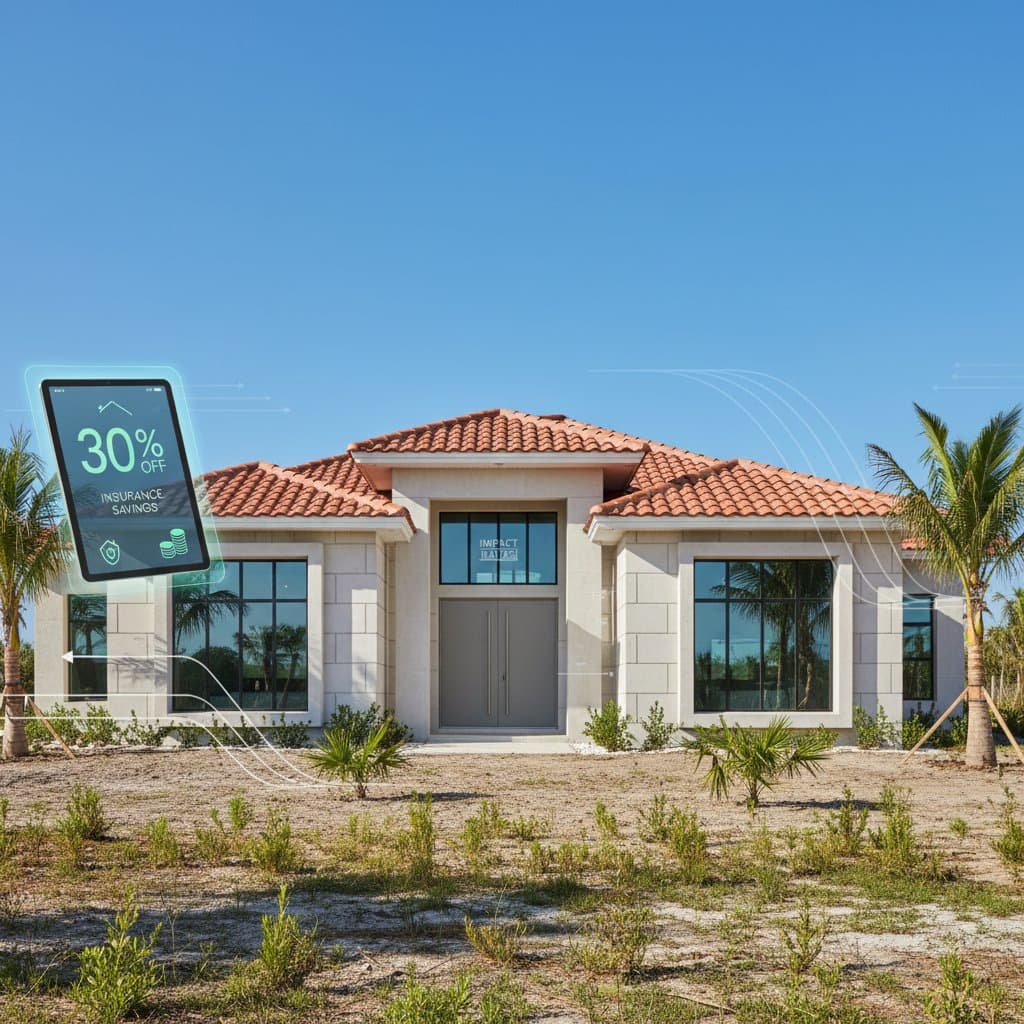
Insurance providers assess a home's vulnerability to storm damage when determining premium rates. Features that minimize potential losses encourage insurers to offer discounts. These reductions vary based on the scope and certification of upgrades, often ranging from 10 percent to 30 percent.
Insurers typically evaluate several key areas:
- Roof configuration and durability. Hip roofs, with slopes on all four sides, resist wind uplift better than gable designs. Reinforced roofing materials, such as asphalt shingles with sealed underlayment, further enhance performance.
- Window and door fortifications. Impact-resistant glazing or code-approved shutters maintain structural integrity by preventing pressure buildup that could damage interiors.
- Garage door reinforcements. Standard garage doors often fail first in high winds; bracing kits or wind-rated models protect the entire home from debris impact.
- Structural connections. Hurricane straps or clips secure the roof to wall framing, countering uplift forces that might otherwise separate components.
Combining multiple upgrades maximizes discounts. For instance, a certified roof overhaul paired with impact windows can qualify for comprehensive credits in hurricane-prone regions.
Estimating Costs and Savings
The expenses for hurricane-resistant upgrades depend on home size, location, and material choices. Basic reinforcements, like installing shutters, might cost $2,000 to $5,000 and yield 5 to 15 percent premium reductions. More extensive projects, such as roof retrofitting with metal clips, range from $8,000 to $15,000 and often result in 20 to 30 percent savings.
Consider these categories:
- Entry-level modifications. Add storm shutters or garage door braces for quick, affordable protection with immediate insurance benefits.
- Intermediate enhancements. Install secondary water barriers under roofing or seal attic vents to prevent moisture intrusion, balancing cost with substantial risk reduction.
- Comprehensive overhauls. Opt for full impact window replacements or engineered truss reinforcements for optimal durability and the highest discount eligibility.
Contact your insurer to identify applicable credits. Many states mandate or incentivize professional inspections through programs like Florida's My Safe Florida Home initiative. A qualified engineer or contractor submits documentation, prompting premium adjustments upon approval.
Integrating Strength with Aesthetic Appeal
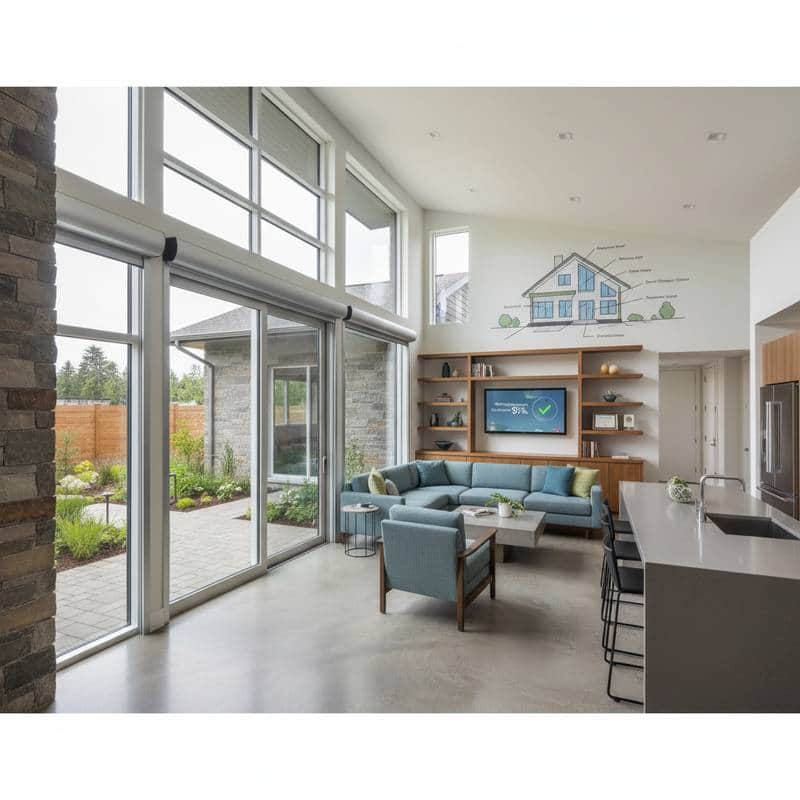
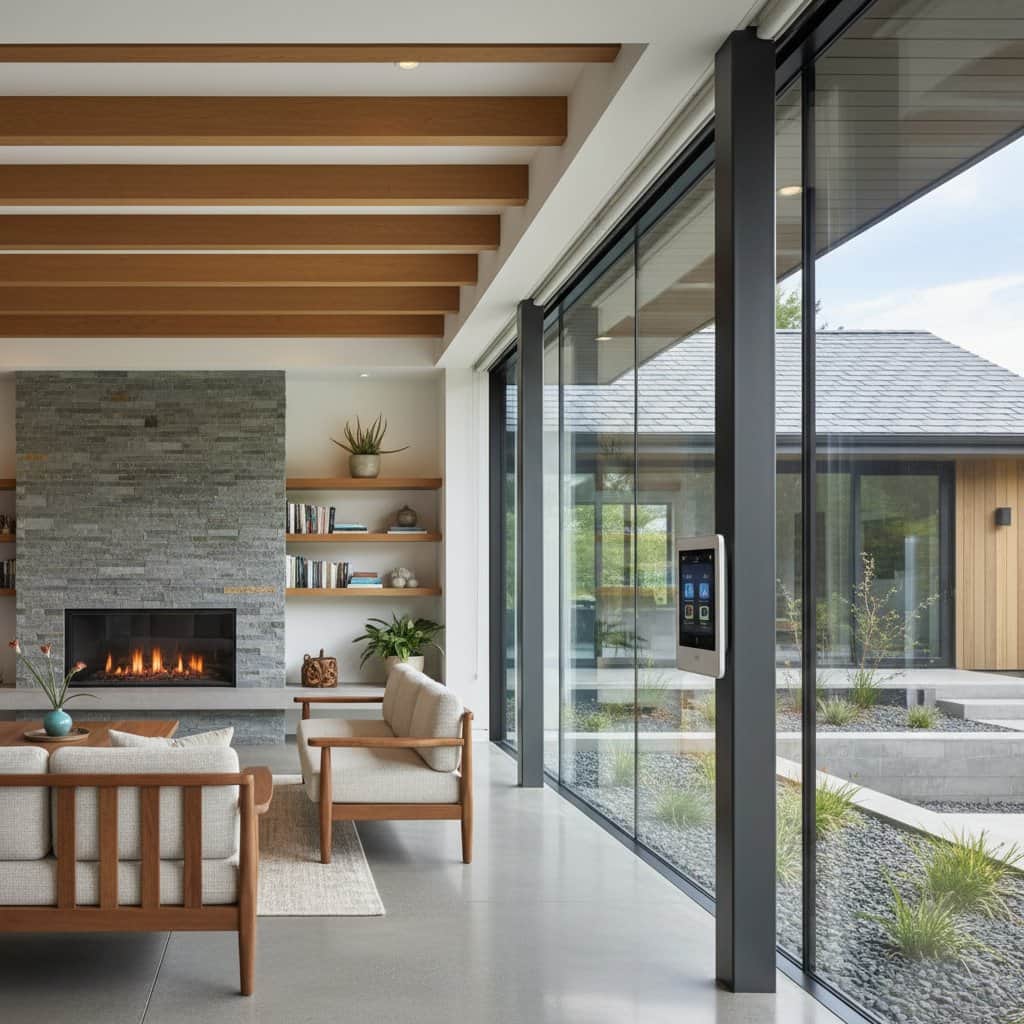
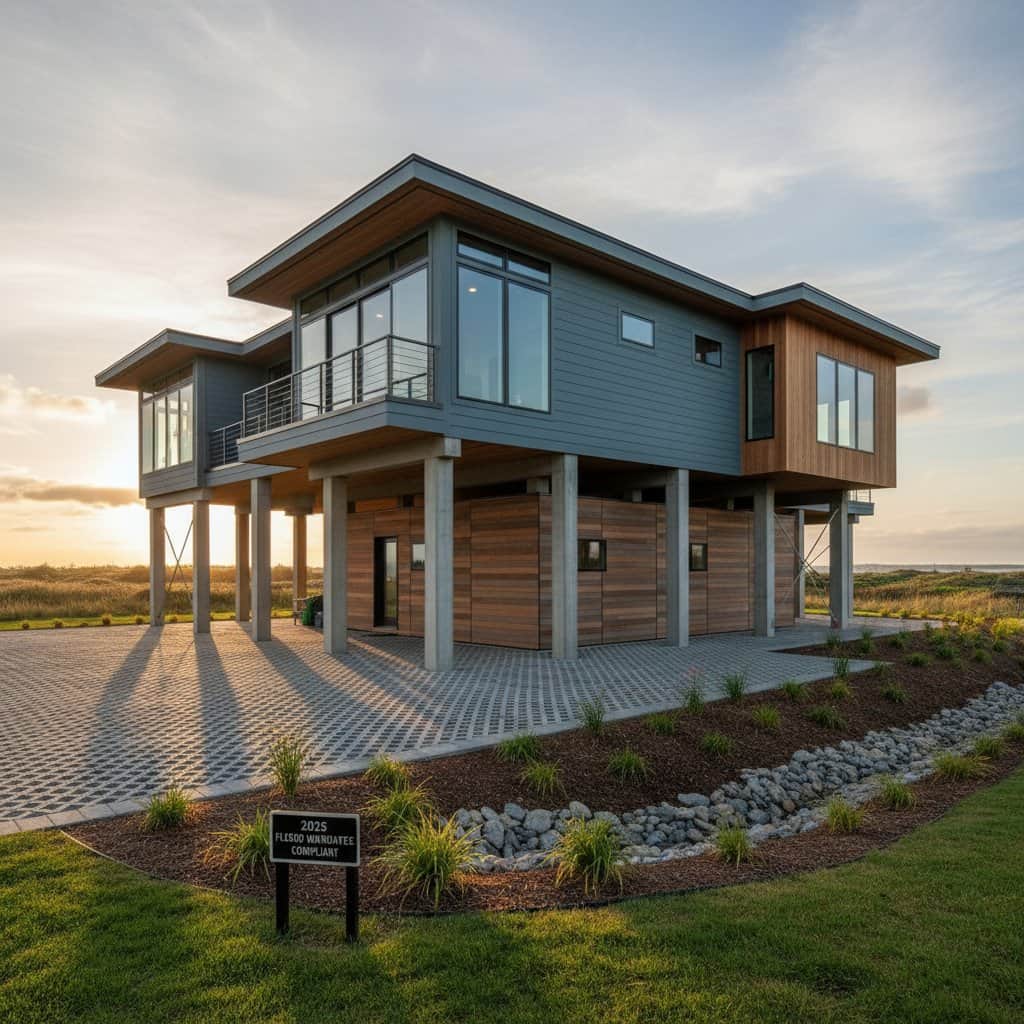
Hurricane-resistant features need not compromise visual harmony. Contemporary materials combine robustness with elegant design. Impact-resistant windows feature slim aluminum or vinyl frames in neutral tones that complement various architectural styles. Reinforced garage doors mimic traditional wood grains or incorporate glass panels for natural light.
Metal roofing options, such as standing-seam panels in earthy hues, provide superior wind resistance while enhancing curb appeal. These choices reflect sunlight, reducing cooling costs in warm climates. Select upgrades that align with your home's existing palette and proportions to maintain cohesive exteriors.
Essential Maintenance Practices
Sustained effectiveness of upgrades requires regular care. Conduct seasonal inspections of roof edges and flashing for cracks or loose fasteners. Clear gutters and downspouts to facilitate proper drainage and avoid water pooling that erodes protective layers.
For impact windows, apply a gentle cleaner and microfiber cloth to preserve the laminated glass integrity. Examine garage door tracks and springs biannually, tightening connections as needed to uphold wind ratings.
Annual professional assessments ensure compliance with insurance requirements. Maintain records of inspections and repairs to streamline discount renewals and extend the lifespan of your investments.
Steps to Implement Upgrades
Embarking on hurricane-resistant modifications begins with informed planning. Start by consulting your insurance agent to review available discounts and regional incentives. Arrange a structural assessment from a licensed inspector to pinpoint vulnerabilities, such as outdated roofing or unsecured eaves.
Prioritize high-impact areas based on your budget and storm risks. For example, reinforce the garage door and install shutters in the first phase, followed by roof attachments and window upgrades. Phased approaches allow gradual progress without overwhelming finances.
Ultimately, these enhancements deliver multifaceted advantages. Your home gains resilience against severe weather, property values appreciate with documented improvements, and insurance expenses decrease. This strategic preparation fosters confidence, enabling focus on enjoyment rather than worry during storm seasons.