Hempcrete and Mycelium: Leading the Shift from Concrete
Imagine entering a home where the air remains fresh and the walls regulate humidity naturally. This experience arises from innovative materials like hempcrete and mycelium, which surpass traditional concrete in environmental benefits and comfort. These bio-based alternatives provide builders with options that enhance durability while minimizing ecological harm.
The Environmental Burden of Traditional Concrete
Concrete forms the backbone of modern infrastructure, yet its production generates substantial carbon emissions. Cement manufacturing alone accounts for approximately eight percent of global CO2 output. This process not only depletes resources but also contributes to climate change through relentless emissions.
Homeowners and architects seek viable substitutes to reduce this impact. Hempcrete, derived from the hemp plant, and mycelium, grown from fungal networks, emerge as promising solutions. They integrate seamlessly into construction practices while promoting sustainability.
Understanding Hempcrete
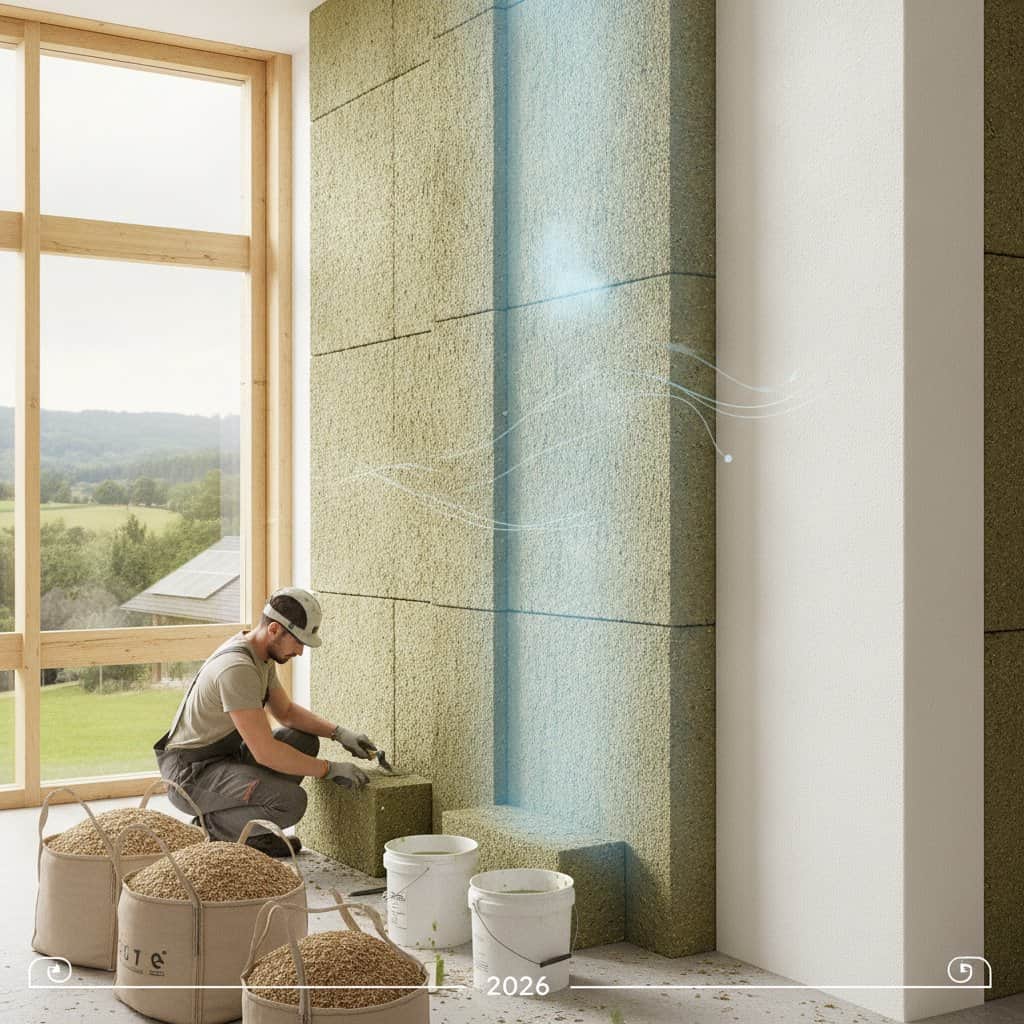
Hempcrete consists of hemp hurds, lime binder, and water, creating a lightweight composite ideal for insulation. It fills spaces within timber or steel frames, offering thermal resistance without bearing structural loads. The material cures through carbonation, absorbing CO2 from the atmosphere to strengthen over time.
This process sequesters carbon, making hempcrete a net-positive contributor to environmental health. Builders apply it in walls, roofs, and floors, where its breathable nature prevents moisture accumulation and mold growth. The result yields interiors that maintain stable temperatures year-round.
Exploring Mycelium Materials
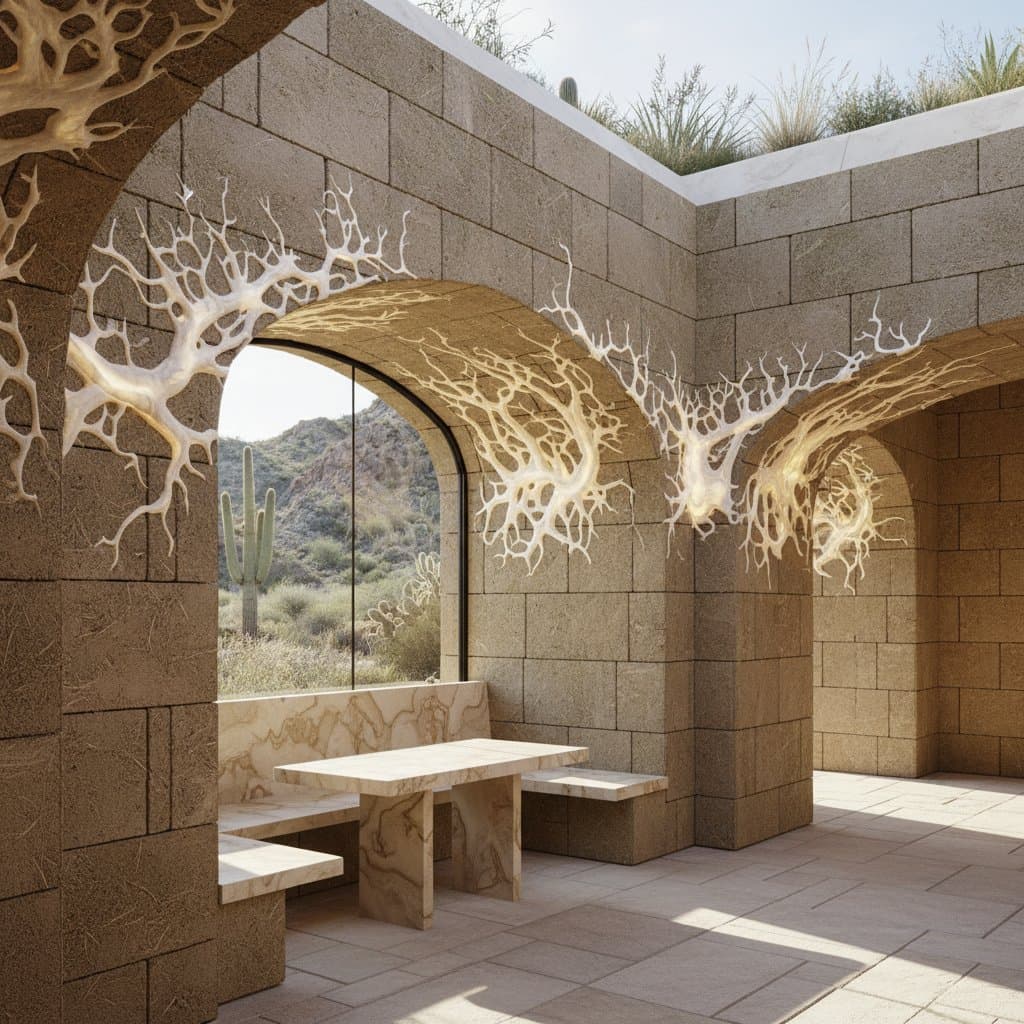
Mycelium develops from fungal mycelium threads that bind agricultural byproducts such as straw or wood chips. In controlled settings, the fungus colonizes the substrate over days, forming a solid mass. Heat treatment halts growth, producing rigid panels or blocks with properties akin to foam or cork.
These components enable versatile applications, from insulation layers to acoustic barriers. Mycelium composites store carbon inherent in their organic base, offsetting emissions during use. Their moldability allows for custom designs that adapt to unique architectural needs.
Key Advantages Driving Adoption
Both materials address critical demands in sustainable building. They prioritize low embodied energy, with production requiring minimal fossil fuels. Hempcrete and mycelium enhance indoor environments by avoiding volatile organic compounds found in synthetic insulators.
Consider these primary benefits:
- Carbon Sequestration: Hemp plants capture CO2 during growth, while mycelium incorporates it into durable structures.
- Improved Indoor Health: Breathable properties ensure optimal humidity levels and reduce allergens.
- Superior Insulation: High thermal and acoustic performance lowers energy needs for heating and cooling.
- Natural Aesthetics: Textures evoke organic warmth, complementing minimalist or rustic designs.
Implementing Hempcrete in Construction
Incorporate hempcrete by first establishing a structural frame. The mixture of hemp hurds, hydraulic lime, and water pours into formwork, similar to casting lightweight concrete. Workers tamp the blend to eliminate air pockets and ensure uniformity.
Curing occurs over several weeks, during which the lime reacts with airborne CO2 to form calcium carbonate. This natural hardening process enhances compressive strength up to 1 MPa. For finishes, apply lime-based renders that maintain vapor permeability.
Precast hempcrete blocks simplify installation for smaller projects. These units interlock like bricks, reducing on-site labor. Testing reveals that properly installed hempcrete withstands freeze-thaw cycles effectively in temperate climates.
Applying Mycelium in Builds
Mycelium production begins with inoculating substrates in sterile environments. Growth takes five to seven days at temperatures around 25 degrees Celsius. Post-growth, baking at 80 degrees Celsius for four hours stabilizes the material without chemicals.
Install mycelium panels by securing them to frames with mechanical fasteners. They suit non-load-bearing walls, ceilings, and partitions. For enhanced durability, coat surfaces with natural sealants like beeswax to resist abrasion.
Larger applications combine mycelium with reinforcements like bamboo. This hybrid approach supports semi-structural elements, such as curved facades. Research indicates mycelium composites achieve densities of 100-200 kg/m³, balancing lightness and strength.
Evaluating Costs and Sourcing
Initial costs for hempcrete range from $10 to $20 per square foot, depending on regional hemp availability. Labor constitutes 40 percent of expenses due to manual mixing and placement. Long-term savings accrue from reduced energy bills, often recouping premiums within five years.
Mycelium panels cost $15 to $30 per square foot in prototype markets. Economies of scale will lower prices as production expands. Source materials from certified suppliers who verify fungal purity and substrate sustainability.
Local hemp farms provide hurds at bulk rates, while mycelium labs offer kits for on-site cultivation. Collaborate with green building consultants to optimize budgets. Grants for eco-projects may offset upfront investments.
Ensuring Longevity and Maintenance
Hempcrete demonstrates resilience against pests, as lime deters insects and rodents. Annual inspections focus on plaster integrity, with minor repointing as needed. Its fire resistance rating reaches Class A1, exceeding many conventional insulations.
Mycelium requires shielding from prolonged moisture, though treated versions endure 90 percent relative humidity. Clean surfaces with soft brushes and non-abrasive cleaners. Lifecycle assessments show both materials biodegrade safely at end-of-life.
Pair these with compatible systems, such as radiant barriers or green roofs, to maximize performance. Regular ventilation preserves their benefits in occupied spaces.
Enhancing Safety and User Experience
Fire safety standards classify treated hempcrete and mycelium as low-flammability. Both absorb sound effectively, reducing noise transmission by up to 40 decibels. This suits urban dwellings or open-plan offices.
For accessibility, integrate with non-slip flooring like linoleum. Ergonomic designs benefit from the materials' warmth underfoot. Health certifications confirm low emissions, supporting occupant well-being.
Integrating Design and Functionality
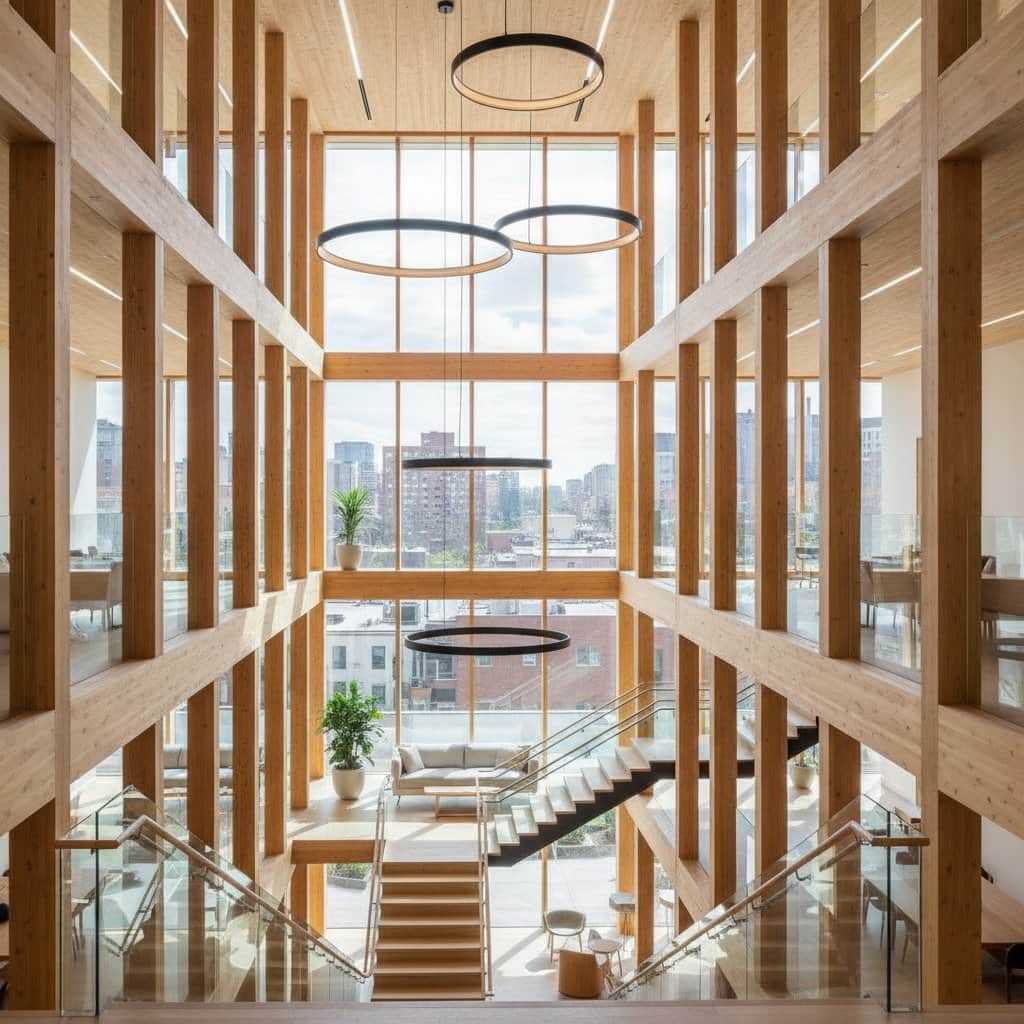
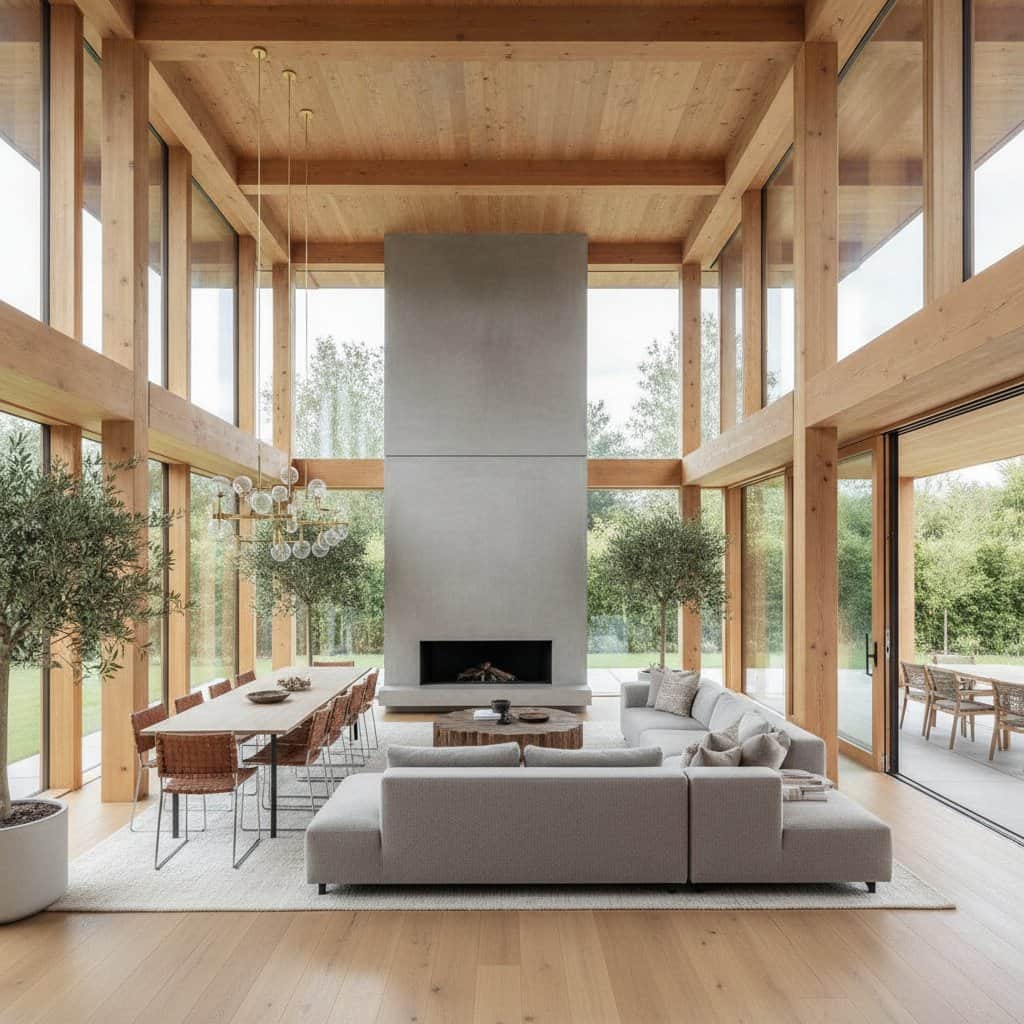
Hempcrete's earthy tones harmonize with wood accents and neutral palettes. Sculpt mycelium into organic shapes for focal features, like undulating screens. These elements foster biophilic connections, boosting mood and productivity.
Lighting enhances textures: diffused LEDs highlight subtle grains. Sustainable pairings include recycled metal fixtures. The overall effect creates spaces that feel resilient and inviting.
Advancing Your Sustainable Build
Begin with pilot applications, such as hempcrete infill in a garage wall. Experiment with mycelium for soundproofing a home theater. Consult certified installers to navigate codes and permits.
Request material samples to assess tactile qualities. Track performance metrics like energy use post-installation. As adoption grows, these materials will define resilient architecture, delivering enduring value through innovation and care.