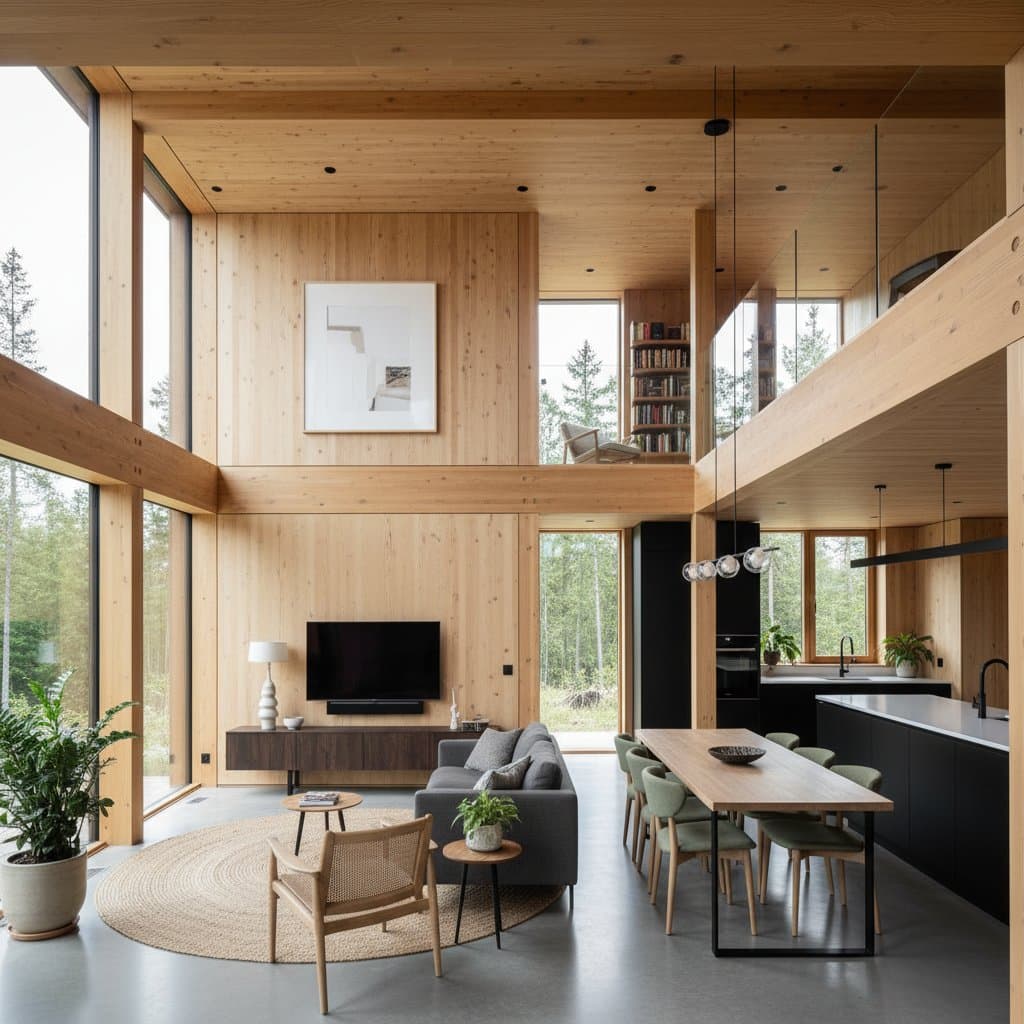
Mass Timber: The Rapid Rise in 2025 Home Construction
A small cabin nestled into a coastal hillside captures attention with its warm, honey-toned timber walls that absorb the late afternoon sunlight. The subtle scent of pine resin lingers in the air, evoking a sense of innovation blended with enduring tradition. This encounter highlights mass timber's transformative role in contemporary residential building.
Defining Mass Timber's Unique Qualities
Mass timber differs from conventional wood framing by employing large-scale, engineered wood products like cross-laminated timber (CLT). These panels consist of layers of lumber glued and compressed under pressure to create robust elements for walls, floors, and roofs. Such construction rivals the performance of steel or concrete in residential applications while offering inherent warmth.
The material balances exceptional load-bearing capacity with a tactile, organic presence. Structural integrity meets the visual and sensory comfort of natural wood grain. Within these homes, spaces foster a connection to the environment, where walls contribute to improved acoustics and a serene ambiance.
Reasons for Mass Timber's Growing Prominence
Professionals in construction, design, and homeownership recognize mass timber for its aesthetic and ethical advantages. Sourced from renewable forests, it sequesters carbon throughout its lifecycle, contrasting with high-emission alternatives. Prefabrication in controlled factory settings minimizes on-site waste and accelerates timelines.
Efficiency extends to logistics, with fewer material deliveries and reduced disruption. This method aligns with a broader preference for authentic, grounded living environments over stark, industrialized designs. Complementary palettes of earthy hues enhance the wood's inherent patterns, creating cohesive, tranquil interiors across modern or rustic aesthetics.
Transforming the Construction Timeline
Traditional building processes often involve extended durations and significant mess. Mass timber introduces a streamlined alternative, where prefabricated panels arrive ready for assembly, resembling an efficient, large-scale modular system. Structures emerge swiftly, frequently completing frameworks in days rather than weeks.
These efficiencies influence broader project dynamics. Shorter exposure to elements cuts risks, while optimized labor reduces expenses. Cleaner, quieter sites benefit surrounding communities, proving valuable for individual families or large-scale developers alike.
The Living Experience in Mass Timber Residences
Entering a mass timber home reveals an immediate sense of vitality. Natural light dances across wood surfaces, promoting a fresh indoor climate. Thermal properties ensure comfort, retaining heat in colder months and moderating temperatures during warmer seasons through humidity regulation.
Exposed timber often serves as a focal design element, obviating the need for additional finishes like drywall. Pair it with natural fibers, artisanal ceramics, and subdued metallic accents to amplify the organic theme. Research associates wood-rich environments with enhanced well-being and reduced anxiety, making these homes dynamic companions that mature alongside their occupants.
Evaluating Suitability for Specific Projects
Mass timber accommodates diverse architectural visions, from expansive, open-plan layouts to classic configurations. It appeals to those prioritizing eco-conscious choices and materials that develop patina over time. Consider these factors to determine alignment with your goals.
- Initial Investment: Upfront costs may exceed basic framing, yet savings from expedited schedules and energy efficiency often offset this.
- Environmental Adaptation: Tailor designs to regional conditions, emphasizing effective moisture barriers and ventilation.
- Customization Constraints: Prefabrication demands early finalization of specifications, limiting mid-process alterations.
- Ongoing Upkeep: Apply periodic treatments like sealants to maintain appearance and longevity.
Exploring Expansive Design Opportunities
Mass timber's adaptability inspires innovative applications. Architects craft dramatic features such as cantilevered stairways from solid wood slabs or soaring ceilings exposing load-bearing members. Compact dwellings gain proportion and coziness through strategic panel integration.
Integrate with contrasting elements for added dimension: sleek concrete bases, minimalist metal frameworks, or limewashed plaster finishes. These pairings elevate spatial interest without overwhelming the wood's prominence.
For interior styling, incorporate breathable textiles in neutral tones alongside potted plants and handcrafted accessories. Such selections reinforce the material's authenticity, fostering spaces that feel curated yet effortless.
Cultivating a Lasting Connection
Mass timber residences evolve beyond static shelters into interactive environments. Wood tones enrich with age, grains accentuate through daily use, and the structure acquires a distinctive character. This progression underscores a commitment to thoughtful, enduring design.
Steps to Pursue Mass Timber Construction
To initiate a mass timber project, consult certified builders specializing in CLT systems. Schedule site visits to existing installations for firsthand insight into performance and feel.
Visualize integration into your context: envision timber-clad kitchens in light birch, beam-supported gathering areas, or compact retreats infused with aromatic cedar. This approach prioritizes not only resilience but also emotional resonance in daily life. As industry advancements continue, mass timber promises broader accessibility and refined outcomes for discerning homeowners.