Hempcrete and Mycelium: Sustainable Materials Transform Construction
A small block of hempcrete caught my attention at a recent design fair. Its pale, porous surface resembled dried bread, yet it promised superior insulation to traditional concrete while allowing interiors to breathe. This encounter sparked an exploration into hempcrete and mycelium, two innovative materials that integrate natural elements into modern building practices.
These substances offer a reduced environmental impact compared to conventional options. Hempcrete derives from the hemp plant's inner core, mixed with lime and water, creating a lightweight, carbon-sequestering block. Mycelium, the fungal root network, grows on agricultural waste, forming biodegradable composites. Both materials support healthier living spaces and align with sustainable design principles.
Understanding Mycelium's Role
Mycelium functions as the vegetative part of fungi, consisting of thread-like hyphae that bind substrates like sawdust or agricultural residues. During production, this network expands within molds over several days, then dries or heats to halt growth, yielding rigid yet lightweight forms. The resulting material exhibits fire resistance, insulation properties, and full biodegradability at the end of its life cycle.
Applications extend beyond construction to include packaging and interior elements. For instance, mycelium composites serve as acoustic panels that absorb sound waves effectively, reducing noise in open-plan homes. Their organic texture and neutral scent enhance the sensory experience of built environments, bridging biological processes with architectural innovation.
Integrating Hempcrete and Mycelium into Projects
Incorporating these materials requires strategic placement to maximize benefits. Begin by assessing your project's structural needs; hempcrete suits non-load-bearing walls due to its compressive strength of around 1-3 MPa, far below concrete's but adequate for infill panels.
Consider these practical implementations:
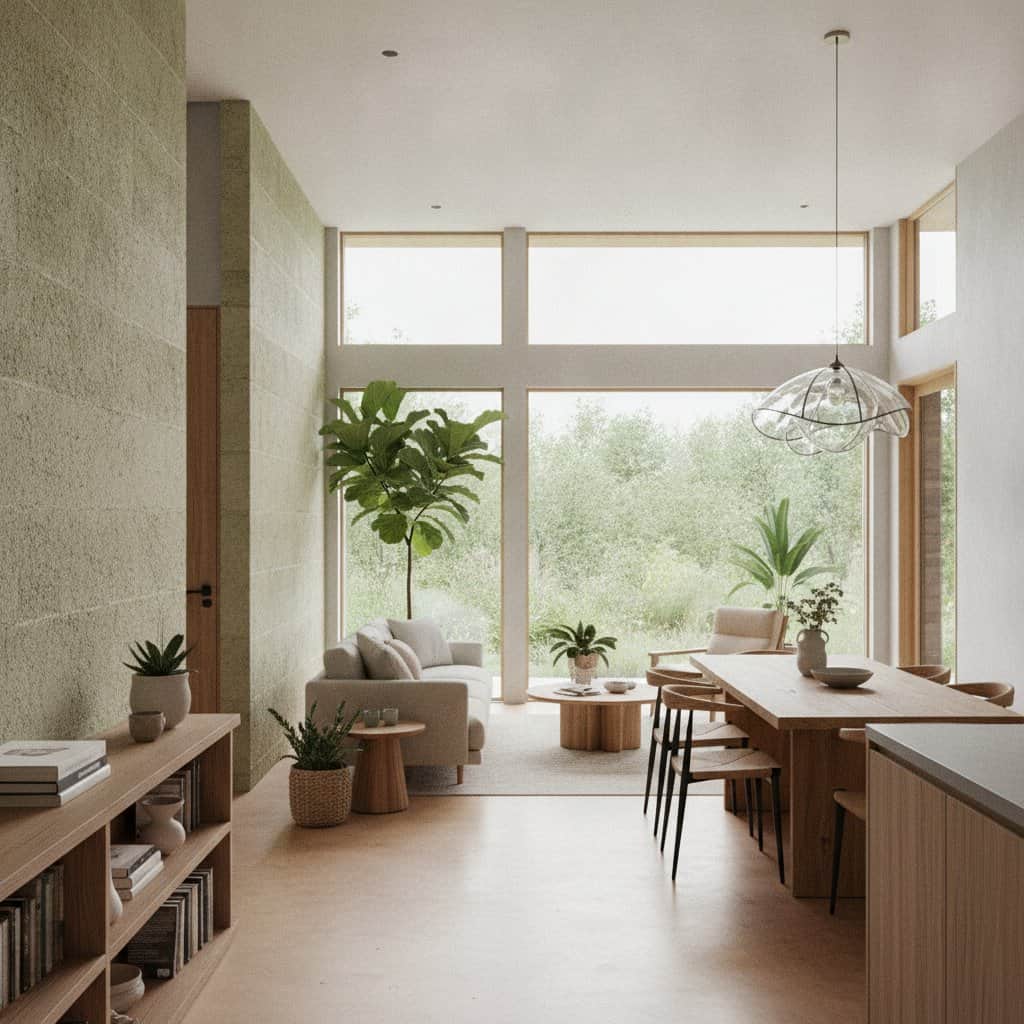
- Interior feature walls: Install hempcrete blocks for a textured surface that regulates humidity, maintaining indoor moisture levels between 40-60 percent naturally.
- Thermal insulation: Use mycelium boards in walls or roofs; their R-value, typically 2-3 per inch, provides efficient heat retention without synthetic chemicals.
- Custom furnishings: Source mycelium-based tables or shelving units, which weigh up to 50 percent less than wood equivalents and decompose in soil within months.
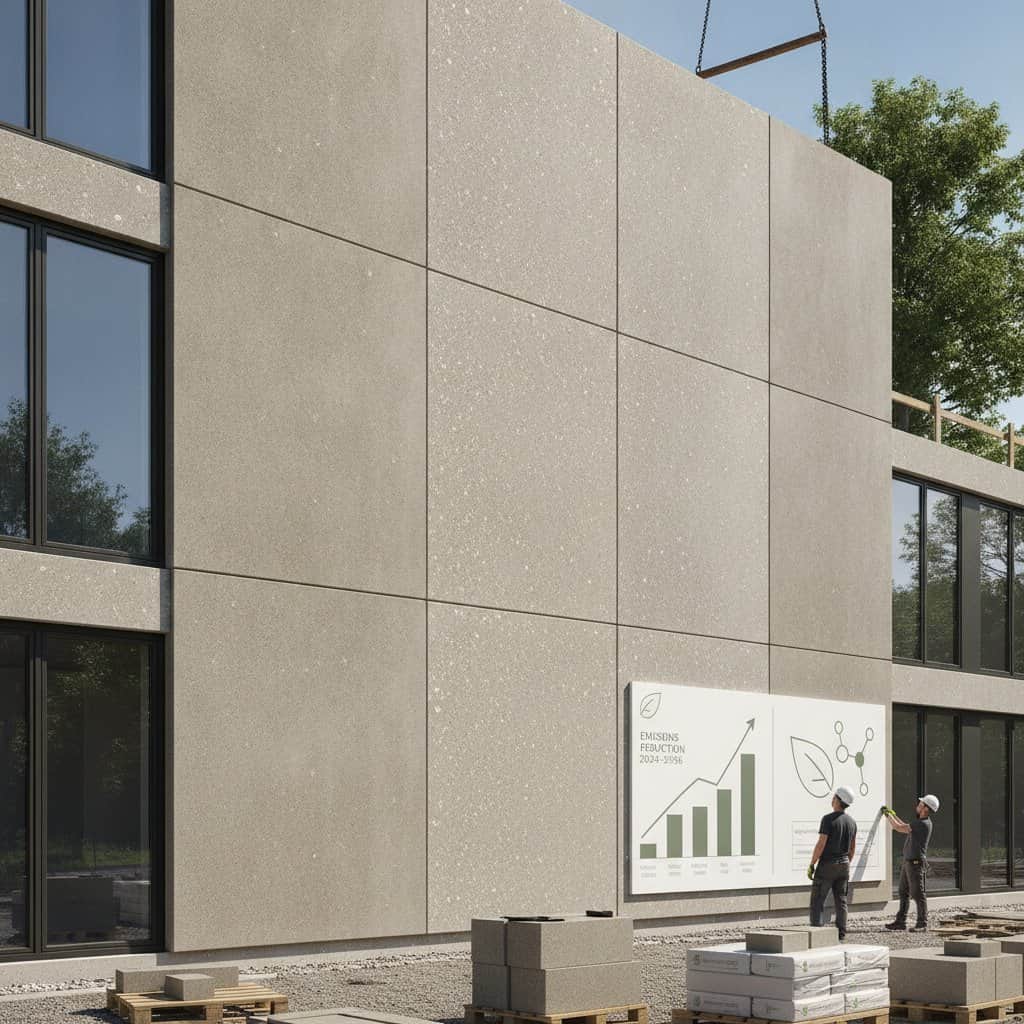
- Outdoor elements: Apply hempcrete renders to garden walls or sheds, where its alkalinity deters pests and molds.
Consult certified builders familiar with bio-based materials to ensure compliance with local codes. Start with pilot areas, such as a single room, to evaluate performance before broader adoption.
Evaluating Costs and Upkeep
Hempcrete production costs range from $10 to $20 per square foot for materials, with installation adding 20-30 percent more due to specialized labor. Over time, energy savings from its insulating qualities offset initial expenses, potentially reducing heating costs by 20-30 percent in temperate climates.
Mycelium products remain premium, priced at $15-40 per square foot, but scalability in production promises future affordability. Maintenance involves minimal intervention; apply breathable sealants like silicate paints to hempcrete every 5-10 years to preserve its vapor permeability.
In humid regions, pair hempcrete with lime-based plasters to facilitate moisture evaporation and prevent condensation. Mycelium thrives in dry interiors but requires protective coatings for any damp exposure, ensuring longevity up to 50 years in controlled conditions.
Sensory and Performance Benefits in Built Spaces
Structures using these materials create environments with balanced microclimates. Hempcrete walls absorb excess humidity during rainy periods and release it in dry spells, fostering consistent indoor air quality. Mycelium insulation dampens echoes, improving acoustic comfort in living areas.
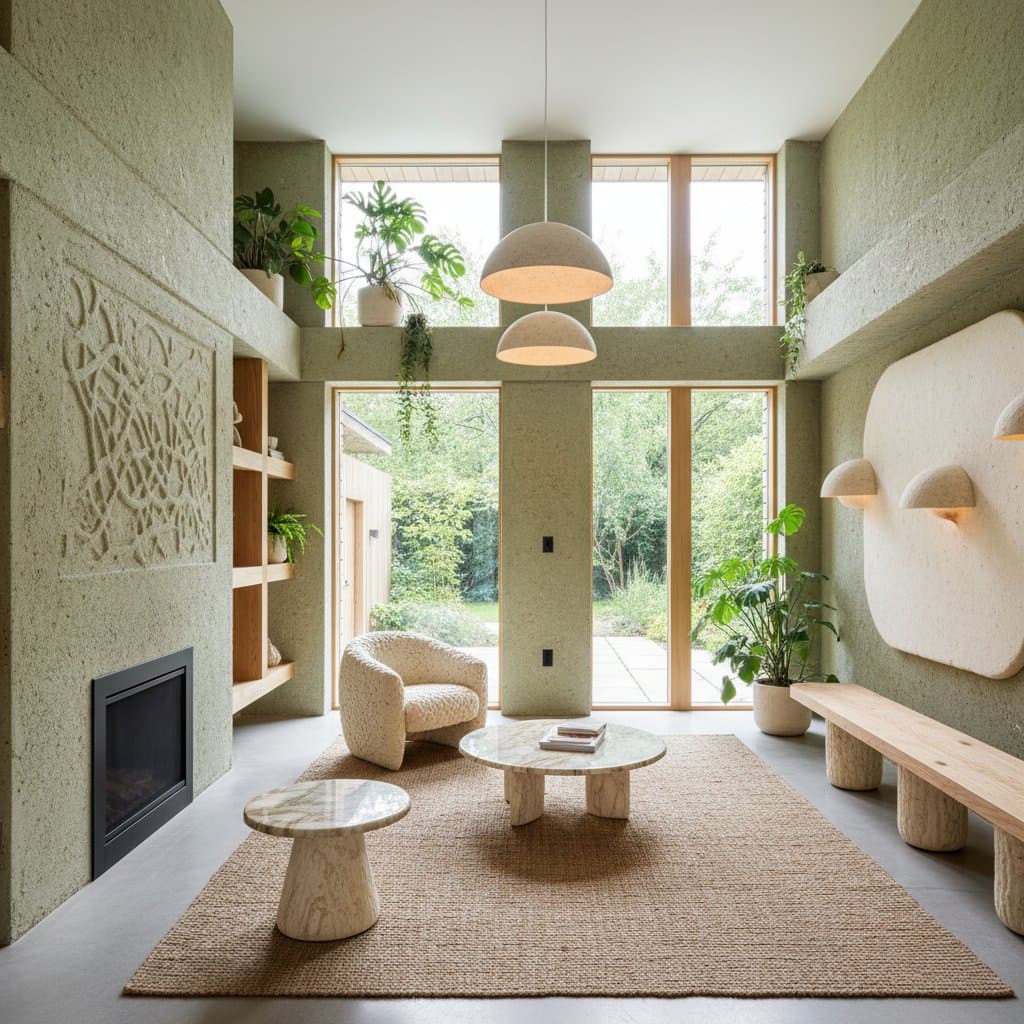
Visually, hempcrete's matte finish diffuses light softly, while mycelium's variable densities allow for sculpted patterns. These qualities contribute to spaces that evolve subtly over time, gaining character without structural wear.
Residents often report enhanced well-being, attributing it to the absence of volatile organic compounds common in synthetic builds. Such homes support passive cooling, minimizing reliance on mechanical systems.
Harmonizing Innovation with Enduring Design
Hempcrete and mycelium revive traditional natural building techniques, such as cob or adobe, enhanced by contemporary engineering. Their low embodied energy— hempcrete sequesters up to 100 kg of CO2 per cubic meter—positions them as viable for carbon-neutral projects.
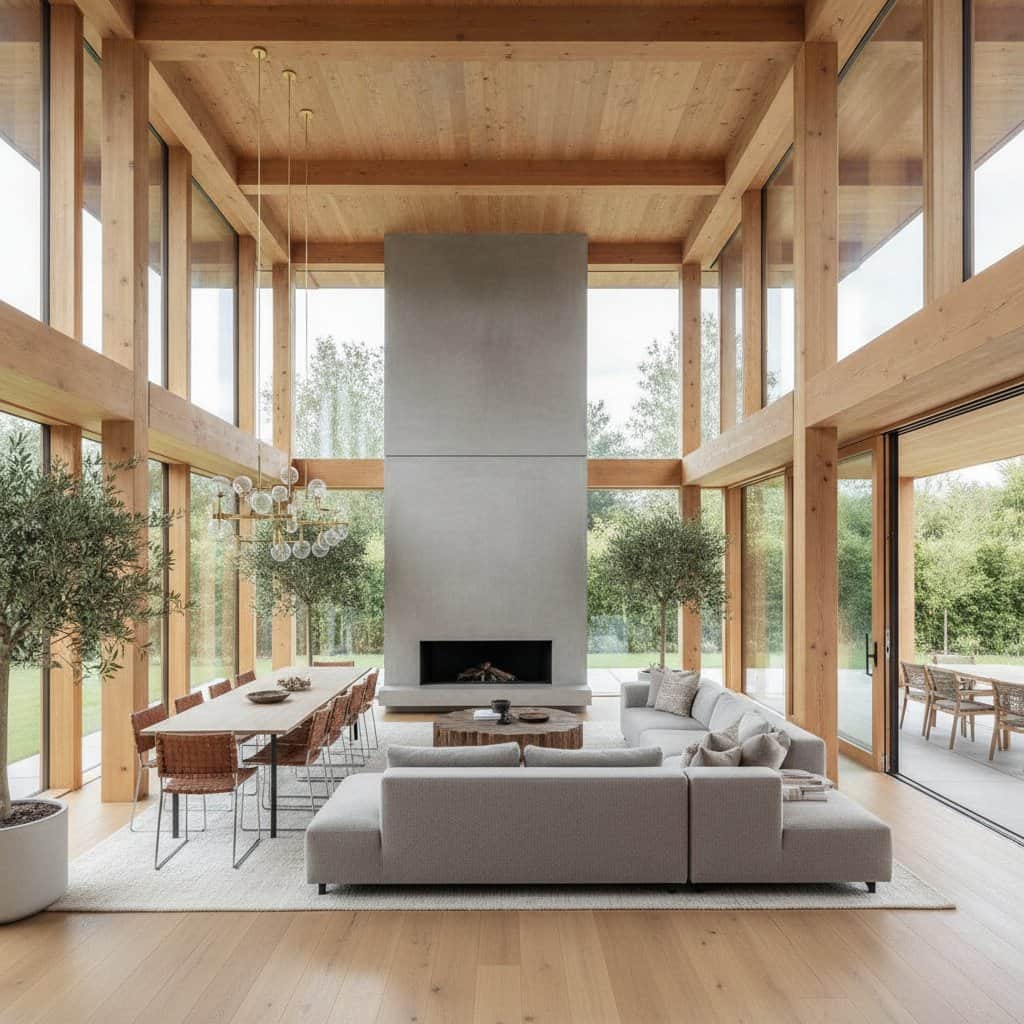
Adapt them to diverse aesthetics: combine hempcrete with light oak for minimalist schemes, or mycelium accents with stone for rustic appeal. Focus on synergy with existing elements to avoid superficial trends, ensuring designs that endure functionally and stylistically.
Advancing Toward Sustainable Living
Daily life in these homes reveals practical advantages, from stable temperatures to reduced allergen loads. The materials' renewability encourages a mindset of stewardship, where renovations prioritize reuse over replacement.
To proceed, connect with suppliers through industry associations or local workshops. Experiment with samples to gauge suitability, then scale to full installations. These choices not only elevate personal spaces but contribute to broader ecological goals, redefining construction one natural element at a time.