Hempcrete's Rise in Mainstream Construction: Carbon-Negative Solutions for 2025
Step into a home constructed with hempcrete, where the faint scent of earth and lime replaces synthetic odors. Walls provide a solid yet yielding surface, retaining warmth in winter and coolness in summer. This sensation arises from hempcrete's unique properties, which integrate sustainability with everyday comfort.
Addressing the Carbon Burden in Traditional Building
Conventional materials such as concrete and steel require substantial energy for production and transportation, resulting in significant carbon emissions. These impacts remain invisible in completed structures but contribute heavily to environmental harm. Responsible builders face the challenge of balancing strength, longevity, and comfort against this ecological cost.
Hempcrete resolves this issue as a composite of hemp hurds, lime, and water that sequesters carbon during curing. Rather than emitting greenhouse gases, it captures and stores them within the material. This transition to carbon-negative construction positions hempcrete as a pivotal advancement in the field.
Performance Benefits Driving Adoption
Interest in hempcrete extends beyond environmental advantages to include superior functionality, indoor health, and visual appeal. The material's breathability fosters a healthier living environment by allowing moisture and air to pass through walls. It maintains optimal humidity and temperature levels, which reduces reliance on mechanical heating and cooling systems.
Durability further enhances its value. Hempcrete's alkaline composition deters pests and mold growth. The material exhibits low flammability and structural integrity over decades, dispelling notions that eco-friendly options lack robustness.
The Science Behind Hempcrete
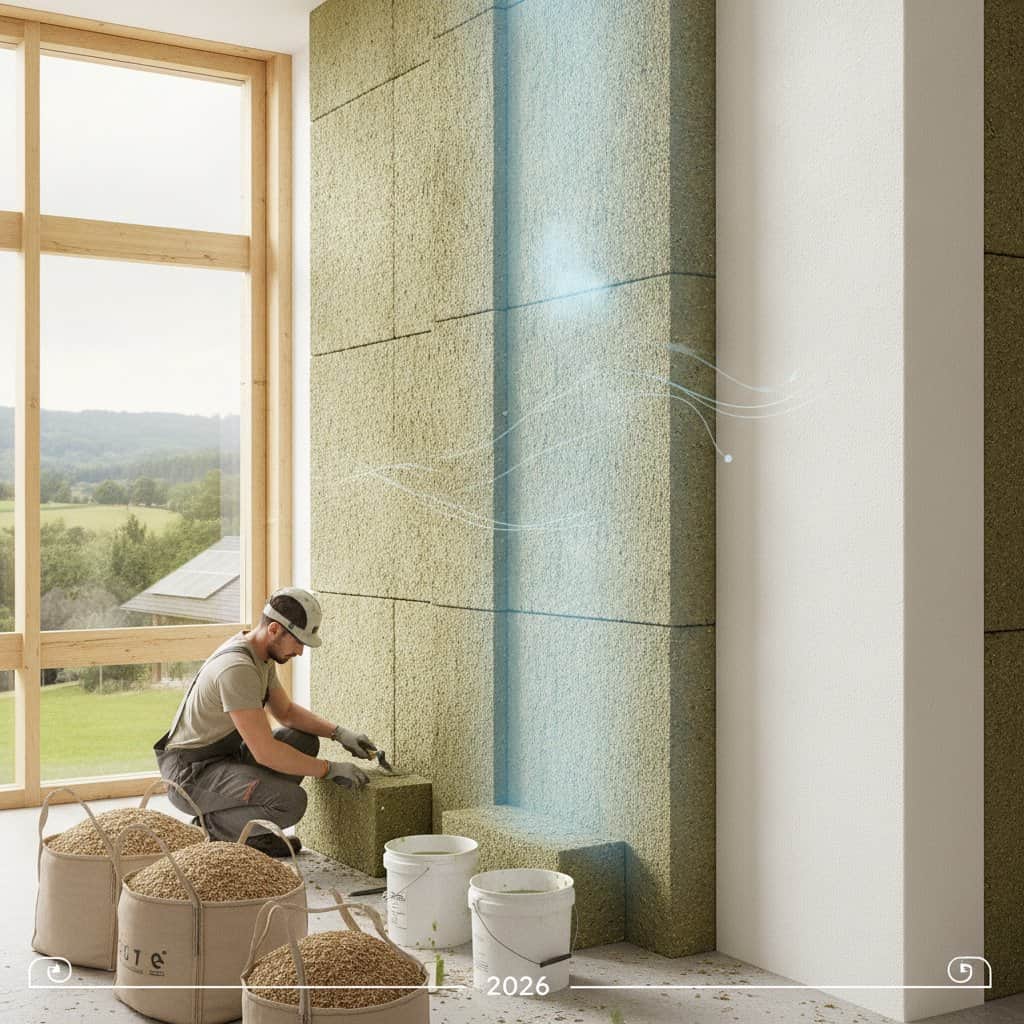
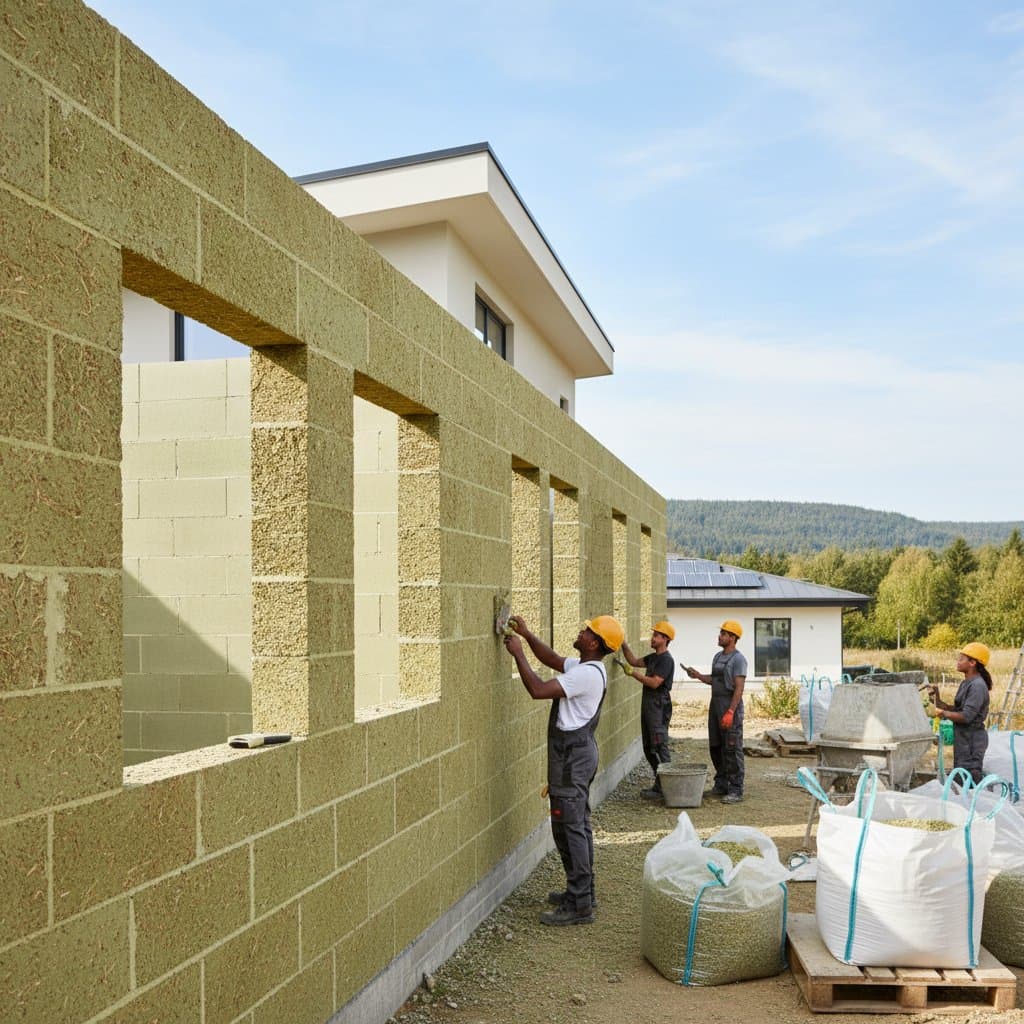
Hempcrete serves as an insulating infill rather than a load-bearing element, complementing timber or steel frames. Hemp hurds, the fibrous cores of hemp stalks, combine with lime and water to create a pourable mixture. Upon application and curing, it solidifies into a durable, stone-like substance.
During curing, lime reacts with atmospheric carbon dioxide, effectively locking it into the matrix. The resulting walls remain permeable, continuing to absorb trace amounts of CO2 over time. This mechanism transforms homes into passive contributors to carbon reduction.
Building Process for Hempcrete Projects
For those planning a hempcrete incorporation, the workflow follows these structured steps:
-
Establish the Frame
Construct a timber or metal skeleton to support the infill. Timber frames align well with sustainability goals in residential applications. -
Prepare the Mixture
Adjust ratios based on use: opt for a fluid consistency in walls for gradual setting, or denser formulations for floors and roofs. Small-scale manual mixing suits prototypes, while mechanical paddle mixers streamline larger volumes. -
Apply Formwork and Infill
Secure temporary boards around the frame cavity. Introduce the mixture in layers, tamping to eliminate voids. Remove forms after initial setting to reveal a naturally textured surface, suitable for direct exposure or lime-based finishes. -
Allow for Curing
Permit natural hardening through CO2 absorption, a process that confers the material's carbon-negative status. This phase demands patience but ensures long-term performance. -
Apply Finishes
Select breathable options like lime plaster or mineral paints to preserve moisture regulation. Steer clear of synthetic sealants that could impede vapor transmission.
Aesthetic and Sensory Qualities
Completed hempcrete surfaces offer a tactile, undulating texture in soft neutral tones that interact dynamically with light. Exposed finishes emphasize organic elegance, while subtle color washes adapt to daily illumination shifts, infusing spaces with warmth.
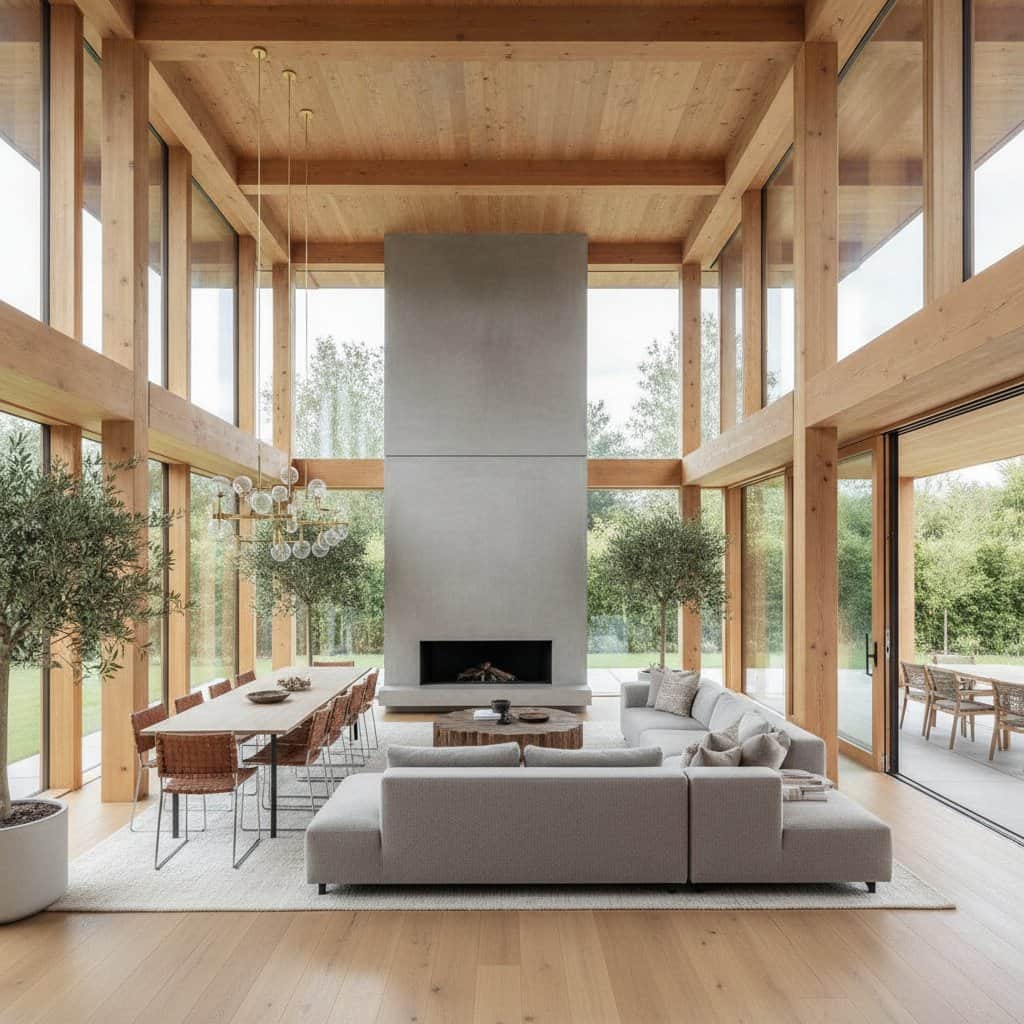
The material harmonizes with complementary elements such as bamboo floors, salvaged wood accents, and natural fabrics. It accommodates diverse styles, from sleek contemporary to inviting rustic interiors.
Economic Analysis
Initial expenses for hempcrete may exceed those of standard insulators, yet lifecycle savings offset this. Material pricing varies with regional hemp availability, often moderated by local sourcing. Enhanced thermal efficiency lowers ongoing energy demands, as evidenced by reduced heating requirements in retrofitted structures.
Key cost factors include:
- Materials: Affordable when procured from proximate suppliers, with options like prefabricated blocks or applicators easing procurement.
- Labor: Elevated initially due to specialized techniques, though availability of skilled teams increases.
- Upkeep: Minimal, thanks to inherent resistance to biological degradation and fire.
Expanding local production facilitates accessible, eco-conscious projects.
Environmental Impact
Hempcrete excels in carbon sequestration, with each cubic meter capable of binding substantial CO2 volumes, countering emissions from conventional builds. Hemp cultivation occurs rapidly, enriching soil without depleting resources. Byproducts from fiber processing feed directly into hempcrete production, forming an efficient, low-waste cycle.
This approach elevates construction from mitigation to active restoration, appealing to those seeking materials that enhance planetary health.
Key Considerations for Implementation
Prospective users should evaluate these aspects for optimal results:
- Regional Suitability: Ideal for moderate climates; enhance detailing in extreme humidity or cold to maintain efficacy.
- Professional Expertise: Engage contractors versed in hempcrete methods to avoid common pitfalls.
- Regulatory Compliance: Verify code acceptance, as some jurisdictions treat it as novel; initiate discussions with authorities promptly.
- Project Scheduling: Account for extended curing periods, particularly in expansive undertakings.
Safety features include non-toxicity and fire resistance, providing reassurance throughout occupancy.
Momentum in Regenerative Architecture
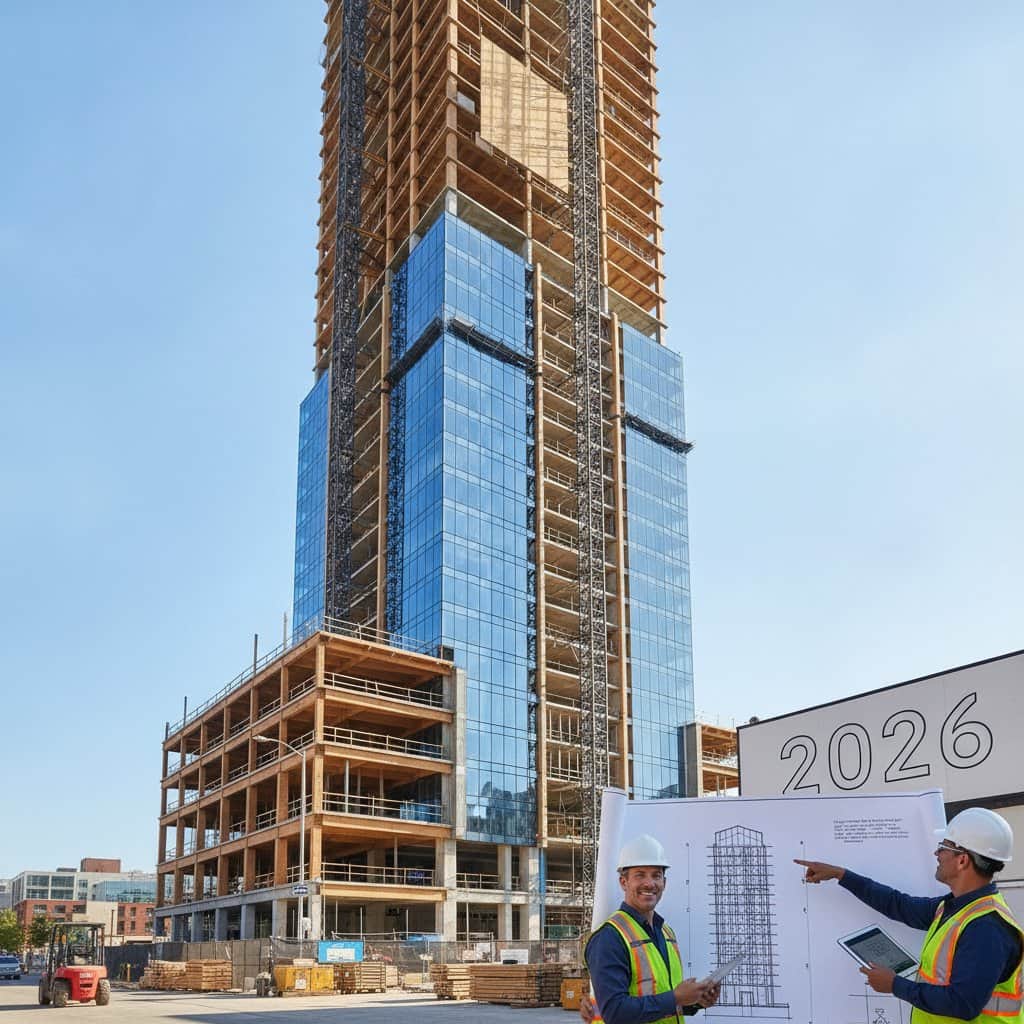
Hempcrete aligns with the broader shift toward materials that restore ecosystems. Professionals across sectors construct diverse facilities using this innovation, diminishing dependence on carbon-heavy alternatives. Educational programs in institutions now incorporate hempcrete training, from formulation to application.
Community initiatives, such as hands-on seminars, accelerate skill dissemination and normalize these practices.
Experiencing Hempcrete in Daily Life
Residents in hempcrete dwellings benefit from purified air, stable microclimates, and reduced allergens. Surfaces resist common wear, developing an appealing patina with age rather than deterioration.
This integration fosters mindful habitation, heightening awareness of environmental interplay within personal spaces.
Steps to Integrate Hempcrete Today
Embracing carbon-negative building represents a commitment to enduring harmony. Hempcrete enables structures that sustain inhabitants while mitigating climate impacts. Select this material to craft resilient, restorative environments for future generations.