Why New Homes Incorporate Battery-Ready Designs with Power Walls
Imagine entering a new home after sunset during a neighborhood power outage. Lights illuminate the space softly, the refrigerator operates steadily, and a ceiling fan continues to rotate. A wall monitor displays the battery backup system functioning efficiently, utilizing solar energy stored from earlier in the day. No manual intervention is required; the setup operates autonomously. This scenario represents the reality of battery-ready homes, which are emerging as the standard for modern living.
The appeal of such systems extends to all homeowners seeking reliable energy management. During a recent storm, one residence maintained full functionality while surrounding areas experienced darkness. This reliability demonstrates that battery storage solutions provide practical control over household power needs.
Establishing Energy Independence as the Norm
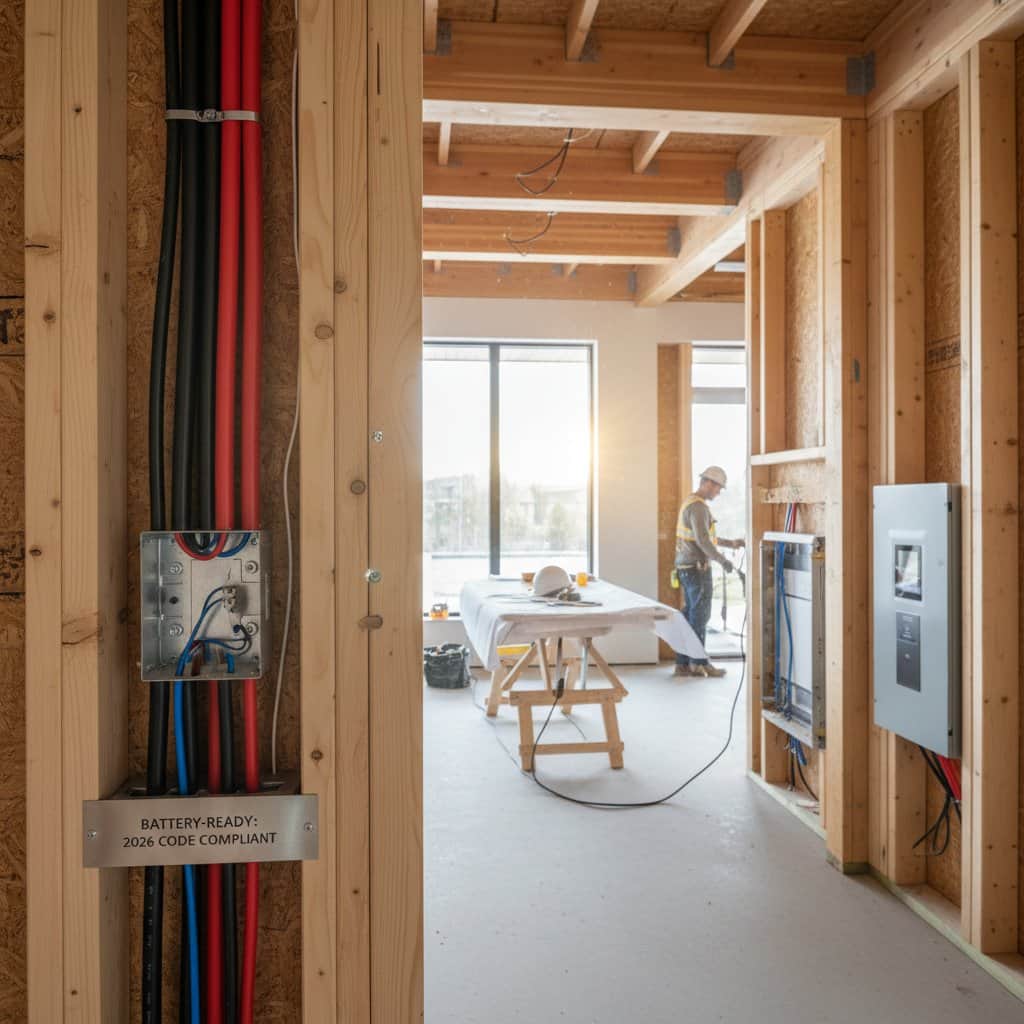
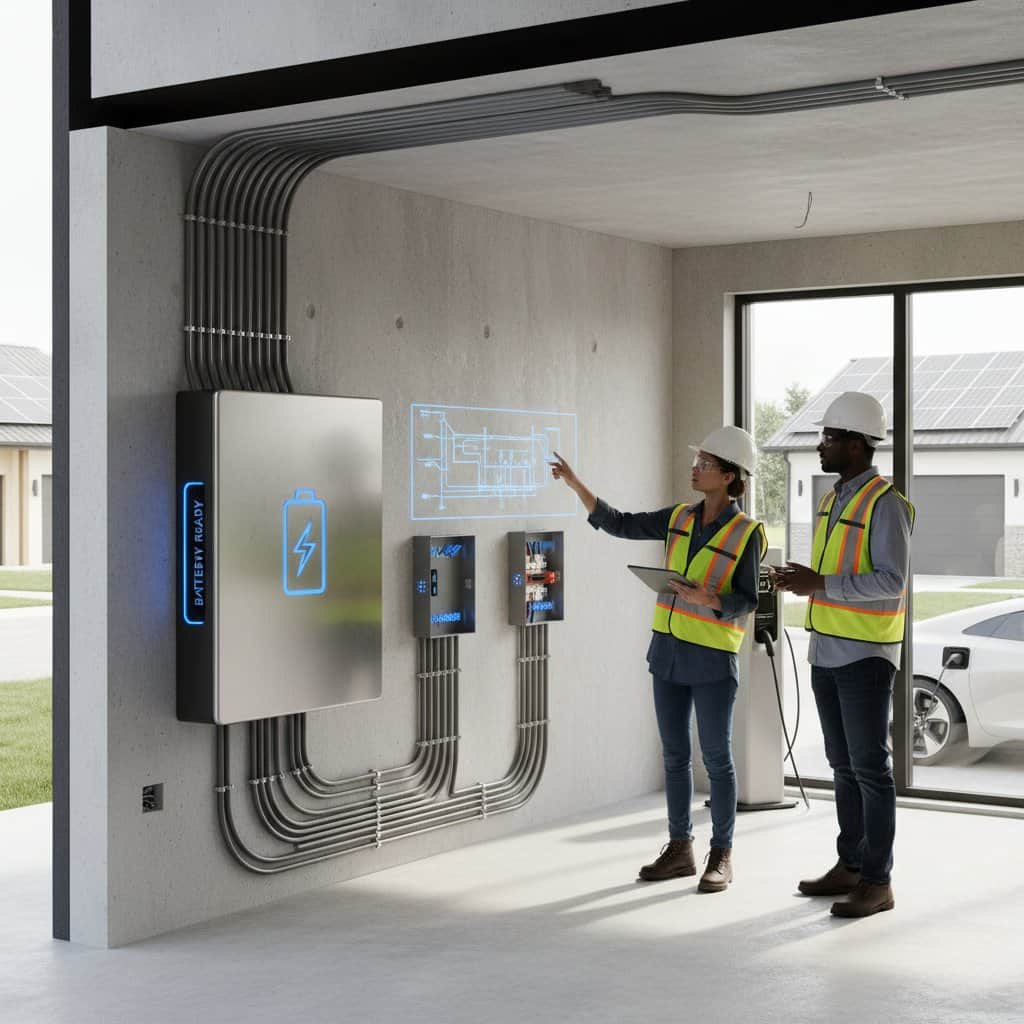
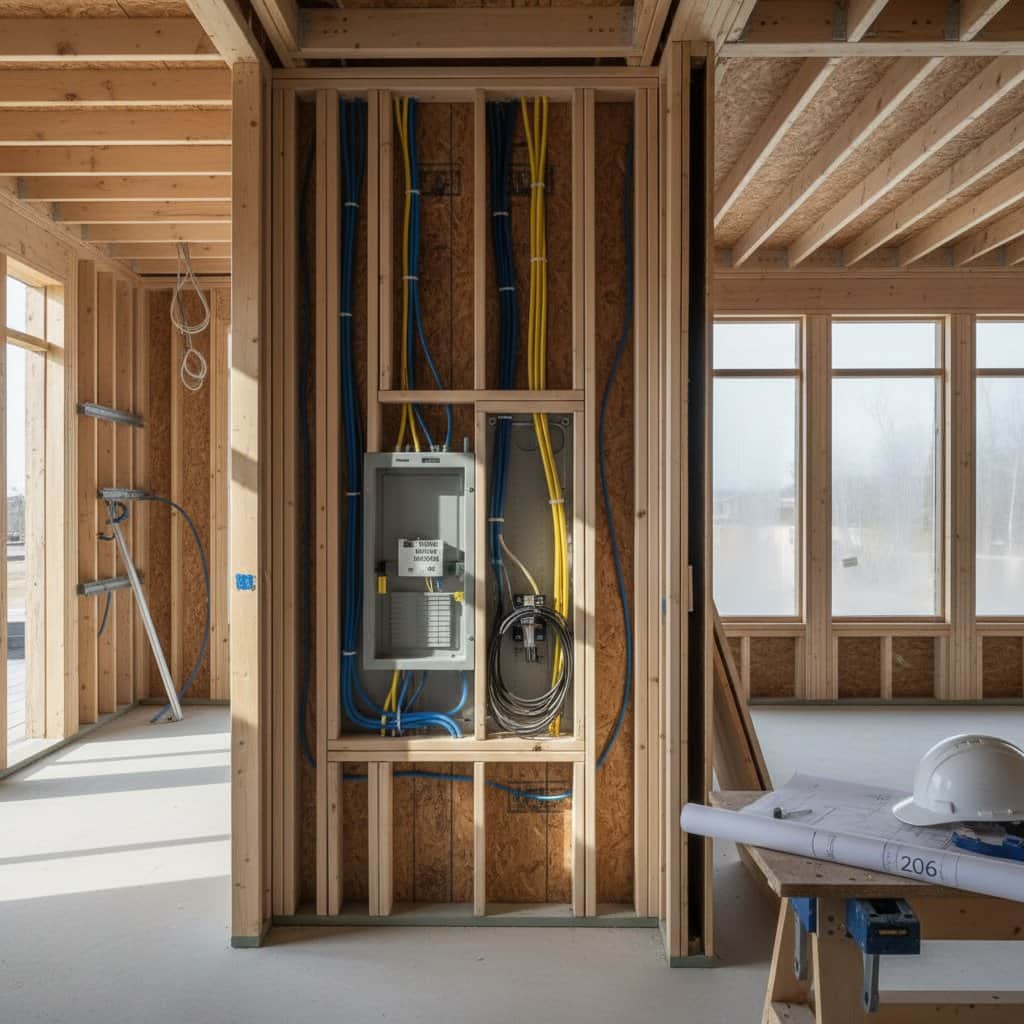
Contemporary home designs prioritize integration with energy storage systems. Builders install wiring that facilitates straightforward addition of power walls and batteries, typically adjacent to the main electrical panel or in the garage. This approach emphasizes preparedness and durability rather than extravagance.
Individuals who have experienced power interruptions during meals or concern over escalating utility rates recognize the value. These homes enable energy utilization according to personal schedules. Systems capture solar energy in daylight hours and deploy it during grid stress or peak pricing periods. The result includes enhanced security, reduced expenses, and a diminished environmental impact.
Defining Battery-Ready Infrastructure
A battery-ready home features electrical setups optimized for energy storage integration. Essential elements comprise specialized circuits, designated mounting areas for power walls, and convenient access for future installations.
Builders commonly incorporate the following components:
- Pre-wired electrical connections that allow technicians to connect batteries with minimal modifications.
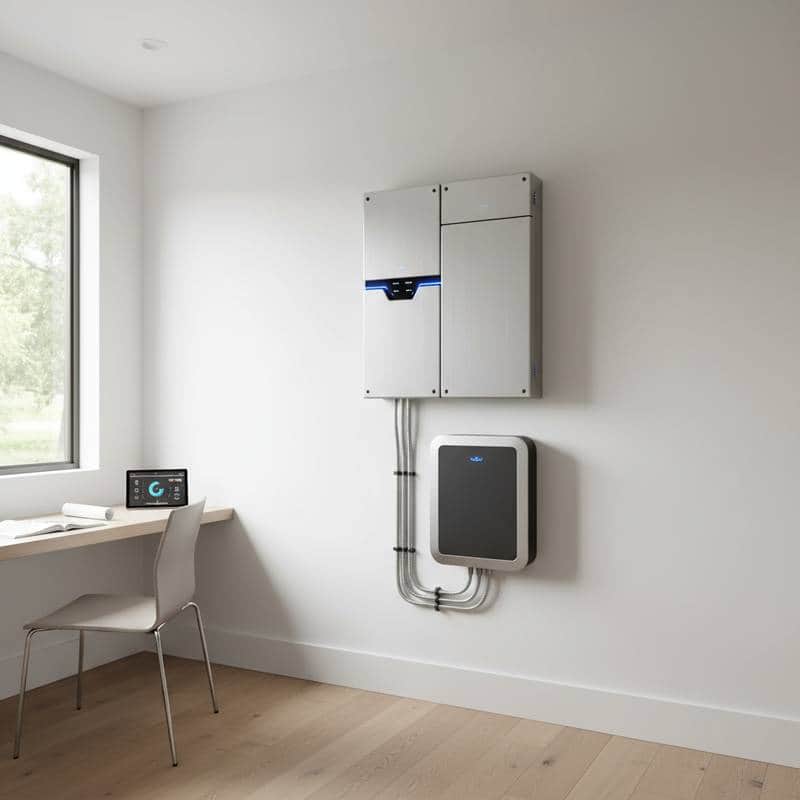
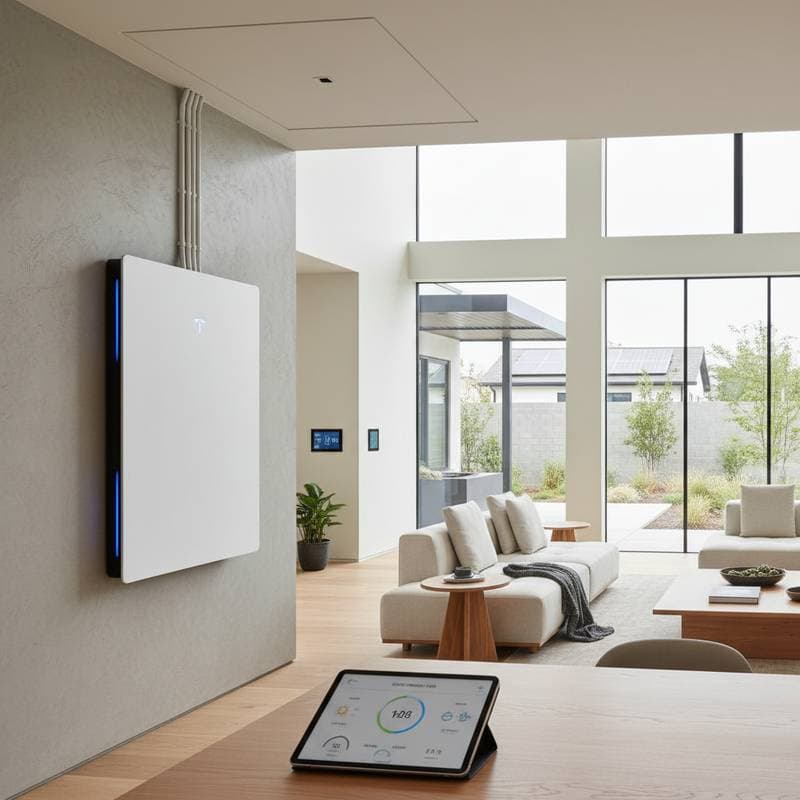
- Allocated wall areas in garages or utility spaces to securely mount power walls.
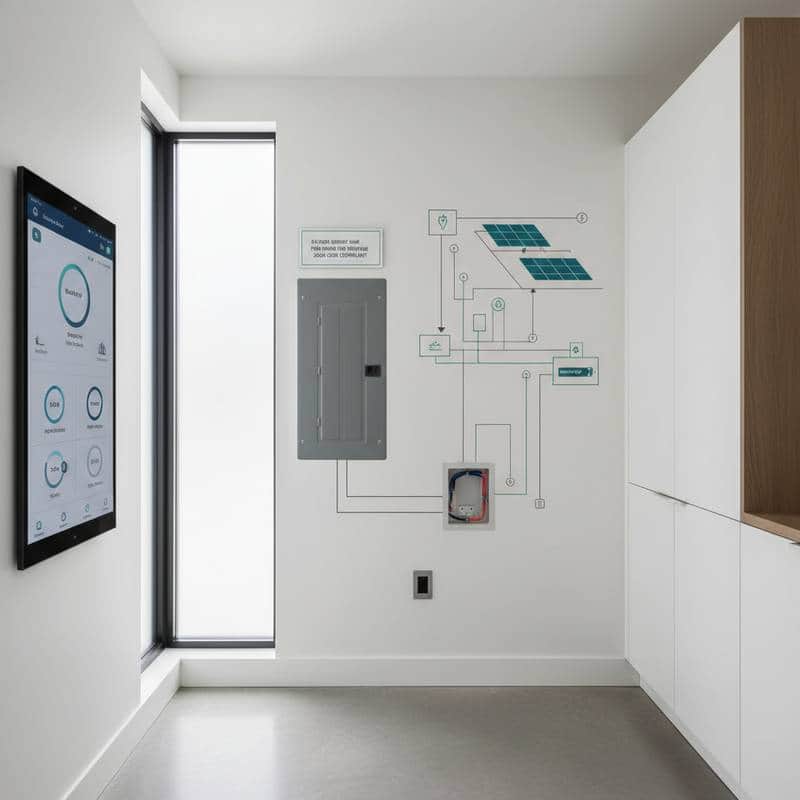
- Intelligent energy management panels that monitor usage and optimize power distribution.
- Configurations compatible with solar installations to accommodate future rooftop panel additions.
Retrofitting an existing structure for battery compatibility often involves multiple days of labor and extensive adjustments. In contrast, battery-ready new constructions streamline the process to a matter of hours, reducing inconvenience significantly.
Motivations Driving Builders Toward Battery Integration
Builders adopt these designs due to a combination of ecological imperatives and pragmatic advantages. Demand from purchasers for greater energy autonomy prompts this evolution, aligning with broader sustainability goals and enduring property worth.
The incremental expense of embedding conduits and panels during initial construction proves economical compared to subsequent alterations. This proactive strategy minimizes future labor and financial outlays.
For residents, the preparedness enhances marketability. Properties equipped for battery systems appeal to those prioritizing efficiency, potentially increasing resale potential even without immediate installation.
Operational Mechanics of Power Walls in Residential Settings
A power wall functions as a substantial rechargeable battery that accumulates electricity from solar arrays or the utility grid. Upon grid failure or elevated rates, the mechanism transitions seamlessly to reserved power sources.
Daytime solar generation charges the battery with surplus energy. As night approaches, the residence prioritizes this stored supply before accessing grid power. Advanced configurations permit excess energy return to the utility for compensation.
The operational cycle includes:
- Charging stage: Accumulation of surplus electricity during periods of high generation or low tariffs.
- Discharging stage: Deployment of stored power amid increased consumption or grid interruptions.
- Oversight mechanisms: Digital interfaces that log storage levels, consumption patterns, and efficiency gains.
These units perform silently in the background, requiring no user oversight once established.
Principal Advantages of Battery-Ready Residences
Battery-ready homes deliver multifaceted benefits that surpass mere outage protection. Homeowners report tangible improvements in several areas.
Achieving Greater Energy Autonomy
Reduced dependence on the utility grid grants households command over their power supply. Operations persist uninterrupted during demand surges or blackouts.
Reducing Utility Expenditures
Strategic storage of low-cost energy for high-rate periods lowers overall bills. Pairing with solar installations amplifies these financial benefits.
Promoting Environmental Sustainability
Reliance on stored renewable sources curtails emissions and supports community-wide energy equilibrium.
Enhancing Property Marketability
Prospective buyers favor adaptable, efficient homes. Pre-installed infrastructure underscores modernity and forward compatibility.
Providing Reliability Assurance
Confidence in sustained functionality during adverse conditions justifies the investment. Essential devices remain operational, preserving comfort and necessities.
Practical Guidance for Installation and Regional Options
During construction or renovation, consult contractors regarding pre-wiring for power walls. Incorporating necessary pathways and supports at the electrical rough-in phase simplifies future additions.
Reputable manufacturers include Tesla Powerwall, LG Chem RESU, and Sonnen, each offering robust solutions. Regional installers provide tailored systems compliant with local regulations and climatic factors.
For an average household, outfitting with a single power wall involves costs influenced by capacity and installation fees. Simultaneous solar integration elevates expenses, though rebates and incentives offset portions of the outlay.
Engaging a certified energy professional streamlines approvals, permitting, and usage monitoring via mobile applications, transforming the endeavor into an accessible enhancement.
Optimizing Space Allocation for Battery Installations
Select locations such as garages, utility areas, or basements for battery placement, ensuring cool, dry conditions. Walls must withstand unit weights, with proximity to electrical panels for efficiency.
Consider these placement recommendations:
- Maintain clearance of several inches around units for ventilation.
- Steer clear of direct solar exposure or moist environments.
- Verify structural integrity to accommodate heavy components.
- Reserve adjacent space for potential system expansions.
Positioning near breaker panels facilitates maintenance access. Neutral coloring behind units integrates functionality with aesthetics seamlessly.
Incorporating Battery Systems into Routine Home Operations
Post-installation, battery systems integrate unobtrusively into daily activities. Cooking, entertainment, and appliance use proceed normally, with automated decisions on power sourcing.
Users may program overnight charging during off-peak rates for daytime utilization, or prioritize solar storage for evenings. This adaptability fosters efficient personal energy management akin to operating a compact grid.
Compatibility with intelligent home ecosystems enhances outcomes. Automation adjusts lighting, climate control, and devices in response to rate fluctuations, optimizing consumption effortlessly.
Contributing to Community-Wide Energy Stability
Widespread battery adoption stabilizes local networks. Residences can redistribute stored power during peak loads, alleviating infrastructural pressures.
This shared dynamic reduces outage frequencies and harmonizes renewable input with usage patterns. Developers now envision communities where battery preparedness defines standard planning, fostering resilient urban environments.
Evaluating Expenses and Upkeep Requirements
Battery system acquisition demands careful financial assessment. Initial costs fluctuate based on model specifications, storage volume, and solar pairings, with scalability options for phased implementation.
Upkeep remains straightforward for lithium-ion technologies. Warranties cover extended periods, with app-based alerts for diagnostics. Routine cleaning involves dust removal from accessible surfaces to maintain performance.
Embracing Battery-Enhanced Home Efficiency
Battery-ready designs empower homeowners to navigate energy challenges with confidence. These systems deliver sustained savings, reliability, and ecological contributions. As adoption grows, the transition to self-sufficient living becomes accessible and rewarding for all.