Key Takeaways
- Builder mortgage rate buydowns restore affordability to new home purchases.
- Temporary reductions ease payments during the initial years of homeownership.
- Verify the party responsible for the buydown costs and the duration of the reduced rate.
- These incentives often integrate with additional builder offers, such as upgrades or closing cost assistance.
- Evaluate long-term financial impacts before committing to this option.
Understanding Mortgage Rate Buydowns
A mortgage rate buydown occurs when an entity, typically the builder, provides upfront funds to decrease the interest rate on a loan for a specified period. This adjustment makes monthly payments more manageable during the early stages of the loan term.
Common structures include the following:
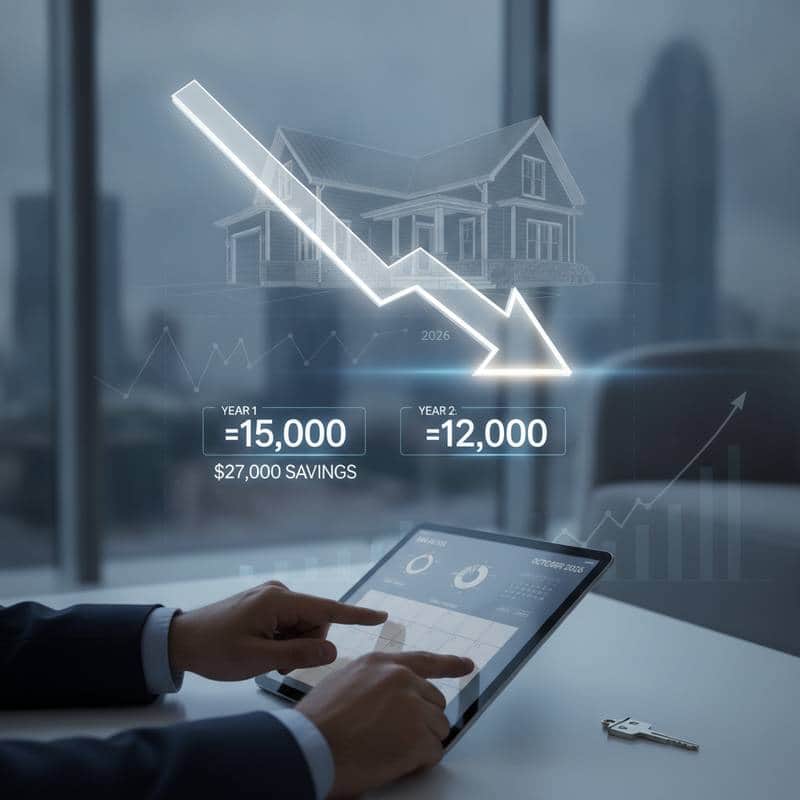
- 2-1 Buydown: The interest rate decreases by two percentage points in the first year and one percentage point in the second year, then reverts to the original rate.
- 3-2-1 Buydown: The rate starts three percentage points lower in year one, two points lower in year two, and one point lower in year three, after which it returns to the standard rate.
Once the buydown period concludes, the loan proceeds at its fixed rate for the remaining term. The builder assumes the expense of this rate reduction, allowing buyers to benefit from decreased payments as they establish their new household.
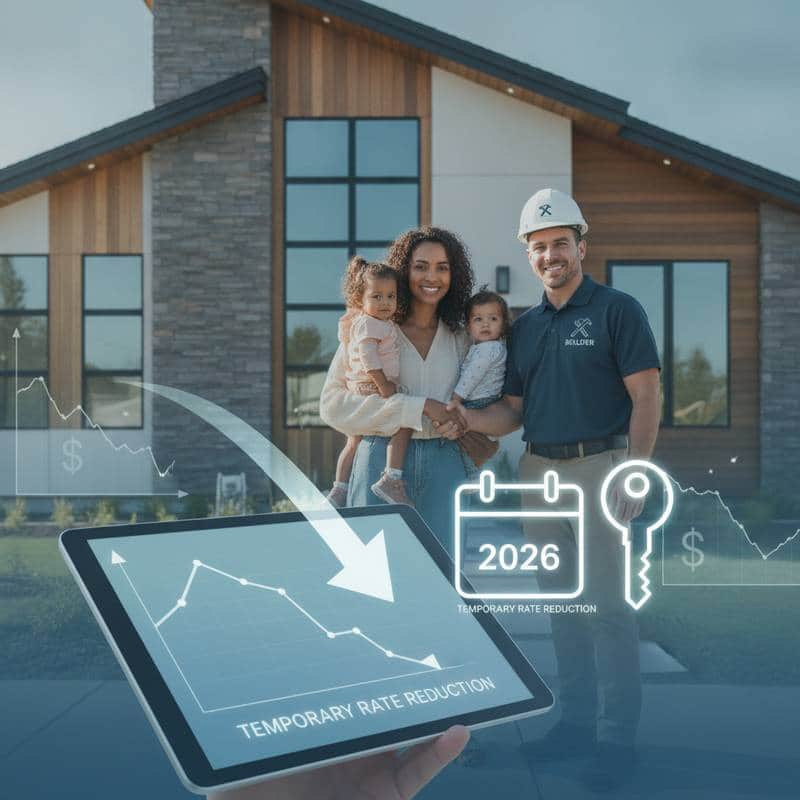
In the context of 2026 housing trends, builders increasingly adopt these buydowns to attract buyers amid fluctuating interest rates. This strategy helps maintain competitive pricing while addressing buyer concerns about immediate affordability.
Mechanics of a Temporary Buydown
The process begins at loan closing, where the builder deposits funds into an escrow account. These funds compensate for the disparity between the reduced payment amount and the actual interest accrued on the loan.
Consider a scenario with a standard monthly payment of $2,400. Under a buydown, this might drop to $2,000 in the first year. The escrow account then supplies the $400 monthly difference, drawn from the builder's contribution.
Importantly, the principal balance on the loan continues to amortize at the full rate. Buyers make payments based on the adjusted rate, but the underlying loan structure remains unchanged. This transparency ensures no hidden fees or alterations to the loan agreement.
Lenders calculate the required escrow amount based on projected interest savings over the buydown period. Buyers receive a clear breakdown in their loan documents, outlining how payments will increase once the temporary reduction ends.
Benefits for First-Time Homebuyers
First-time buyers often face financial pressures in the initial years of homeownership. Expenses such as furnishing the home, completing landscaping projects, or addressing minor construction adjustments can strain budgets.
A temporary buydown provides essential financial flexibility during this adjustment phase. The reduced payments function as a buffer, enabling buyers to allocate savings toward building an emergency fund, paying down other debts, or investing in home improvements.
For instance, a couple purchasing a new build might redirect the monthly savings of several hundred dollars into a high-yield savings account. By the time the full rate applies, they possess a more robust financial foundation, better equipped to manage the higher payments.
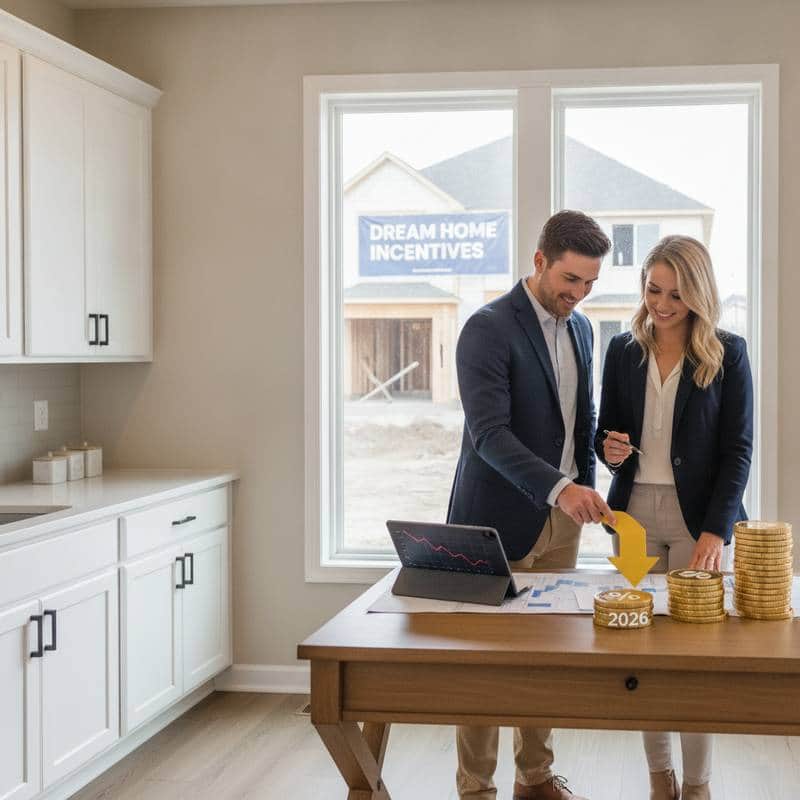
Builders frequently bundle buydowns with complementary incentives. These may include premium flooring selections, appliance upgrades, or coverage of closing costs. Buyers should approach negotiations confidently, especially in developing communities where builders maintain promotional budgets to accelerate sales.
Research from recent market analyses indicates that buydowns improve loan qualification rates for approximately 20 percent of applicants who might otherwise face challenges. This accessibility proves particularly valuable for those entering the market with moderate incomes.
Evaluating Whether a Builder Buydown Suits Your Needs
To determine suitability, consider key factors about your financial situation and homeownership plans. Begin by assessing your intended residency duration.
If you plan to remain in the home for several years, the buydown offers meaningful short-term relief without complicating a future sale. Next, project your ability to afford the full payment post-buydown. Use online mortgage calculators to simulate scenarios and ensure alignment with your budget.
Compare the buydown against alternative incentives. For example, direct closing cost assistance might provide immediate savings, while appliance upgrades add long-term value. Request your lender to model both options, factoring in total costs over five to ten years.
Consult with a financial advisor to review tax implications, as buydown funds typically do not affect mortgage interest deductions. Additionally, confirm that the buydown does not impose penalties for early loan payoff, preserving flexibility.
In competitive markets, multiple builders may offer varying buydown terms. Compare proposals side by side, focusing on the net savings and integration with other perks.
Advantages of Builder Buydowns
- Decreased monthly payments during the introductory period.
- Upfront costs borne entirely by the builder.
- Enhanced loan qualification potential through lower debt-to-income ratios.
- Optimal for buyers committed to long-term residency.
- Seamless compatibility with additional promotional offers from builders.
- Contribution to overall affordability in rising interest rate environments.
Frequently Asked Questions
What Distinguishes a Temporary Buydown from a Permanent One?
A temporary buydown reduces the interest rate for a limited number of years, after which it reverts to the original rate. In contrast, a permanent buydown maintains the lower rate throughout the loan term. Builders prefer temporary versions due to their lower overall cost.
Is It Possible to Combine a Buydown with Other Incentives?
Yes, most builders permit combining a buydown with options such as closing cost credits or interior design upgrades. Always verify that the combined package delivers optimal financial value through a detailed cost analysis.
Does a Buydown Require a Specific Lender?
Not necessarily, though builders often recommend preferred lenders familiar with the process. Selecting a preferred lender may yield additional benefits, such as streamlined processing or exclusive rate adjustments.
How Do Interest Rate Changes Affect Buydown Value?
Buydowns provide fixed savings regardless of market rate fluctuations. If rates decline after closing, buyers might refinance, but the buydown's early benefits remain intact.
Are There Risks Associated with Buydowns?
The primary risk involves payment shock when the full rate applies. Mitigate this by stress-testing your budget and selecting a buydown period that matches your financial ramp-up timeline.
Securing and Implementing a Builder Buydown
To pursue a buydown, start by discussing options with your builder during the selection process. Request written details on the structure, costs, and duration.
Engage your lender early to integrate the buydown into your loan application. They will prepare the necessary escrow calculations and ensure compliance with underwriting standards.
Review all documentation at closing, confirming the escrow deposit and payment schedule. Post-closing, monitor your statements to track the transition to full payments.
This strategic tool not only eases entry into homeownership but also positions buyers for sustained financial success. By leveraging a buydown thoughtfully, you transform potential challenges into opportunities for stability and growth.