2026 Builder Buydowns: Reducing New Home Mortgage Rates
Picture entering a newly constructed home with the scent of fresh paint and wood filling the air, sunlight streaming through pristine windows. The space appears perfect for your needs, yet the mortgage rate presents an unexpected barrier. Recent house hunting experiences reveal climbing rates that render even appealing properties seem unattainable. Builder buydowns address this issue effectively, providing a practical method to restore affordability to desired homes.
Navigating Elevated Mortgage Rates
Home acquisition involves more than selecting an ideal layout or kitchen features; it requires aligning financial elements. Rising mortgage rates increase monthly payments by several hundred dollars, diminishing purchasing capacity and compelling compromises on size, enhancements, or proximity to preferred areas.
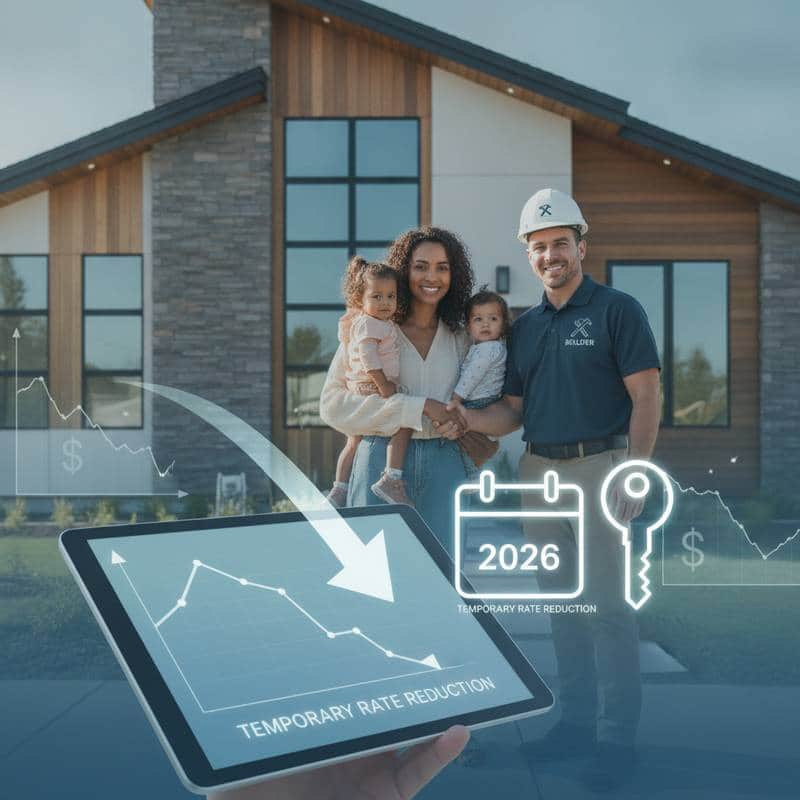
Builders recognize these pressures and implement innovative strategies to sustain buyer interest. The builder buydown stands out as a prevalent approach, offering a temporary reduction in the mortgage rate to decrease payments during the initial years. This mechanism facilitates a smoother entry into homeownership without immediate financial strain.
Understanding Builder Buydowns
A builder buydown functions as an incentive in which the builder advances interest payments to the lender, resulting in a short-term rate decrease for the buyer. This tool delivers genuine financial relief, potentially amounting to thousands of dollars saved early in the loan term.
The process operates as follows:
- The builder provides a lump-sum payment to the lender upon closing.
- This sum offsets a portion of the interest over a defined period, typically one to three years.
- Consequently, the buyer's rate decreases during that interval, lowering monthly obligations.
After the buydown expires, the rate adjusts to the original terms outlined in the loan documents. By that point, the buyer often adapts to home-related expenses or pursues refinancing if market conditions improve.
Standard Buydown Configurations
Buydowns vary in structure, and familiarity with options aids in selecting the most suitable arrangement.
-
1-0 Buydown
The rate decreases by 1 percentage point in the first year before reverting to the base rate. This configuration offers simplicity for buyers seeking modest initial relief. -
2-1 Buydown
The rate reduces by 2 percentage points in year one and 1 percentage point in year two, then returns to the standard level. Builders favor this for its gradual payment escalation. -
3-2-1 Buydown
The rate falls by 3 percentage points in year one, 2 in year two, and 1 in year three, normalizing thereafter. This provides substantial upfront savings, albeit requiring greater builder investment.
A 2-1 buydown proved invaluable in one recent purchase, easing the transition during the initial years. It allowed allocation of funds toward furnishings and outdoor improvements without excessive mortgage pressure.
Reasons Builders Provide Buydowns
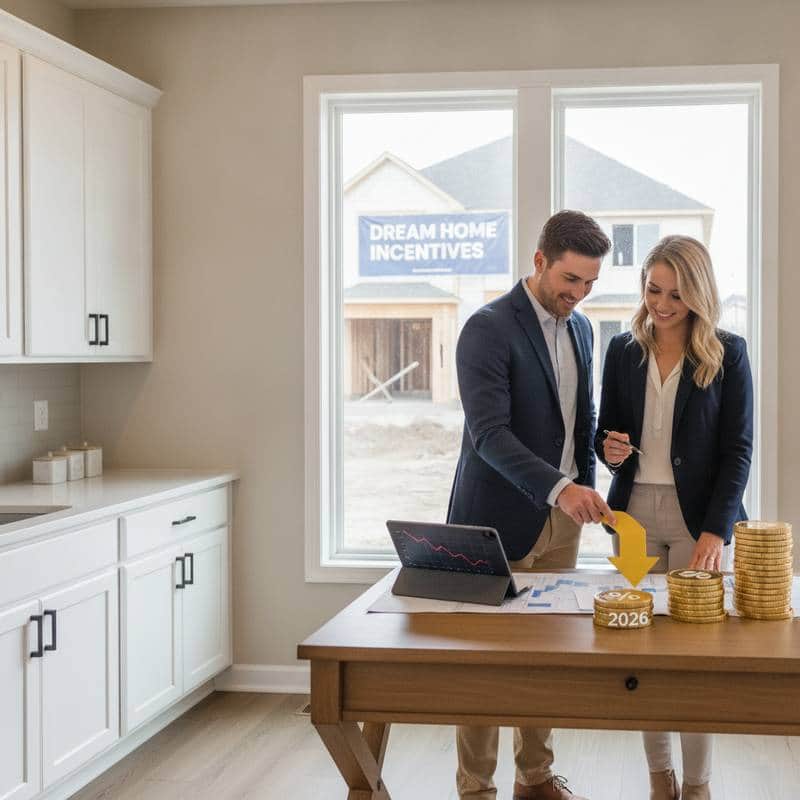
Builders aim to complete sales, and high rates hinder progress significantly. Buydowns instill buyer confidence, fostering mutual benefits: manageable payments for buyers and sustained project momentum for builders.
Builders frequently collaborate with designated lenders to expedite implementation. These offers may integrate with additional perks, such as closing cost coverage or selected upgrades. Inquire about current promotions, as builders adjust incentives according to inventory levels and market timing, revealing unexpected flexibility.
Evaluating Advantages and Drawbacks
Advantages:
- Reduced starting payments. This simplifies loan qualification and liberates funds for settling in or building reserves.
- No cost to the buyer. Builders assume the expense, yielding direct savings absent additional borrowing.
- Refinancing potential. Declining rates later enable adjustments prior to the full rate activation.
Drawbacks:
- Limited duration. Relief proves temporary, necessitating preparation for eventual payment rises.
- Full-rate qualification. Lenders assess eligibility using the permanent rate exclusively.
- Variable availability. Offerings differ across builders and lenders, demanding thorough comparisons.
Request a year-by-year payment schedule from the lender to visualize changes and refine budgeting strategies.
Key Financial Illustrations
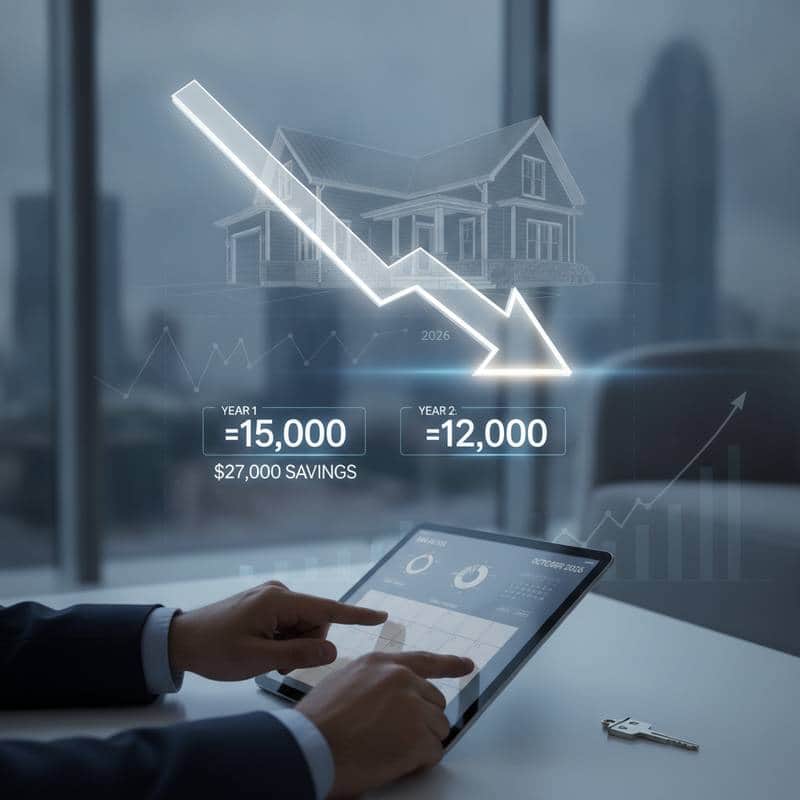
Consider a $400,000 loan at a 6.5 percent permanent rate. A 2-1 buydown might yield a 4.5 percent rate in year one, reducing monthly payments by approximately $500 to $600. This translates to over $6,000 saved annually, with the builder funding the adjustment as a promotional measure.
In competitive regions, such incentives grow more robust. Buyers often determine that buydown savings surpass the value of standard customization options, tipping decisions toward enhanced kitchens over basic alternatives.
Collaborating with Area Lenders and Builders
Regional lenders possess detailed knowledge of buydown providers and configurations. In various locales, builders align with community banks or brokers to accelerate processing. Seek recommendations, particularly for new developments.
Certain builders in niche markets extend extended buydowns or pair them with benefits like waived appraisals or lowered title costs. Alternatives may include selecting between a buydown and a fixed credit for designs. Evaluations hinge on builder stock and sales urgency.
One comparison revealed a 2-1 buydown versus a $10,000 design allowance; calculations showed the former alleviated monthly burdens more effectively than aesthetic enhancements.
Finalizing Your Choice
Opting for a buydown extends beyond immediate reductions; it concerns overall comfort in early ownership phases. For those transitioning from rentals or smaller residences, gradual payment increases prove transformative.
Pose these inquiries prior to commitment:
- Which party funds the buydown?
- What duration applies to the rate reduction?
- How much total savings accrue in the initial years?
- Does refinancing incur penalties later?
Clarity on these points prevents unforeseen issues and confirms the incentive's alignment with personal goals.
Sustaining Your Home Investment
After obtaining the buydown and settling in, prioritize financial steadiness. Direct early savings toward an emergency reserve, debt reduction, or value-adding modifications like efficient lighting, automated climate controls, or durable landscaping.
For future refinancing, monitor credit health and interest trends. Proactive management positions buyers to capitalize on favorable shifts promptly.