Loading...

Hempcrete Walls Go Mainstream in 2026 | Sustainable Building Guide | multihb.com | Multi HB - Home Building, Construction Trends, Financing New Homes
Skip to main content
MULTI HB
HomeBudgeting & FinancingConstruction Materials & MethodsConstruction TrendsContractors & Project ManagementSearch
  1. Home
  2. /
  3. Construction Materials & Methods
  4. /
  5. Hempcrete Walls Going Mainstream in 2026
Construction Materials & Methods

Hempcrete Walls Going Mainstream in 2026

Your comprehensive resource for home building expertise, construction insights, and financing strategies to help you build your dream home efficiently and cost-effectively.

Categories

Budgeting & FinancingConstruction Materials & MethodsConstruction TrendsContractors & Project ManagementDesign & Floor PlansHome Building BasicsHomeowner Tips & MaintenanceInspections & Quality Checks

Links

  • Home
  • Search Articles
  • About Us
  • Privacy Policy
  • Terms of Service

© 2026 Multi HB. All rights reserved.

by
Emily Lockwood
2026-04-26 04:48:07April 26, 2026
5 min read
Featured image for Hempcrete Walls Going Mainstream in 2026
2026-04-26 04:48:07
Multi HB - Home Building, Construction Trends, Financing New Homes

Hempcrete Walls Set to Transform Mainstream Construction by 2026

During a visit to a compact eco-cabin, the texture of one wall caught attention. It possessed a subtle softness, reminiscent of chalk, yet conveyed a warmth absent in typical plaster finishes. The owner explained, “That is hempcrete.” What had seemed like a distant innovation suddenly appeared tangible, hinting at a shift in residential building practices.

Understanding Hempcrete and Its Growing Appeal

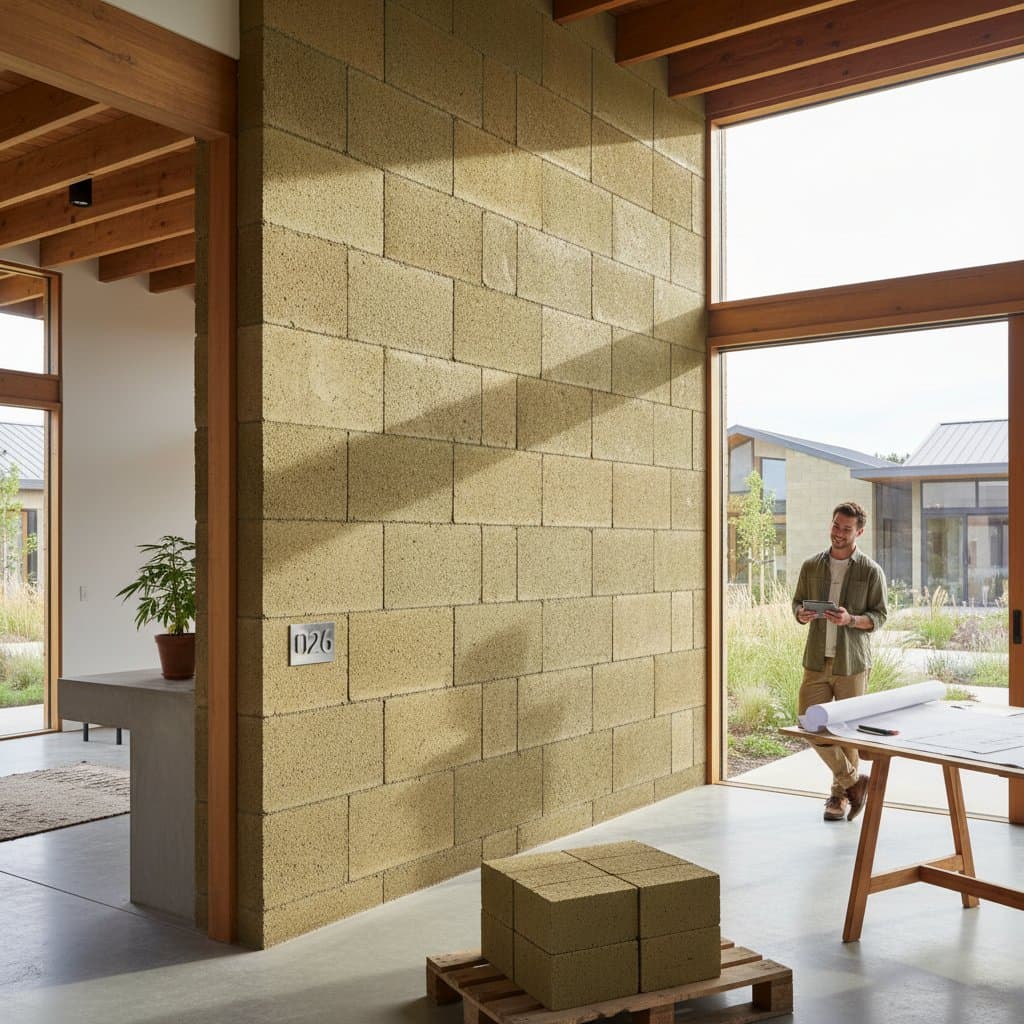
Hempcrete consists of the inner woody core of the hemp plant, known as hurds, combined with lime binder and water. Upon curing, this mixture creates a lightweight, porous block ideal for infill in framed structures. Its capacity to manage indoor climate without relying on mechanical aids draws widespread interest. Unlike dense concrete, hempcrete permits vapor diffusion, preventing moisture buildup and maintaining balanced humidity levels.

Consider hempcrete as an enveloping layer that enhances air quality in living spaces. Builders apply it within timber or steel frames, where it sequesters carbon dioxide throughout its lifecycle. The resulting surfaces exhibit a natural, understated elegance that requires minimal additional treatment.

Factors Driving Hempcrete's Rise to Prominence

Adoption of hempcrete accelerates as construction professionals and residents prioritize low-emission alternatives. Conventional concrete contributes significantly to global carbon outputs during production. Hempcrete counters this by capturing atmospheric carbon during hemp cultivation and retaining it in the cured material, achieving a net-negative environmental impact.

Contemporary preferences favor interiors that promote wellness and connection to nature. Hempcrete aligns with these desires through its tactile, matte finish, which complements elements like oak flooring, earthen plasters, and slate accents. This combination evokes a serene ambiance, akin to sunlight filtering through natural fabrics.

The Experience of Residing in Hempcrete-Enclosed Spaces

Envision entering a room where temperatures remain consistent without constant climate control adjustments. Walls provide structural integrity while allowing air circulation, ensuring freshness even during humid conditions. Hempcrete's hygroscopic properties absorb excess moisture and release it as needed, mitigating risks of mold growth and diminishing reliance on powered ventilation systems.

Additionally, these walls dampen noise effectively, fostering tranquility in occupied areas. The effect builds gradually; occupants often describe a pervasive sense of ease that enhances daily comfort without overt intervention.

Comparing Hempcrete to Conventional Building Materials

Hempcrete differs from traditional options in several key aspects:

  1. Weight and Framework Integration: Significantly lighter than poured concrete, hempcrete suits non-load-bearing applications within lightweight timber skeletons, easing transportation and installation.

  2. Thermal Efficiency: It delivers high insulation values naturally, often eliminating the need for supplementary layers and lowering overall energy demands.

  3. Longevity: Non-structural yet enduring, hempcrete withstands environmental stresses for generations. The lime component shields hemp fibers from decay, insects, and fungal attacks.

  4. Surface Treatment: Options include leaving it exposed for authenticity or applying limewash for subtle color variations. It integrates seamlessly with sustainable features such as salvaged timber paneling or geometric ceramic elements.

  5. Economic Considerations: Initial expenses may exceed those of standard drywall, yet reduced utility bills and maintenance needs yield savings over time.

Professionals familiar with hempcrete appreciate its workability. The mixture sets gradually, allowing adjustments during application, which contrasts with the rigidity of faster-curing alternatives. This trait appeals to independent builders and those undertaking partial overhauls.

Key Considerations for Incorporating Hempcrete

Prospective users should evaluate several elements to ensure successful implementation:

  • Regional Climate Suitability: Optimal in temperate zones, hempcrete may require augmented insulation in harsh winters, such as combining it with rigid foam boards for enhanced R-values.

  • Water Management: Although moisture-regulating, direct exposure demands safeguards like extended roof eaves and sloped foundations to channel runoff effectively.

  • Regulatory Compliance: Verify local standards, as some jurisdictions now certify hempcrete equivalents to approved insulators. Engage certified contractors to navigate approvals.

  • Expert Guidance: Precise proportions—typically one part lime to two parts hurds—affect performance. Initial consultations with specialists prevent errors in mixing or curing.

The Broader Movement Toward Earth-Derived Building Solutions

Materials sourced from renewable origins provide a sense of continuity with the natural world. Hempcrete embodies this principle, supporting trends that emphasize layered textures and organic palettes. Neutral shades of beige, ochre, and soft grays harmonize with it, yielding spaces that balance contemporary lines with inherent warmth.

Beyond visual appeal, hempcrete addresses wellness and ecological imperatives. It minimizes volatile organic compound emissions and supports biodiversity through hemp farming. This dual benefit resonates with those seeking residences that align personal health with planetary stewardship.

Integrating Hempcrete into Diverse Projects

Hempcrete suits various scales beyond full-scale builds. Architects incorporate it in feature partitions or outdoor pavilions to introduce biophilic elements. In existing structures, it serves as a retrofit infill, supplanting outdated insulations and revitalizing energy performance.

Concerns over upkeep prove unfounded with hempcrete. The lime binder evolves, strengthening bonds without periodic interventions like varnishing. Its inert nature avoids chemical releases, ensuring sustained indoor purity.

Embracing the Enduring Qualities of Hempcrete Design

Hempcrete's appeal lies in its graceful evolution. Surfaces acquire a subtle sheen over years, reflecting occupancy and care. This organic progression transforms homes into evolving sanctuaries.

For retreats or primary dwellings, hempcrete encourages intentional living. It prioritizes holistic efficiency alongside nurturing environments. As integration becomes routine by 2026, it heralds accessible paths to resilient, restorative architecture.

Touch a hempcrete surface, and sense its inherent poise. This unassuming quality may redefine expectations for comfortable, conscientious homes.

You Might Also Like

USDA Loans Bundle Solar Into Rural Construction Financing

Mass Timber Towers Reach New Heights in 2026 Codes

Bridge Loans Let You Build Before You Sell

Concrete That Absorbs Carbon Instead of Releasing It

Hempcrete Walls Breathe, Resist Fire and Mold Naturally

Tagged:

materials,construction,hempcrete,alternative,building,homes,hempcrete-construction,carbon,negative,alternative-building-materials

Recent Articles by Emily Lockwood

Image for Concrete That Absorbs Carbon Instead of Releasing It

Concrete That Absorbs Carbon Instead of Releasing It

April 24, 2026
Image for Save $40K in 2026 with Smart 2-1 Rate Buydown

Save $40K in 2026 with Smart 2-1 Rate Buydown

April 23, 2026
Image for 2-1 Buydown Saves Homebuyers $40K in Two Years

2-1 Buydown Saves Homebuyers $40K in Two Years
April 23, 2026
Image for Builder Buydowns Cut New Home Payments Two Years

Builder Buydowns Cut New Home Payments Two Years

April 22, 2026
Image for Builder Rate Buydowns: Real Deal or Dressed Up Marketing?

Builder Rate Buydowns: Real Deal or Dressed Up Marketing?

April 18, 2026

Related: materials

Image for Concrete That Absorbs Carbon Instead of Releasing It

Concrete That Absorbs Carbon Instead of Releasing It

April 24, 2026
Image for Hempcrete Walls Breathe, Resist Fire and Mold Naturally

Hempcrete Walls Breathe, Resist Fire and Mold Naturally

April 24, 2026
Image for Hempcrete Walls Finally Approved in Building Codes

Construction Materials & Methods

Hempcrete Walls Going Mainstream in 2026

Hempcrete, composed of hemp hurds, lime, and water, emerges as a carbon-sequestering material poised to redefine sustainable building by 2026. This lightweight, breathable option provides superior insulation and healthier living spaces. With evolving regulations and growing eco-demand, hempcrete delivers an organic aesthetic and practical benefits for modern homes.

April 26, 2026

Concrete That Absorbs Carbon Instead of Releasing It

Carbon-negative concrete captures CO2 during production, offering robust performance and tax credits for green builds. Ideal for homes and commercial spaces, it combines durability, design flexibility, and environmental impact reduction.

April 24, 2026

Hempcrete Walls Breathe, Resist Fire and Mold Naturally

Hempcrete revolutionizes construction through breathable walls that resist fire and mold, offering sustainable solutions for comfortable, carbon-storing homes built to endure.

April 24, 2026

ICFs Cut Energy Bills 60% With Concrete and Foam

Categories

Budgeting & Financing
Construction Materials & Methods
Construction Trends
Contractors & Project Management
Design & Floor Plans
Home Building Basics
Homeowner Tips & Maintenance
Inspections & Quality Checks
Renovation & Additions
Sustainability & Energy Efficiency
Hempcrete Walls Finally Approved in Building Codes
April 21, 2026
Image for 12 States Now Require Carbon-Neutral Concrete

12 States Now Require Carbon-Neutral Concrete

April 15, 2026
Image for Biochar Concrete Locks Carbon Inside Your Home's Walls

Biochar Concrete Locks Carbon Inside Your Home's Walls

April 1, 2026

Insulated Concrete Forms (ICFs) integrate the durability of concrete with advanced insulation to reduce home energy consumption by up to 60 percent. Although the initial investment exceeds traditional methods, ICFs provide substantial ongoing savings, improved comfort, and reduced noise. Discover how airtight seals, strategic design, and thermal mass contribute to the enduring efficiency of ICF construction for sustainable homes.

April 23, 2026

Hempcrete Walls Finally Approved in Building Codes

Hempcrete walls achieve formal building code approval in 2026, advancing sustainable building practices. This innovative, carbon-negative material enhances natural insulation, moisture control, and comfort, enabling seamless integration into mainstream eco-conscious architecture.

April 21, 2026

12 States Now Require Carbon-Neutral Concrete

Twelve states enforce carbon-neutral concrete requirements for public works, transforming construction practices. This guide details sustainable options that maintain performance, reduce costs over time, and position homes for future market demands in green building.

April 15, 2026

Biochar Concrete Locks Carbon Inside Your Home's Walls

Set to debut in 2026, carbon-negative homes incorporate biochar into concrete and insulation to sequester carbon permanently. These designs combine breathable interiors, energy-efficient features, and natural appeal, delivering lower emissions, enhanced durability, and meaningful environmental benefits.

April 1, 2026

Hempcrete Walls Lock Carbon While Fireproofing Your Home

Hempcrete walls transform sustainable construction with fireproof protection, carbon sequestration, and natural insulation. Composed of hemp, lime, and water, they maintain comfortable temperatures, deter mold, and improve air quality. Despite higher upfront costs, the enduring energy efficiency and environmental advantages position hempcrete as an ideal option for resilient, forward-looking residences.

March 31, 2026

Carbon-Negative Concrete Now Available in 12 States

Carbon-negative concrete revolutionizes building in twelve states by sequestering carbon during curing. This durable, attractive material matches traditional performance while advancing environmental goals for communities.

March 17, 2026

New Codes Allow Mass Timber Buildings Up to 18 Stories

Updated 2026 codes permit mass timber buildings up to 18 stories, revolutionizing sustainable high-rise development. Lighter and more eco-friendly than steel or concrete, these structures accelerate construction while demanding expertise in fire safety and design integration for optimal results.

March 16, 2026

Carbon-Neutral Concrete Cuts Emissions While You Build

Carbon-neutral concrete reshapes sustainable home design by 2026, combining strength, aesthetic appeal, and environmental benefits. Incorporating recycled materials and carbon-capture methods, this innovative option offsets production emissions and provides long-lasting, refined surfaces. Homeowners achieve modern, efficient interiors that prioritize sustainability without sacrificing style.

March 14, 2026

New Building Codes Help Homes Withstand Storms and Fires

The 2026 building codes elevate home durability with enhanced wind resistance, fire-resistant features, and robust structural designs. Innovations such as impact-resistant windows and ember-proof vents enable homeowners to construct secure, enduring residences. Understand how advanced materials, strategic planning, and targeted modifications foster protection and tranquility amid environmental challenges.

March 13, 2026

Hempcrete Earns Code Approval for Green Building

Hempcrete achieves code approval, advancing sustainable building. Composed of hemp, lime, and water, it provides insulation, moisture control, and carbon sequestration. This milestone enables builders to deliver energy-efficient, comfortable spaces that meet modern standards.

March 13, 2026

Hempcrete Gets Building Code Approval for Legal Use

The approval of hempcrete under building codes represents a significant advancement in sustainable construction practices. Composed of hemp hurds, lime, and water, this material delivers breathability, carbon-negative properties, and effective insulation. With this legal recognition, builders gain the confidence to integrate hempcrete into projects, shifting eco-friendly building toward widespread adoption and environmental benefits.

March 12, 2026

Hempcrete Now Legal in 15 More States for Building

Hempcrete, a sustainable building material derived from hemp, lime, and water, gains legal status in 15 more states. This development enables local production, reduces expenses, and promotes energy-efficient designs. As a durable, mold-resistant option, hempcrete advances carbon-negative construction for modern homes.

March 12, 2026

Hempcrete Walls Absorb Carbon While They Insulate

Hempcrete redefines sustainable construction by delivering breathable, carbon-negative walls that offer natural insulation and enduring appeal. Builders increasingly turn to this hemp-lime composite for its robustness, indoor comfort, and aesthetic versatility. As education programs grow and pricing stabilizes, industry forecasts indicate a significant expansion in hempcrete applications by 2026.

March 10, 2026

Mass Timber Brings Warmth and Carbon Storage to Apartments

Mass timber redefines multi-family high-rises through sustainable engineering, natural aesthetics, and efficient building processes. This material enables lighter frameworks, lower emissions, and interiors that foster a sense of warmth and connection to nature. By 2026, urban developments increasingly adopt mass timber to balance innovation with environmental responsibility.

March 8, 2026

2026 Concrete Cuts Builder Emissions by 90 Percent

The innovative 2026 concrete mix reduces construction emissions by up to 90 percent without compromising strength or aesthetics. Incorporating recycled materials, captured carbon, and efficient sourcing, it matches traditional concrete performance while positioning building practices as a key climate solution. Learn how these sustainable bases are redefining the construction landscape, one application at a time.

March 6, 2026

Mass Timber Towers Reach 18 Stories in 2026 Code Change

New 2026 building codes permit mass timber towers up to 18 stories, revolutionizing urban construction. This engineered wood solution delivers sustainability, rapid assembly, and aesthetic appeal, enabling developers to create lighter, carbon-sequestering buildings that enhance cityscapes.

March 5, 2026

Building Homes That Withstand Fire and Flood

2026 building codes transform home construction with fire- and flood-resistant innovations. Non-combustible exteriors, elevated bases, and ember barriers ensure safety, aesthetics, and eco-friendliness, empowering owners to secure assets and embrace weather challenges confidently.

March 4, 2026