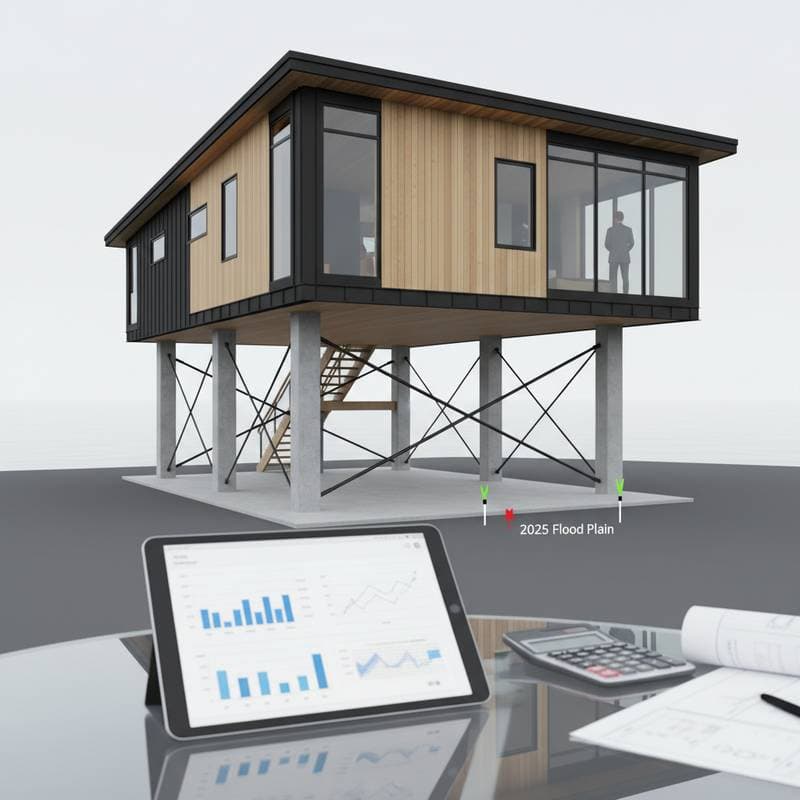
2025 Flood Mandates: The True Costs of Elevated Foundations
Homeowners in flood-prone areas confront difficult decisions as 2025 flood mandates require elevated structures. These regulations aim to enhance resilience against rising waters, yet the process involves more than structural adjustments. Homeowners must consider financial implications, design modifications, and lifestyle changes to achieve compliance and security.
The decision to elevate a home extends beyond technical requirements. It reshapes the connection between the structure and its surroundings, influencing daily routines and long-term property value. By understanding these elements, individuals can make informed choices that balance protection with practicality.
How Elevated Foundations Function
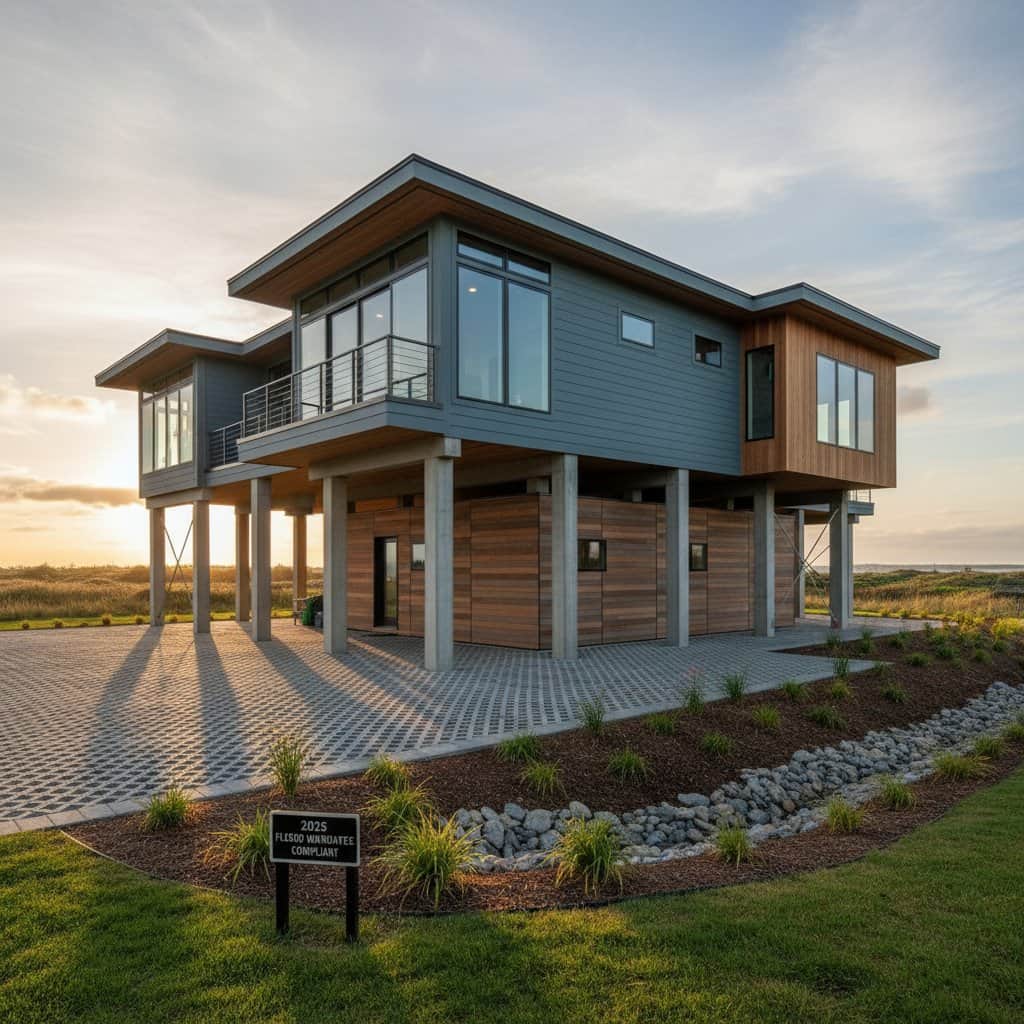
An elevated foundation raises the primary living area above anticipated flood levels, creating a barrier against water intrusion. Engineers design these systems to withstand hydrodynamic forces while maintaining structural integrity. Common configurations include the following types, each suited to specific environmental conditions.
-
Pier and Beam Systems
Vertical piers, typically constructed from reinforced concrete or steel, support the building frame. This design permits floodwaters to pass beneath the structure, reducing uplift pressures. In coastal regions, these systems facilitate natural airflow and simplify inspections for pests or corrosion. -
Stem Wall Foundations
Perimeter walls of concrete or block elevate the floor slab, often enclosing a crawl space below. Proper venting prevents moisture accumulation, which could lead to mold or foundation shifts. This option suits areas with moderate flooding, providing a stable base without excessive height. -
Fill and Slab Systems
Engineers import and compact fill material to raise the building site, followed by a poured concrete slab. Geotechnical assessments ensure the fill resists erosion and settling over time. This method integrates seamlessly with sloped landscapes but demands precise drainage planning to avoid water pooling.
Installation requires collaboration among structural engineers, licensed contractors, and local authorities. Professionals conduct site surveys to determine elevation needs, then coordinate adjustments to utilities such as water lines and HVAC systems. Each additional foot of height influences load distribution and material quantities, directly affecting project timelines.
Reasons Homes Remain at Ground Level
Elevation proves impractical for certain properties, particularly historic structures bound by preservation guidelines. Urban settings with limited lot sizes complicate lifting efforts, as access for heavy equipment becomes restricted. Some owners opt to pay elevated insurance premiums rather than undertake disruptive renovations.
Aesthetic and emotional factors also play a role. Ground-level homes foster a sense of intimacy with the landscape, from shaded porches to terraced gardens. Raising the structure disrupts this harmony, potentially isolating residents from neighbors and outdoor spaces.
Innovative designs mitigate these challenges. Breakaway walls, compliant with federal standards, yield under flood forces to minimize damage. Designated flood zones beneath the home, such as garages or utility rooms, accommodate water flow while safeguarding habitable areas. Landscape architects incorporate permeable surfaces and retention basins to manage runoff effectively.
Essential Questions for Project Planning
Thorough preparation transforms a daunting project into a manageable endeavor. Homeowners benefit from addressing these targeted inquiries early in the process.
-
What is the Base Flood Elevation (BFE) for my property?
This metric, derived from FEMA flood maps, indicates the expected water height during a 100-year flood event. Local codes typically require elevation one to two feet above the BFE for added safety margins. -
Which foundation types comply with local regulations?
Jurisdictions may mandate open designs in velocity zones or specify materials resistant to saltwater corrosion. Consult zoning boards to align plans with permitted configurations. -
How does elevation impact site access and usability?
Anticipate modifications to pathways, including elevated walkways or hydraulic lifts for accessibility. Budget for retaining walls if slopes alter drainage patterns. -
What insurance reductions result from elevation?
Contact providers for quotes based on post-elevation flood zones. Savings often offset 20 to 50 percent of premiums, depending on the risk reduction achieved. -
Does the project influence adjacent properties?
Hydrologic modeling ensures redirected flows do not burden neighbors. Incorporate swales or French drains to maintain equitable water distribution. -
Is a phased approach feasible?
Prioritize elevating critical components like electrical panels and plumbing first. Full lifts can follow, minimizing temporary disruptions to occupancy.
These inquiries reveal site-specific nuances, enabling customized solutions that enhance rather than compromise livability.
Weighing Expenses Against Future Benefits
View elevation as a strategic investment that safeguards assets amid increasing climate risks. Initial outlays cover engineering, materials, and labor, yet they yield returns through avoided repairs and reduced insurance obligations. For a typical single-family home, costs range from $100,000 to $300,000, varying by size, location, and elevation height.
Budgets constrain options, so explore alternatives for moderate-risk areas.
-
Partial Elevation Strategies: Target vulnerable elements, such as relocating furnaces to upper levels or installing sump pumps in basements. This approach limits scope while addressing immediate threats.
-
Floodproofing Techniques: Apply waterproof coatings, sump systems, and backflow valves to lower enclosures. These methods suit slab-on-grade homes without structural lifts.
-
Site Grading Enhancements: Construct earthen berms or install rain gardens to steer surface water away from foundations. Vegetated buffers absorb excess moisture, integrating protection with aesthetic appeal.
Selection hinges on flood frequency, soil stability, and regulatory demands. Professional consultations refine these choices, ensuring optimal risk mitigation within financial parameters.
Strategies for Resilient Home Adaptation
Elevating a home positions it for enduring protection in an era of frequent storms. Homeowners who plan meticulously emerge with structures that not only meet mandates but also enrich daily life. By prioritizing expert guidance and innovative designs, individuals secure their investments and contribute to community-wide resilience.