Builders Adopt Hempcrete for 2026 Mainstream Integration
Imagine entering a home where the air remains fresh and balanced, walls retain gentle warmth, and natural light diffuses evenly. These qualities arise from construction with hempcrete, a material that combines solidity with vitality. Builders recognize its potential, positioning it as a viable alternative in modern projects.
Reasons for Growing Interest Among Homeowners and Builders
Homeowners seek residences that provide year-round comfort, aesthetic appeal, and minimal environmental impact. Traditional concrete delivers durability but contributes significantly to carbon emissions. Hempcrete, composed of hemp plant cores, lime, and water, presents a superior option. It achieves carbon negativity by sequestering more carbon dioxide than it releases across its lifecycle.
This environmental advantage draws builders, alongside practical performance benefits. Hempcrete maintains stable indoor temperatures, resists mold growth, and endures for generations. Its lightweight nature simplifies handling and shaping during installation, reducing physical strain on work crews.
Key Distinctions of Hempcrete
Conventional concrete often retains moisture and heat, leading to uncomfortable indoor conditions that vary with seasons. Hempcrete functions differently by permitting vapor transmission, which stabilizes humidity levels. This property inhibits mold development and supports consistent temperatures with reduced dependence on mechanical systems.
The following attributes highlight hempcrete's uniqueness:
-
Carbon-Negative Properties
Hemp plants capture carbon dioxide during growth. When bound with lime, the material sustains this absorption over time. One residential structure can sequester multiple tons of carbon. -
Enhanced Thermal Performance
Hempcrete offers reliable thermal mass, unlike stiff insulation panels. This results in cooler summers and warmer winters, minimizing temperature fluctuations. -
Effective Moisture Management
The material's porous composition facilitates wall breathability. In applications exposed to wet conditions, it prevents dampness accumulation and odor formation. -
Resistance to Fire and Pests
Lime serves as an inherent fire suppressant, while the composition deters insect infestation. These traits reduce the need for chemical interventions, fostering a safer indoor environment.
Implementation Strategies for Builders
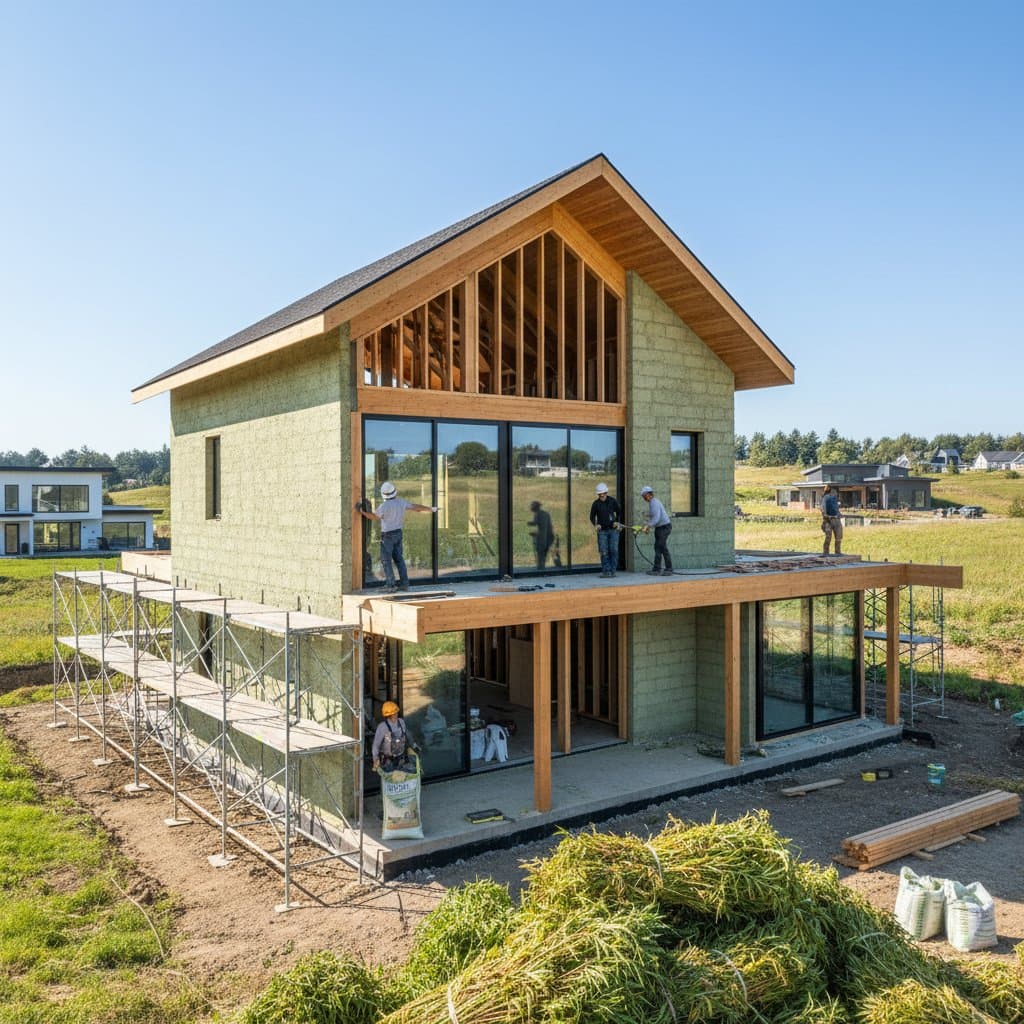
Builders encounter a manageable learning process with hempcrete. Preparation occurs on-site with basic tools. The material requires a timber framework for load support, as it provides insulation rather than structural strength. Applied around the frame, it hardens into a durable, stone-like form suitable for various finishes such as plaster, lime wash, or permeable paints.
Consider these steps for a successful hempcrete project:
-
Design for Permeability
Select finishes that permit moisture movement. Steer clear of non-breathable coatings or synthetic barriers. -
Precise Mixing Procedures
Achieve optimal strength and insulation by adhering to specified ratios of hemp hurds, lime binder, and water. Consult manufacturer instructions or test small batches for consistency in texture and curing duration. -
Layered Application Techniques
Utilize wooden or metal molds to deposit hempcrete in increments. Compact each layer gently to promote even density while preserving fiber integrity. -
Refinement After Curing
Smooth surfaces post-hardening and apply protective layers. A lime-based plaster with neutral tones yields a refined, understated elegance.
Addressing Practical Considerations: Costs, Timelines, and Availability
Hempcrete demands extended drying periods compared to conventional concrete, requiring careful scheduling. Curing for thicker walls may span weeks. Material expenses exceed basic options slightly, yet long-term savings in energy use and maintenance often offset this.
- Material Expenses: Hemp-lime blends align with mid-to-high-range insulation costs.
- Labor Requirements: Reduced weight eases transport and placement, potentially lowering overall labor demands.
- Project Duration: Allocate additional weeks for complete curing.
- Sourcing Options: Areas with hemp cultivation feature expanding suppliers. Builders' outlets increasingly offer ready-mixed products or compatible binders for residential scale.
For renovations, initiate with modest applications like partition walls or outbuildings. Such trials reveal benefits in air quality and acoustics.
Opportunities in Design and Surface Treatments
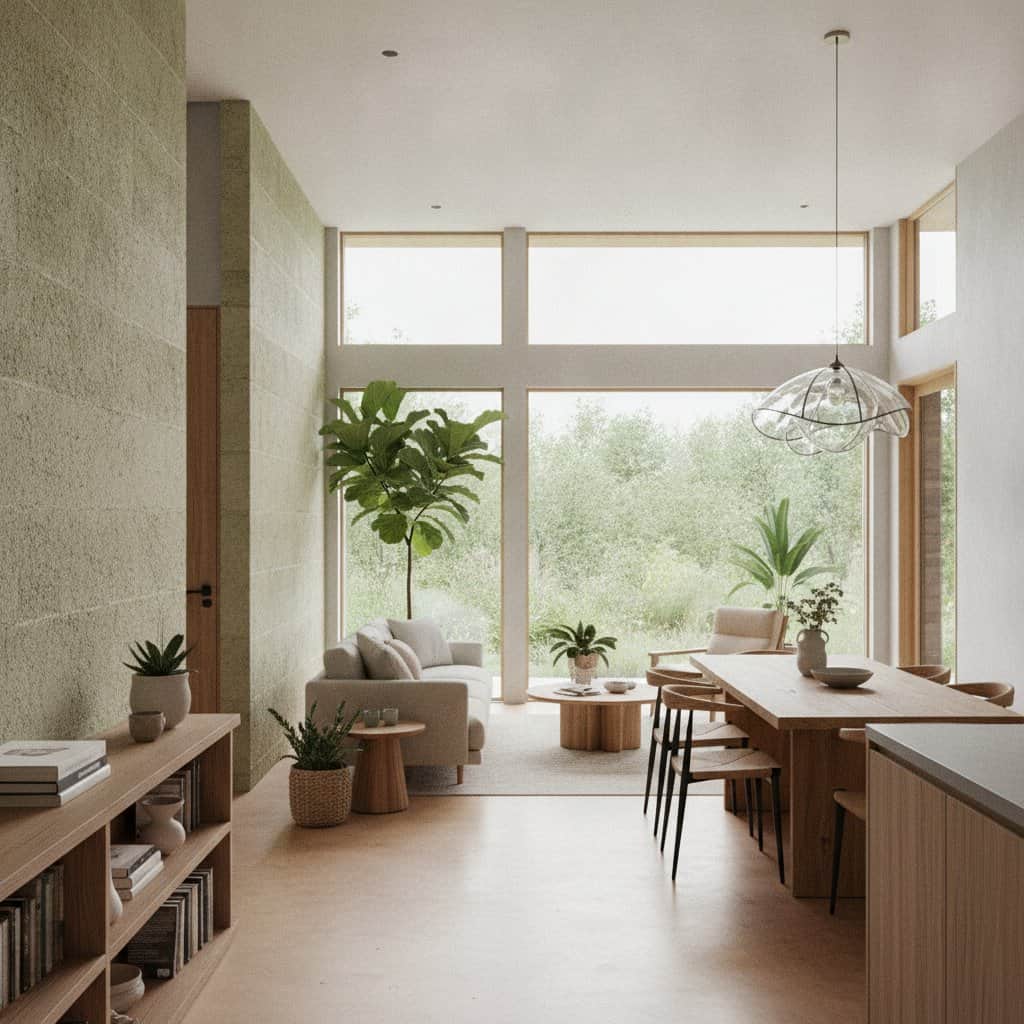
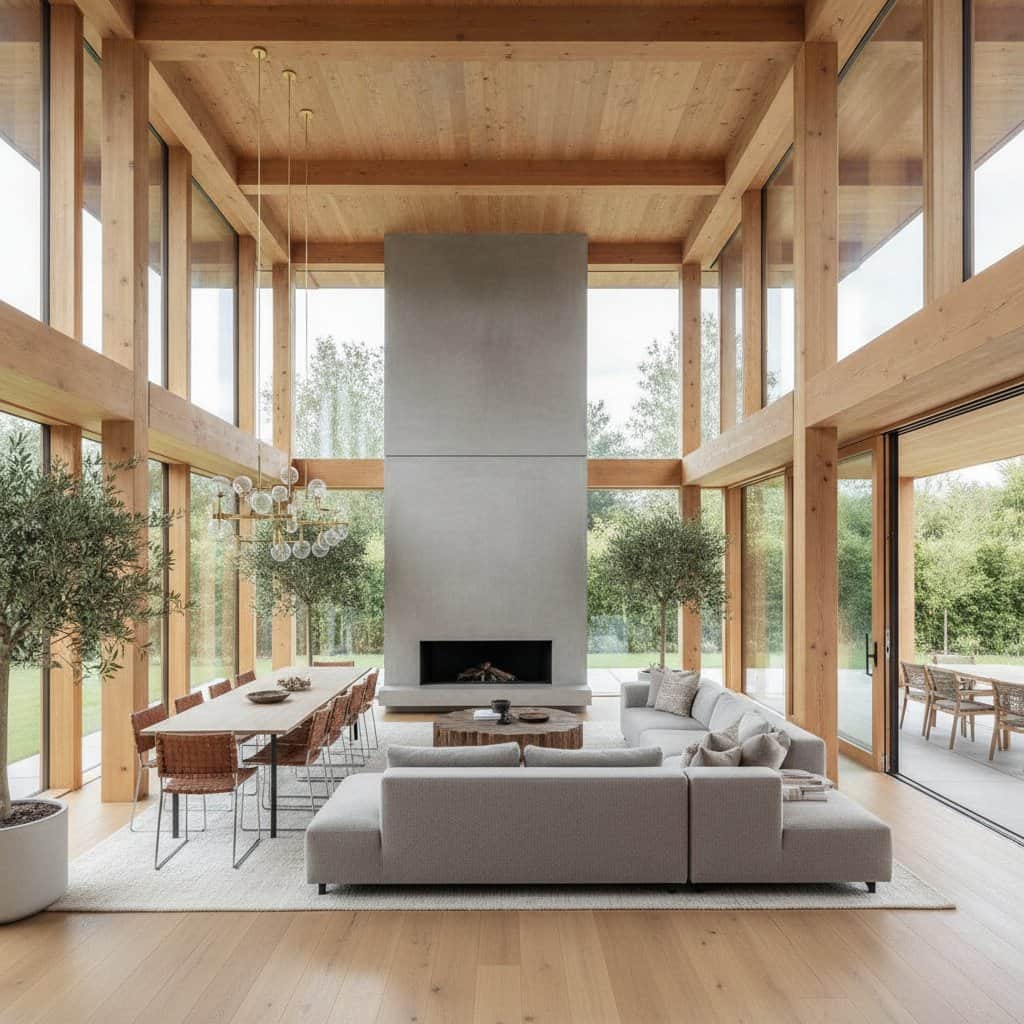
Hempcrete accommodates diverse aesthetics beyond raw textures. Exposed surfaces suit organic styles, while smoothed and painted versions fit sleek interiors. It pairs effectively with wood elements, earthen tiles, or salvaged stone, bridging classic and modern architectures.
The material's light-diffusing quality enhances spatial harmony. Pairing it with bold accents, such as dark wood fixtures against light walls, cultivates serene environments.
Broader Implications of This Transition
Adopting hempcrete extends beyond sustainability to elevate living quality. It promotes superior air circulation, allergen reduction, and reconnection with organic elements. Builders value its non-toxic handling, free from irritants. Homeowners gain assurance from walls that actively purify air.
Urban and countryside developments alike benefit. Evolving regulations and robust supply networks propel hempcrete toward widespread acceptance. Direct experience encourages further incorporation in future endeavors.
Daily Life in Hempcrete Structures
Finished hempcrete requires minimal upkeep. Periodic lime plaster repairs preserve appearance. Self-regulating humidity minimizes common issues like flaking or residue. Gentle cleaning tools suffice for ongoing care.
Consult experienced local professionals for new constructions or overhauls. Insights on preparation and application prove invaluable. Advancements in prefabricated components will streamline adoption in coming years.
Steps to Incorporate Hempcrete
Integrating hempcrete advances comfort and ecological responsibility in building. It merges skilled workmanship with natural resources and thoughtful planning. Builders experimenting and homeowners seeking refined spaces will find compelling reasons to proceed. Begin modestly to discover its transformative effects on construction practices.