Mass Timber Gains Momentum: Evolving Costs and 2026 Codes
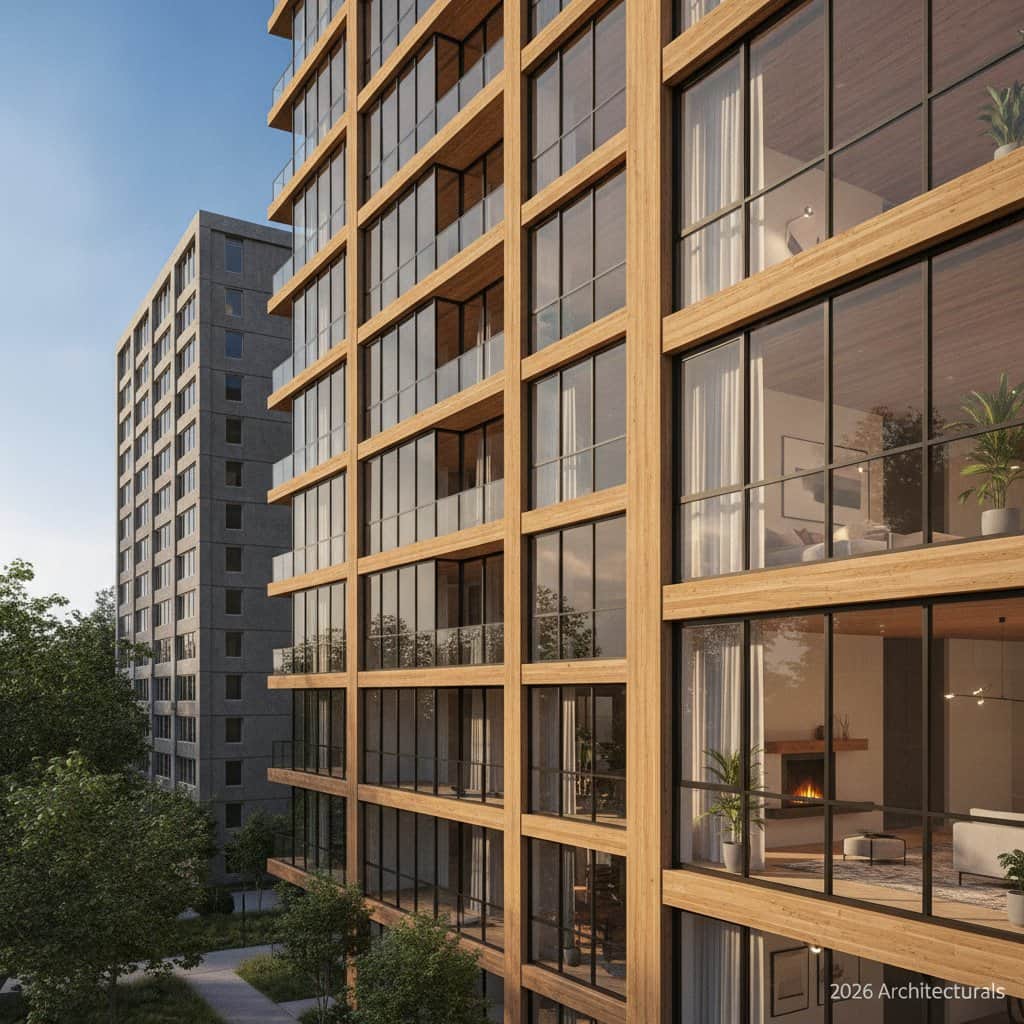
Engineered wood products such as cross-laminated timber (CLT) and glued laminated timber (glulam) represent a fusion of tradition and innovation in construction. These materials provide robust structural support while embodying natural warmth and sustainability. As production scales and regulatory frameworks adapt, mass timber positions itself as a viable alternative to steel and concrete in diverse projects.
The shift toward mass timber reflects broader industry demands for reduced environmental impact and enhanced building performance. Developers and architects increasingly select these materials for their ability to create open, inviting spaces. With 2026 code revisions on the horizon, the practical advantages of mass timber become even more compelling.
Distinct Advantages of Mass Timber
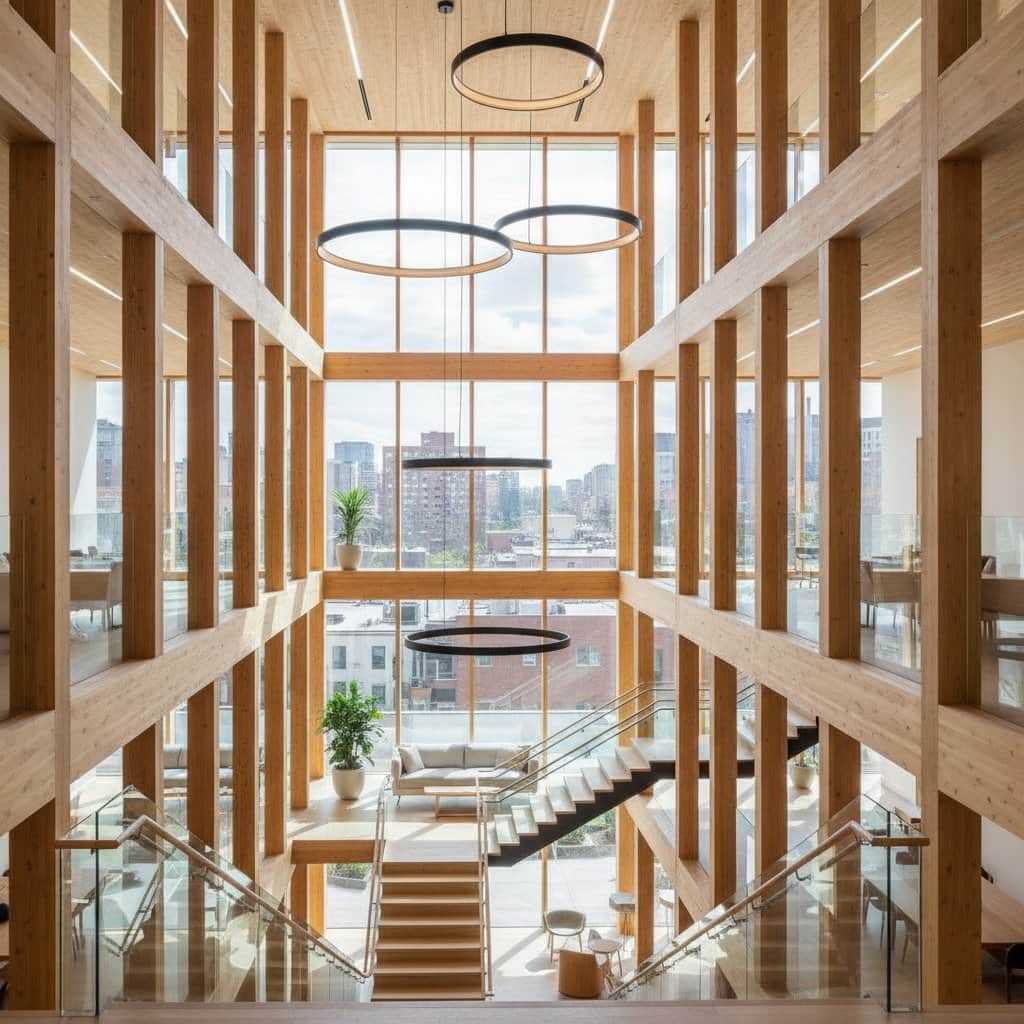
Mass timber structures offer a sensory experience distinct from traditional materials. Natural light interacts uniquely with wood surfaces, creating softer ambiance and visual depth. This quality enhances occupant well-being and aligns with biophilic design principles that prioritize human connection to nature.
Structurally, CLT and glulam panels achieve high load-bearing capacities comparable to concrete. Their prefabricated nature allows for rapid assembly, minimizing on-site disruptions. For projects seeking both aesthetic appeal and functional efficiency, mass timber delivers a balanced solution.
Declining Costs and Economic Viability
Historically, mass timber commanded premium pricing due to limited production capacity. Recent expansions in manufacturing facilities have increased supply, stabilizing costs for CLT panels and glulam beams. Transportation expenses decrease as regional suppliers emerge, and economies of scale further reduce per-unit prices.
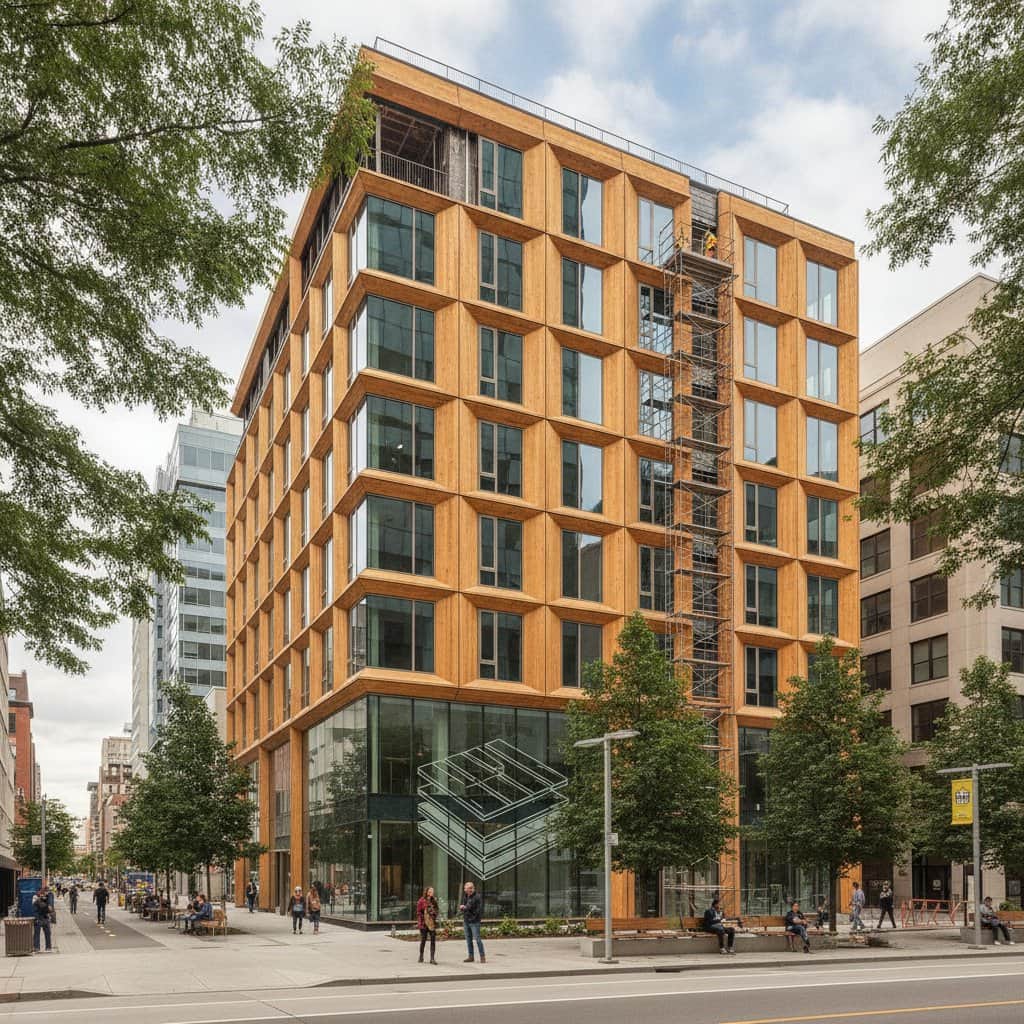
Prefabrication streamlines construction processes by enabling off-site assembly. This approach cuts labor requirements by up to 30 percent in mid-rise projects, offsetting initial material investments. In urban markets with high labor rates, total project costs for mass timber buildings often align with or undercut those of steel-framed equivalents.
Scale influences economic outcomes significantly. Residential developments benefit from standardized panel designs that simplify logistics. Commercial structures, such as office towers, leverage mass timber's speed to accelerate occupancy and revenue generation.
Building Codes Align with Timber Capabilities
Regulatory evolution addresses past concerns about mass timber's fire performance and height restrictions. Extensive testing demonstrates that CLT chars predictably on exterior surfaces while preserving inner-layer integrity. This behavior supports extended fire-resistance ratings without additional protective coatings in many applications.
The 2026 International Building Code updates will raise allowable heights for all-timber structures to 18 stories in certain jurisdictions. Hybrid designs integrating timber with concrete cores gain broader approval, accommodating seismic zones and acoustic needs. These changes empower architects to pursue ambitious forms previously reserved for non-combustible materials.
Compliance requires adherence to specific detailing standards. Connectors and joints must undergo rigorous evaluation to ensure load transfer under stress. As codes standardize these practices, approval processes streamline, reducing project timelines.
Sustainability Imperative and Carbon Benefits
Low-carbon goals dominate construction agendas, positioning mass timber as a strategic choice. Growing trees sequester atmospheric carbon, which remains stored in harvested lumber for the building's lifespan. Responsibly managed forests replenish resources, creating a renewable cycle absent in fossil-fuel-derived materials.
Embodied carbon emissions from mass timber production fall 45 to 65 percent below concrete equivalents, per lifecycle assessments. Shorter construction periods further lower operational energy use. Developers pursuing certifications like LEED or BREEAM find mass timber simplifies compliance through inherent environmental credentials.
Cultural preferences amplify this trend. Urban dwellers seek respite from sterile environments, favoring wood's tactile qualities. Mass timber bridges this gap, fostering spaces that promote mental health and community interaction.
Key Considerations for Implementation
Successful mass timber projects demand proactive planning across several domains. The following guidelines ensure optimal performance:
-
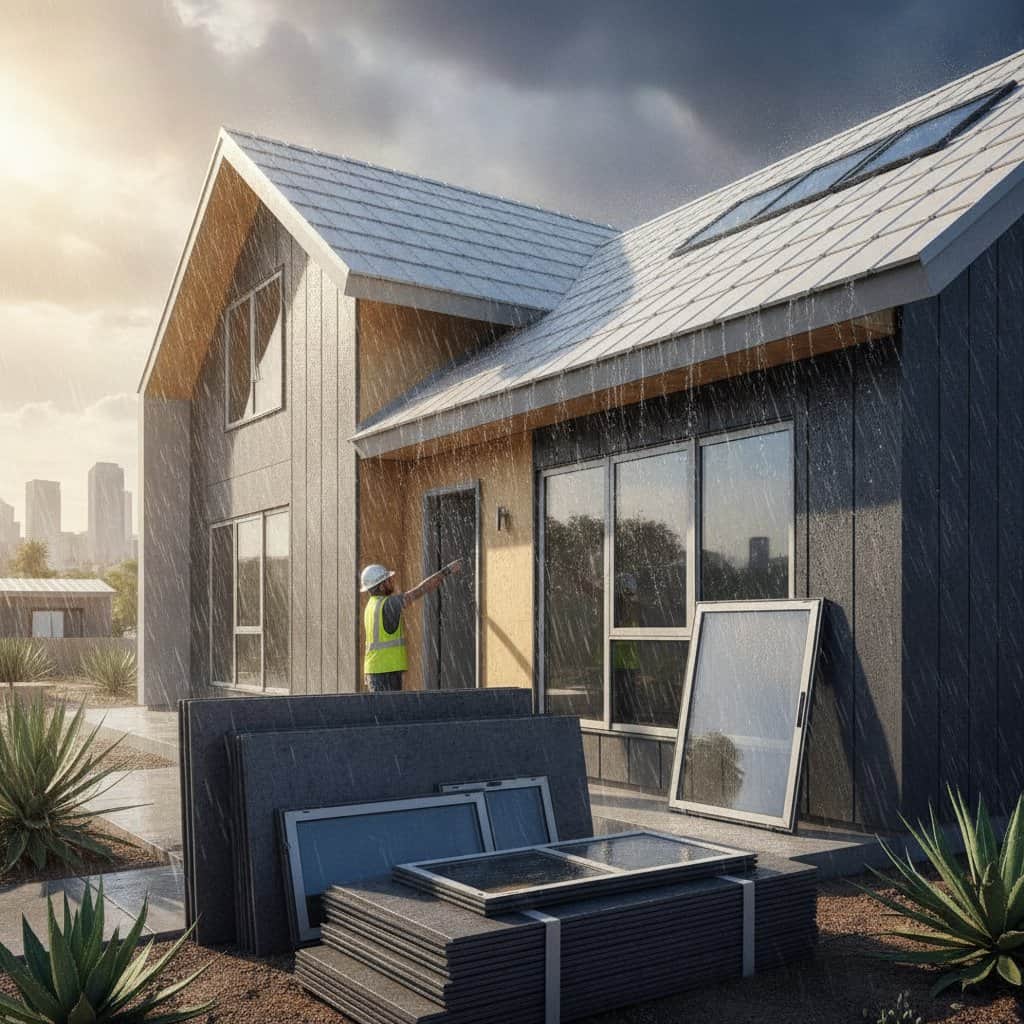
Moisture Management: Incorporate robust detailing for water shedding and vapor barriers. In humid regions, select treatments that enhance durability without compromising aesthetics.
-
Acoustic Optimization: Address sound transmission by integrating mass-loaded vinyl or resilient channels in floor assemblies. Hybrid walls combining timber with gypsum layers mitigate noise in multifamily settings.
-
Fire Strategy Development: Collaborate with certified engineers to model char rates and sprinkler interactions. Encapsulation techniques protect critical elements during early fire stages.
-
Supply Chain Coordination: Engage manufacturers early to align panel dimensions with design intent. Regional sourcing minimizes lead times and supports local economies.
-
Finish and Exposure Options: Balance exposed grain for visual impact with sealed surfaces for longevity. Custom milling allows integration of branding or artistic elements.
These steps transform potential challenges into opportunities for refined execution.
Integrating Technology with Timber Frameworks
Mass timber pairs seamlessly with contemporary building systems. HVAC ducts route through pre-cut channels in panels, simplifying installations. Building information modeling (BIM) tools simulate assembly sequences, minimizing errors and waste.
Modular construction amplifies these benefits, with factory-built modules stacking efficiently on site. This method suits high-density housing initiatives, delivering units 20 to 50 percent faster than conventional builds. Quality control in controlled environments ensures consistency and reduces defects.
Long-Term Performance and Maintenance
Mass timber endures with minimal intervention, developing patina that enhances character over time. Annual inspections focus on joints and finishes, with resealing addressing minor wear. Unlike metals prone to corrosion, wood resists degradation when properly detailed.
Occupants appreciate the material's thermal stability, which moderates indoor temperatures naturally. This quality reduces reliance on mechanical heating and cooling, extending system lifespans. For stakeholders, mass timber promises enduring value through resilience and adaptability.
Embracing Timber's Role in Future Builds
As 2026 approaches, mass timber equips the industry to meet escalating demands for sustainable, human-centered design. Costs continue to align with market realities, while codes unlock innovative possibilities. Projects adopting this material not only achieve environmental targets but also elevate user experiences in built environments.