20-Story Wood Towers: The Future of Urban Building
Wooden scale models in design shops often spark interest in timber architecture. These models highlight the warmth and natural appeal of wood, from its subtle scent to its light-absorbing qualities. Entire city towers constructed from timber blend poetic design with practical engineering, transforming urban landscapes.
Why Wood Captures Urban Imagination
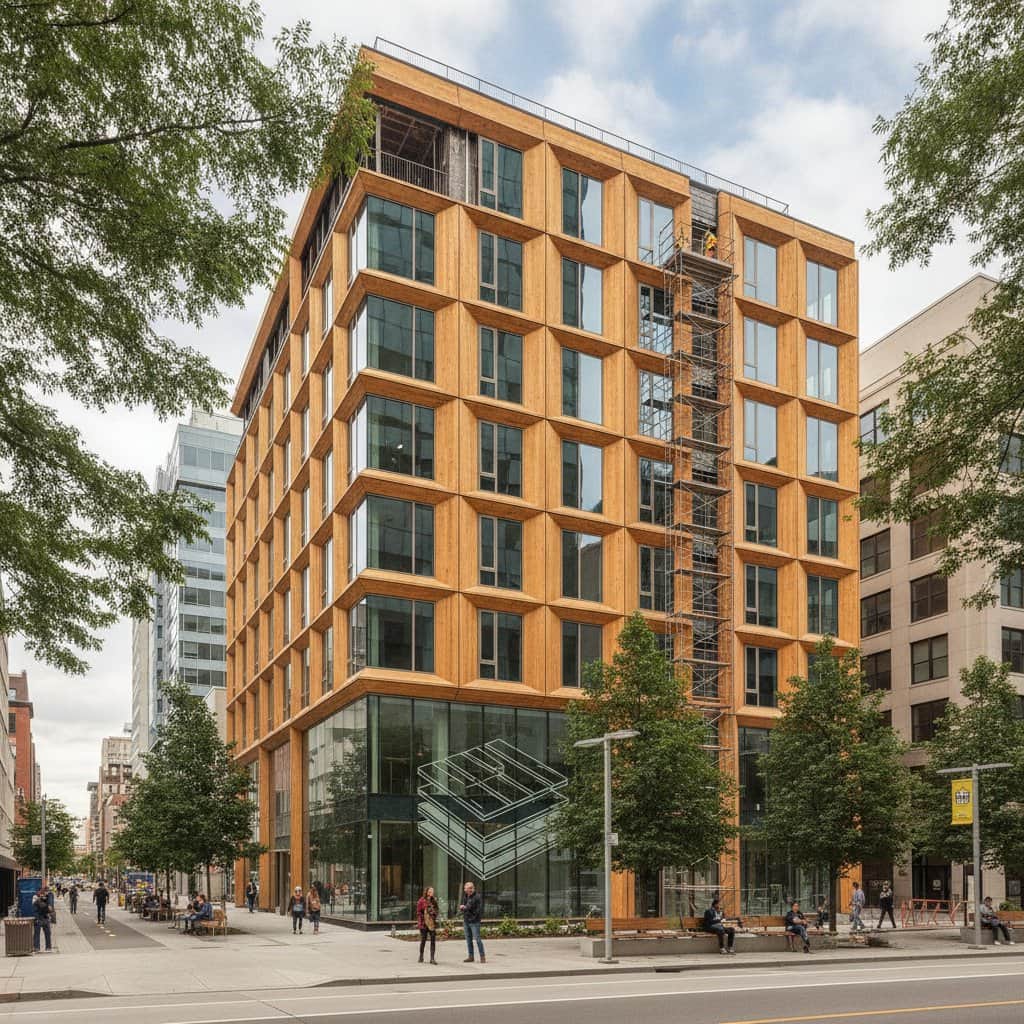
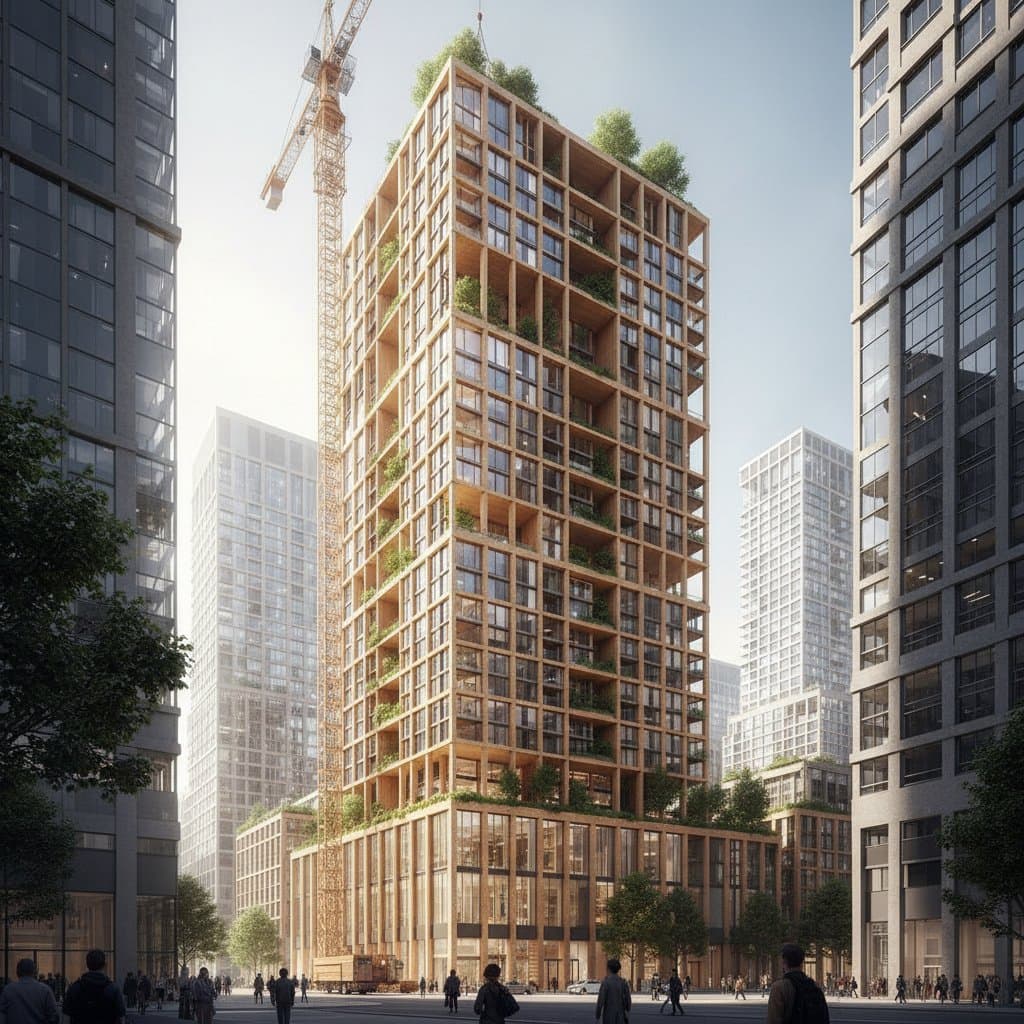
Tall buildings traditionally rely on concrete, glass, and steel, while wood served cabins and older homes. Recent advancements position wood as a viable option for high-rises through structural innovations like cross laminated timber (CLT). These twenty-story towers, built from layered and pressed timber panels, offer strength, reduced weight, and environmental benefits in global cities.
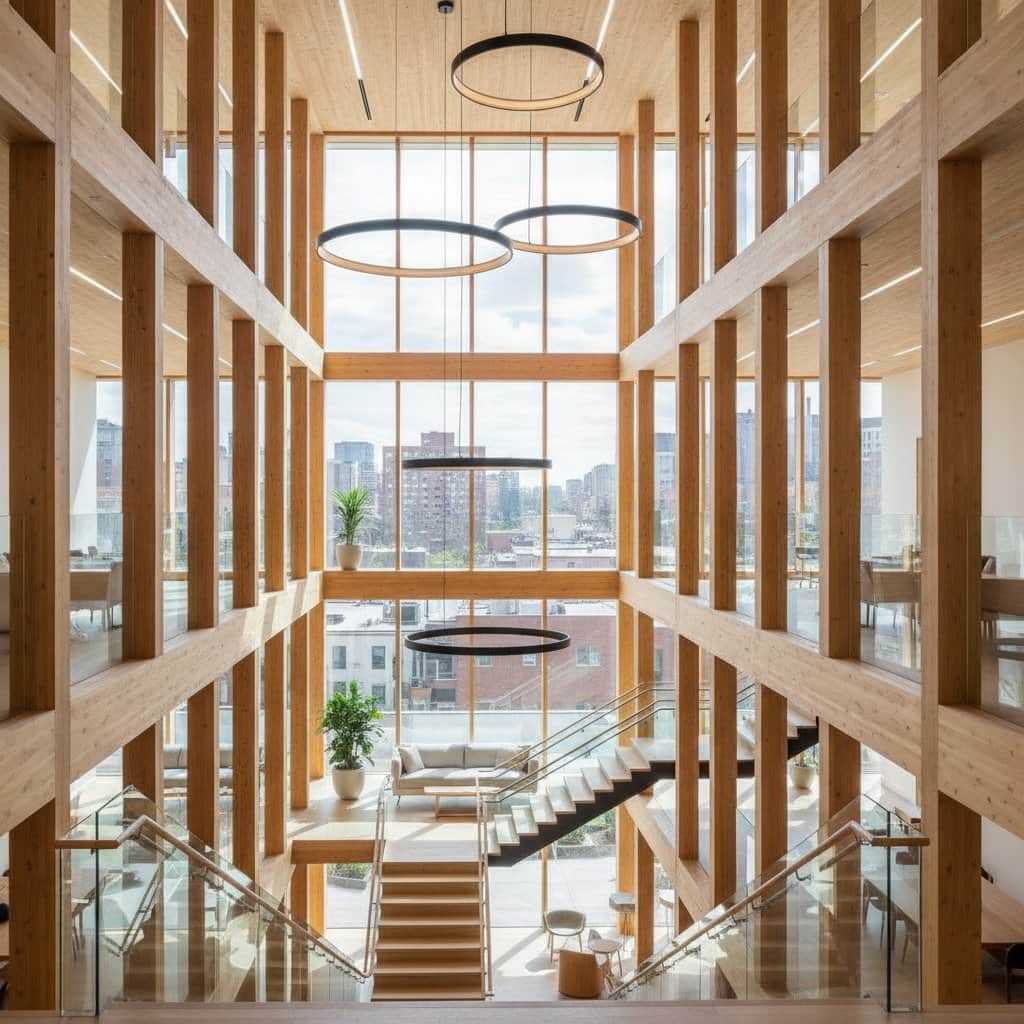
Mass timber constructions merge traditional warmth with contemporary efficiency. Interiors provide an organic, calming environment distinct from industrial alternatives. Exposed CLT elements reveal wood grain and craftsmanship, supported by precise engineering, redefining urban living spaces.
Key Features of Cross Laminated Timber
Cross laminated timber consists of wood boards layered at right angles, bonded, and compressed into rigid panels. This configuration evenly distributes loads, achieving concrete-like strength at a fraction of the weight. Smaller foundations result, along with quicker construction and simpler transport.
CLT sequesters carbon absorbed by trees during growth, contrasting with emission-heavy materials. Urban projects increasingly adopt mass timber to meet emission reduction goals. This approach supports responsible city expansion beyond mere visual or innovative appeal.
Safety and Durability of Tall Timber Structures
Fire safety concerns arise with wooden high-rises, yet CLT behaves differently from untreated wood. Exposure to flames chars the surface, creating a barrier that limits oxygen access and slows combustion. Structures undergo extensive testing to surpass standard safety codes.
For durability, treated CLT resists moisture and insects when properly sealed. Building envelopes control humidity and temperature fluctuations. Maintenance mirrors that of other high-rises, with periodic attention to timber finishes ensuring lasting performance and aesthetic appeal.
Lifestyle Benefits in Timber Towers
Timber-lined lobbies feature textured walls and diffused lighting, accompanied by a subtle resinous aroma. Apartments include exposed beams, smooth flooring, and enhanced acoustics that foster tranquility amid urban bustle. Wood's sound-absorbing properties create serene environments.
Occupants report heightened calm and natural connection in these spaces. Beyond sustainability, timber promotes comfort through its living quality. These structures function as vertical communities, encouraging a slower pace in city settings.
Construction Process Compared to Traditional Methods
Mass timber assembly resembles piecing together a large-scale puzzle with prefabricated panels produced off-site. On-site installation minimizes noise, waste, and disruption. Entire floors complete in days, accelerating timelines.
Sites remain cleaner with reduced dust, fewer vehicle trips, and lower energy demands. This efficiency suits dense urban zones, making timber projects considerate to surrounding areas. The process shifts from labor-intensive operations to methodical integration.
Cost Analysis and Long-Term Advantages
Initial CLT expenses may exceed concrete due to material and expertise availability. Overall project costs often equalize through expedited builds, minimal foundations, and decreased upkeep. Expanding supplier networks further lowers prices with rising adoption.
Environmentally, mass timber enables disassembly and material reuse, unlike concrete. Sourced from certified forests, wood renews naturally and aids reforestation. These factors position timber as a strategic choice for sustainable development.
Emerging Design Directions
Timber evolves from novelty to core material in architecture. Facades integrate glass with timber slats, while interiors emphasize natural panel tones over coverings. Complementary palettes of earthy hues, pale wood, and metal accents yield modern, enduring aesthetics.
Hybrid designs combine CLT with concrete bases or steel elements for optimized performance. Innovations include curved shapes, modular components, and adaptive exteriors. These developments maintain timber's essence of linking urban environments to nature.
Implementation Challenges for Cities and Developers
Regulatory hurdles persist, as codes evolve to accommodate mass timber heights. Certain areas cap wooden structures, though evidence from studies prompts updates. Insurance and funding require established data for risk assessment.
Progress accelerates via municipal trials, academic research, and developer incentives. Planners leverage CLT for dense, low-impact housing. Smaller-scale applications, such as homes or offices, already deliver timber's warmth, efficiency, and eco-friendliness.
Maintaining Timber Interiors Over Time
Timber spaces alter light diffusion and soften sounds, with air carrying a natural essence. Wood tones deepen gradually, acquiring patina that enhances character without compromising integrity. This evolution reflects buildings' adaptive nature.
In variable climates, sealed envelopes and ventilation systems prove essential. Routine finish inspections preserve vibrancy. Pairing timber with natural textiles, stone, and subdued metals achieves cohesive, harmonious designs.
Advancing Sustainable Urban Visions
Twenty-story wood towers mark a pivotal shift toward intelligent, eco-conscious construction. They deliver robust, carbon-storing structures that infuse cities with natural warmth. Developers and residents alike benefit from this integration of ancient materials and forward-thinking design.