Loading...

Hempcrete Builders Prove Practical and Beautiful Construction | multihb.com | Multi HB - Home Building, Construction Trends, Financing New Homes
Skip to main content
MULTI HB
HomeBudgeting & FinancingConstruction Materials & MethodsConstruction TrendsContractors & Project ManagementSearch
  1. Home
  2. /
  3. Construction Materials & Methods
  4. /
  5. Hempcrete Builders Proving It's Practical and Beautiful
Construction Materials & Methods

Hempcrete Builders Proving It's Practical and Beautiful

Your comprehensive resource for home building expertise, construction insights, and financing strategies to help you build your dream home efficiently and cost-effectively.

Categories

Budgeting & FinancingConstruction Materials & MethodsConstruction TrendsContractors & Project ManagementDesign & Floor PlansHome Building BasicsHomeowner Tips & MaintenanceInspections & Quality Checks

Links

  • Home
  • Search Articles
  • About Us
  • Privacy Policy
  • Terms of Service

© 2026 Multi HB. All rights reserved.

byKara Harris
2026-01-20 05:10:21January 20, 2026
4 min read
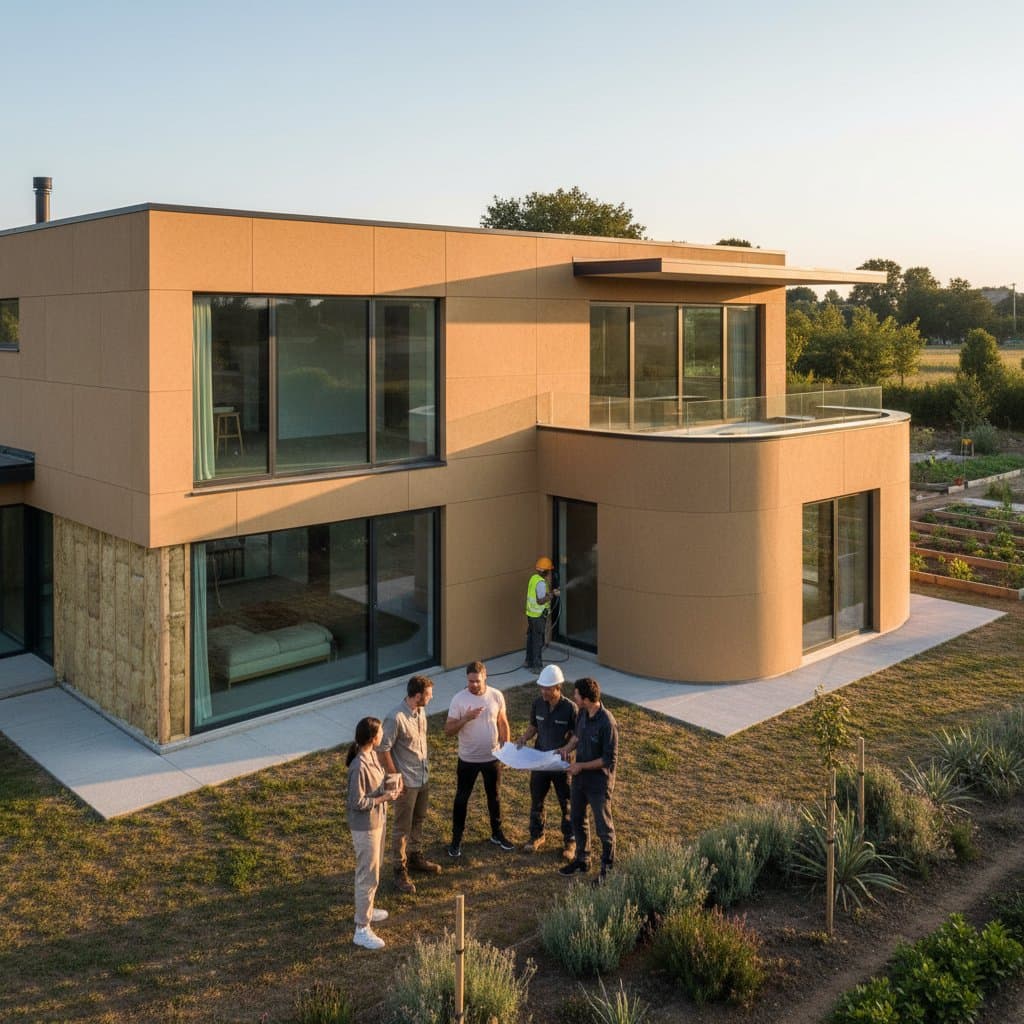
Featured image for Hempcrete Builders Proving It's Practical and Beautiful
2026-01-21 03:12:30
Multi HB - Home Building, Construction Trends, Financing New Homes

Key Takeaways

  • Hempcrete transitions from specialized eco-projects to standard construction practices.
  • Innovative builders illustrate its practicality, affordability, and aesthetic qualities.
  • Homes constructed with hempcrete provide natural ventilation, durability, and enhanced livability without requiring advanced sustainability knowledge.

Characteristics of Hempcrete Pioneers

Hempcrete pioneers go beyond material substitution; they redesign homes to optimize airflow, longevity, and occupant well-being. While environmental impact remains a priority, these builders emphasize the daily experience of residents within the structures.

Key Highlights:

  • Each builder applies a distinct approach to hempcrete's benefits.
  • They ensure compliance with building codes, budget constraints, and aesthetic objectives.
  • Craftsmanship integrates seamlessly with sustainability principles.

Builder Profile: HempHabit Builders – Experts in Comfort

Whereas some emphasize aesthetics, HempHabit Builders focus on sensory experience. Entering one of their homes reveals balanced humidity, fresh air circulation, and an inherent tranquility that becomes evident upon immersion.

They advocate for what they term living material comfort, allowing walls to contribute to natural ventilation rather than relying solely on mechanical systems.

Practical Recommendation: Integrate hempcrete with intelligent ventilation systems.
They incorporate mechanical elements that complement the material's properties, resulting in compact, energy-efficient heating, ventilation, and air conditioning units with reduced allergen accumulation.

Practical Recommendation: Optimize mix ratios through testing.
Observations indicate they adjust hemp-lime proportions according to regional climate conditions. In arid areas, a higher lime content enhances thermal mass retention. Such precise adjustments distinguish exceptional hempcrete constructions from standard ones.

For those prioritizing comfort, HempHabit Builders serve as an ideal reference. Their work confirms that sustainability can deliver luxurious living environments.

Builder Profile: HarvestBuild Co. – Community-Focused Educators

HarvestBuild Co. combines construction with education, organizing workshops where clients participate in mixing and applying hempcrete. During one session, a group of volunteers completed a wall section in a single afternoon, challenging initial assumptions about the process's pace.

Hempcrete's lightweight nature, safety, and engaging handling properties facilitate this collaborative approach.

Practical Recommendation: Participate in hands-on activities.
Engage in builder-led workshops or site tours to gain deeper insight into the material and foster greater appreciation for the finished structure. This involvement also provides unique conversational topics regarding the home's composition.

Practical Recommendation: Prioritize local sourcing.
HarvestBuild procures hemp hurds from nearby agricultural operations, minimizing transportation emissions and expenses. They facilitate connections between farmers and processors, cultivating a regional supply network.

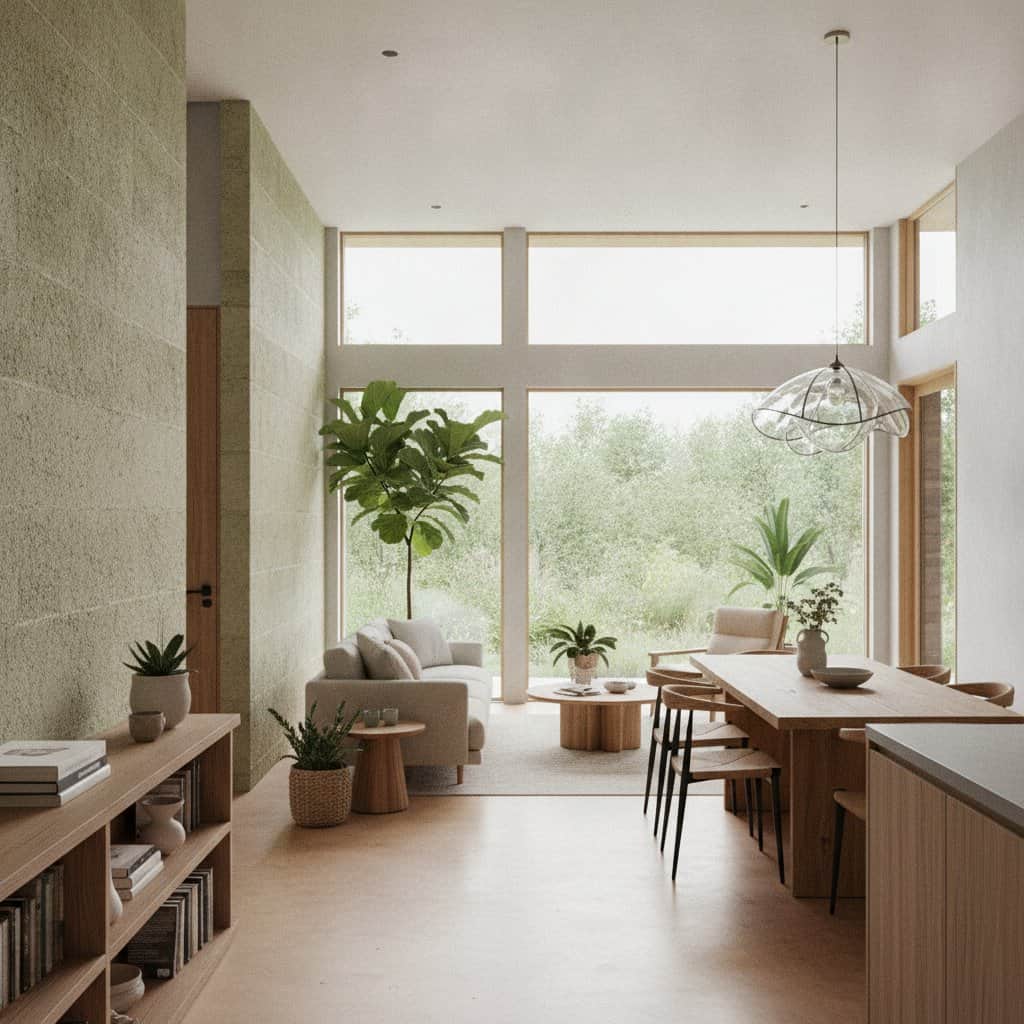
Their designs often incorporate exposed lime finishes, imparting a subtle, organic luminescence. Clients appreciate this aesthetic, which underscores the inherent beauty of untreated sustainable materials.

Challenges Encountered by These Builders

Adopting hempcrete involves obstacles, including evolving supply networks and the absence of local processing facilities in certain areas. The material demands specific preparation techniques distinct from traditional concrete.

Primary Challenges:

  • Sourcing Materials: Availability of hemp hurds and lime binders varies by location.
  • Moisture Management: Finishes must permit vapor transmission, avoiding impermeable coatings.
  • Curing Timeline: Proper setting requires extended periods compared to conventional methods.

Nevertheless, these builders have developed reliable protocols, skilled workforces, and adaptable frameworks that mitigate these issues. Their successes indicate that hempcrete integration is achievable for broader adoption.

Prospective builders need not view these elements as barriers. Established methods exist to support informed decision-making.

Experiencing Life in a Hempcrete Home

Pioneers recognize a transformative aspect: residing in a hempcrete structure heightens awareness of conventional building shortcomings, such as stagnant air, rapid thermal fluctuations, and acoustic vulnerabilities.

For new projects, consult experienced hempcrete professionals. Inspect completed works, assess surface textures, and evaluate performance firsthand.

Blend traditional design principles with innovative materials, as these builders routinely achieve. Hempcrete evolves from experimental choice to reliable option through demonstrated results.

This material's growing acceptance stems from tangible advantages in comfort, efficiency, and reliability. Selecting hempcrete benefits both environmental stewardship and personal living quality.


Frequently Asked Questions

Question: Can hempcrete support structural loads in walls?
Answer: Hempcrete generally serves as non-load-bearing insulation within timber or steel frameworks. It offers robust durability and stability without the fragility associated with some lightweight materials.

Question: Does hempcrete promote pest or mold growth?
Answer: The lime component provides inherent resistance to mold, insects, and rodents while maintaining breathability. This composition ensures a healthy interior environment.
You Might Also Like

Mass Timber Towers Reach New Heights in 2026 Codes

Bridge Loans Let You Build Before You Sell

Concrete That Absorbs Carbon Instead of Releasing It

Hempcrete Walls Breathe, Resist Fire and Mold Naturally

ICFs Cut Energy Bills 60% With Concrete and Foam

Tagged:

materials,construction,hempcrete,building,bio,based,hempcrete-construction,carbon,negative,bio-based-building-materials

Recent Articles by Kara Harris

Image for Mass Timber Towers Reach New Heights in 2026 Codes

Mass Timber Towers Reach New Heights in 2026 Codes

April 25, 2026
Image for ICFs Cut Energy Bills 60% With Concrete and Foam

ICFs Cut Energy Bills 60% With Concrete and Foam

April 23, 2026
Image for USDA Loans Now Bundle Solar Into Rural Construction Financing

USDA Loans Now Bundle Solar Into Rural Construction Financing
April 20, 2026

Related: materials

Image for Concrete That Absorbs Carbon Instead of Releasing It

Concrete That Absorbs Carbon Instead of Releasing It

April 24, 2026
Image for Hempcrete Walls Breathe, Resist Fire and Mold Naturally

Hempcrete Walls Breathe, Resist Fire and Mold Naturally

April 24, 2026
Image for Hempcrete Walls Finally Approved in Building Codes

Construction Materials & Methods

Concrete That Absorbs Carbon Instead of Releasing It

Carbon-negative concrete captures CO2 during production, offering robust performance and tax credits for green builds. Ideal for homes and commercial spaces, it combines durability, design flexibility, and environmental impact reduction.

April 24, 2026

Hempcrete Walls Breathe, Resist Fire and Mold Naturally

Hempcrete revolutionizes construction through breathable walls that resist fire and mold, offering sustainable solutions for comfortable, carbon-storing homes built to endure.

April 24, 2026

ICFs Cut Energy Bills 60% With Concrete and Foam

Insulated Concrete Forms (ICFs) integrate the durability of concrete with advanced insulation to reduce home energy consumption by up to 60 percent. Although the initial investment exceeds traditional methods, ICFs provide substantial ongoing savings, improved comfort, and reduced noise. Discover how airtight seals, strategic design, and thermal mass contribute to the enduring efficiency of ICF construction for sustainable homes.

April 23, 2026

Hempcrete Walls Finally Approved in Building Codes

Categories

Budgeting & Financing
Construction Materials & Methods
Construction Trends
Contractors & Project Management
Design & Floor Plans
Home Building Basics
Homeowner Tips & Maintenance
Inspections & Quality Checks
Renovation & Additions
Sustainability & Energy Efficiency
Hempcrete Walls Finally Approved in Building Codes
April 21, 2026
Image for 12 States Now Require Carbon-Neutral Concrete

12 States Now Require Carbon-Neutral Concrete

April 15, 2026
Image for Biochar Concrete Locks Carbon Inside Your Home's Walls

Biochar Concrete Locks Carbon Inside Your Home's Walls

April 1, 2026

Hempcrete walls achieve formal building code approval in 2026, advancing sustainable building practices. This innovative, carbon-negative material enhances natural insulation, moisture control, and comfort, enabling seamless integration into mainstream eco-conscious architecture.

April 21, 2026

12 States Now Require Carbon-Neutral Concrete

Twelve states enforce carbon-neutral concrete requirements for public works, transforming construction practices. This guide details sustainable options that maintain performance, reduce costs over time, and position homes for future market demands in green building.

April 15, 2026

Biochar Concrete Locks Carbon Inside Your Home's Walls

Set to debut in 2026, carbon-negative homes incorporate biochar into concrete and insulation to sequester carbon permanently. These designs combine breathable interiors, energy-efficient features, and natural appeal, delivering lower emissions, enhanced durability, and meaningful environmental benefits.

April 1, 2026

Hempcrete Walls Lock Carbon While Fireproofing Your Home

Hempcrete walls transform sustainable construction with fireproof protection, carbon sequestration, and natural insulation. Composed of hemp, lime, and water, they maintain comfortable temperatures, deter mold, and improve air quality. Despite higher upfront costs, the enduring energy efficiency and environmental advantages position hempcrete as an ideal option for resilient, forward-looking residences.

March 31, 2026

Carbon-Negative Concrete Now Available in 12 States

Carbon-negative concrete revolutionizes building in twelve states by sequestering carbon during curing. This durable, attractive material matches traditional performance while advancing environmental goals for communities.

March 17, 2026

New Codes Allow Mass Timber Buildings Up to 18 Stories

Updated 2026 codes permit mass timber buildings up to 18 stories, revolutionizing sustainable high-rise development. Lighter and more eco-friendly than steel or concrete, these structures accelerate construction while demanding expertise in fire safety and design integration for optimal results.

March 16, 2026

Carbon-Neutral Concrete Cuts Emissions While You Build

Carbon-neutral concrete reshapes sustainable home design by 2026, combining strength, aesthetic appeal, and environmental benefits. Incorporating recycled materials and carbon-capture methods, this innovative option offsets production emissions and provides long-lasting, refined surfaces. Homeowners achieve modern, efficient interiors that prioritize sustainability without sacrificing style.

March 14, 2026

New Building Codes Help Homes Withstand Storms and Fires

The 2026 building codes elevate home durability with enhanced wind resistance, fire-resistant features, and robust structural designs. Innovations such as impact-resistant windows and ember-proof vents enable homeowners to construct secure, enduring residences. Understand how advanced materials, strategic planning, and targeted modifications foster protection and tranquility amid environmental challenges.

March 13, 2026

Hempcrete Earns Code Approval for Green Building

Hempcrete achieves code approval, advancing sustainable building. Composed of hemp, lime, and water, it provides insulation, moisture control, and carbon sequestration. This milestone enables builders to deliver energy-efficient, comfortable spaces that meet modern standards.

March 13, 2026

Hempcrete Gets Building Code Approval for Legal Use

The approval of hempcrete under building codes represents a significant advancement in sustainable construction practices. Composed of hemp hurds, lime, and water, this material delivers breathability, carbon-negative properties, and effective insulation. With this legal recognition, builders gain the confidence to integrate hempcrete into projects, shifting eco-friendly building toward widespread adoption and environmental benefits.

March 12, 2026

Hempcrete Now Legal in 15 More States for Building

Hempcrete, a sustainable building material derived from hemp, lime, and water, gains legal status in 15 more states. This development enables local production, reduces expenses, and promotes energy-efficient designs. As a durable, mold-resistant option, hempcrete advances carbon-negative construction for modern homes.

March 12, 2026

Hempcrete Walls Absorb Carbon While They Insulate

Hempcrete redefines sustainable construction by delivering breathable, carbon-negative walls that offer natural insulation and enduring appeal. Builders increasingly turn to this hemp-lime composite for its robustness, indoor comfort, and aesthetic versatility. As education programs grow and pricing stabilizes, industry forecasts indicate a significant expansion in hempcrete applications by 2026.

March 10, 2026

Mass Timber Brings Warmth and Carbon Storage to Apartments

Mass timber redefines multi-family high-rises through sustainable engineering, natural aesthetics, and efficient building processes. This material enables lighter frameworks, lower emissions, and interiors that foster a sense of warmth and connection to nature. By 2026, urban developments increasingly adopt mass timber to balance innovation with environmental responsibility.

March 8, 2026

2026 Concrete Cuts Builder Emissions by 90 Percent

The innovative 2026 concrete mix reduces construction emissions by up to 90 percent without compromising strength or aesthetics. Incorporating recycled materials, captured carbon, and efficient sourcing, it matches traditional concrete performance while positioning building practices as a key climate solution. Learn how these sustainable bases are redefining the construction landscape, one application at a time.

March 6, 2026

Mass Timber Towers Reach 18 Stories in 2026 Code Change

New 2026 building codes permit mass timber towers up to 18 stories, revolutionizing urban construction. This engineered wood solution delivers sustainability, rapid assembly, and aesthetic appeal, enabling developers to create lighter, carbon-sequestering buildings that enhance cityscapes.

March 5, 2026

Building Homes That Withstand Fire and Flood

2026 building codes transform home construction with fire- and flood-resistant innovations. Non-combustible exteriors, elevated bases, and ember barriers ensure safety, aesthetics, and eco-friendliness, empowering owners to secure assets and embrace weather challenges confidently.

March 4, 2026

12 States Now Require Carbon-Negative Concrete

Twelve U.S. states now mandate carbon-negative concrete for public infrastructure, a breakthrough material that sequesters more CO2 than it emits. This guide covers its benefits, applications, and integration tips for greener construction projects.

February 28, 2026