Self-Healing Biocement Concrete Arrives in Homes by 2026
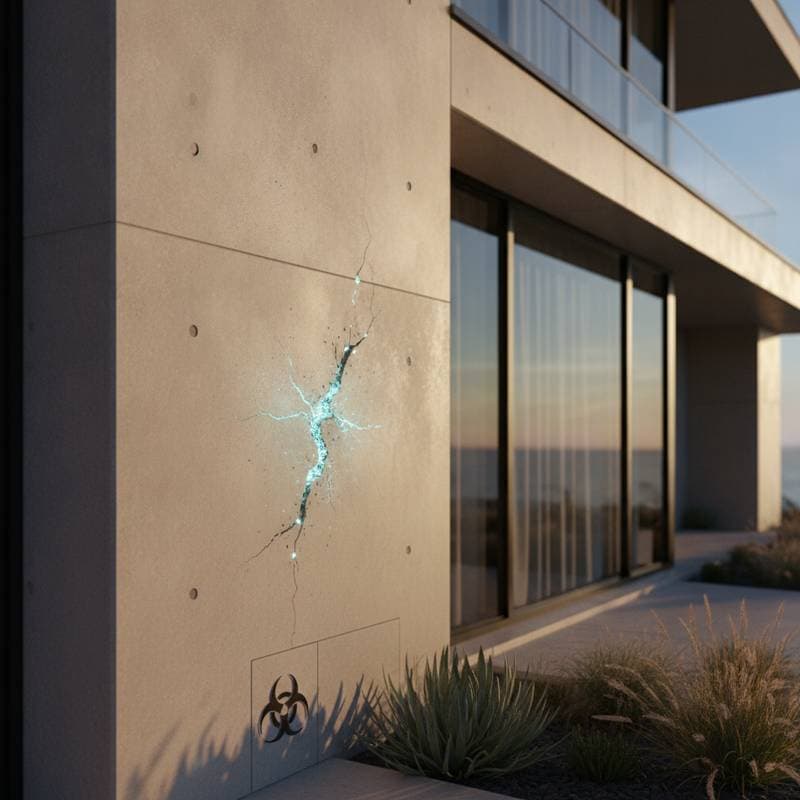
Picture stepping onto your front porch after a hard rain. Tiny cracks that once collected water and grime have quietly sealed themselves overnight. No patching and no call to the contractor are needed. Just solid, smooth concrete that seems to take care of itself.
That is the promise of self-healing biocement concrete. This material feels almost alive in the way it repairs damage. It is finally making its way from research labs into residential homes.
A Familiar Problem for Homeowners
If you have ever watched small hairline cracks spread across your driveway or patio, you know how frustrating concrete maintenance can be. Even the best-poured slabs eventually show wear. Moisture seeps in, temperature changes make the surface expand and contract, and soon enough pieces start to flake or chip.
You patch it, maybe even replace sections, and yet the cycle starts again. When I renovated my own patio, I spent weekend after weekend filling cracks with store-bought sealants that never blended well. The surface looked patched and tired.
What Makes Biocement Concrete Different
The secret lies in the bacteria mixed into the concrete. These are special, non-harmful bacteria that stay dormant until they sense moisture. When a crack forms and water enters, the bacteria awaken and begin producing limestone. That limestone fills the crack from within and seals the damaged area naturally.
It is like a biological patch kit embedded in your driveway or foundation. Once the crack closes, the bacteria go dormant again. They wait quietly for the next repair job. The result is a surface that lasts longer, resists weather better, and requires far less maintenance than traditional concrete.
How It Works in Your Home
For homeowners, the process of installing biocement concrete is surprisingly similar to standard concrete work. Contractors mix the bacteria spores and nutrients into the concrete batch before it is poured. Once set, the material looks and feels just like regular concrete.
The real difference comes later, when natural wear appears. Whenever a small crack forms, water activates the bacteria. Over the course of several days, the bacteria produce calcium carbonate. This hardens and seals the fracture. You do not have to do anything. The repair happens automatically, deep inside the material.
The Design and Durability Advantage
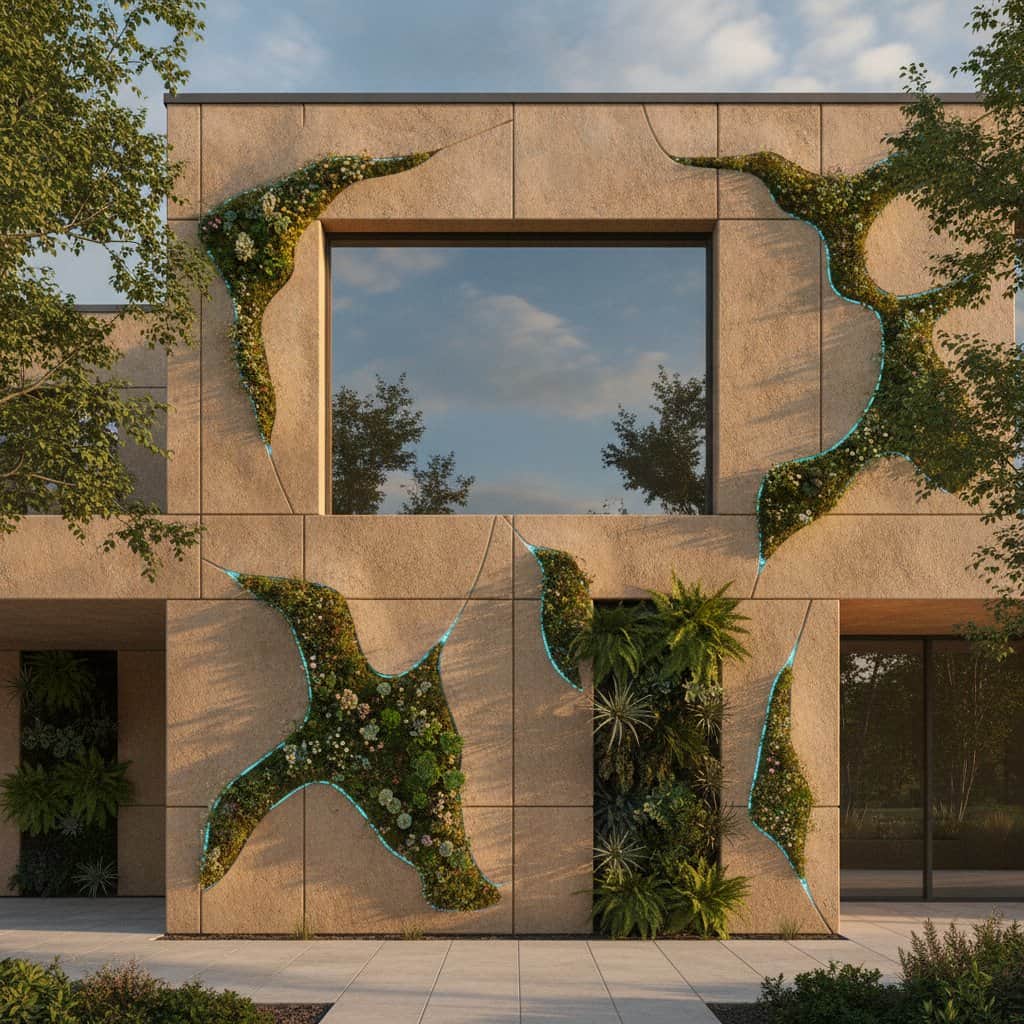
Biocement concrete does more than save you time. It also opens new design possibilities. Because it resists cracking, designers can use larger single pours for patios, driveways, and even interior polished floors. Fewer joints mean a sleeker, cleaner look.
If you are planning a modern-style home with smooth, continuous surfaces, this material fits beautifully. You can choose tinted mixes for a soft gray finish or a deep charcoal tone that looks sophisticated under natural light. With fewer visible cracks, the result stays elegant for years.
One thing to remember is that while biocement concrete can heal itself, it still needs proper installation. The base must be compacted, and drainage must be well planned. The bacteria can repair small cracks, but they will not fix poor construction or structural movement. Think of it as a smart material, not a miracle worker.
Cost, Maintenance, and Local Availability
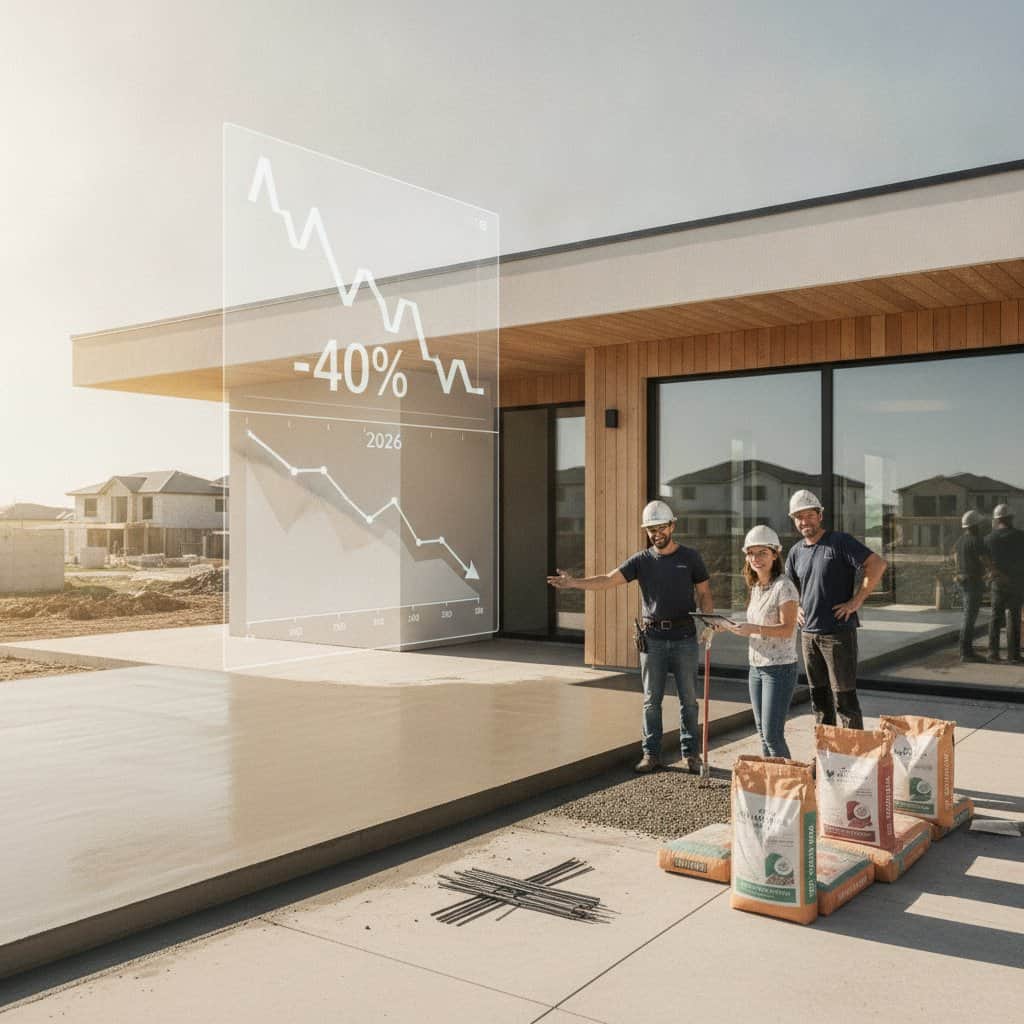
Right now, biocement concrete costs slightly more than traditional concrete, mostly due to the bacterial additives. You might pay between ten and twenty percent more per cubic yard. For a driveway or patio, that difference might add a few hundred dollars. When you consider that you will not be patching or resurfacing every few years, the long-term savings make sense.
Maintenance is refreshingly simple. Clean it as you would any concrete surface. Avoid harsh chemicals that could upset the surface balance. A mild detergent and a soft brush or pressure washer on a low setting work well.
Several regional suppliers are already working with local builders to offer biocement-ready mixes. In many areas, you can request the product through your usual concrete contractor. Some brands to watch include BioCrete, GreenStone, and EcoForm. They provide certified mixes that meet building standards for residential use.
Safety and Sustainability
Biocement concrete is not only practical. It is also safer for the environment. Traditional cement production releases large amounts of carbon dioxide. The bacteria used in biocement can actually reduce that footprint by forming limestone naturally. This process captures some of that carbon.
From a homeowner perspective, the safety profile is reassuring. The bacteria used are harmless to humans and pets. Once sealed in the concrete, they stay inactive until moisture appears. They never spread beyond the material itself. You can walk barefoot on your patio or let your kids play on the driveway without worry.
What to Expect During Installation
If you decide to try biocement concrete, the installation timeline is similar to any other concrete project. The curing process takes about the same amount of time. Contractors can still use standard finishing tools.
Here is a simple sequence to expect:
- Site Preparation: The area is cleared, leveled, and compacted. Proper drainage is key to avoid standing water.
- Mixing: The biocement mix is prepared with bacterial spores and nutrients.
- Pouring and Finishing: Contractors pour, smooth, and finish the surface as usual.
- Curing: The concrete sets over several days, forming a strong, resilient base.
- Self-Healing Phase: Once in place, the bacteria remain dormant until cracks form. When moisture enters, the self-healing begins naturally.
You can walk on the surface once it has cured. No special maintenance is required to activate the bacteria. They simply wait for the right conditions.
Living with Your New Surface
The best part about biocement concrete is how quietly it protects your investment. You will not see it at work, but you will notice that your patio or driveway stays smooth and solid for years. You can decorate the surface, add furniture, or even polish it for a sleek indoor floor without worrying about small cracks ruining the look.
As someone who has lived through multiple renovation projects, I find the idea of a material that handles its own repairs deeply satisfying. It feels like a smart partner in home maintenance, quietly doing the tedious tasks we used to handle ourselves.
Planning Your Project
If you are planning a new build or renovation, ask your contractor about biocement concrete. Check whether local suppliers offer certified mixes and compare quotes. Even if the upfront cost is slightly higher, it pays off in reduced maintenance and longevity.
For homeowners who take pride in both design and practicality, self-healing biocement concrete represents a real step forward. It blends science, sustainability, and everyday function in a way that feels effortless. The idea of concrete that heals itself might have sounded far-fetched once, but soon it will simply be another smart choice for building a home that lasts.