The Real Cost of Carbon-Neutral Concrete Under New Building Codes
Building codes scheduled for 2026 introduce stricter limits on embodied carbon in construction materials. Concrete stands at the center of these changes because traditional cement production generates substantial emissions. Contractors and property owners now evaluate carbon-neutral options to meet compliance while managing project budgets.
Defining Carbon-Neutral Concrete
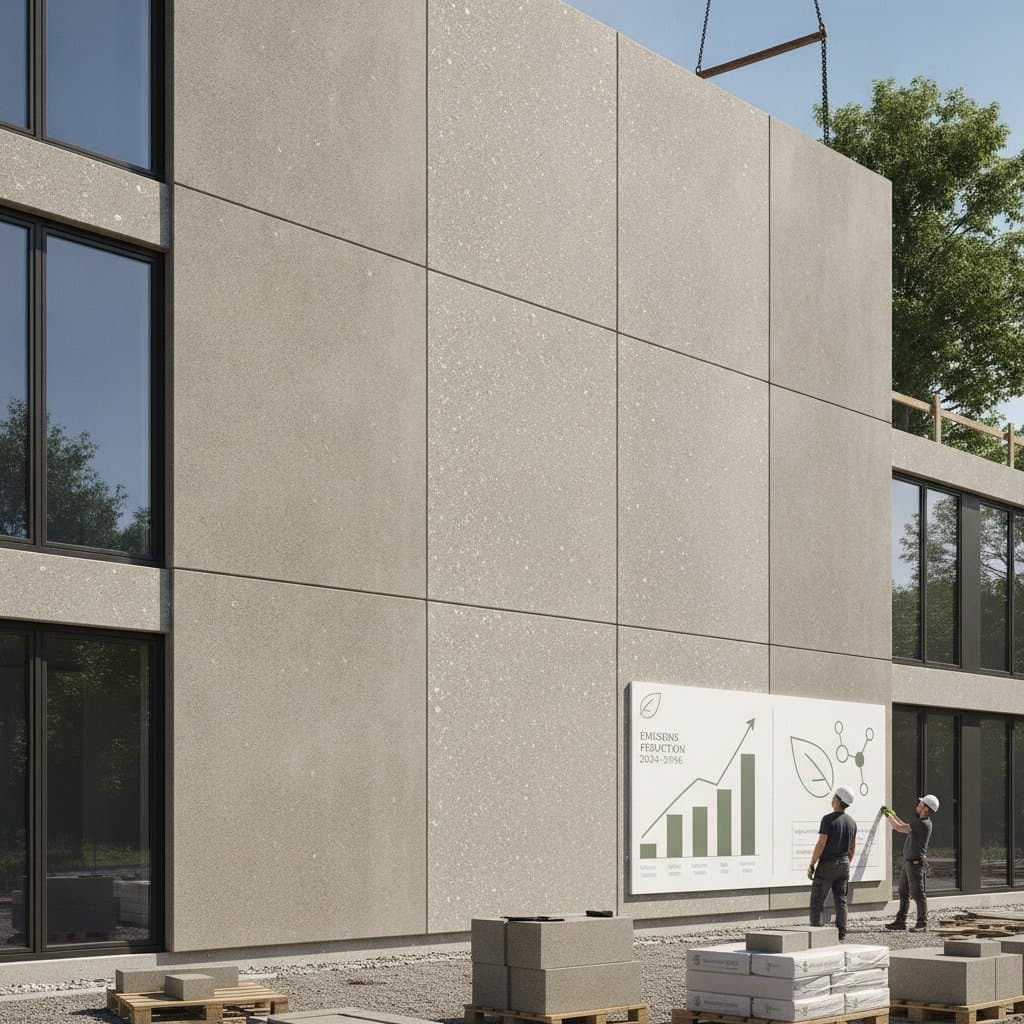
Carbon-neutral concrete achieves balance through reduced emissions during production or through carbon capture after mixing. Common approaches include carbon-cured mixes that trap carbon dioxide during hardening and geopolymer formulations that substitute cement with fly ash or slag. Additional options incorporate recycled aggregates or bio-based additives to lower energy consumption during manufacturing.
These formulations maintain structural performance while addressing regulatory requirements. Builders select mixes based on strength needs, curing times, and local material availability.
Impact of Updated Building Codes
New codes require documentation of carbon content through life-cycle assessments and Environmental Product Declarations. Material choices now influence permitting, inspections, and long-term building performance metrics. Homeowners encounter effects on renovation expenses and potential property valuation tied to sustainability features.
The regulations create pressure for supply chain transparency. They also accelerate development of lower-cost production methods as demand increases.
Cost Analysis and Long-Term Value
Current pricing places carbon-neutral concrete 10 to 40 percent above conventional mixes. The difference varies with mix type and regional supplier capacity. Several factors offset the initial increase.
- Thermal mass properties in certain mixes reduce heating and cooling loads over decades of use.
- Available tax credits and material incentives lower net project costs in many jurisdictions.
- Improved resistance to cracking and weathering decreases maintenance frequency and expense.
Market expansion through additional suppliers is expected to narrow price gaps within the next several years.
Integrating Sustainability in Design
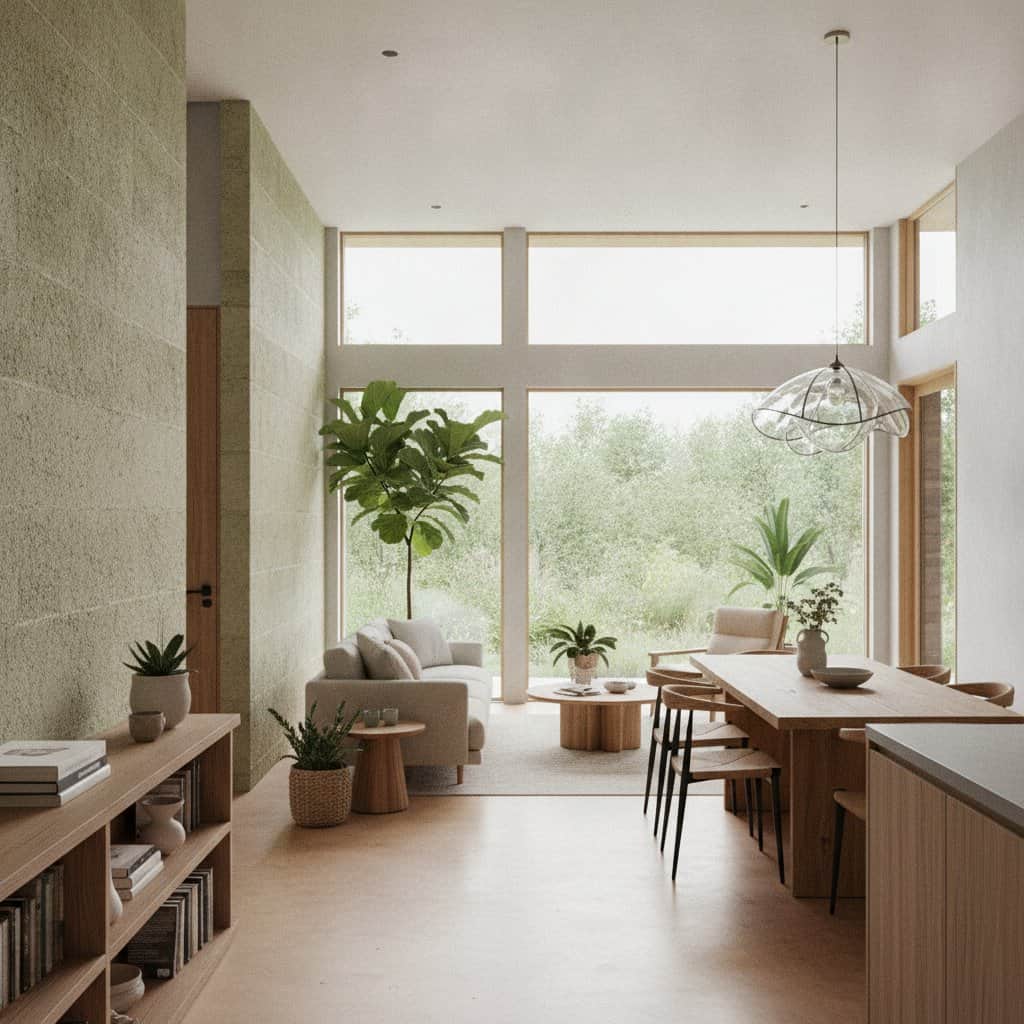
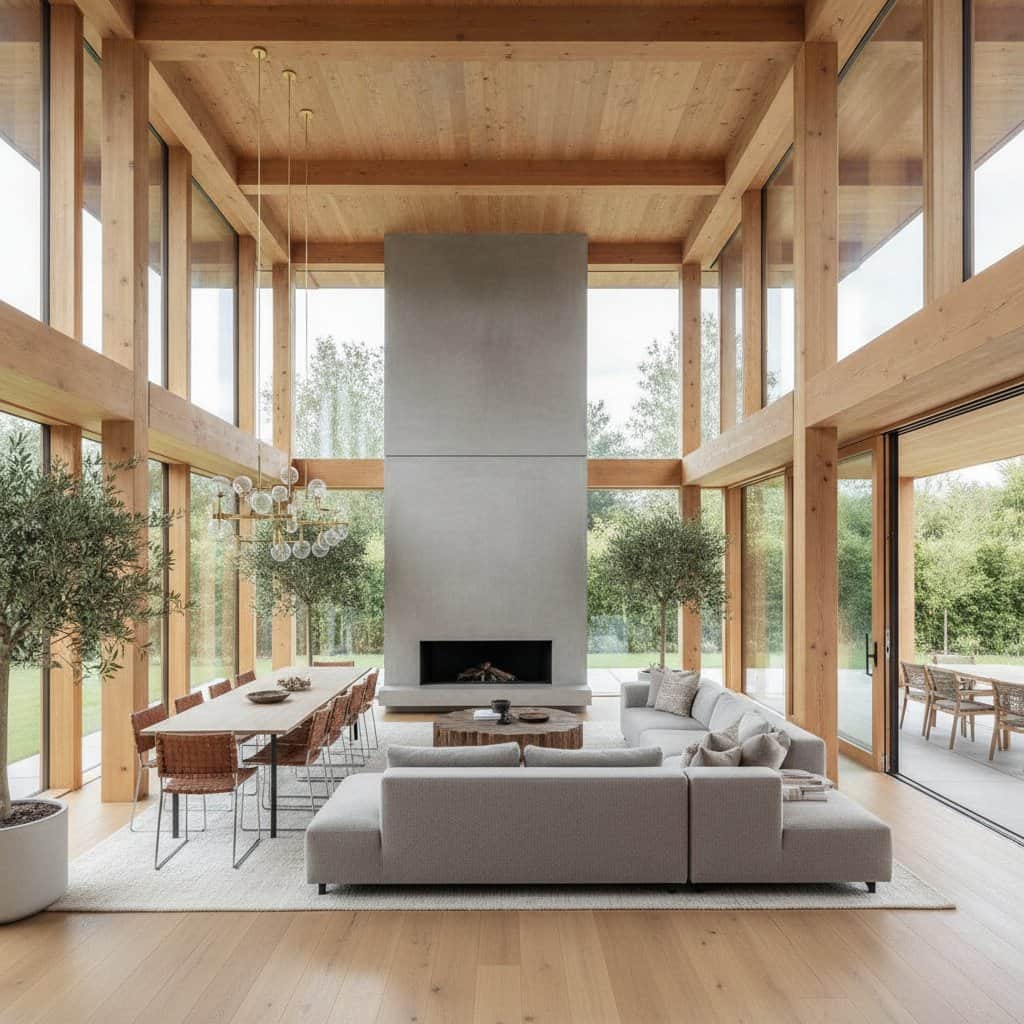
Sustainable concrete options support both structural and aesthetic goals. Subtle color variations and surface textures from recycled content align with current preferences for organic tones such as muted greens and warm earth shades. These materials allow finished spaces to reflect environmental considerations without sacrificing visual appeal.
Preparation Strategies for Projects
Successful adoption requires advance coordination with project teams.
- Confirm contractor experience with low-carbon mixes and adjusted curing procedures.
- Obtain quotes from multiple local producers to minimize transport distances and associated emissions.
- Request product certifications that verify carbon performance data.
- Adjust schedules to accommodate longer setting times for some formulations.
- Include contingency amounts in budgets to cover material testing or finishing adjustments.
Regional and Project-Specific Factors
Project scale determines whether full carbon-neutral concrete or lower-carbon alternatives suffice. Smaller renovations often meet requirements with blended cements or recycled aggregates. Climate conditions guide additive selection, such as limestone powders in humid areas or air-entrained mixes in freeze-thaw zones.
Ongoing maintenance follows patterns similar to traditional concrete. Some exposures may require specialized sealants. Local suppliers provide guidance matched to soil and weather conditions.
Benefits of Sustainable Material Choices
Selection of these concretes connects daily environments to measurable reductions in construction emissions. The materials deliver durability alongside compliance advantages. Builders and homeowners gain structures that support both immediate functional needs and extended environmental performance goals.