Biocement Living Walls Transform Future Home Building
Imagine standing in your backyard as light catches a wall that seems to breathe. The surface feels cool and textured, with tiny green shoots emerging from crevices. This is not a standard brick or concrete structure. It is a living system that heals itself and cleans the surrounding air.
Limitations of Traditional Materials
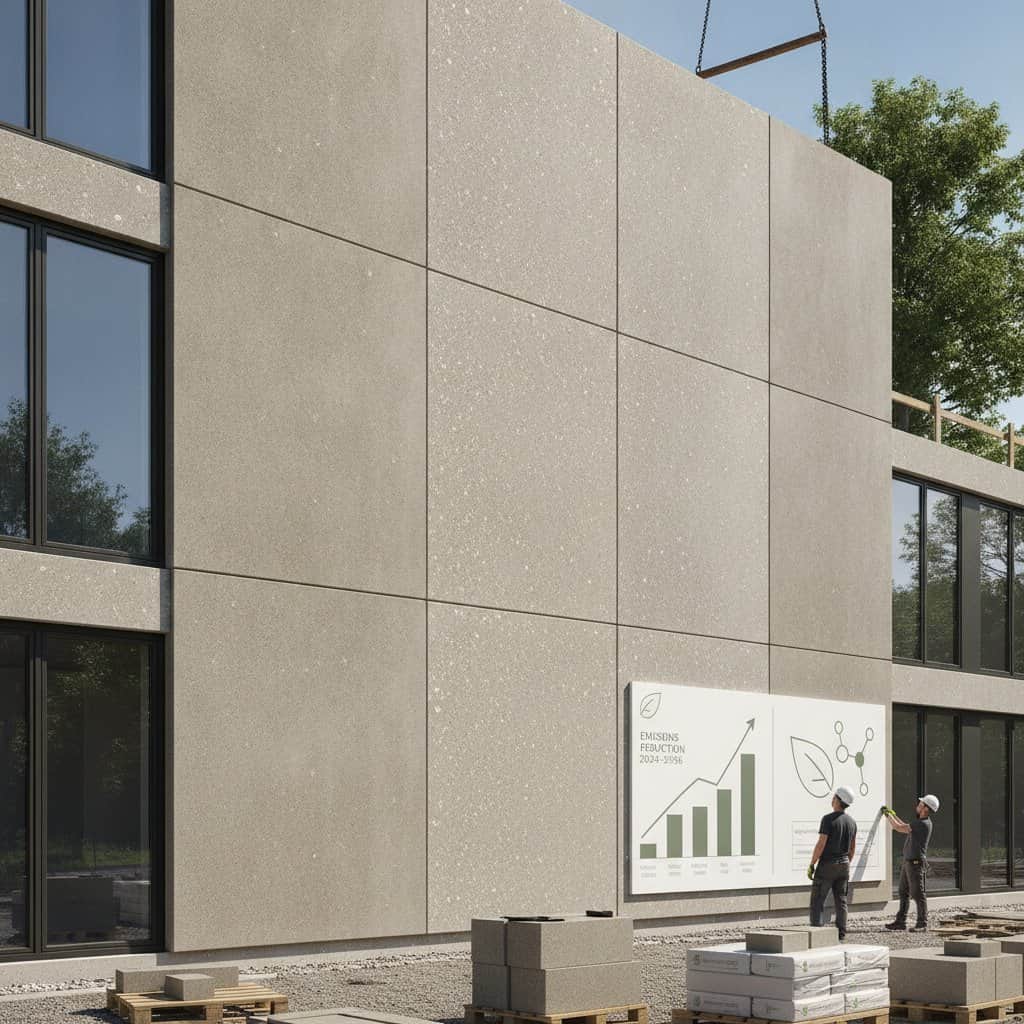
Standard building materials deliver strength yet carry significant environmental costs. Concrete production consumes large amounts of energy and releases substantial carbon. Small cracks allow water intrusion that leads to corrosion and expensive fixes over time.
Biocement living walls address these issues by combining durability with active environmental responses. They offer both structural performance and ongoing ecological benefits.
Formation and Properties of Biocement
Biocement forms through microbial-induced calcite precipitation. Bacteria deposit minerals that bind particles into a stone-like matrix without high-temperature processing. When cracks appear, moisture reactivates dormant bacteria that produce additional calcite to seal the gaps.
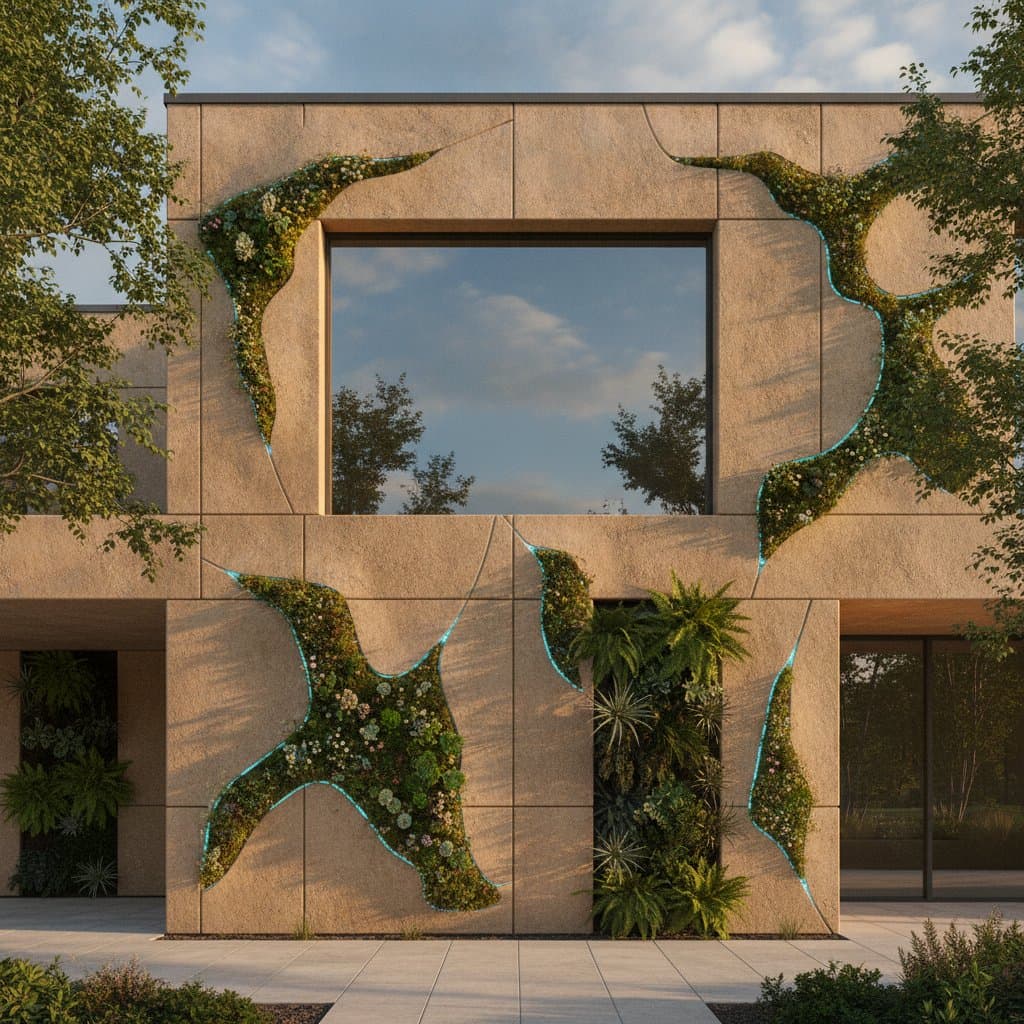
Integration with plants or mosses creates a hybrid surface. This surface heals minor damage, moderates temperature swings, and releases oxygen into the air.
Benefits for Residential Applications
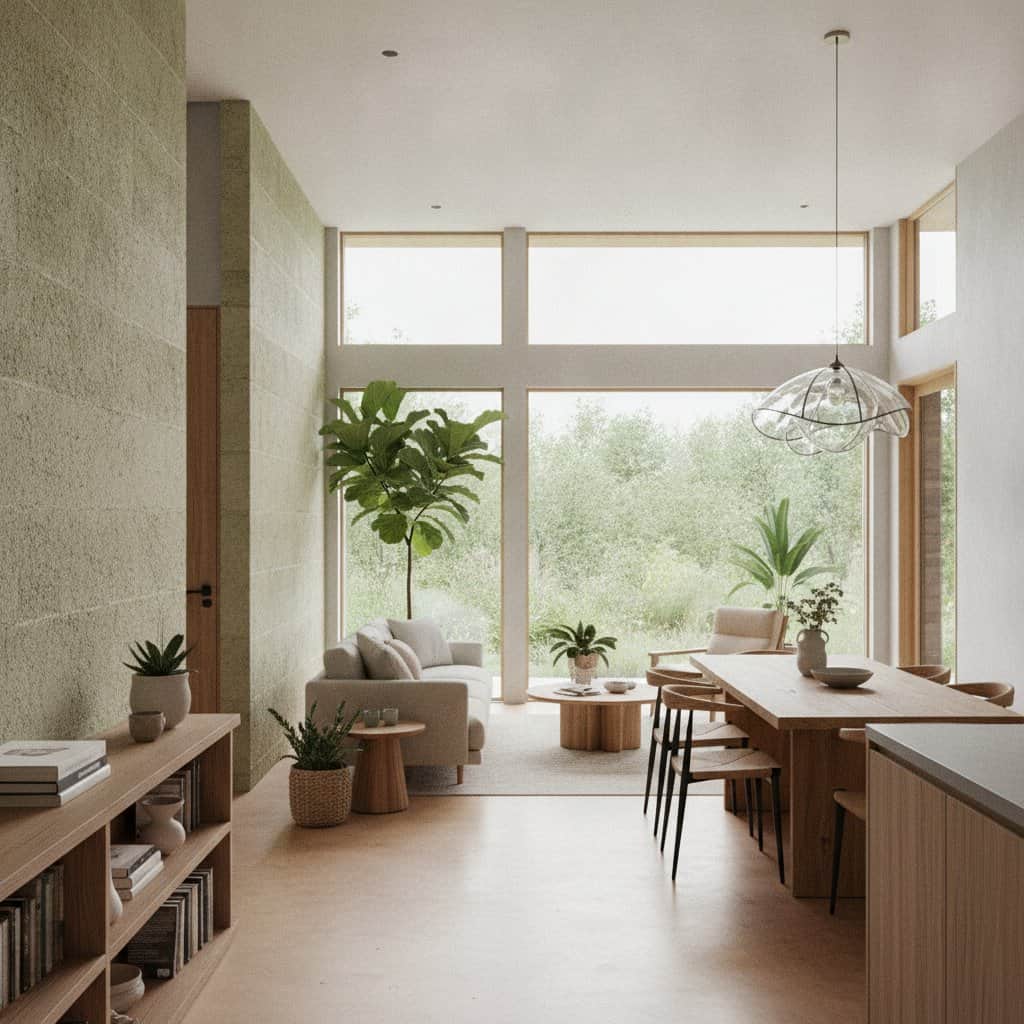
Exterior walls, garden dividers, and interior partitions can repair themselves while filtering air and resisting mold. Owners reduce long-term maintenance expenses and lower their environmental impact.
One builder tested small biocement panels in a garden setting. The material absorbed moisture without flaking and supported natural moss growth within weeks, creating an aged appearance that blended with the landscape.
Design Approaches for Living Walls
Biocement panels adapt to minimalist courtyards or dense vertical gardens. Selection of plant coverage determines the final aesthetic. Subtle greenery softens geometric forms, while full coverage requires integrated irrigation.
Modular systems allow straightforward installation by two people. Textured surfaces conceal dust accumulation, and ferns or similar species establish themselves over several months.
Installation Process
- Evaluate available space for partial sunlight exposure.
- Source panels from suppliers specializing in microbial construction materials.
- Incorporate gravel or channels to manage water flow.
- Choose species such as sedum or creeping thyme for shallow root zones.
- Mist lightly during the first weeks to activate bacteria and establish plants.
- Observe gradual shifts in color and texture as the wall responds to conditions.
Cost, Upkeep, and Safety Factors
Material prices align with premium concrete options. Savings accumulate through fewer repairs and improved insulation that reduces cooling needs.
Established walls need only occasional rinsing or light pruning. A soft brush removes surface dust after dry periods. Exterior installations require proper structural support per manufacturer specifications. Interior partitions need no additional reinforcement.
A modest wall can be completed in one weekend. Larger installations with irrigation features may extend to several weeks.
Industry Interest in Adaptive Materials
Architects value biocement for its capacity to interact with surroundings rather than remain inert. The material captures carbon dioxide, holds moisture, and sustains vegetation. Homes maintain steadier interior temperatures with less mechanical assistance.
Daily Experience With a Living Wall
A completed installation adds tactile interest and softens indoor air quality. Morning moisture beads form on the surface as the wall exchanges gases with its environment. Starting with a single feature wall allows observation of material behavior before larger commitments.
Contact regional suppliers for material samples. Direct handling reveals the smooth yet earthy character that distinguishes biocement from conventional stone or tile.