Why Biochar Concrete Matters for Sustainable Construction
Biochar concrete incorporates charcoal produced from organic waste to sequester carbon dioxide within building materials. This approach converts a traditionally high emission product into one that stores carbon over its lifetime. Builders and homeowners gain a material that supports lower energy use while maintaining structural performance.
Key advantages include the following:
- Carbon storage occurs at a rate of approximately 100 kilograms per cubic meter when biochar replaces a portion of cement or aggregate.
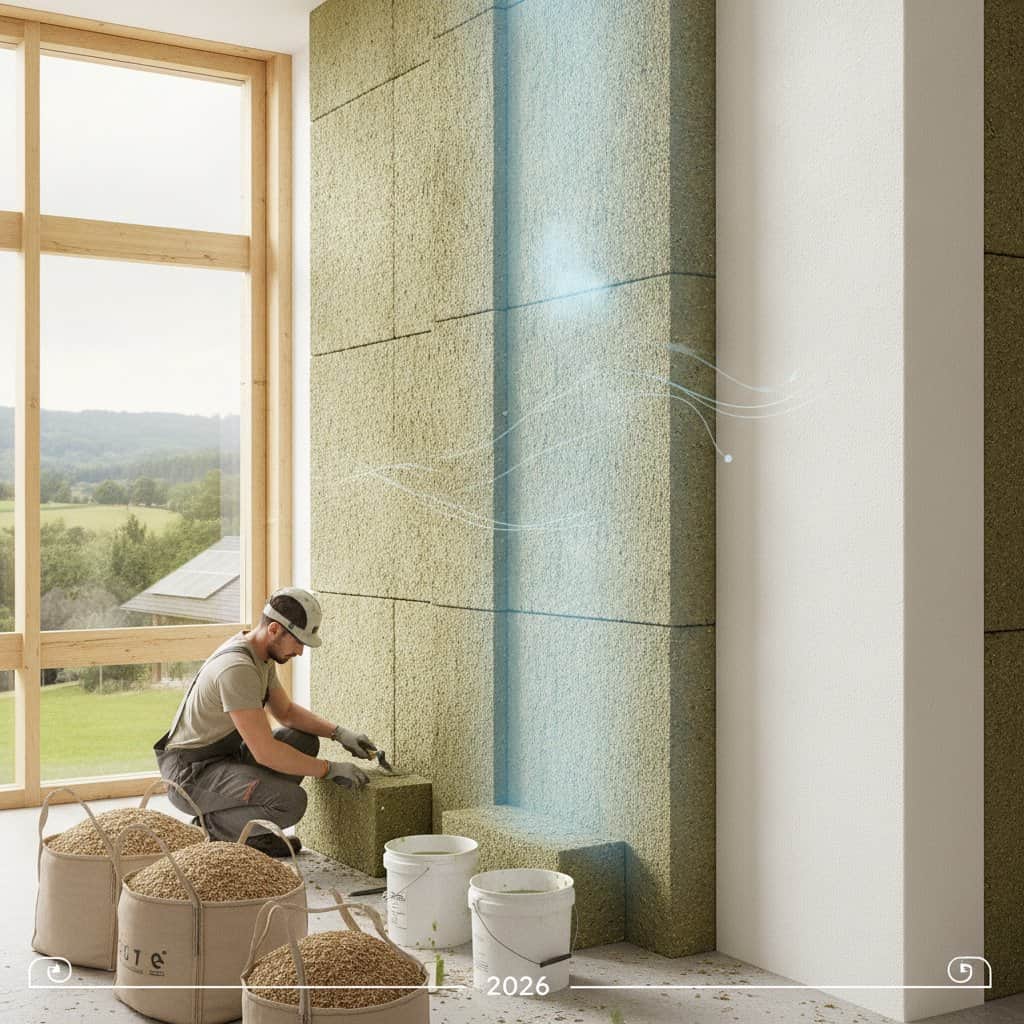
- Thermal insulation improves because the porous structure of biochar slows heat transfer through walls and slabs.
- Reduced density lowers transportation fuel needs and decreases loads on foundations.
- Strength reaches levels comparable to standard mixes after 28 days of controlled curing.
Budget Considerations and Long Term Value
Initial material costs exceed those of conventional concrete because biochar supply chains remain limited in many regions. Over a 20 year period, however, owners recover the difference through measurable savings.
Reduced heating and cooling loads result from higher thermal resistance. Fewer repairs arise because the material resists moisture penetration and surface cracking. Local incentive programs in several jurisdictions provide tax credits or density bonuses for projects that achieve verified carbon reductions.
Practical Applications in Residential Projects
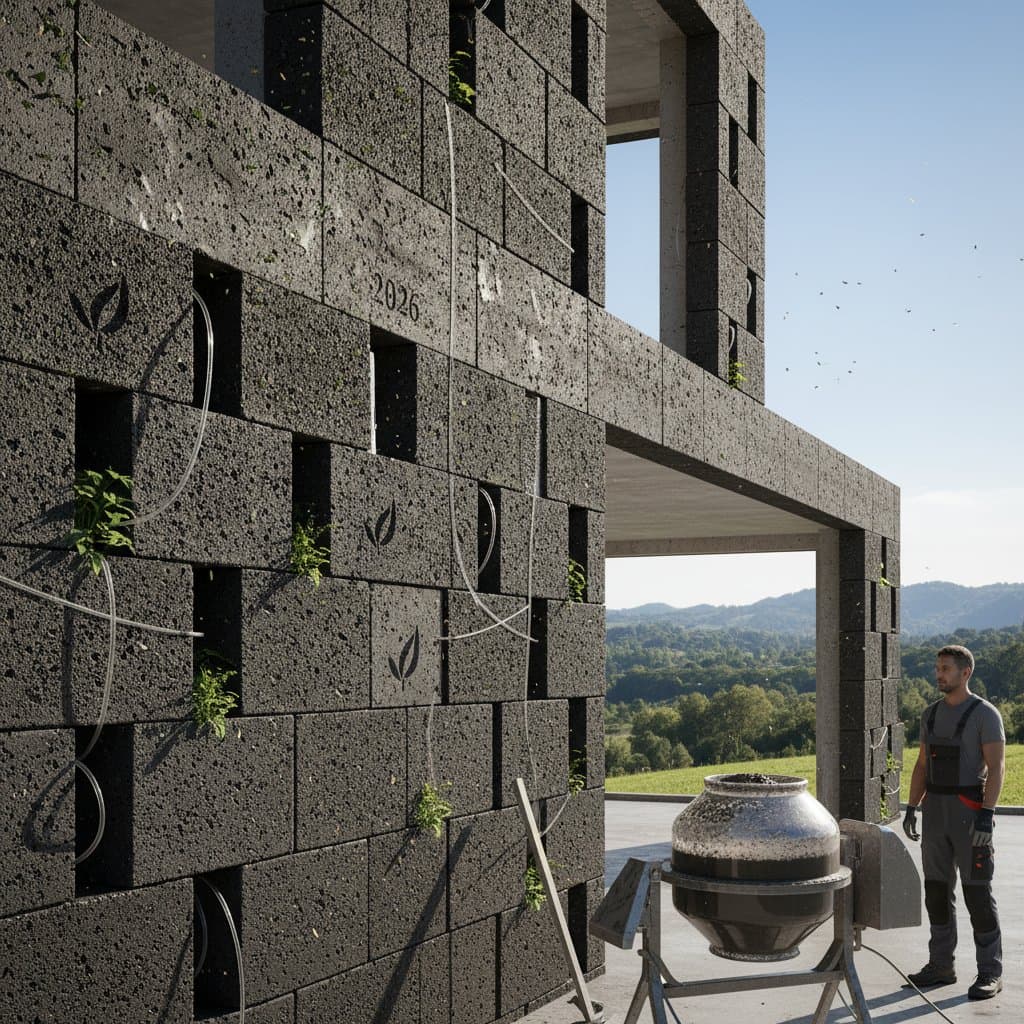
Foundations, floor slabs, and exterior walls represent the most common uses. Architects specify biochar concrete in these elements first because they constitute large volumes and deliver the greatest sequestration benefit. Interior finishes such as countertops or partition walls can follow once crews gain experience with the darker color and finishing characteristics.
Contractors adjust water ratios and curing times during the first few pours to achieve consistent results. Homeowners notice stable indoor temperatures and a subtle matte surface that accepts stains or sealers without additional preparation.
Performance Across Climate Zones
Properly proportioned mixes perform reliably in freeze thaw cycles when air entrainment admixtures are included. In humid environments the same porosity that aids insulation also allows vapor transmission, reducing condensation risk inside wall assemblies. Suppliers now offer regional blend recommendations that account for local aggregate sources and weather data.
Frequently Asked Questions
-
Is biochar concrete safe for indoor use?
The material is inert after curing and releases no volatile compounds, allowing direct contact in living spaces. -
Does biochar concrete look different from regular concrete?
The finished surface appears darker and matte, which many designers use to create a contemporary aesthetic. -
Can it be used in cold or wet climates?
Yes. Mix designs that incorporate air entraining agents and low water cement ratios maintain durability under repeated freeze thaw exposure. -
Is it hard to find suppliers?
Availability continues to increase as regional plants add biochar to standard product lines. -
Will it last as long as traditional concrete?
Service life matches conventional concrete when placement and curing follow manufacturer guidelines.
Next Steps for Project Integration
Request mix designs from local ready mix producers that list biochar content and 28 day compressive strength data. Specify a trial pour on a noncritical element such as a driveway or retaining wall to verify finishing techniques. Track energy performance after occupancy to quantify the insulation benefit and support future incentive claims.