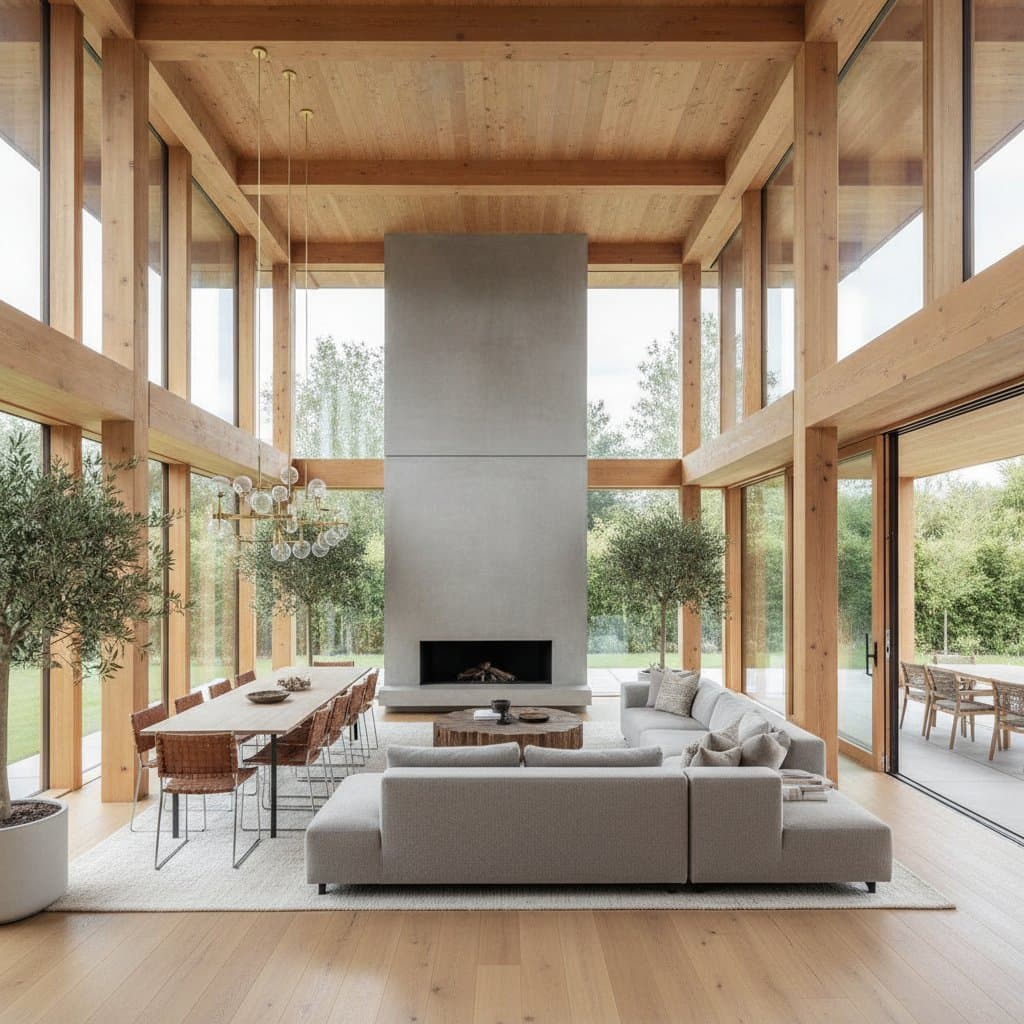
Mass Timber Homes Get Boost From New Code Approvals
Stepping into a mass timber home reveals walls with an organic texture and a natural warmth that steel or concrete cannot replicate. The material creates spaces that feel both solid and inviting. New building code approvals effective in 2026 now permit taller and larger wood structures, moving mass timber from specialized projects into standard residential construction.
These changes allow architects and builders to specify engineered wood for multi story homes without extensive custom reviews. Homeowners gain access to designs that combine strength, speed of assembly, and reduced environmental impact.
Core Properties of Mass Timber
Mass timber consists of products such as cross laminated timber panels, glued laminated beams, and laminated veneer lumber. Layers of wood are bonded under pressure to form components capable of supporting several stories. The resulting elements remain lighter than steel equivalents, which simplifies transport and foundation requirements.
Expanded code provisions increase allowable heights and floor areas for these materials. Apartment buildings, schools, and single family residences can now incorporate mass timber as the primary structural system. This recognition reduces the need for special permits that previously delayed projects.
Practical Impacts of the Code Updates
Design teams can proceed with standard engineering calculations rather than case by case approvals. Builders report shorter review cycles and fewer change orders during permitting. For homeowners, the result appears in expanded choices for prefabricated wall and floor systems that arrive ready for rapid installation.
Urban lots benefit especially because taller wood structures fit more living space within the same footprint. Local contractors can now offer modular mass timber packages that assemble on site in days rather than weeks.
Construction Steps and Performance Factors
- Panel Configuration: Cross laminated timber forms walls, floors, and roofs while leaving wood surfaces exposed for a clean interior aesthetic.
- Assembly Timeline: Prefabricated panels allow structural framing to reach roof height in as little as seven days on smaller homes.
- Energy Performance: Wood moderates indoor temperatures, which lowers heating and cooling loads compared with masonry construction.
- Fire Resistance: Thick sections char on the exterior yet retain load bearing capacity, allowing predictable structural calculations.
Cost, Upkeep, and Supply Considerations
- Panel pricing aligns with mid range steel framing once labor savings and reduced foundation volumes are included.
- Exterior protection requires roof overhangs, sealed joints, and periodic clear finishes to maintain appearance over decades.
- Regional manufacturers now supply cross laminated timber, cutting freight expenses and supporting domestic forestry employment.
- Carbon stored in the wood offsets emissions that concrete and steel production would generate.
Selecting a Mass Timber Builder
Homeowners should request documentation of fire and structural testing from suppliers. Verify that the design team has completed at least one permitted mass timber project under the updated code provisions. Early coordination with local building departments confirms that plan review staff are familiar with the new height and area tables.
Next Steps for Interested Owners
Contact regional mills or certified fabricators to review current panel sizes and lead times. Engage an architect experienced with exposed timber detailing to translate code allowances into a specific floor plan. Early material reservations secure pricing before seasonal demand increases.