Loading...

Skip to main content
MULTI HB
HomeBudgeting & FinancingConstruction Materials & MethodsConstruction TrendsContractors & Project ManagementSearch
  1. Home
  2. /
  3. Construction Trends
  4. /
  5. Mass Timber Buildings Store Carbon While Replacing Steel
Construction Trends

Mass Timber Buildings Store Carbon While Replacing Steel

Your comprehensive resource for home building expertise, construction insights, and financing strategies to help you build your dream home efficiently and cost-effectively.

Categories

Budgeting & FinancingConstruction Materials & MethodsConstruction TrendsContractors & Project ManagementDesign & Floor PlansHome Building BasicsHomeowner Tips & MaintenanceInspections & Quality Checks

Links

  • Home
  • Search Articles
  • About Us
  • Privacy Policy
  • Terms of Service

© 2026 Multi HB. All rights reserved.

by
Emily Lockwood
2026-04-28 04:31:28April 28, 2026
5 min read
Featured image for Mass Timber Buildings Store Carbon While Replacing Steel
2026-04-28 04:31:28
Multi HB - Home Building, Construction Trends, Financing New Homes

Mass Timber's Rapid Rise: A Sustainable Shift in Construction

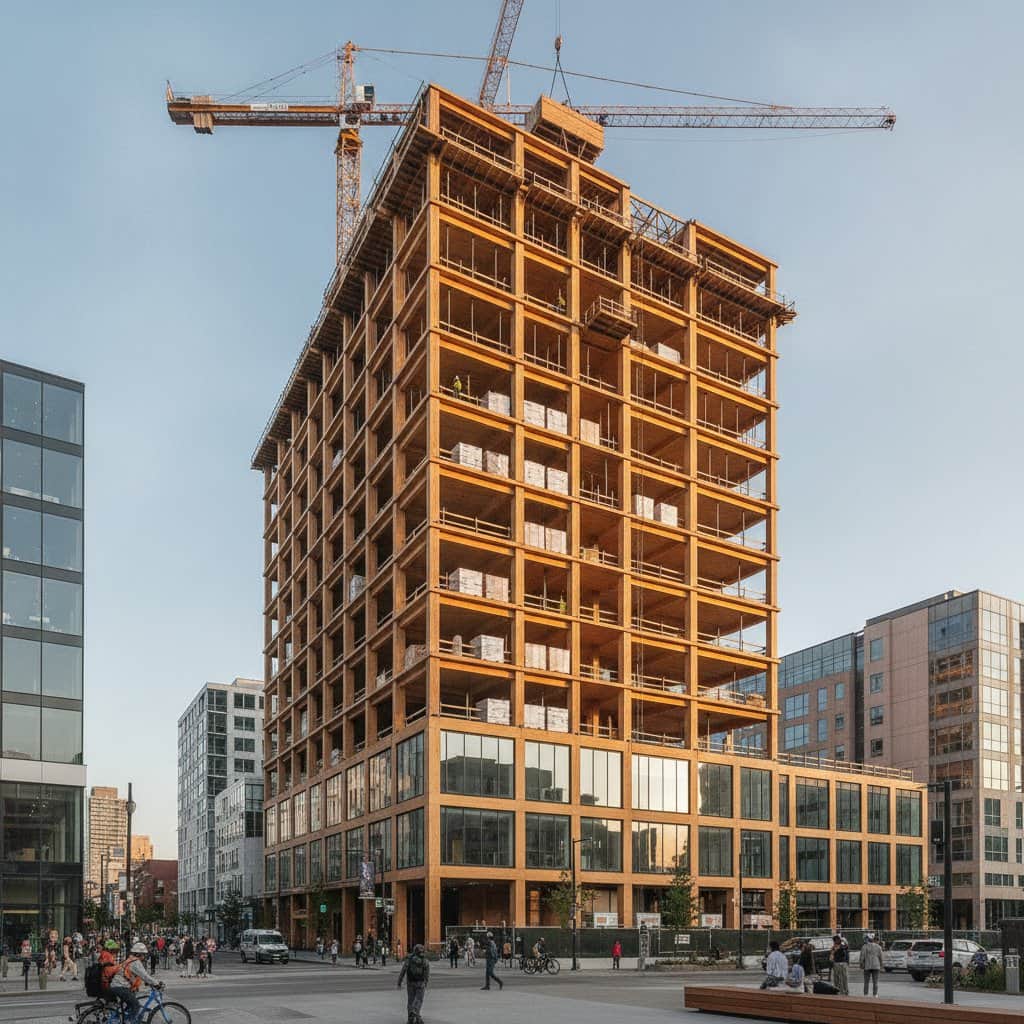
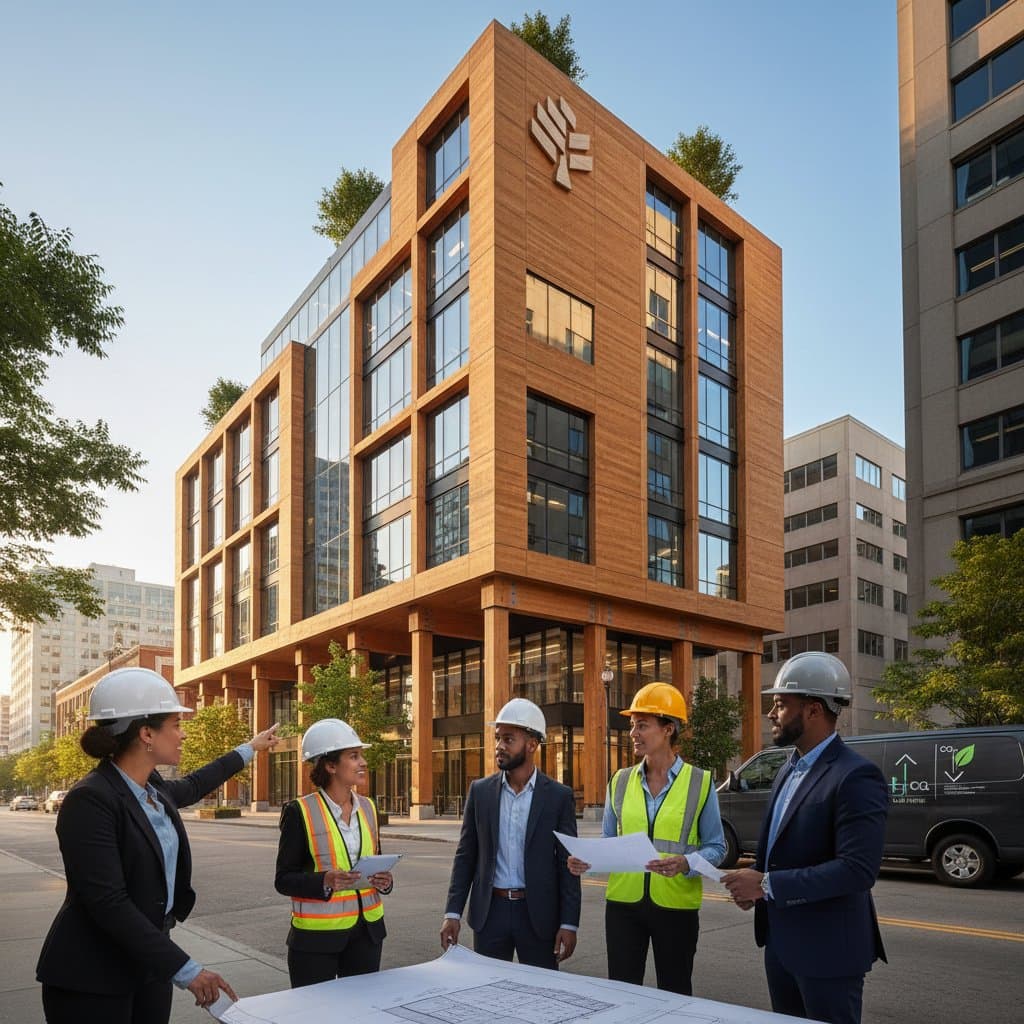
A recent visit to an apartment complex revealed the subtle power of mass timber. The fresh wood scent evoked rain-soaked forests, infusing the space with vitality absent in concrete structures. Walls radiated a warm amber glow, creating an inviting atmosphere that steel frames rarely achieve.

This experience highlights a broader transformation in architecture. Mass timber has evolved from niche applications in cabins to a mainstream option for large-scale sustainable builds. Its growth signals a dynamic change in how we construct enduring, eco-conscious environments.

Defining Mass Timber

Mass timber encompasses engineered wood products like cross-laminated timber (CLT), glued laminated timber (glulam), and nail-laminated timber. These consist of layered wood pieces bonded under pressure, yielding panels and beams that rival concrete and steel in performance for high-rise and commercial projects.

The material's strength derives from its cross-grain lamination, which minimizes warping and maximizes stability. Beyond mechanics, mass timber sequesters carbon from harvested trees, positioning buildings as active environmental assets rather than pollution sources.

Drivers Behind the Current Boom

Several factors converge to fuel mass timber's expansion. Regulatory demands for low-carbon materials now influence public tenders and corporate developments alike. Advances in manufacturing have lowered costs, with CLT production scaling through automated mills that process lumber efficiently.

Additionally, post-pandemic preferences for biophilic design prioritize natural elements that enhance well-being. This alignment has spurred a fivefold increase in mass timber initiatives across North America and Europe, marking a pivotal moment in industry adoption.

Redefining Architectural Design with Mass Timber

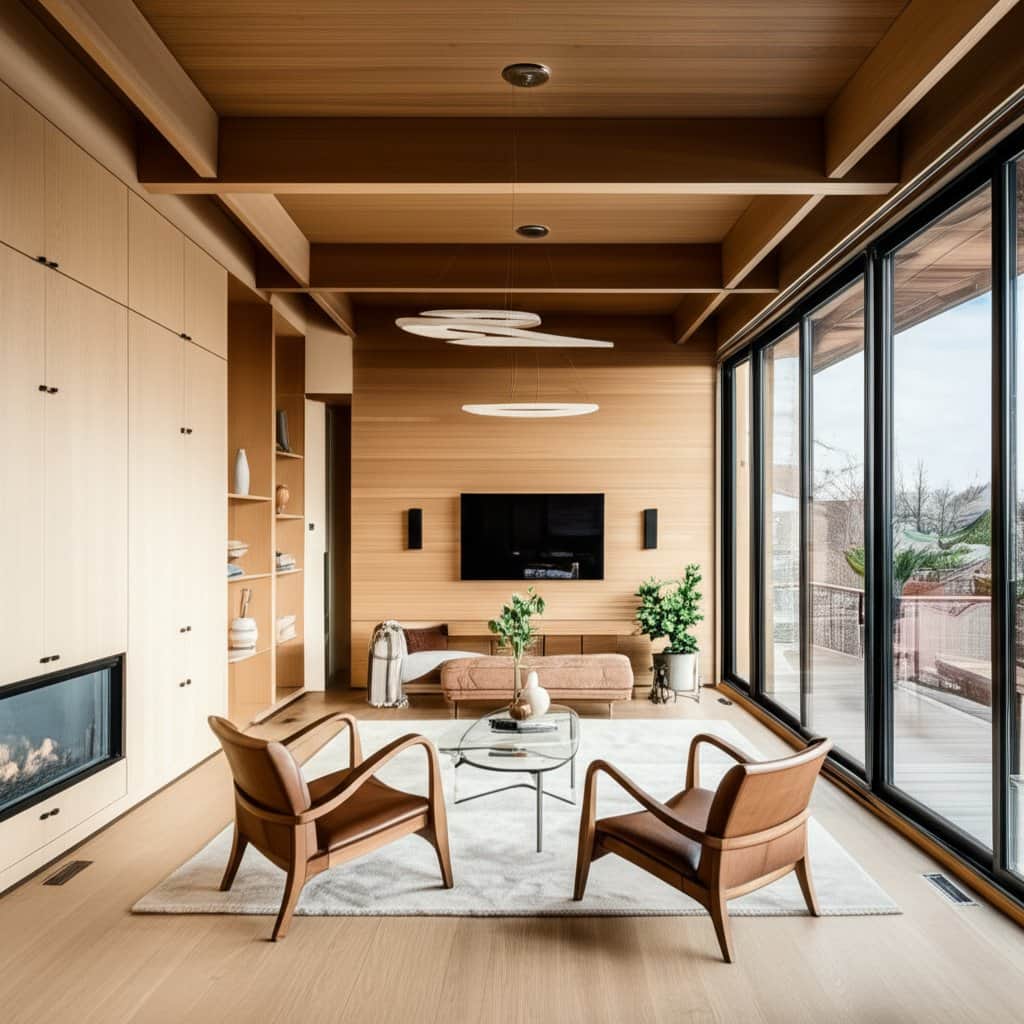
Wood introduces a fluid approach to design, where light interacts with surfaces to create depth and serenity. Exposed timber ceilings diffuse natural illumination gently, while structural elements add organic texture without added ornamentation.

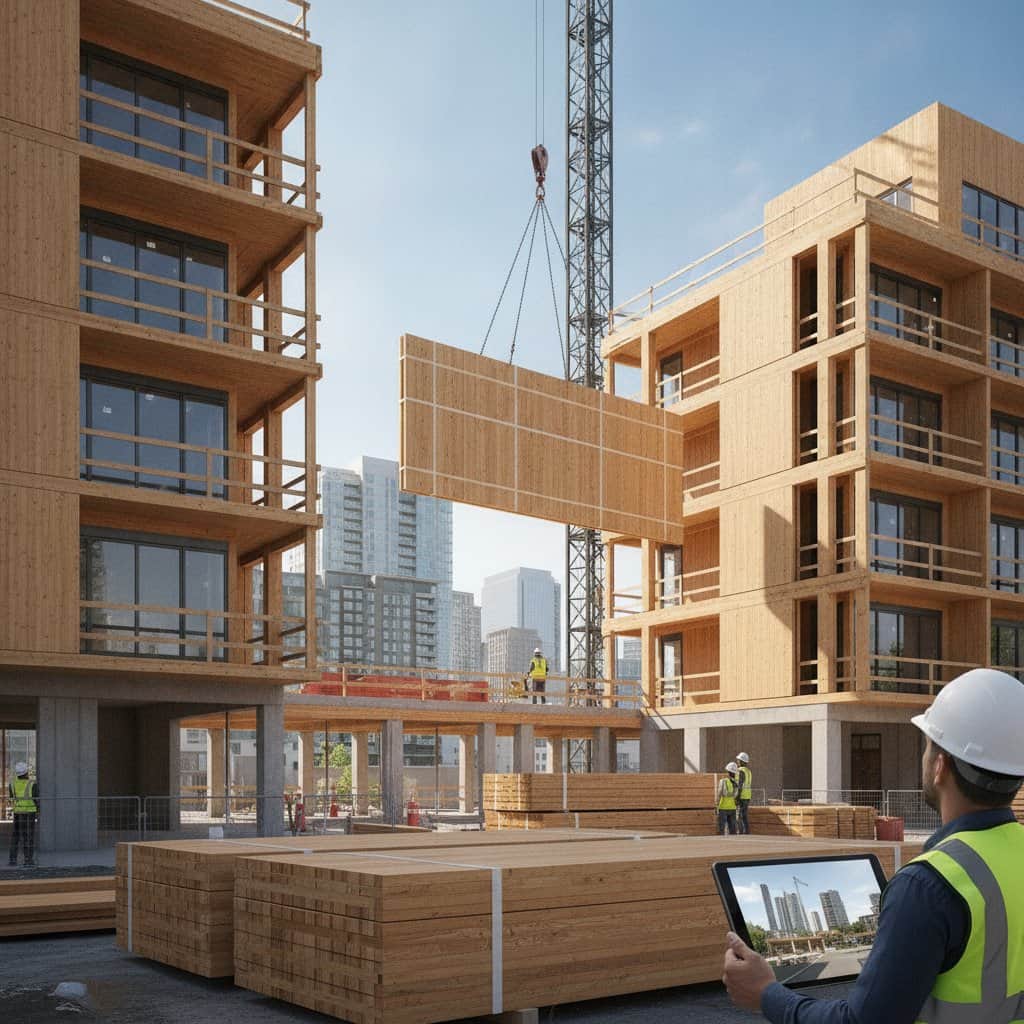
Prefabrication accelerates assembly: panels arrive pre-cut and labeled, enabling crews to erect frames in days rather than weeks. This method cuts on-site disruption by up to 30 percent, ideal for urban sites requiring swift, low-impact development.

The Human Element in Timber Builds

Wood evokes a tactile connection to nature, with visible grain patterns tracing tree growth rings. Touching a finished CLT surface reveals subtle textures that steel lacks, fostering a sense of continuity with the outdoors.

Studies show occupants in timber-clad offices experience 15 percent higher satisfaction rates, attributed to reduced cortisol levels in wood-rich settings. These buildings prioritize emotional comfort alongside functional efficiency.

Environmental Benefits of Mass Timber

Mass timber leverages renewable forests, storing approximately one ton of carbon per cubic meter of wood. Sustainable certification programs ensure harvests support replanting, maintaining ecosystem balance over decades.

Production demands far less energy than steel smelting or cement kilning, slashing embodied carbon by 45 to 90 percent depending on the project scale. This efficiency positions mass timber as a cornerstone for net-zero construction goals.

Addressing Safety and Longevity Concerns

Engineered properly, mass timber matches or surpasses traditional materials in resilience. CLT's density enables it to withstand seismic forces, with buildings like the 18-story Mjøstårnet in Norway demonstrating earthquake resistance through flexible joints.

Fire performance benefits from charring: an outer layer insulates the core, allowing structures to maintain integrity for two hours or more under standard tests. Durability extends through treatments that resist pests and decay, ensuring longevity comparable to steel.

Emerging Design Trends in Mass Timber

Adoption of mass timber inspires minimalist aesthetics that celebrate the material's inherent qualities. Designers expose structural elements to showcase joinery and wood variations, reducing reliance on synthetic finishes.

Key trends include:

  • Exposed structural ceilings and beams that emphasize natural patinas and load-bearing forms
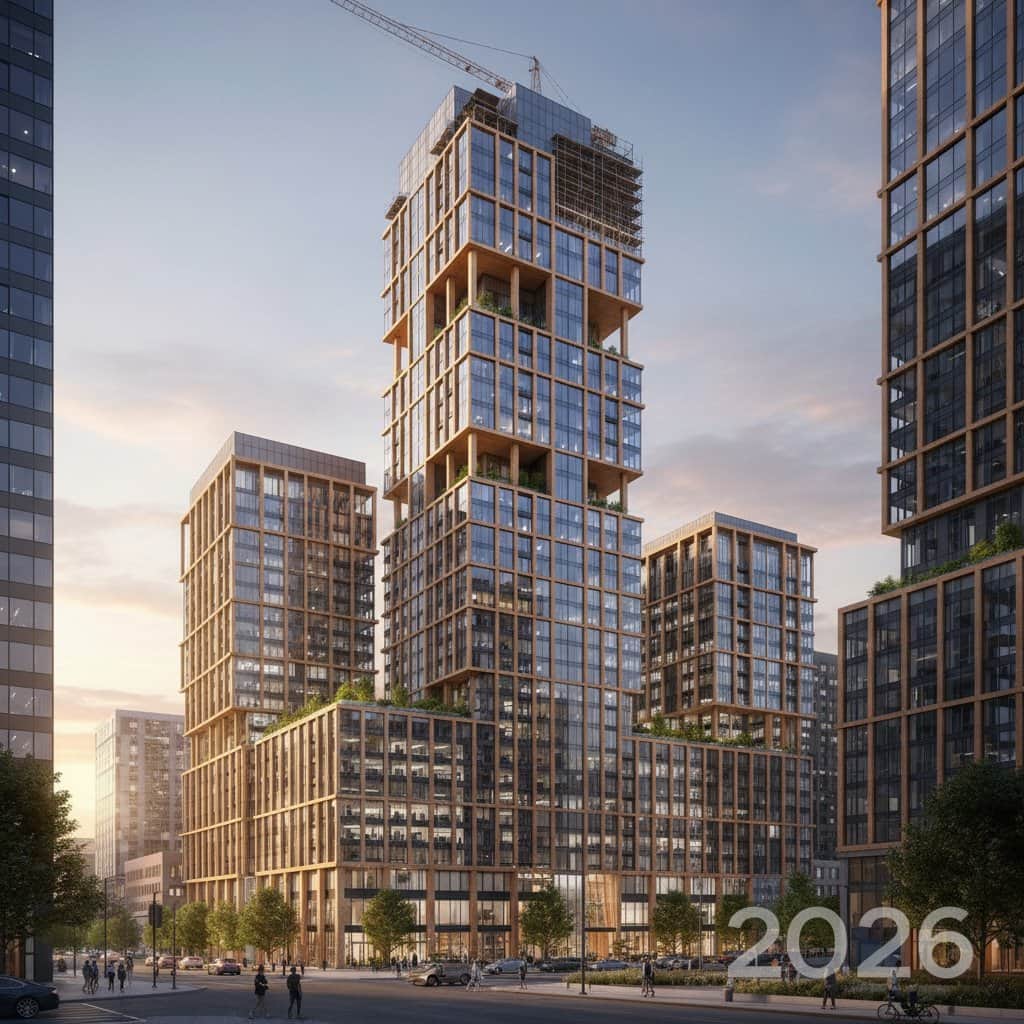
  • Hybrid facades integrating timber with glazing for dynamic light play and thermal efficiency
  • Color schemes blending warm wood hues like oak or cedar with muted earth tones
  • Biophilic integrations, such as vertical gardens adjacent to timber walls, to amplify wellness

These approaches enhance both visual appeal and occupant health.

Balancing Costs and Practicality

Initial expenses for mass timber can exceed steel by 10 to 20 percent in nascent markets, due to specialized milling. However, prefabrication offsets this through 20 to 50 percent faster timelines, minimizing labor and equipment costs.

Foundations require less depth given wood's lighter weight, further economizing groundwork. As supply chains mature, with facilities in over 20 countries, prices continue to decline, broadening accessibility for mid-sized projects.

Opportunities for Homeowners and Professionals

Homeowners can incorporate mass timber via modular extensions using CLT for walls or roofs, achieving a seamless indoor-outdoor flow. For renovations, reclaimed glulam beams add character to open-plan living areas without structural overhauls.

Professionals blend timber with metals for spans over 50 feet or with concrete bases for stability in mixed-use developments. Consult local codes early to leverage incentives like tax credits for green materials.

Embracing Timber in Everyday Spaces

Integrating mass timber reshapes perceptions of built environments, blending innovation with familiarity. These structures promote mindfulness through natural scents and sights, countering urban detachment.

To begin, source samples from certified suppliers and assess compatibility with your climate. This step reveals how timber elevates projects toward sustainability and serenity, crafting spaces that endure and inspire.

You Might Also Like

Hempcrete Walls Going Mainstream in 2026

USDA Loans Bundle Solar Into Rural Construction Financing

Mass Timber Towers Reach New Heights in 2026 Codes

Bridge Loans Let You Build Before You Sell

Concrete That Absorbs Carbon Instead of Releasing It

Tagged:

trends,sustainable,materials,construction,building,mass,timber,mass-timber-construction,clt,clt-building-trends

Recent Articles by Emily Lockwood

Image for Hempcrete Walls Going Mainstream in 2026

Hempcrete Walls Going Mainstream in 2026

April 26, 2026
Image for Concrete That Absorbs Carbon Instead of Releasing It

Concrete That Absorbs Carbon Instead of Releasing It

April 24, 2026
Image for Save $40K in 2026 with Smart 2-1 Rate Buydown

Save $40K in 2026 with Smart 2-1 Rate Buydown
April 23, 2026
Image for 2-1 Buydown Saves Homebuyers $40K in Two Years

2-1 Buydown Saves Homebuyers $40K in Two Years

April 23, 2026
Image for Builder Buydowns Cut New Home Payments Two Years

Builder Buydowns Cut New Home Payments Two Years

April 22, 2026

Related: trends

Image for Assumable Mortgages: Lock In Rates From Years Ago

Assumable Mortgages: Lock In Rates From Years Ago

March 26, 2026
Image for Mass Timber Towers Gain Code Approval for 2026 Builds

Mass Timber Towers Gain Code Approval for 2026 Builds

February 25, 2026
Image for Mass Timber Builds Modern Homes in Half the Time

Mass Timber Builds Modern Homes in Half the Time

Construction Trends

Mass Timber Buildings Store Carbon While Replacing Steel

Mass timber drives a fivefold rise in sustainable projects, using engineered wood such as CLT to deliver structural strength, faster builds, and carbon sequestration. This material reduces emissions, enhances building aesthetics, and fosters human-centered spaces that blend resilience with natural warmth and environmental stewardship.

April 28, 2026

Mass Timber Towers Reach New Heights in 2026 Codes

Mass timber construction ascends to new levels with the 2026 building codes, permitting taller structures built from cross-laminated timber. These advancements promote safer designs, accelerated construction timelines, and reduced environmental impact, marking a transformative phase in sustainable urban development for architects, builders, and developers.

April 25, 2026

Mass Timber Towers: 2026 Codes Unlock Costs & Gains

The 2026 building codes propel mass timber towers toward mainstream adoption, enabling taller structures, accelerated construction, and superior sustainability. Cost efficiencies, greater design versatility, and carbon sequestration advantages position engineered wood as a viable alternative to steel and concrete. These changes redefine urban skylines, project budgets, and architectural innovation.

April 19, 2026

Categories

Budgeting & Financing
Construction Materials & Methods
Construction Trends
Contractors & Project Management
Design & Floor Plans
Home Building Basics
Homeowner Tips & Maintenance
Inspections & Quality Checks
Renovation & Additions
Sustainability & Energy Efficiency
October 14, 2025

Mass Timber Brings Warmth and Carbon Storage to High-Rises

Mass timber revolutionizes multi-family high-rises by integrating sustainability, durability, and natural warmth into urban architecture. Engineered solutions such as cross-laminated timber enable quicker builds, reduced emissions, and appealing aesthetics that draw residents. With evolving regulations and stabilizing costs, mass timber paves the way for more intuitive, resident-centered vertical living by 2026.

April 17, 2026

Battery-Ready Panels Reshape How New Homes Handle Power

Effective 2026, new homes require battery-ready electrical panels, a pivotal advancement in construction. These systems facilitate seamless energy storage, improve blackout resistance, and promote efficient, intelligent energy practices. This innovation benefits builders, designers, and residents through proactive energy infrastructure.

March 20, 2026

Battery-Ready Homes Prepare for Energy Independence

Starting in 2026, new homes require wiring for future battery storage, simplifying the path to energy independence. This preparation facilitates seamless solar connections, cost-effective upgrades, and reliable power during outages. Understand how basic pre-wiring now positions your home for emerging energy technologies.

March 7, 2026

Insurance Now Rewards Storm-Ready Home Design

Starting in 2026, insurance providers will mandate features that enable homes to endure severe weather events, offering reduced premiums and superior coverage in return. Upgrades such as fortified roofs, enhanced drainage systems, and durable materials deliver substantial long-term savings and security. Identify essential modifications and strategies to fortify your property affordably.

March 5, 2026

Battery-Ready Wiring Saves Retrofit Costs Later

Pre-wiring a home for battery storage during initial construction in 2026 avoids costly retrofits and enables seamless addition of solar panels, EV chargers, and advanced energy systems. Strategic design decisions now promote long-term flexibility and efficiency. Explore practical steps to make your home resilient and energy-smart for the future.

March 3, 2026

Building Codes 2026: Protect Your Home Without Breaking Budget

The 2026 building codes raise the bar for fire, wind, and flood resilience—without requiring a sky-high budget. Smart planning, durable materials, and early design choices can protect your home, lower insurance costs, and boost long-term value. Build for safety, efficiency, and peace of mind from the foundation up.

March 2, 2026

2026 Building Codes Protect Against Climate Threats

The 2026 building codes prioritize resilience, incorporating fortified roofs, fire-resistant materials, and advanced drainage systems to safeguard homes from hurricanes, wildfires, and intensifying climate events. These standards empower homeowners and builders to create structures that endure disasters, minimize repairs, and provide enduring security in an era of escalating environmental challenges.

February 25, 2026

Mass Timber Towers Gain Code Approval for 2026 Builds

Mass timber towers achieve mainstream status through 2026 code approvals, facilitating taller, more sustainable structures. Engineered wood products such as cross-laminated timber and glulam deliver strength, rapid assembly, and environmental benefits. Developers, architects, and residents can anticipate warmer, efficient buildings that reduce carbon emissions in urban landscapes.

February 25, 2026

Mass Timber Rises: 15 States Greenlight Tall Wood Buildings

Fifteen states have approved building codes for tall mass timber structures, revolutionizing construction with sustainable, efficient alternatives to steel and concrete. These engineered woods offer strength, carbon sequestration, and a natural aesthetic that enhances urban environments and residential spaces alike.

February 24, 2026

Luxury Prefab Homes Now Match Custom Quality at $200K

Luxury prefab homes reshape contemporary housing by providing upscale aesthetics, integrated smart technologies, and superior energy performance at approximately $200,000. These residences assemble swiftly and adhere to budgets, merging ease, environmental responsibility, and personalization minus the challenges of conventional building. Learn why the 2026 prefab advancements render premium homes remarkably accessible.

February 15, 2026

2026 Building Codes: Homes That Resist Fire and Flood

The 2026 building codes advance home resilience against wildfires, floods, and extreme weather through innovative materials and designs. Fire-rated exteriors, elevated structures, and efficient drainage systems deliver durable, cost-effective protection and serenity amid climate uncertainties.

February 13, 2026

Mass Timber Apartments Finally Clear Fire Code Hurdle

The 2026 fire code revision unlocks opportunities for taller mass timber apartment buildings, emphasizing safety through advanced engineering. This change supports quicker construction timelines, reduced environmental impact, and appealing natural interiors. Learn how these updates are reshaping multifamily housing with wood-based innovation.

February 12, 2026

Homes Built to Survive Hurricanes Stand Firm in 2026

The 2026 hurricane-resistant building codes enhance home durability through reinforced connections, advanced materials, and improved water management. Initial investments yield reduced insurance costs, sustained property value, and enhanced security. Discover strategies in modern construction and upkeep to fortify your home against intense weather events.

February 6, 2026

CLT Towers Cut Carbon and Build Time in Half

Cross-laminated timber (CLT) towers redefine urban construction by integrating sustainability, efficiency, and aesthetic appeal. Prefabricated panels minimize carbon emissions, construction noise, and expenses while delivering structural integrity and natural warmth. From initial design through ongoing maintenance, CLT supports eco-friendly, people-oriented city expansion. Learn how mass timber influences architectural evolution by 2026.

February 4, 2026

New Building Codes Let Mass Timber Rise Higher

The 2026 building codes mark a pivotal shift for mass timber in high-rise construction. These regulations permit taller buildings using cross-laminated timber, which matches the strength of steel and concrete while significantly reducing carbon emissions. Architects, builders, and residents gain from quicker projects, innovative designs, and warmer living spaces that transform city landscapes.

January 31, 2026

Why 2026 Building Codes Mandate Battery-Ready Wiring

Effective 2026, building codes mandate wiring for battery storage in new homes and renovations. This forward-thinking requirement eases solar and backup system additions, minimizes retrofit expenses, increases resale appeal, and strengthens energy independence for sustainable living.

January 28, 2026

Mass Timber Towers Face 2026 Fire Code Overhaul

Mass timber redefines urban high-rises with eco-friendly design and rapid construction. The 2026 fire code updates introduce stringent standards for testing, containment, and suppression, offering builders a roadmap to safer, innovative projects.

January 16, 2026
Mass Timber vs Steel: Carbon Storage and Sustainable Building Boom | multihb.com | Multi HB - Home Building, Construction Trends, Financing New Homes