Why Mass Timber Is Replacing Steel in Mid-Rise Buildings
Mass timber panels enable faster, lower-carbon mid-rise buildings while delivering warm interiors and simpler foundations.
Loading...
Articles tagged with clt
Mass timber panels enable faster, lower-carbon mid-rise buildings while delivering warm interiors and simpler foundations.
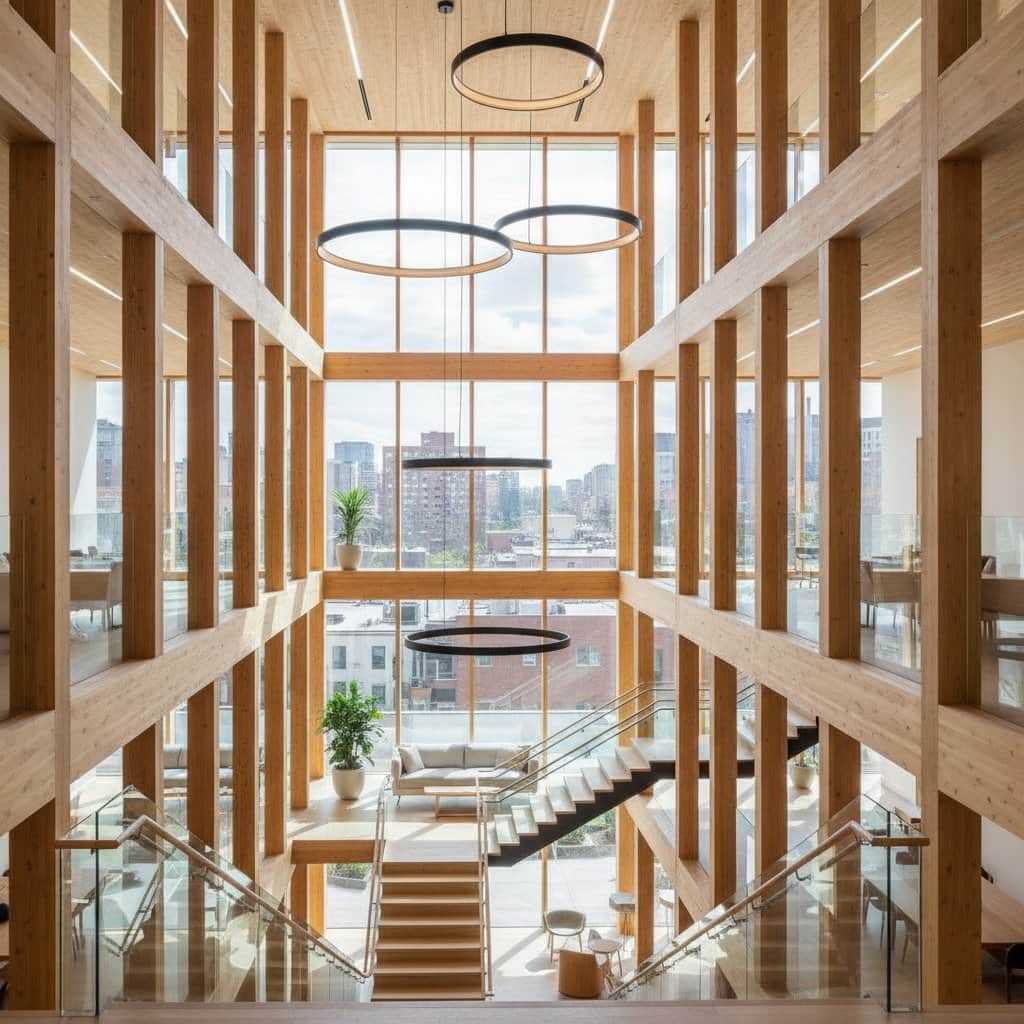
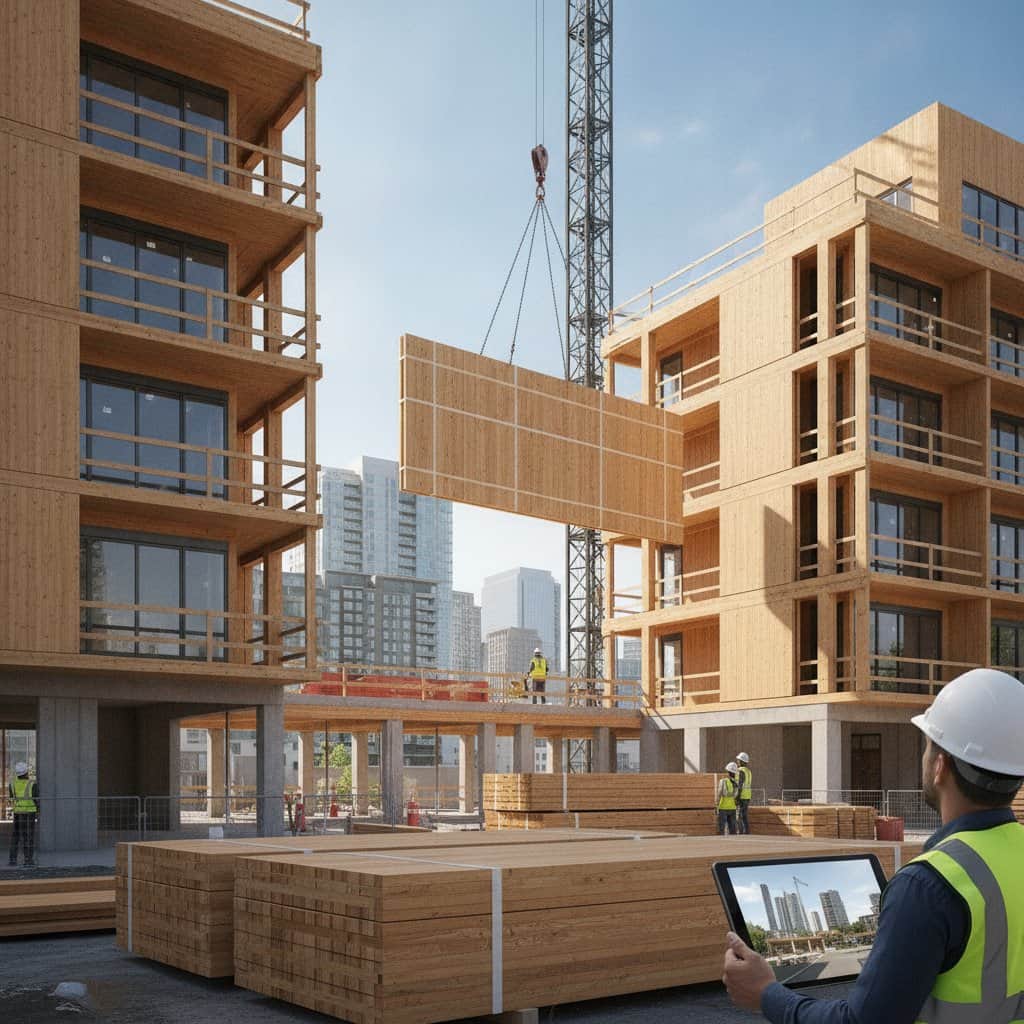
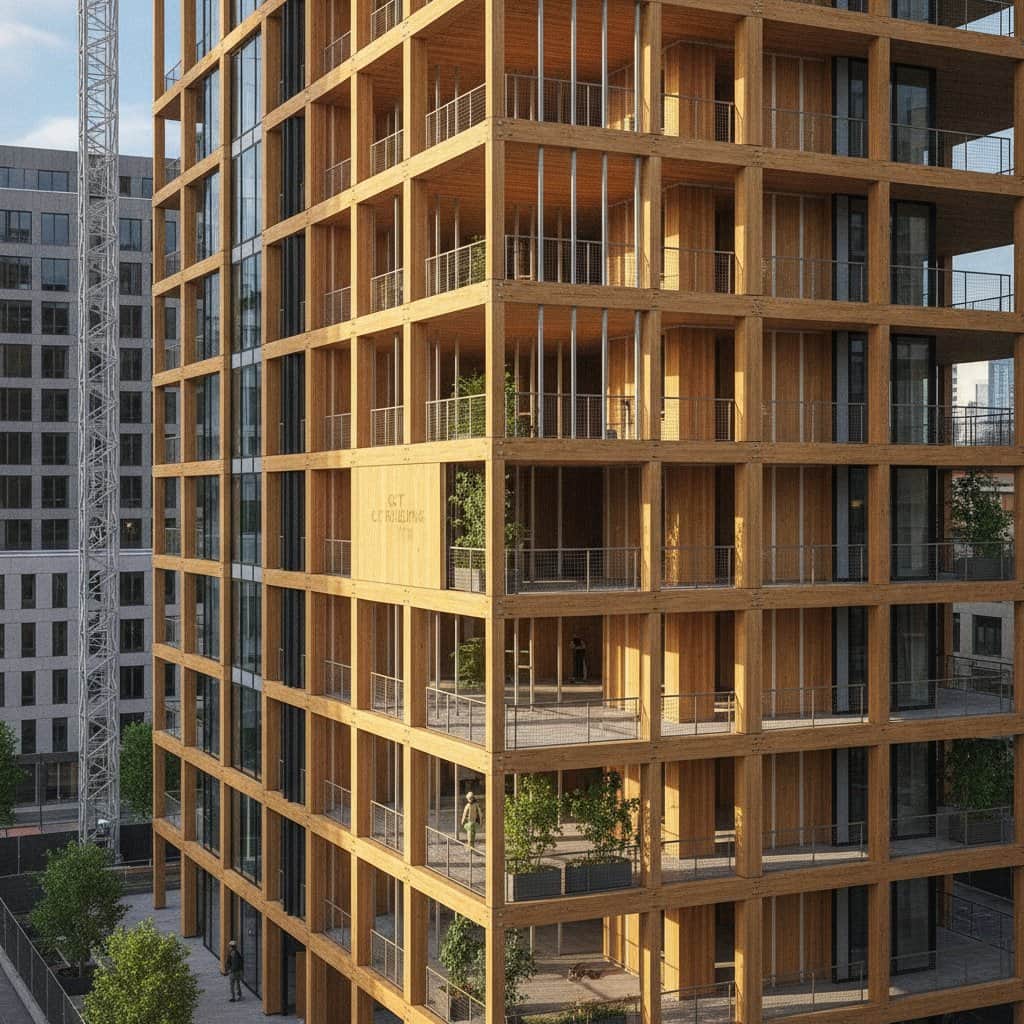
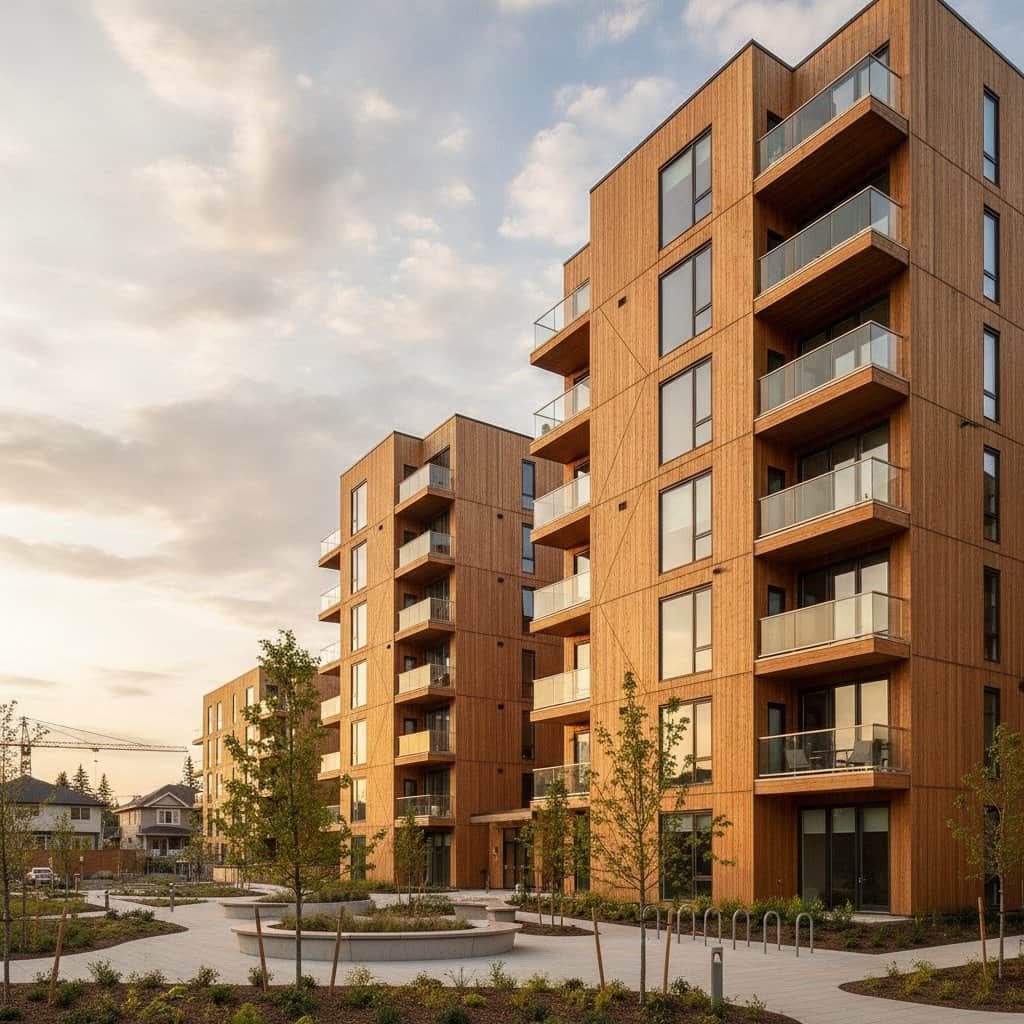
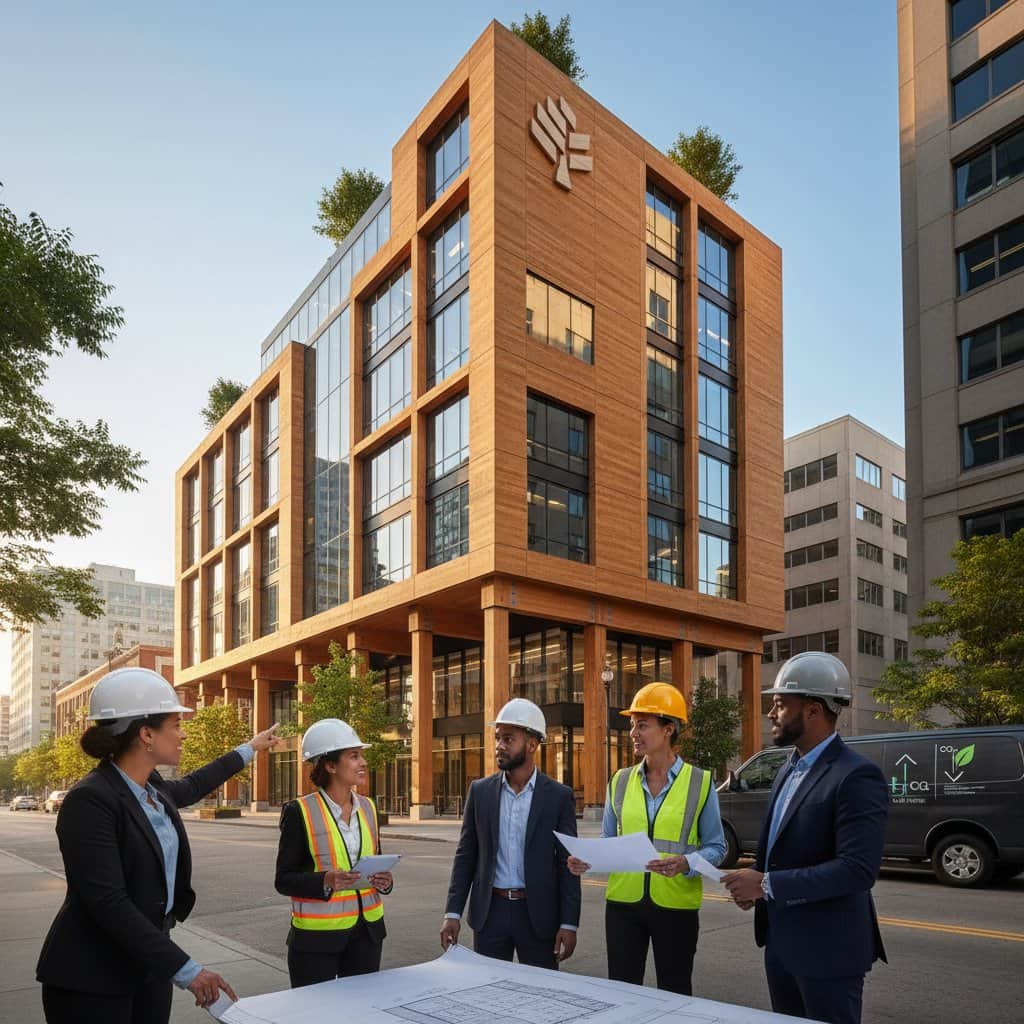
Cross-laminated timber enables developers to deliver mid-rise and high-rise buildings beyond city centers. The material combines structural capacity with a naturally comfortable interior environment while shortening construction timelines.
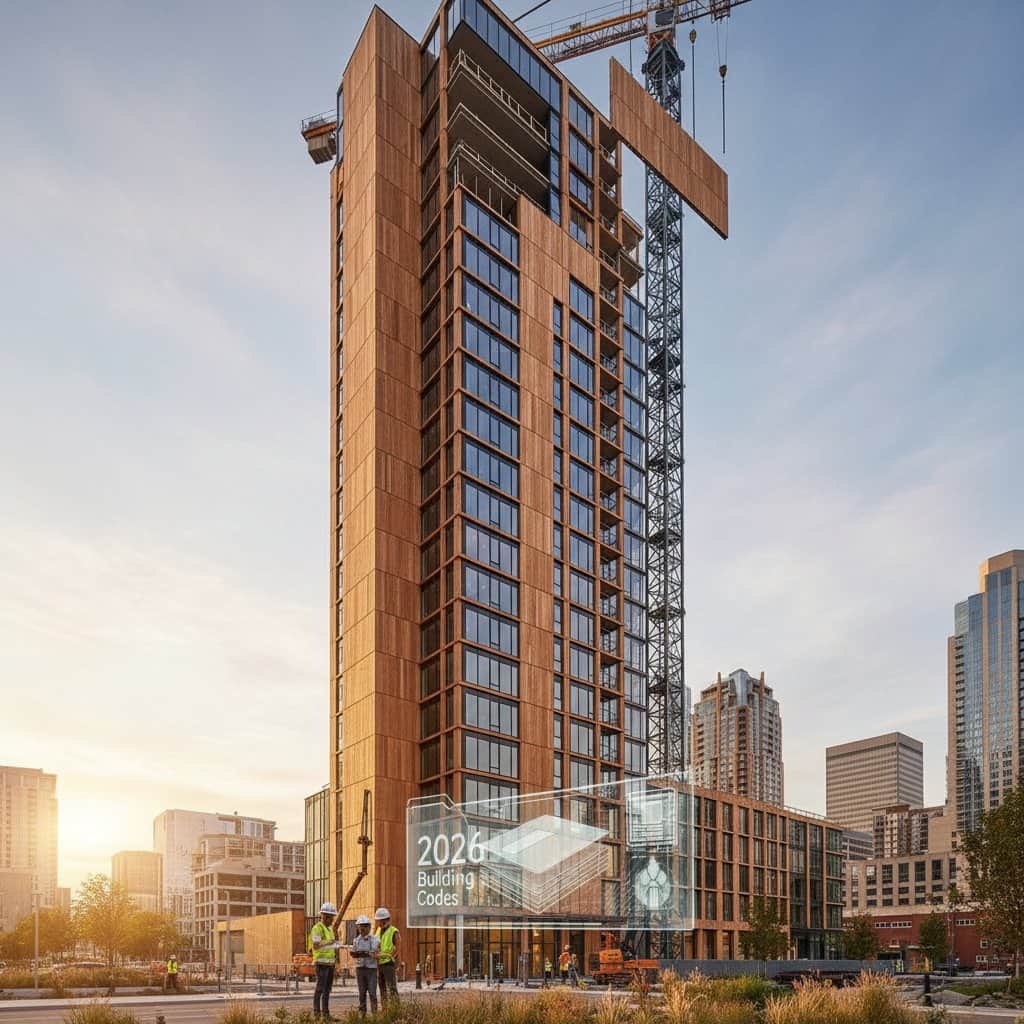
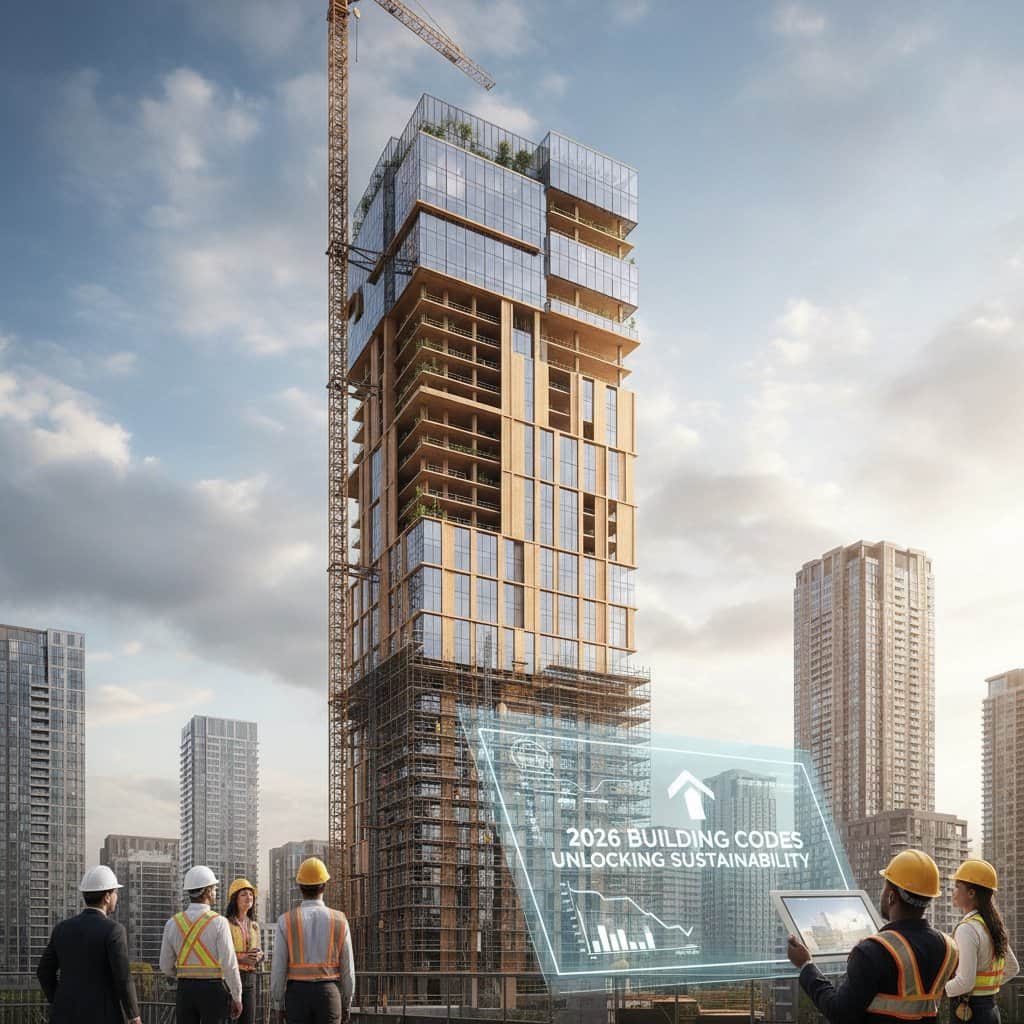
Updated 2026 building codes establish clear standards for taller mass timber structures, reducing approval times and increasing lender confidence in CLT construction.
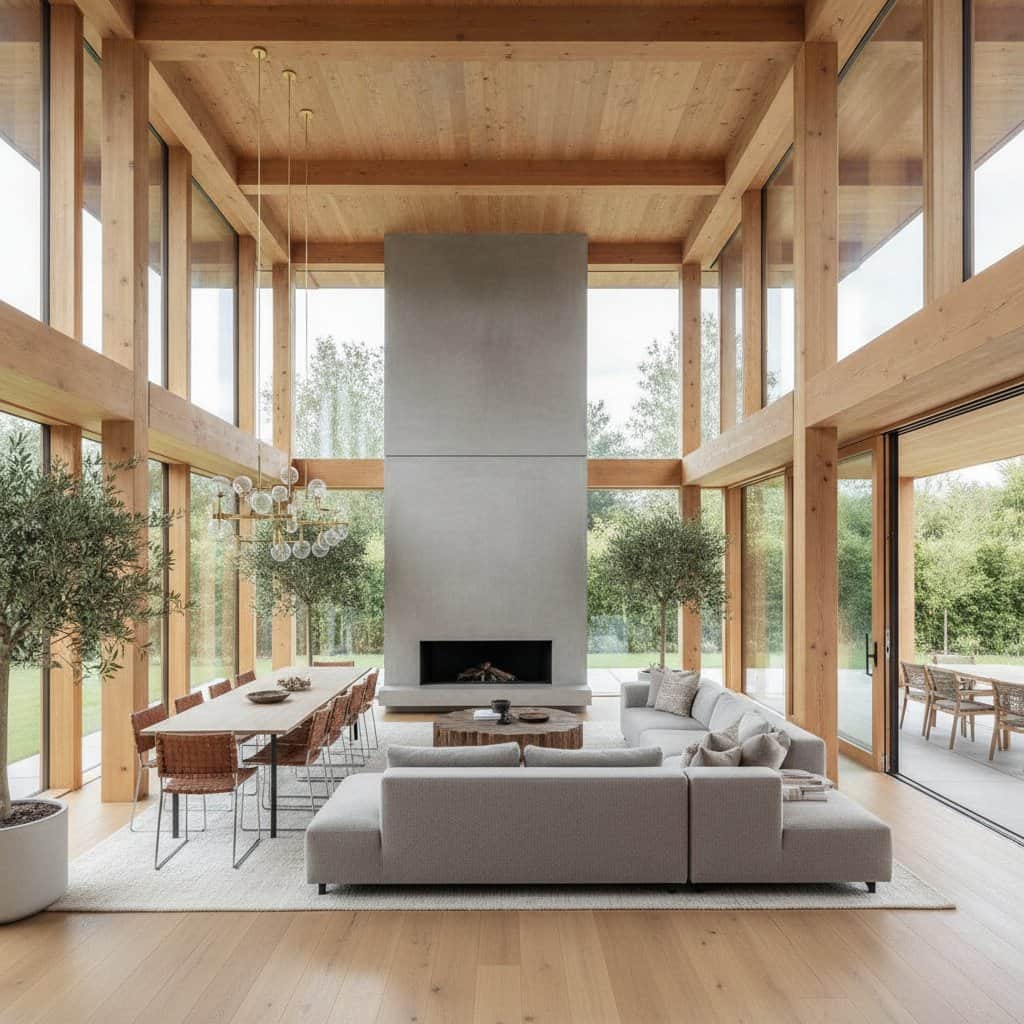
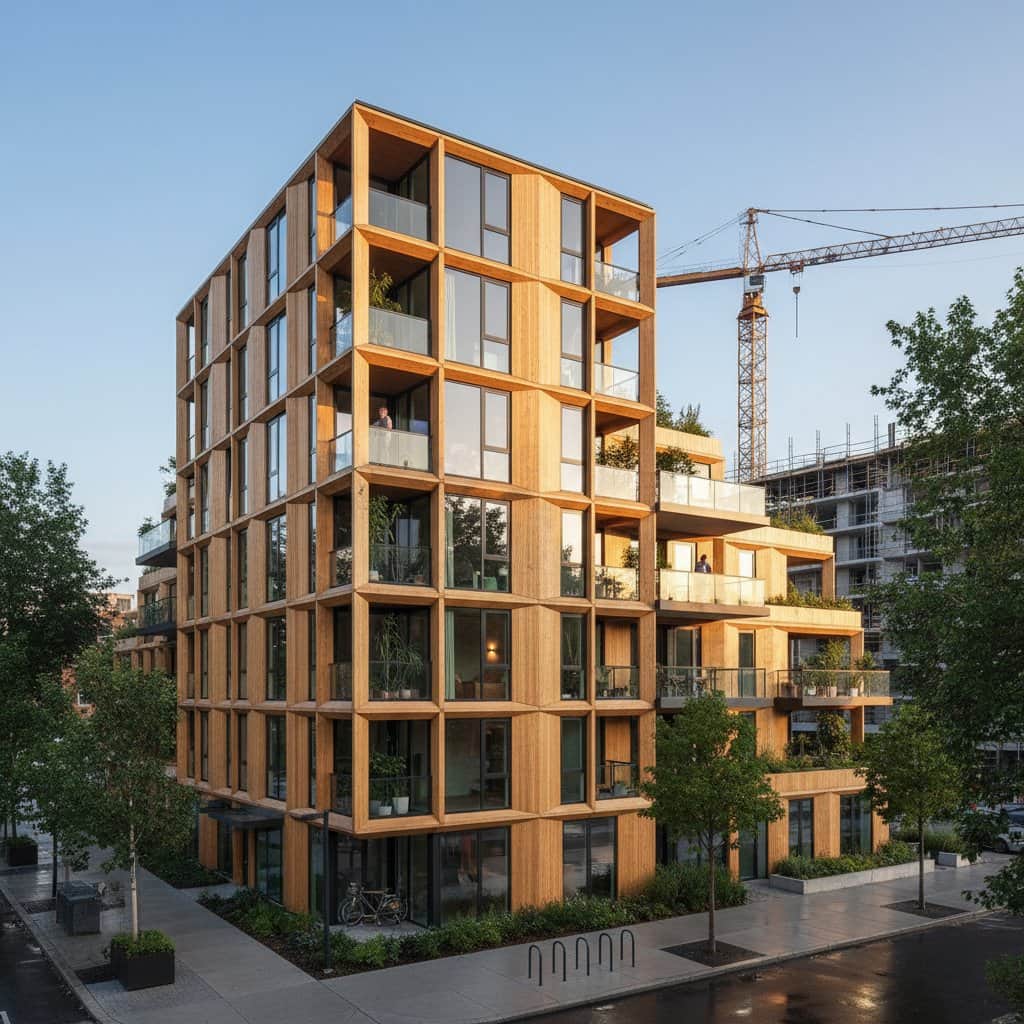
Mass timber is redefining multi-story home construction with its strength, sustainability, and natural warmth. Using engineered wood panels like CLT, builders achieve faster, cleaner builds and beautiful, carbon-storing structures.
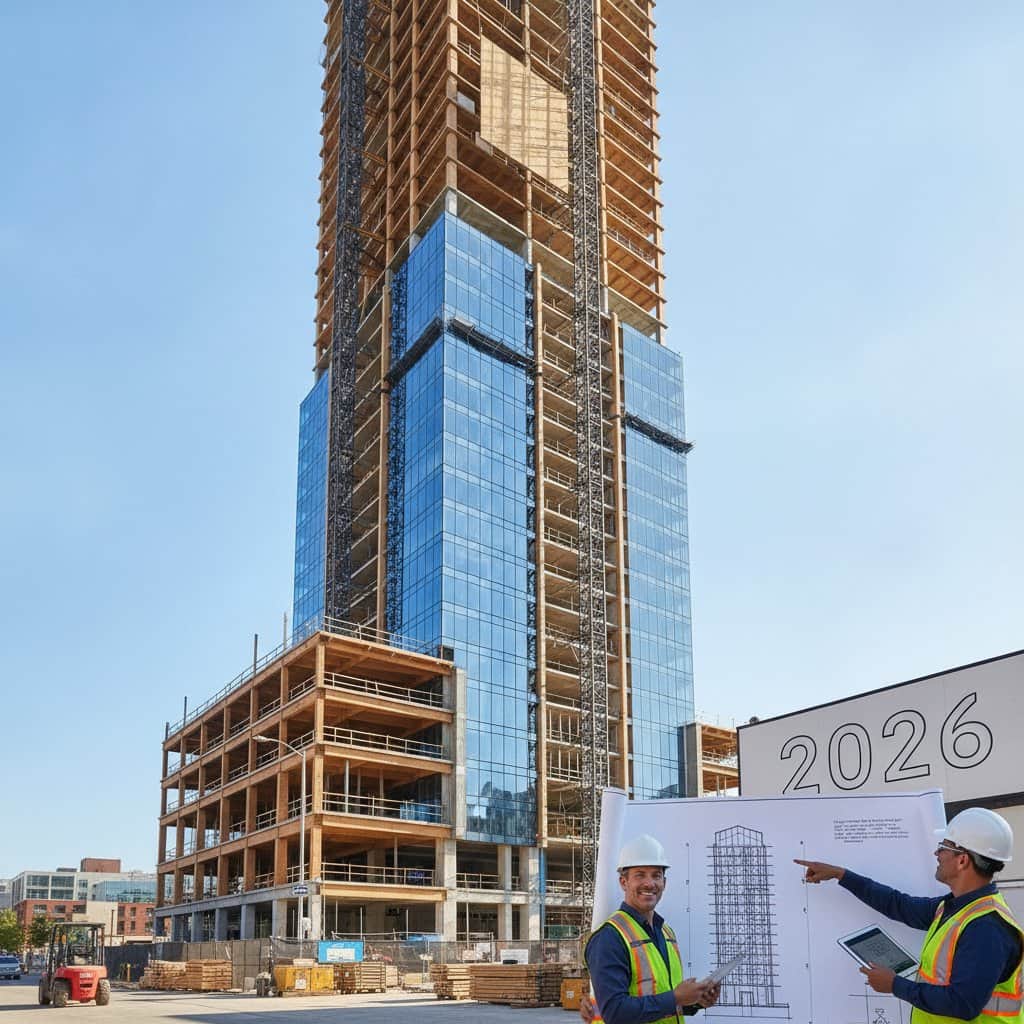
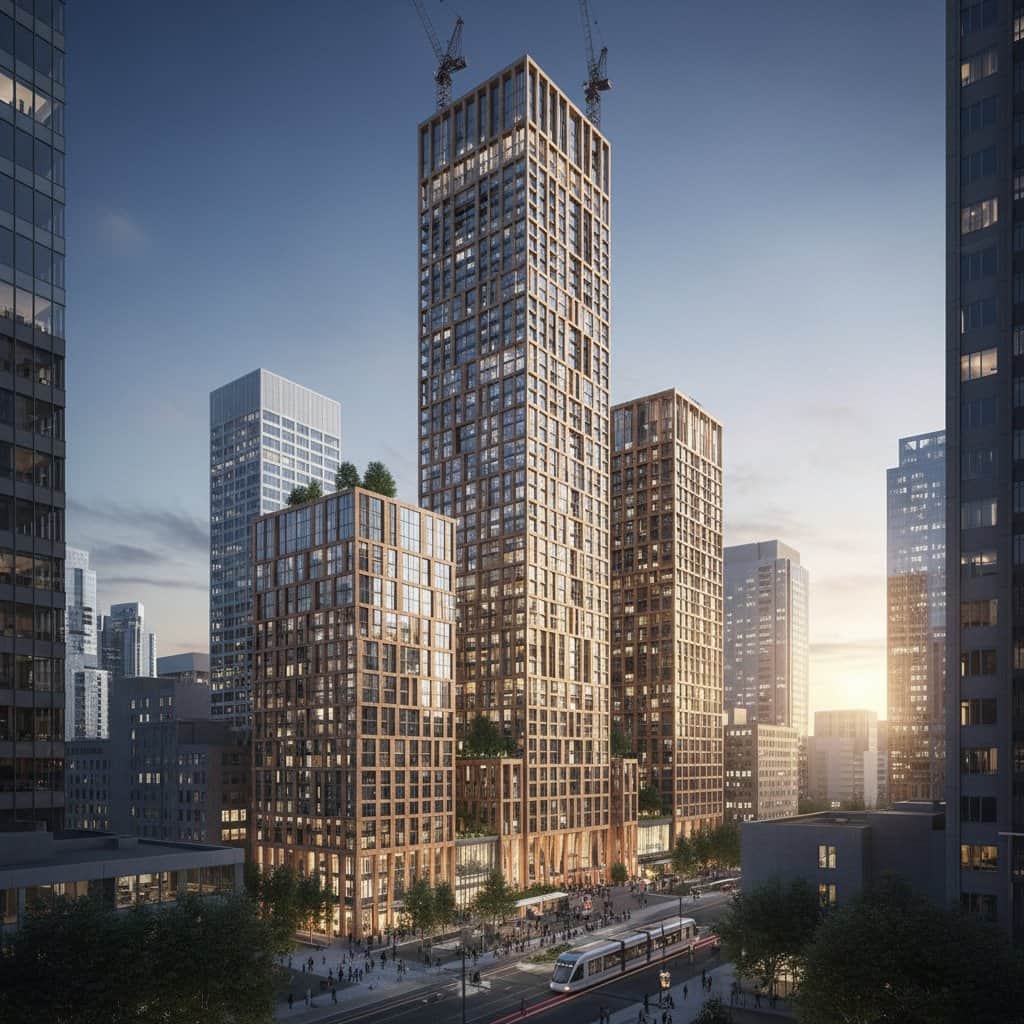
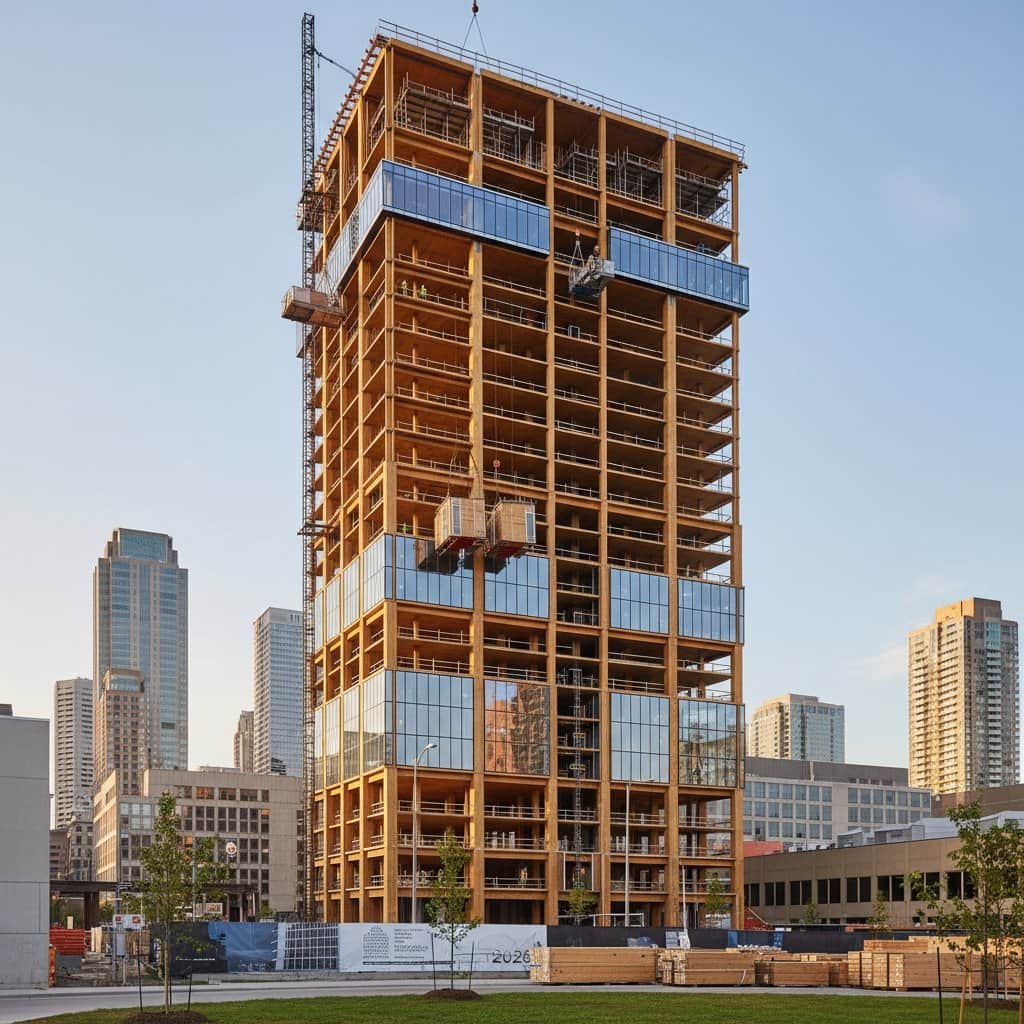
Mass timber high-rises are transforming skylines as code approvals unlock taller wooden structures. Engineered timber offers strength, speed, and carbon benefits compared with steel and concrete.
Mass timber drives a fivefold rise in sustainable projects, using engineered wood such as CLT to deliver structural strength, faster builds, and carbon sequestration. This material reduces emissions, enhances building aesthetics, and fosters human-centered spaces that blend resilience with natural warmth and environmental stewardship.
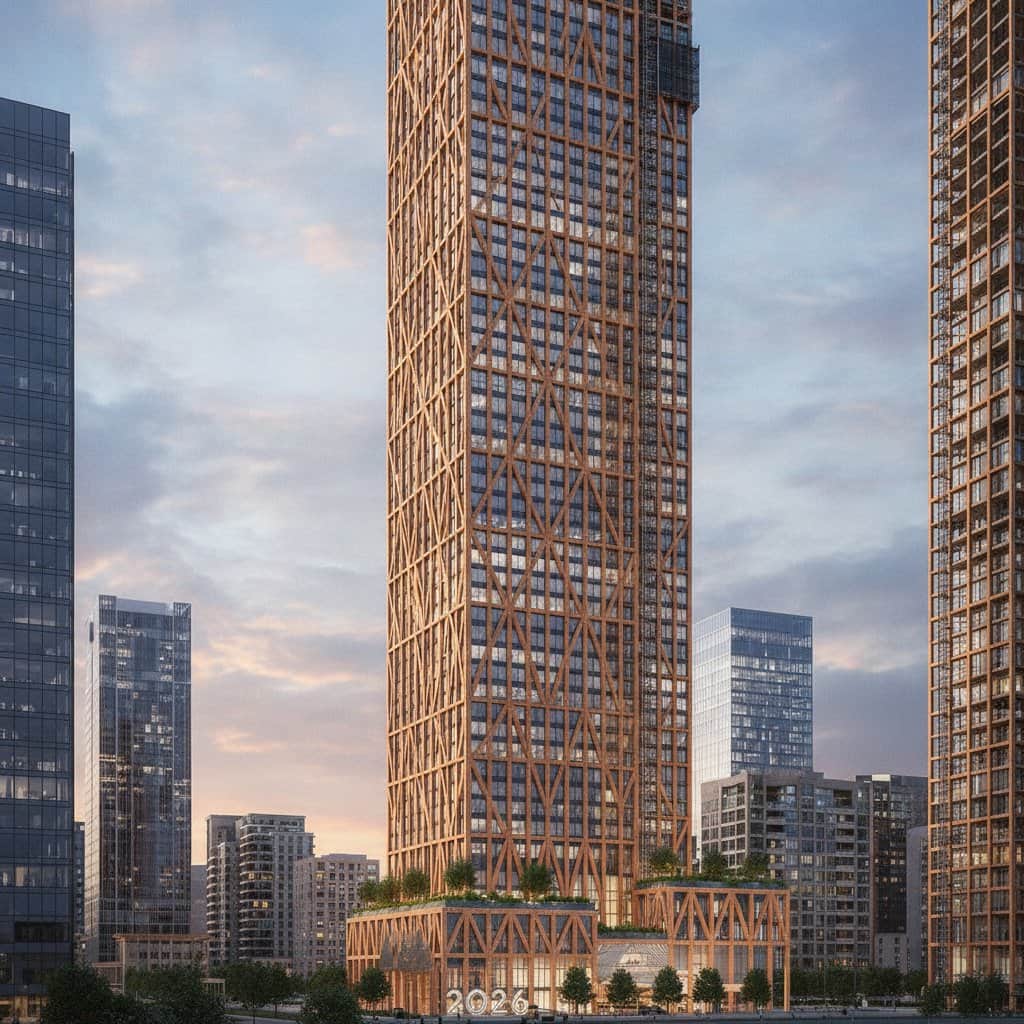
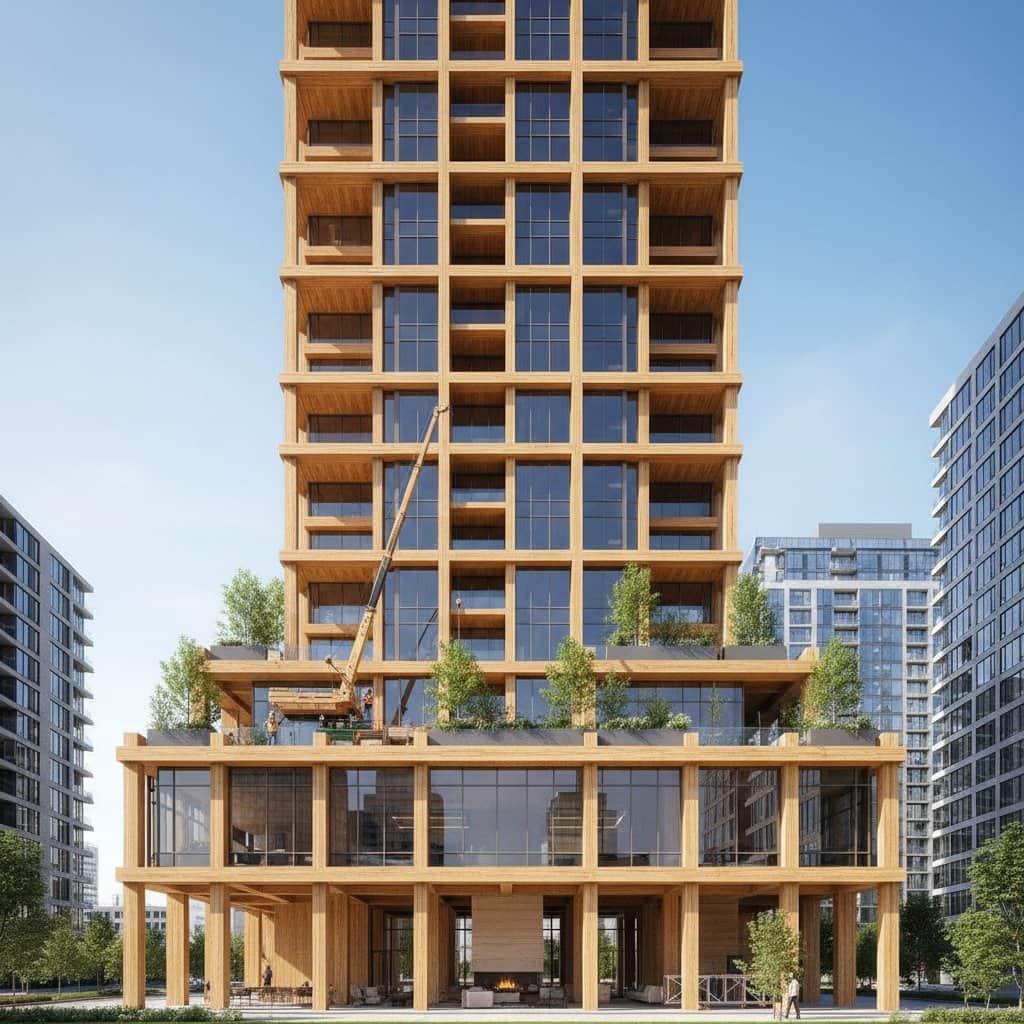
The 2026 building codes propel mass timber towers toward mainstream adoption, enabling taller structures, accelerated construction, and superior sustainability. Cost efficiencies, greater design versatility, and carbon sequestration advantages position engineered wood as a viable alternative to steel and concrete. These changes redefine urban skylines, project budgets, and architectural innovation.
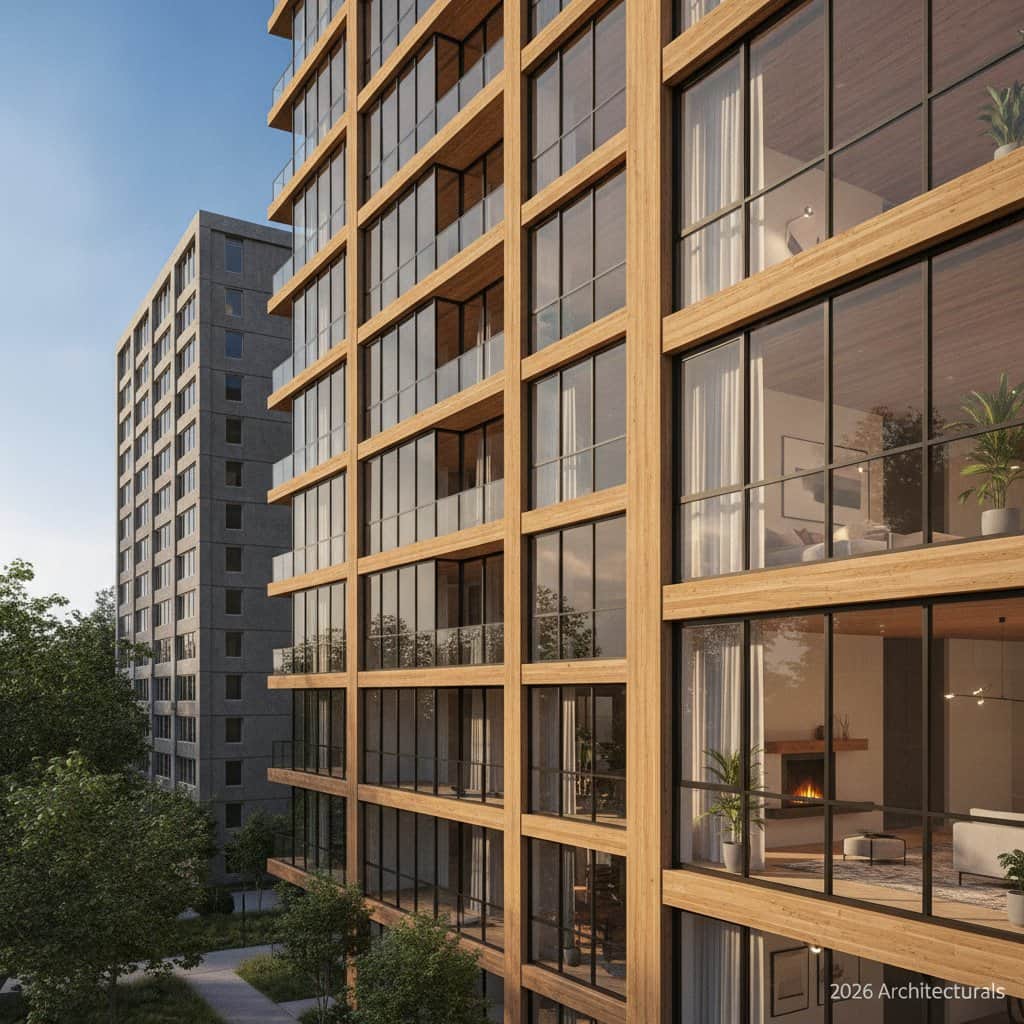
Mass timber revolutionizes multi-family high-rises by integrating sustainability, durability, and natural warmth into urban architecture. Engineered solutions such as cross-laminated timber enable quicker builds, reduced emissions, and appealing aesthetics that draw residents. With evolving regulations and stabilizing costs, mass timber paves the way for more intuitive, resident-centered vertical living by 2026.
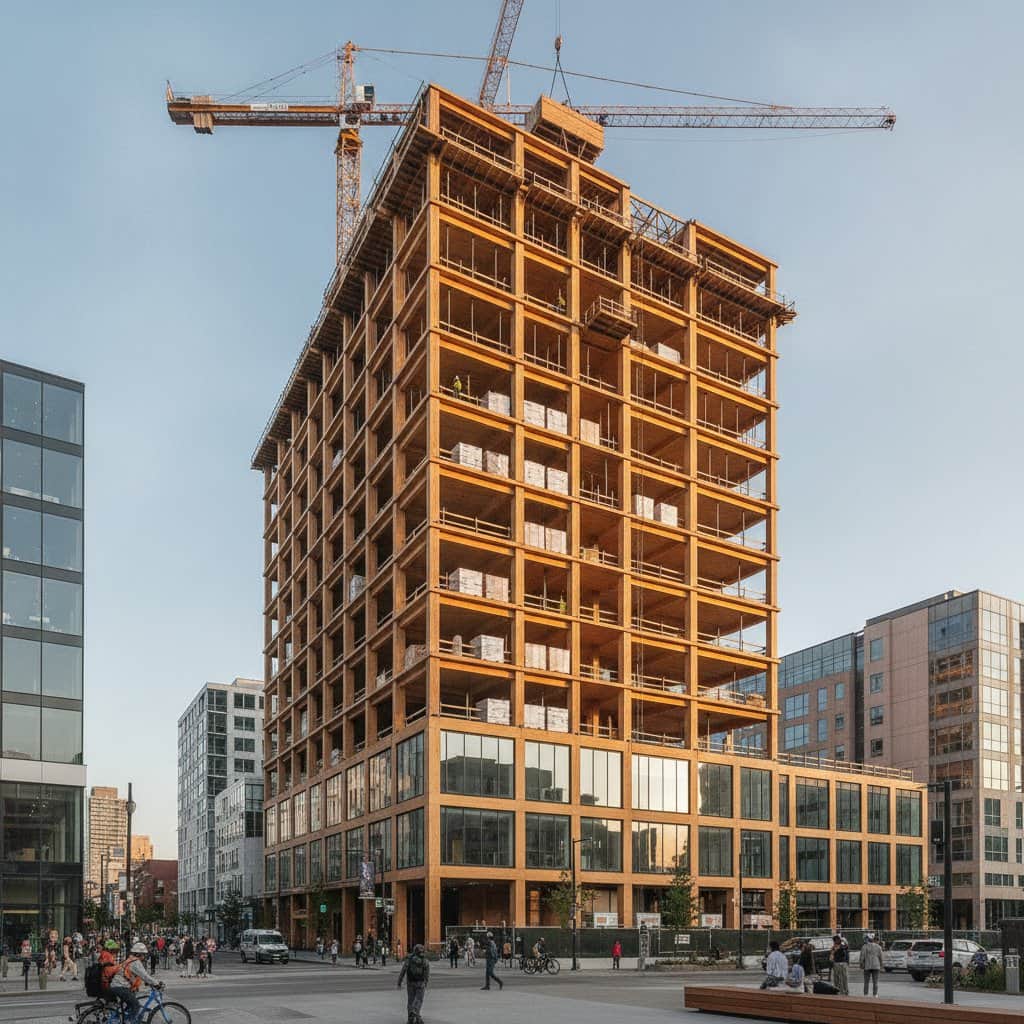
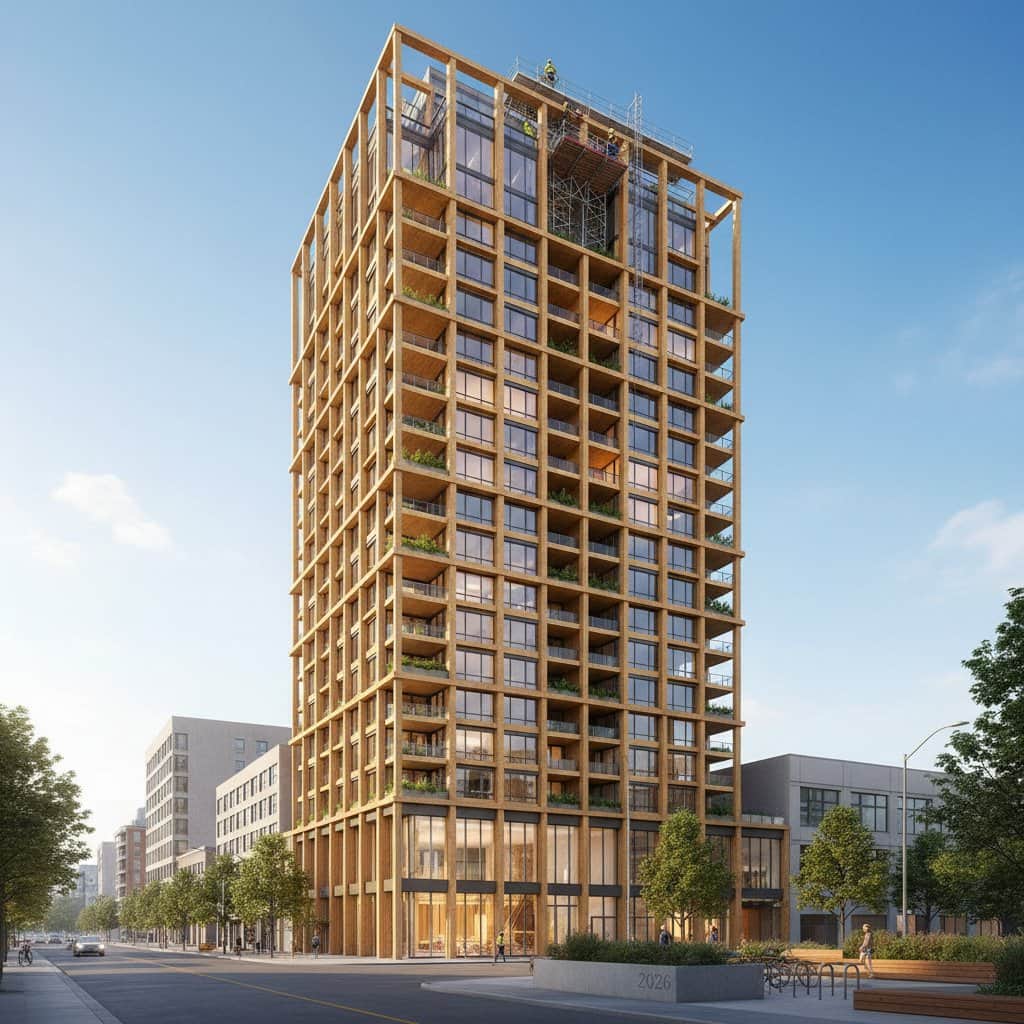
Updated 2026 codes permit mass timber buildings up to 18 stories, revolutionizing sustainable high-rise development. Lighter and more eco-friendly than steel or concrete, these structures accelerate construction while demanding expertise in fire safety and design integration for optimal results.
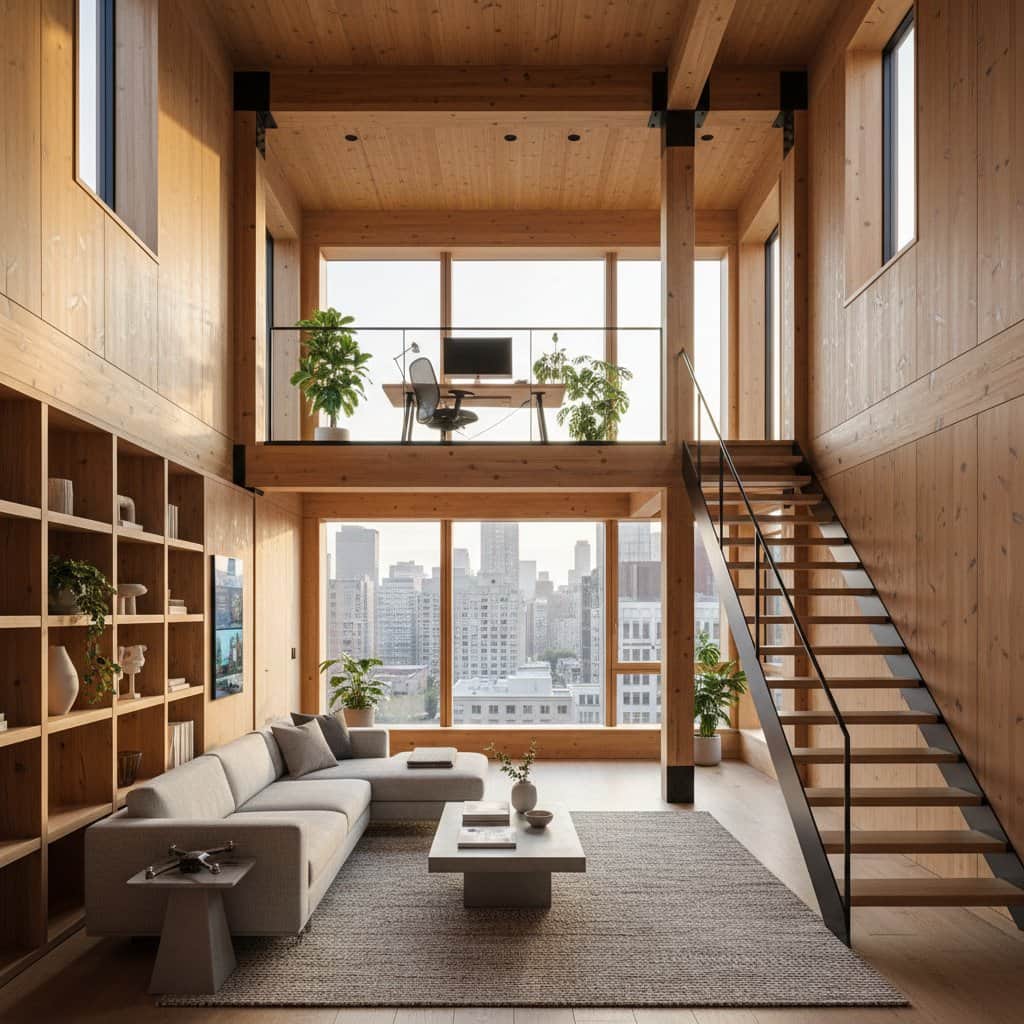
Mass timber redefines multi-family high-rises through sustainable engineering, natural aesthetics, and efficient building processes. This material enables lighter frameworks, lower emissions, and interiors that foster a sense of warmth and connection to nature. By 2026, urban developments increasingly adopt mass timber to balance innovation with environmental responsibility.
Cross-laminated timber (CLT) revolutionizes skyscraper construction by enabling 20-story wood buildings that integrate structural strength, rapid assembly, and environmental benefits. Designed for enhanced fire resistance and sound insulation, CLT provides a natural, inviting alternative to steel and concrete, demonstrating that contemporary architecture can achieve high performance while fostering a connection to the natural world.
Mass timber transforms multi-family housing through accelerated construction, minimized carbon emissions, and appealing wood-based aesthetics. Engineered products such as cross-laminated timber enable rapid project completion while promoting sustainability and drawing environmentally aware tenants. With evolving regulations, this approach offers developers a forward-thinking option to redefine city dwellings by 2026.
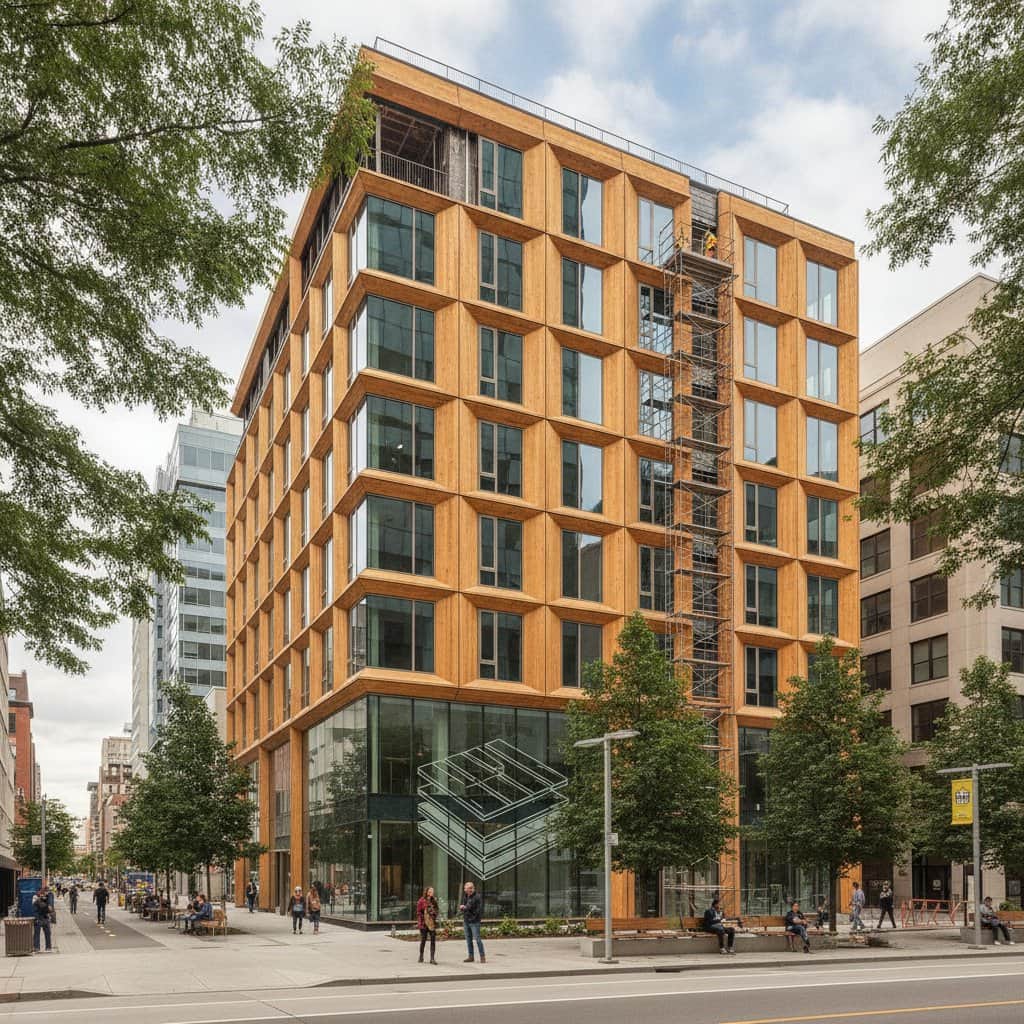
New 2026 building codes elevate mass timber to 10-story heights, challenging concrete and steel norms. Despite initial costs, gains in construction speed, lighter foundations, and exposed finishes deliver budget parity and superior sustainability.
Mass timber towers achieve mainstream status through 2026 code approvals, facilitating taller, more sustainable structures. Engineered wood products such as cross-laminated timber and glulam deliver strength, rapid assembly, and environmental benefits. Developers, architects, and residents can anticipate warmer, efficient buildings that reduce carbon emissions in urban landscapes.
Fifteen states have approved building codes for tall mass timber structures, revolutionizing construction with sustainable, efficient alternatives to steel and concrete. These engineered woods offer strength, carbon sequestration, and a natural aesthetic that enhances urban environments and residential spaces alike.
Mass timber reshapes multi-story residential construction through superior strength, rapid assembly, and environmental responsibility. Cross-laminated timber panels enable the creation of robust, energy-efficient residences that provide a warm, organic atmosphere. With reduced construction timelines, diminished carbon emissions, and inviting interiors, cross-laminated timber emerges as a premier option for 2026. Learn the reasons wood leads modern residential design.
Cross-laminated timber (CLT) towers redefine urban construction by integrating sustainability, efficiency, and aesthetic appeal. Prefabricated panels minimize carbon emissions, construction noise, and expenses while delivering structural integrity and natural warmth. From initial design through ongoing maintenance, CLT supports eco-friendly, people-oriented city expansion. Learn how mass timber influences architectural evolution by 2026.
Beginning in 2026, updated building codes permit mass timber structures to reach unprecedented heights, combining environmental responsibility, rapid assembly, and inviting natural elements to foster more livable urban environments.
The 2026 building codes mark a pivotal shift for mass timber in high-rise construction. These regulations permit taller buildings using cross-laminated timber, which matches the strength of steel and concrete while significantly reducing carbon emissions. Architects, builders, and residents gain from quicker projects, innovative designs, and warmer living spaces that transform city landscapes.
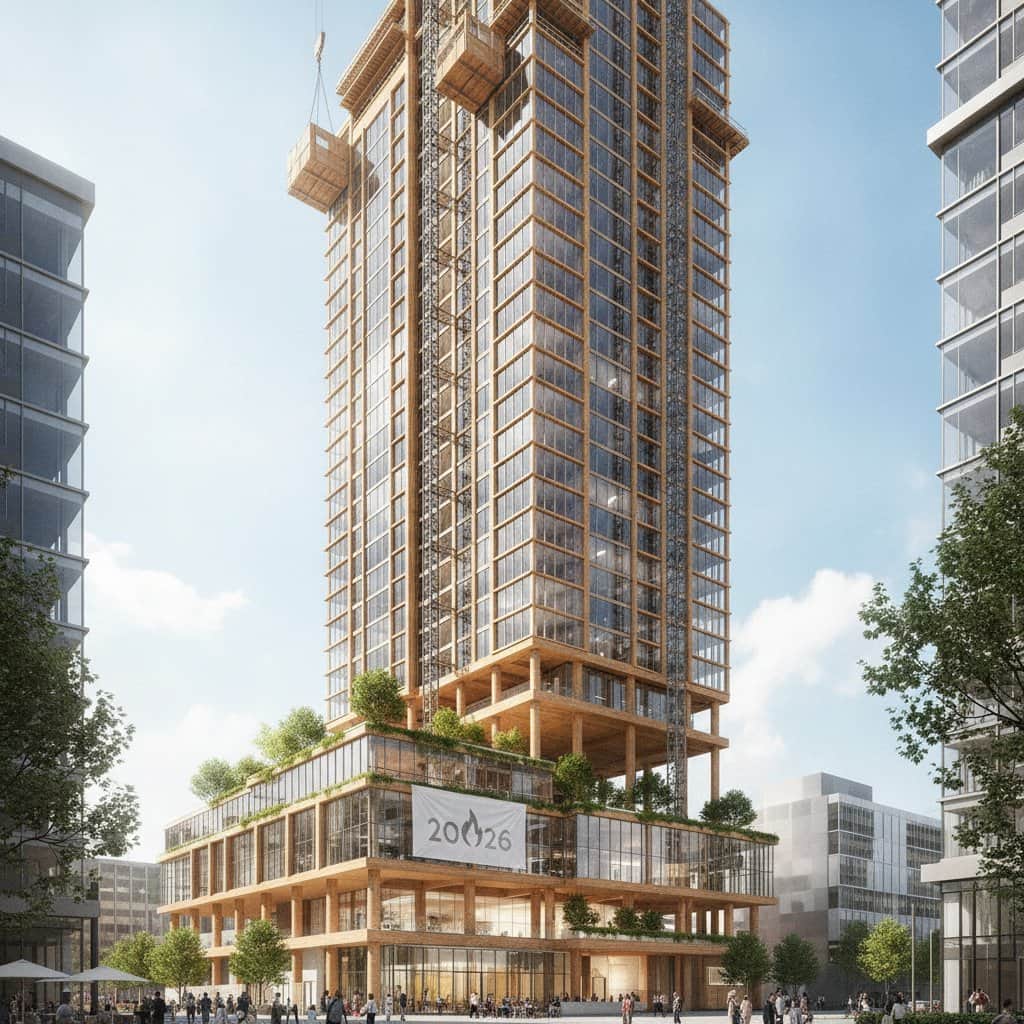
Mass timber reshapes cityscapes by enabling 18-story structures that deliver superior sustainability, rapid assembly, and enduring strength. Engineered solutions like CLT outperform concrete and steel in carbon sequestration and visual harmony. As regulations advance and demand surges, these timber innovations demonstrate that eco-conscious building aligns seamlessly with robust, forward-thinking architecture.