Designing Battery-Ready Homes: Infrastructure for Tomorrow's Energy Needs
An old photograph of a first apartment often reveals tangled power strips and outdated setups. Such images highlight how far living spaces have evolved. Today, new building codes emphasize readiness for energy storage, shifting the focus from basic wiring to forward-thinking infrastructure.
Builders, architects, and homeowners now prioritize designs that accommodate future battery systems. These systems capture excess solar energy for later use, reducing reliance on the grid. This approach aligns with broader goals of energy efficiency and sustainability.
Defining Battery-Ready Infrastructure
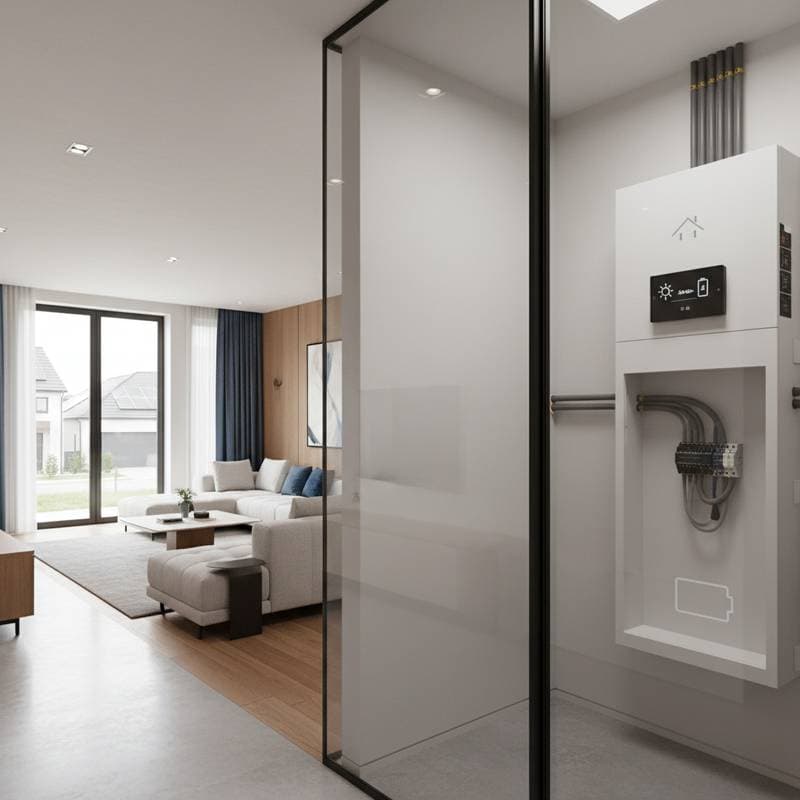
A battery-ready home incorporates essential electrical components to support energy storage without immediate installation of batteries. This includes reinforced panels, dedicated conduits, and reserved spaces that connect solar arrays to household systems seamlessly.
The design anticipates loads from systems like 10- to 20-kilowatt-hour batteries, common in residential setups. By preparing these elements during construction, owners avoid disruptive modifications later. This preparation mirrors installing structural supports before adding finishes, ensuring adaptability.
Reasons Builders Embrace This Standard
Builders view battery readiness as an integral aspect of modern construction rather than an added expense. The 2026 codes require only the foundational setup, allowing flexibility in timing for actual battery purchases.
This mirrors historical shifts, such as standardizing Ethernet wiring in the 1990s. Energy storage now combines innovation with necessity, enhancing a home's durability against evolving utility demands. Builders integrate these features by consulting electrical engineers early to optimize layouts.
Benefits for Homeowners
Homeowners gain significant flexibility with battery-ready designs. The home stands prepared for solar or battery additions at any time, eliminating the need for wall alterations or panel replacements.
This setup improves resilience during outages, storing daytime solar power for evening or emergency use. It supports goals from partial backups to complete off-grid capability. Moreover, such features boost property appeal, as buyers increasingly value sustainable upgrades that promise lower utility bills.
Integration with Solar Systems
Battery readiness complements solar installations prevalent in new developments. Solar panels produce power during peak sunlight, but excess energy dissipates without storage.
Batteries retain this surplus for nighttime consumption, maximizing solar investments. Codes recognize this synergy, promoting homes as part of efficient energy ecosystems. Communities benefit as aggregated storage eases grid demands, fostering balanced local power distribution.
Essential Preparation Steps for Builders
Builders follow specific protocols to achieve battery readiness. These steps ensure compliance and ease future expansions.
-
Reserve Installation Space: Allocate at least 4 square feet near the electrical panel, adhering to ventilation codes for safe battery operation.
-
Select Compatible Panels: Install 200-amp or higher service panels capable of managing battery inverter loads without overload.
-
Install Conduits: Run 2-inch conduits from the panel to battery sites, facilitating straightforward cable pulls during upgrades.
-
Implement Clear Labeling: Mark all relevant circuits and pathways for solar and storage connections to aid future technicians.
-
Collaborate with Specialists: Engage certified electricians experienced in renewable systems to verify designs against code requirements.
These measures integrate smoothly into standard workflows, requiring minimal adjustments.
Cost and Placement Factors
Initial costs for battery-ready features add approximately 1 to 2 percent to construction budgets, offset by retrofit savings of up to 50 percent. Placement influences efficiency; batteries perform best in temperatures between 32 and 95 degrees Fahrenheit.
Suitable locations include garages with concrete floors or dedicated utility closets. In sunny or outage-prone areas, this infrastructure delivers rapid returns through reduced energy purchases. Owners can phase in components as budgets allow, starting with basic wiring.
Impacts on Daily Home Life
Reliable electricity powers essentials from device charging to refrigeration and evening illumination. Battery-ready homes enable personalized energy management, storing power to align with usage patterns.
This capability extends to community levels, where shared storage mitigates peak loads and outage effects. Such designs promote quieter, more dependable living environments.
Advancing Home Design Practices
Energy readiness will soon feature in all design discussions, alongside elements like airflow and daylighting. During planning or renovations, inquire about compatible panels and conduit routes.
These choices embed potential within the structure, supporting evolving needs without compromise. Homes built this way not only meet codes but also empower sustainable, resilient lifestyles.