Record $25K Builder Credits Cut Monthly Payments
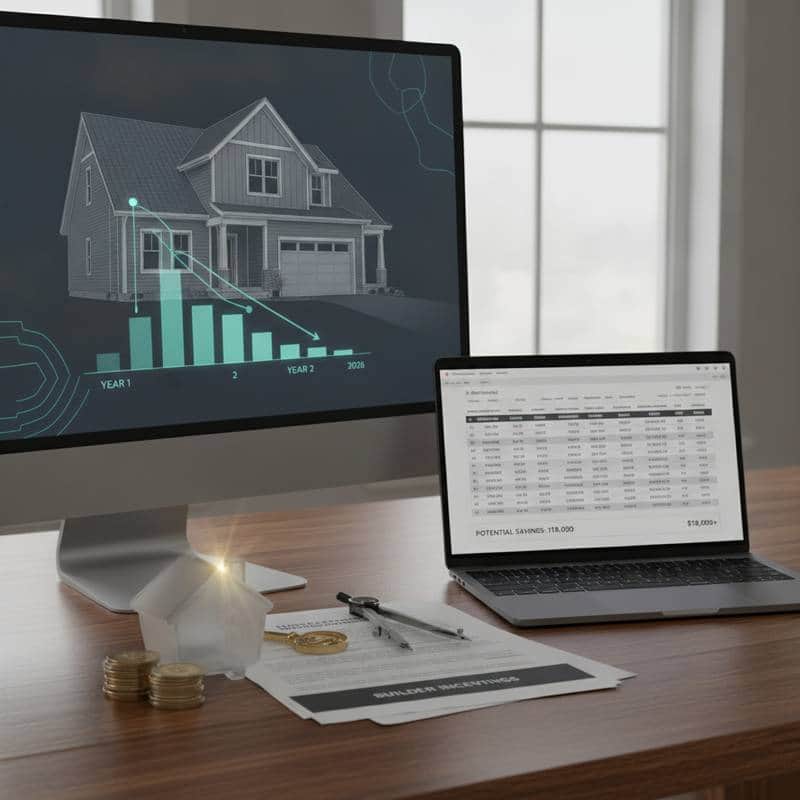
Homebuyers can apply record 25,000 dollar builder credits to mortgage buydown programs that lower rates and ease monthly payments on new homes.
Loading...
Showing articles 13 - 24 of 534
Homebuyers can apply record 25,000 dollar builder credits to mortgage buydown programs that lower rates and ease monthly payments on new homes.
FEMA 2026 flood foundation rules raise elevation requirements and specify resistant materials in flood zones. Early compliance planning reduces retrofit costs and supports lower insurance rates.
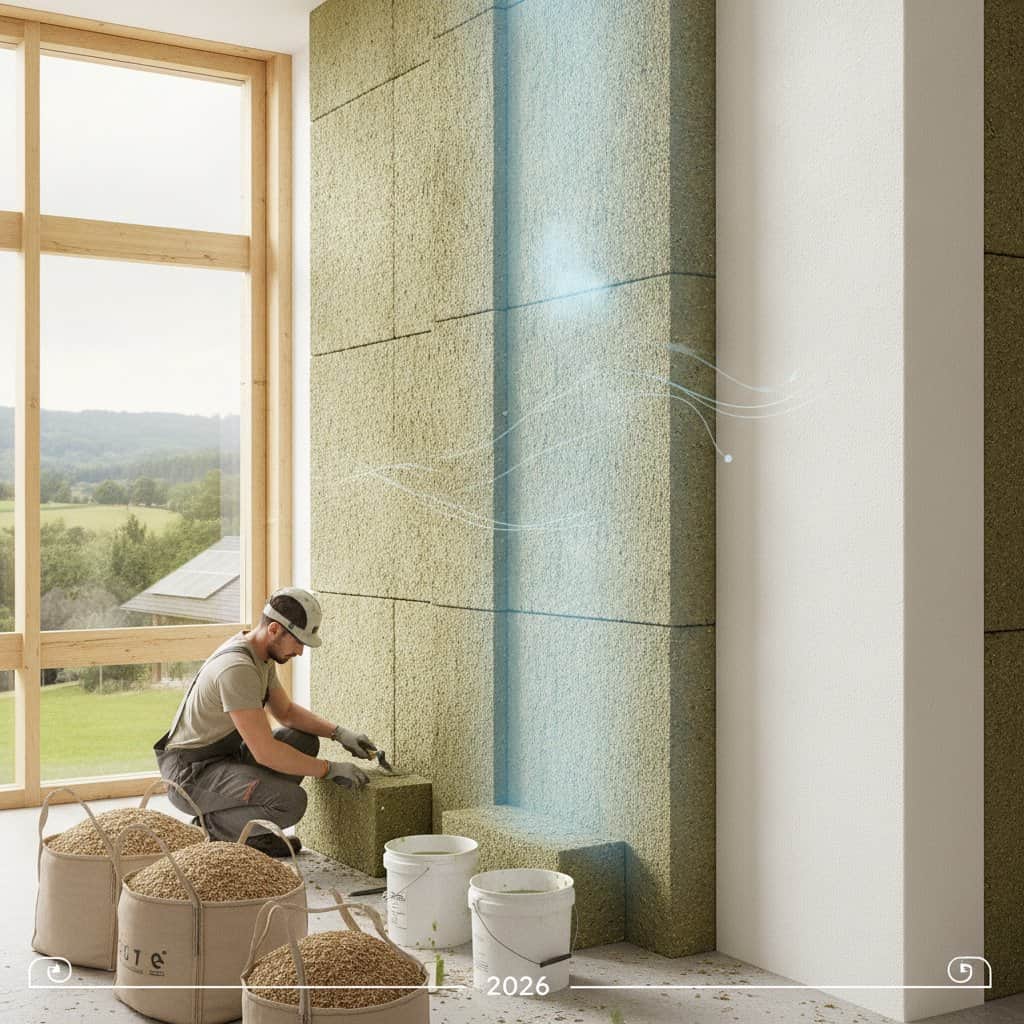
Biocement living walls merge architecture with biology to create self-healing surfaces that purify air, regulate temperature, and support vegetation with minimal intervention.
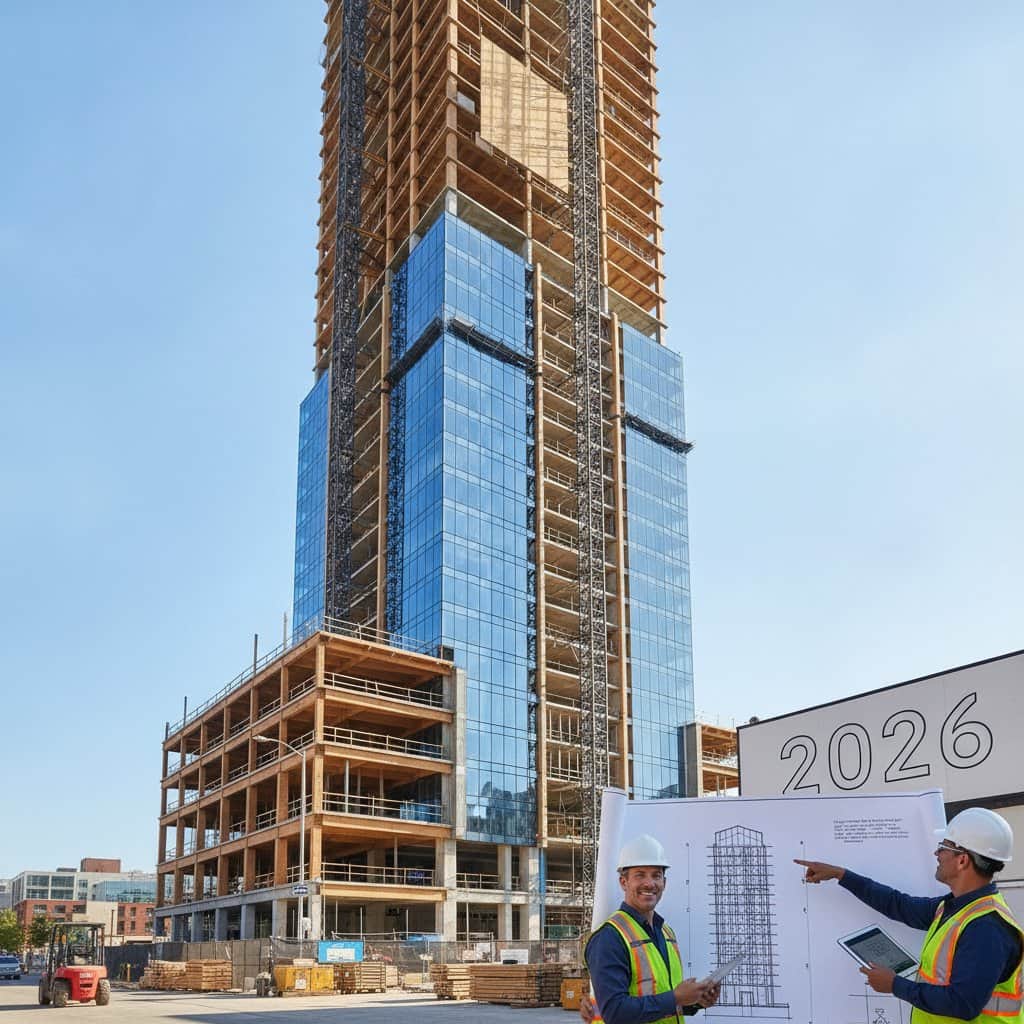
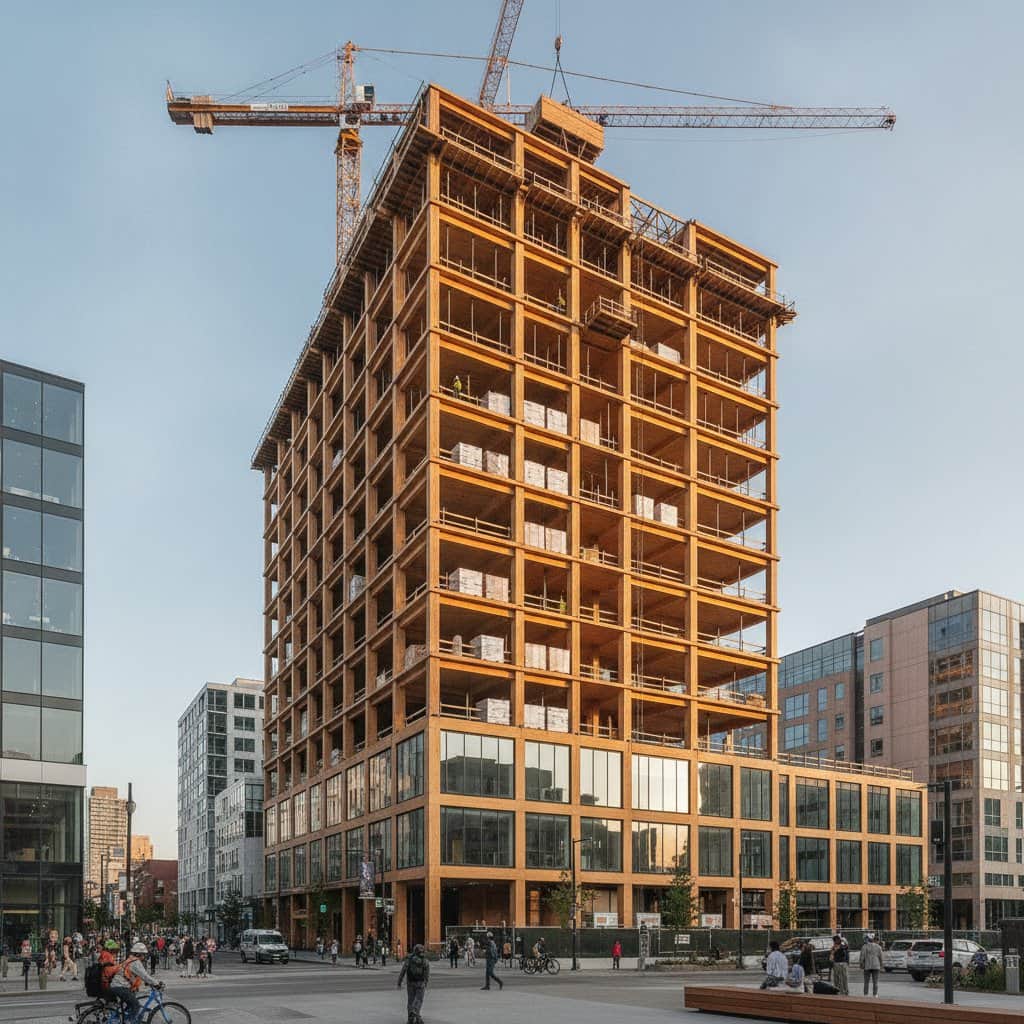
Prefabricated cross-laminated timber panels enable builders to complete projects up to 40 percent faster than concrete or steel alternatives while maintaining structural strength and lowering environmental impact.
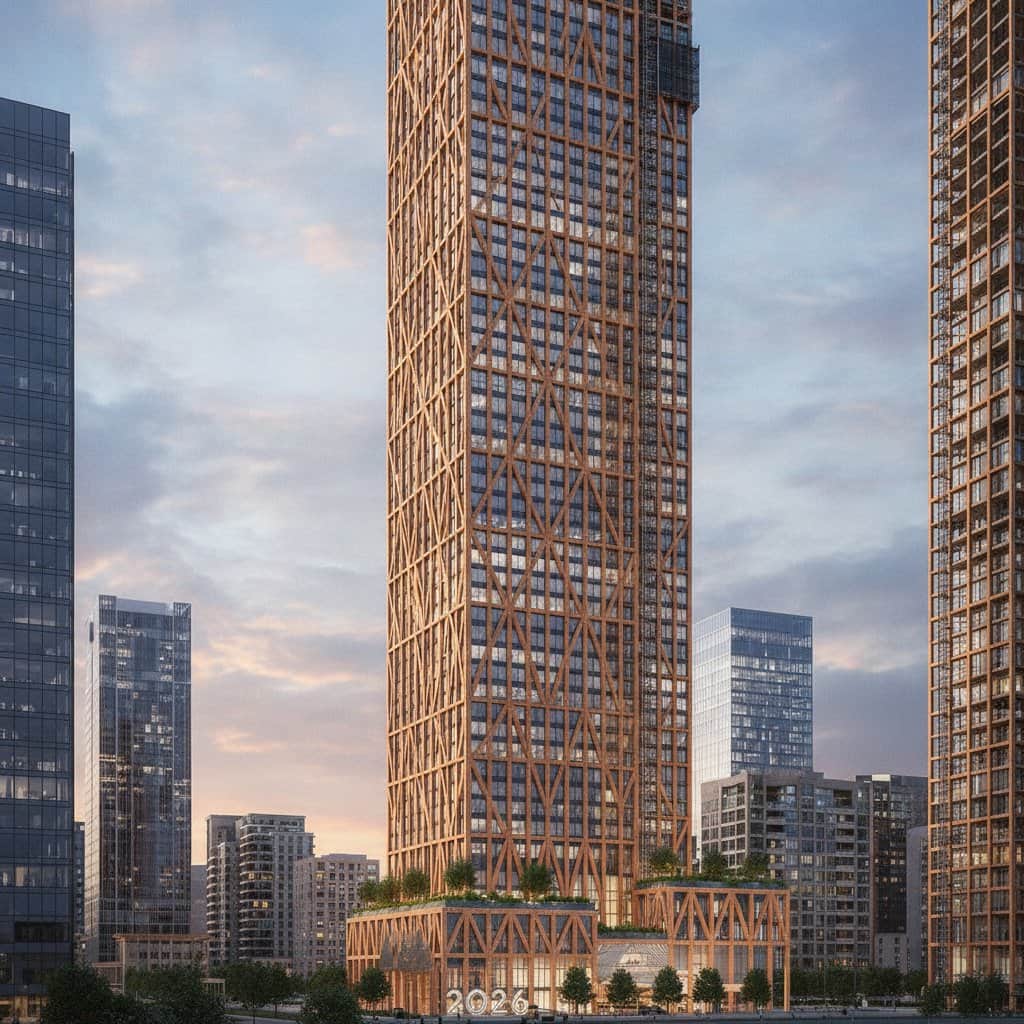
Mass timber construction advances as 2026 fire code approvals enable taller, safer wood buildings with faster assembly and reduced environmental impact.
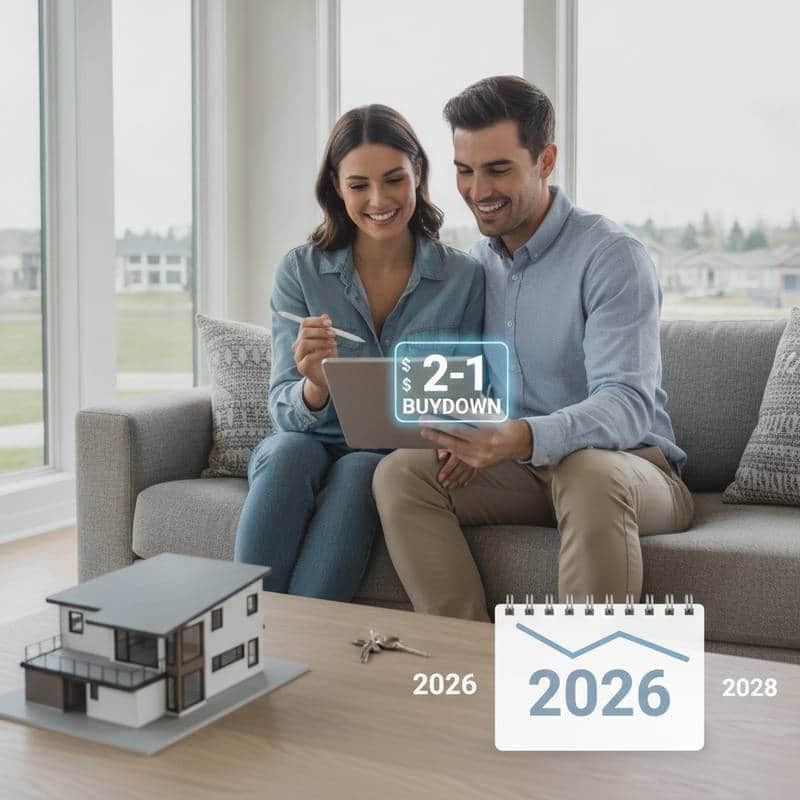
A 2-1 buydown lowers interest rates for the first two years of a mortgage, delivering meaningful payment relief while the buyer adjusts to ownership costs. Sellers or builders fund the temporary reduction, giving purchasers immediate savings and time to plan for future rate adjustments.
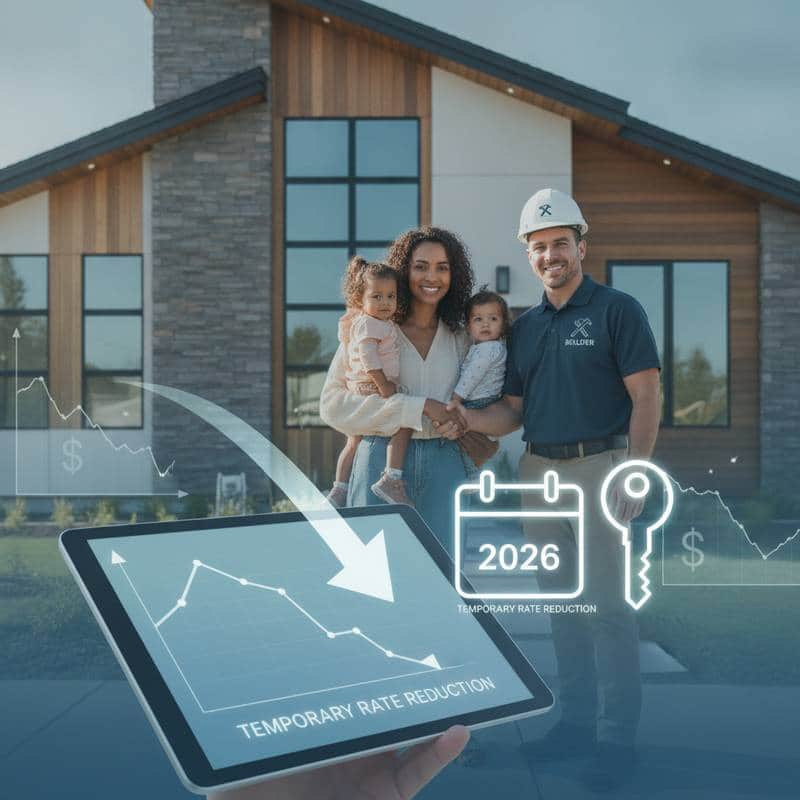
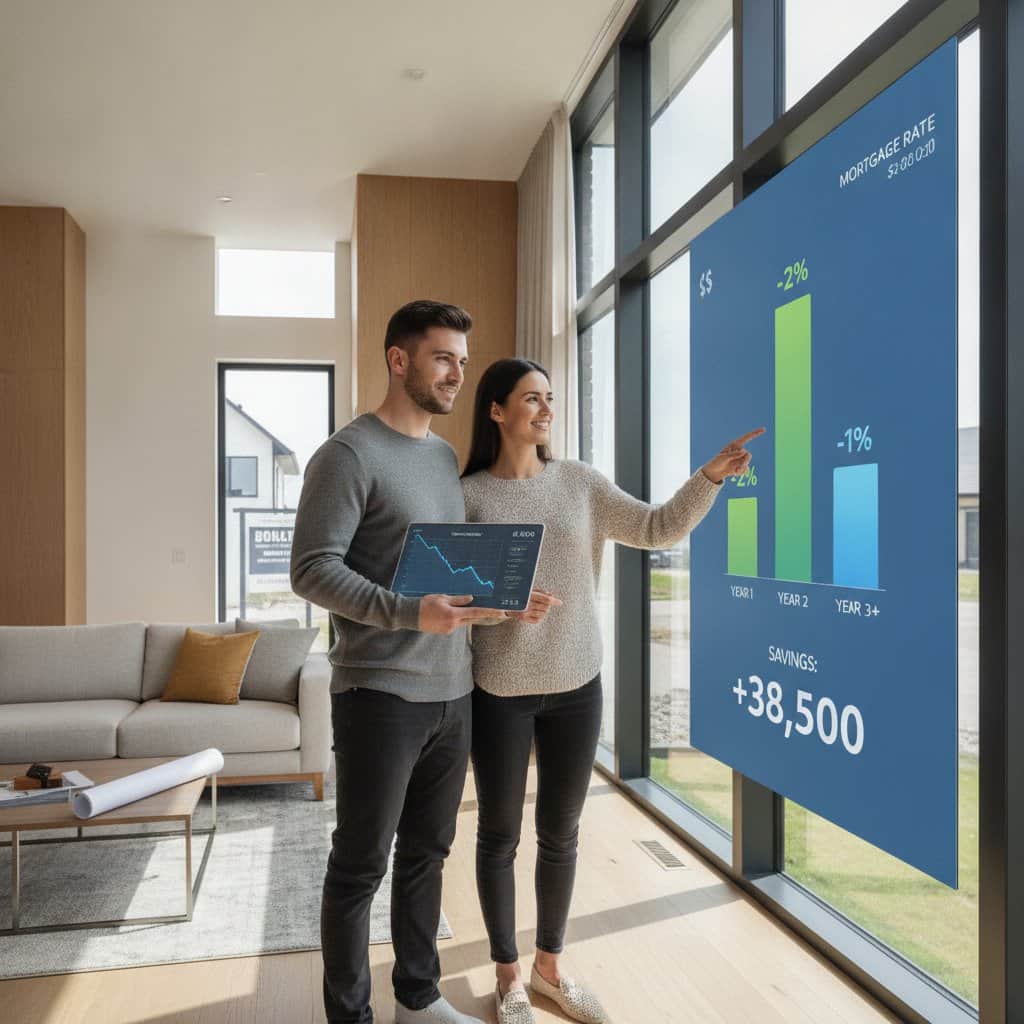
Builder-backed 2% buydowns temporarily lower mortgage rates on new homes. This incentive helps buyers manage early payments while builders maintain sales momentum.
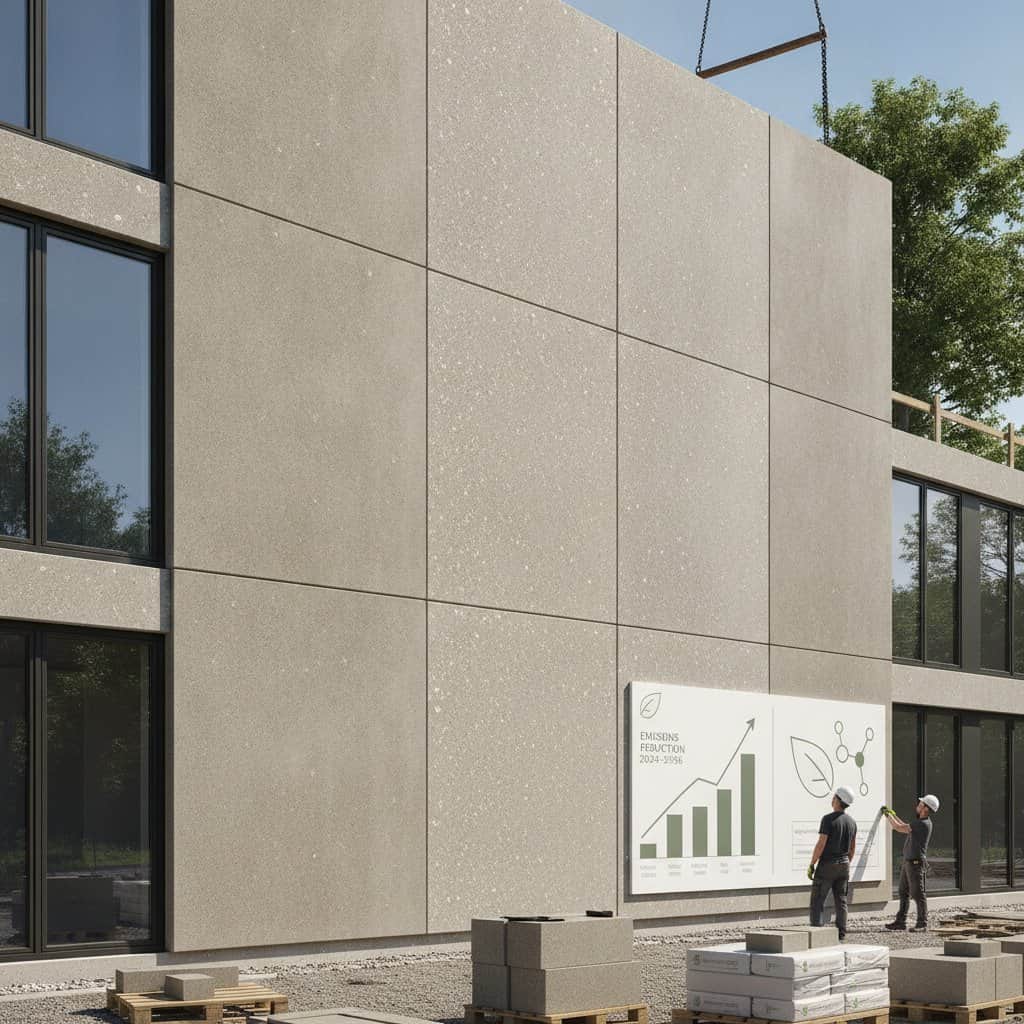
Carbon-capture concrete stores captured carbon dioxide within durable structures. It matches conventional performance while cutting emissions from foundations, slabs, and pavements.
DSCR loans enable investors to qualify for rental property financing using property cash flow instead of traditional income documentation. This guide covers qualification criteria, application steps, costs, and practical preparation strategies.
By 2026, homeowners can expect concrete that repairs itself. Self-healing biocement uses dormant bacteria that produce limestone to seal cracks automatically. This reduces maintenance and extends durability. Slightly costlier than traditional mixes, it offers sustainability, sleek design potential, and long-term savings.
A 2-1 buydown lowers mortgage payments for the first two years. Sellers or builders often cover the cost, giving buyers early cash flow relief while they qualify at the full note rate.
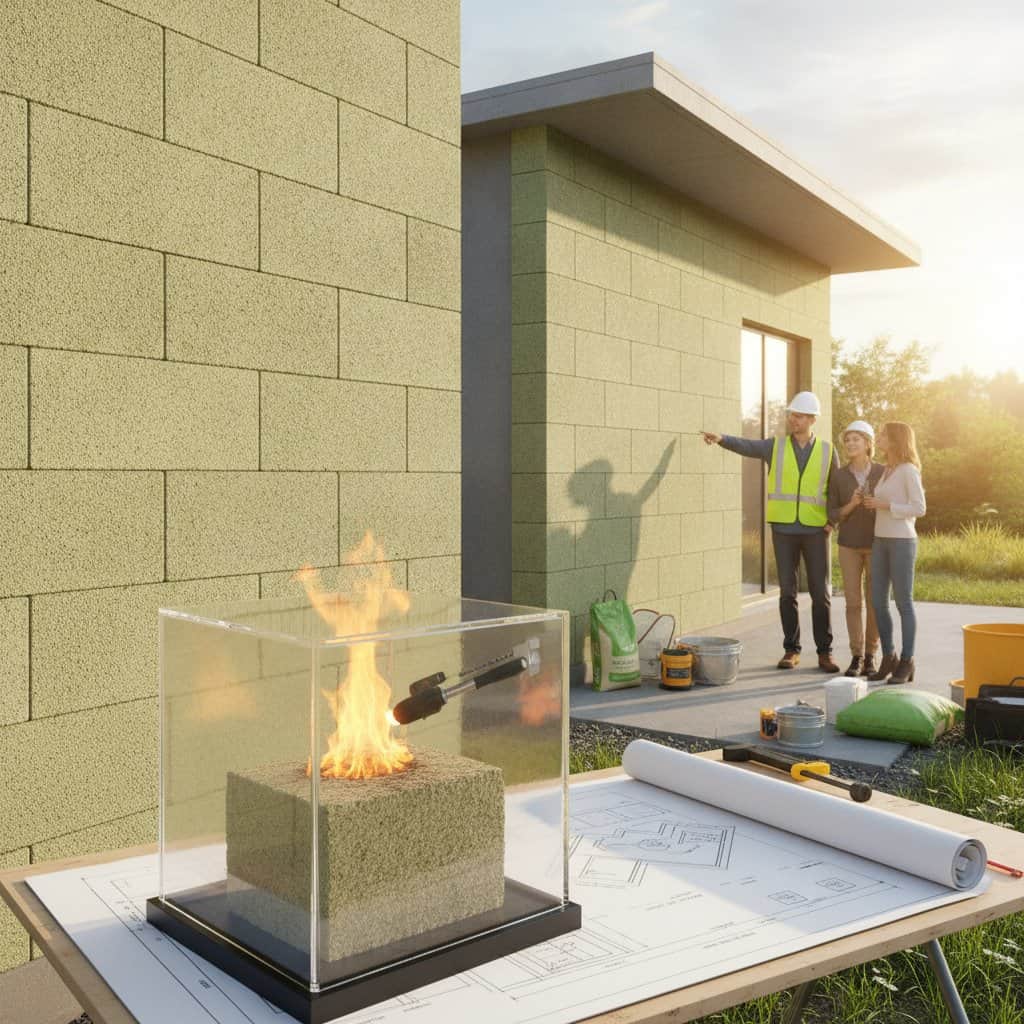
Biochar concrete stores atmospheric carbon within structural elements while delivering insulation and durability comparable to conventional mixes. Homeowners and builders can adopt the material in foundations, slabs, and walls to reduce long term operating costs and environmental impact.
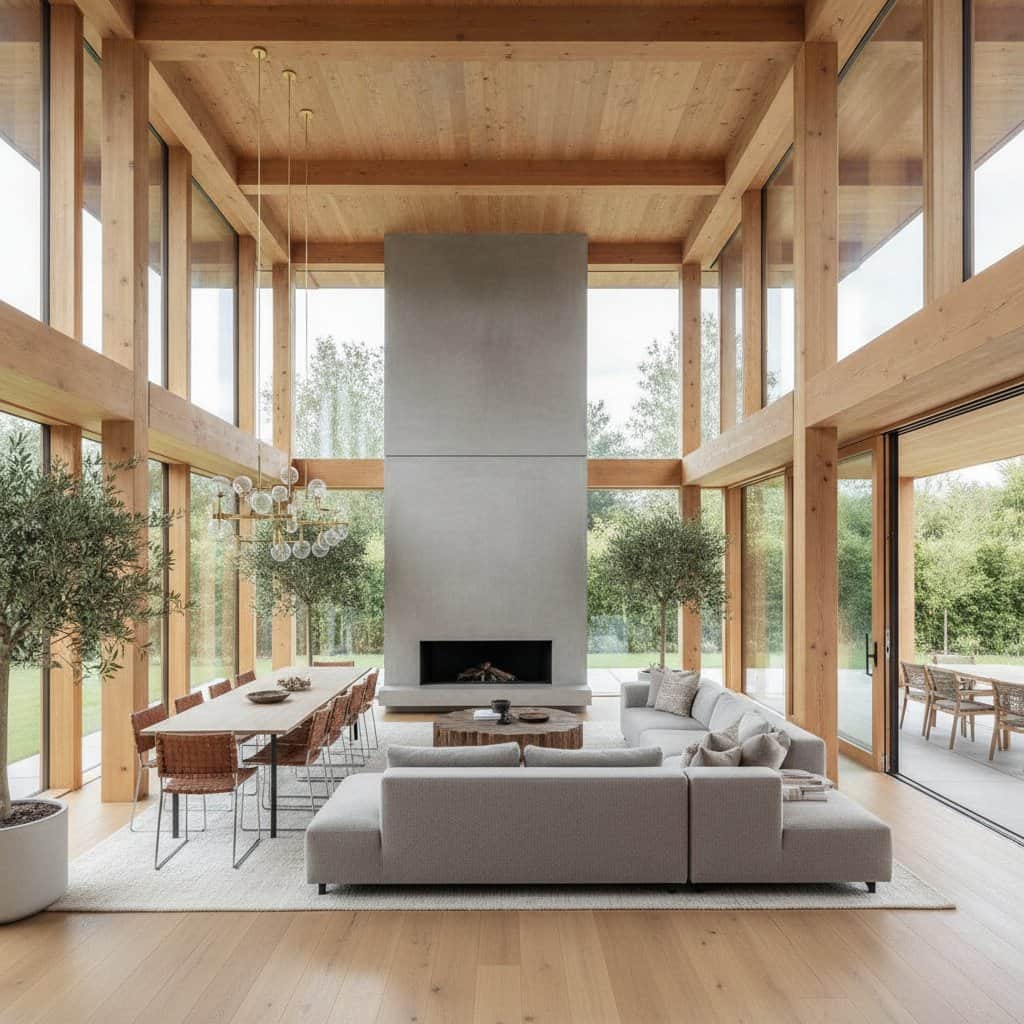
Mass timber panels enable faster, lower-carbon mid-rise buildings while delivering warm interiors and simpler foundations.
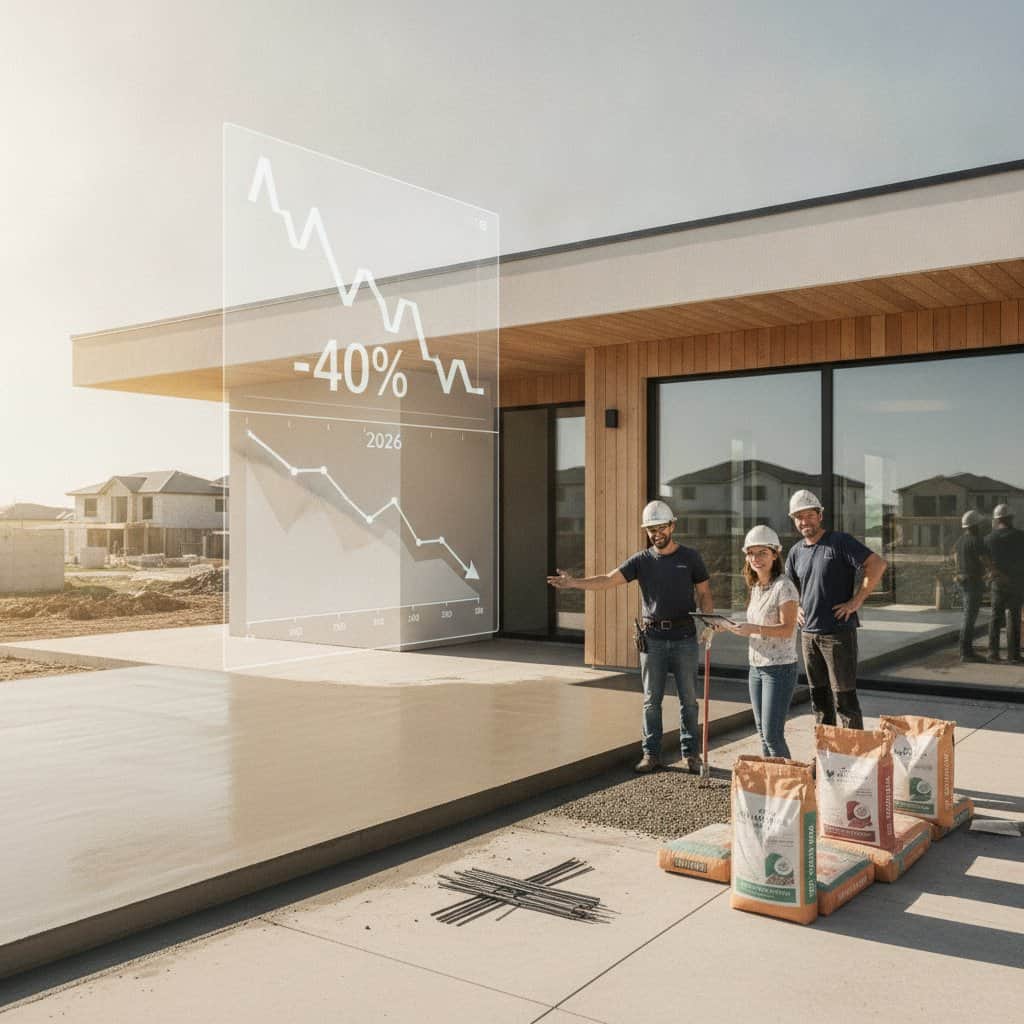
Biochar concrete replaces portions of traditional cement with carbon-storing biochar. This substitution reduces emissions by up to 40 percent without compromising strength. Builders adopt the material through standard suppliers and achieve measurable carbon reductions on typical projects.
DSCR loans enable builders and self-employed professionals to finance projects using property income rather than personal tax returns. This approach provides flexibility for construction financing, rental conversions, and portfolio growth while reducing documentation requirements.
Cross-laminated timber enables developers to deliver mid-rise and high-rise buildings beyond city centers. The material combines structural capacity with a naturally comfortable interior environment while shortening construction timelines.
A 2-1 mortgage rate buydown reduces the interest rate by two points in year one and one point in year two. This builder incentive can deliver roughly $40K in savings while easing initial ownership costs.
DSCR loans evaluate rental properties based on cash flow rather than personal income. This structure supports faster approvals for build to rent investors focused on predictable returns.
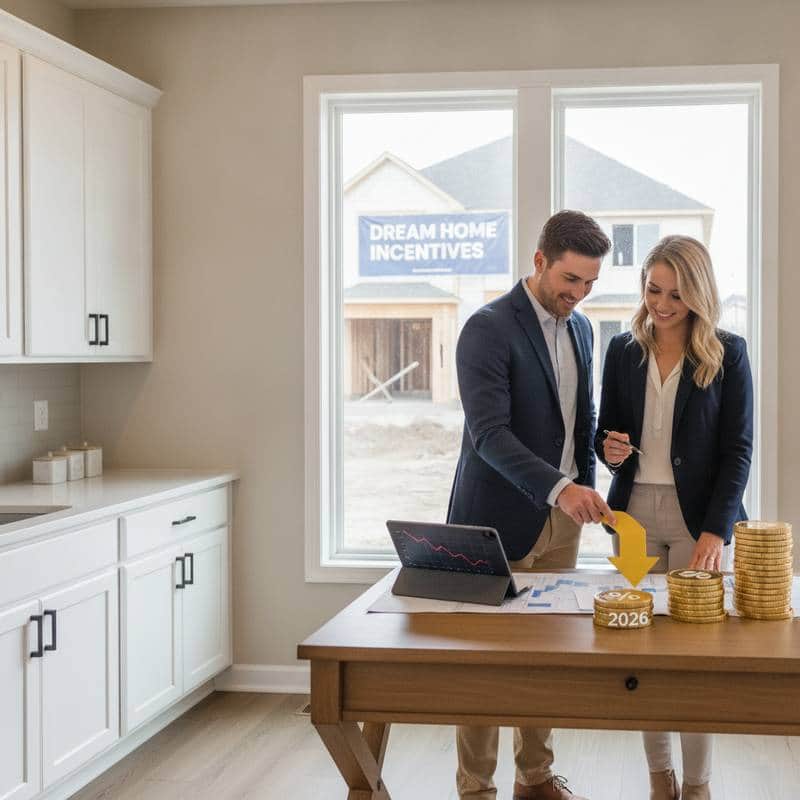
Builders in 2026 offer mortgage buydowns to lower early payments and help buyers move forward despite elevated rates. These incentives provide concrete monthly savings and restore confidence in new home purchases.
DSCR loans enable new construction financing based on projected property income rather than personal W2 earnings. This approach simplifies approvals for self-employed buyers and investors seeking flexible build options in 2026.