DSCR Loans Shift Focus from Borrower to Property Income
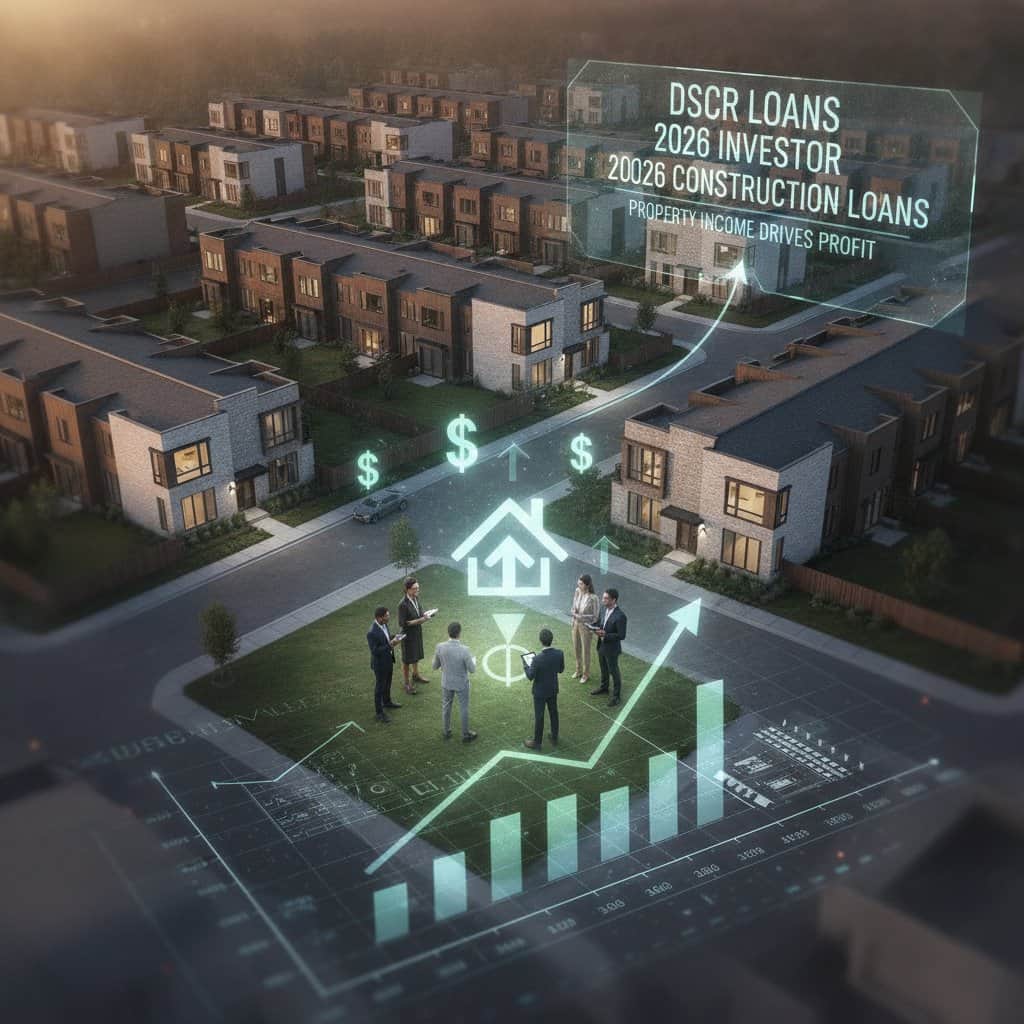
DSCR loans evaluate rental properties based on cash flow rather than personal income. This structure supports faster approvals for build to rent investors focused on predictable returns.
Loading...
Showing articles 25 - 36 of 537
DSCR loans evaluate rental properties based on cash flow rather than personal income. This structure supports faster approvals for build to rent investors focused on predictable returns.
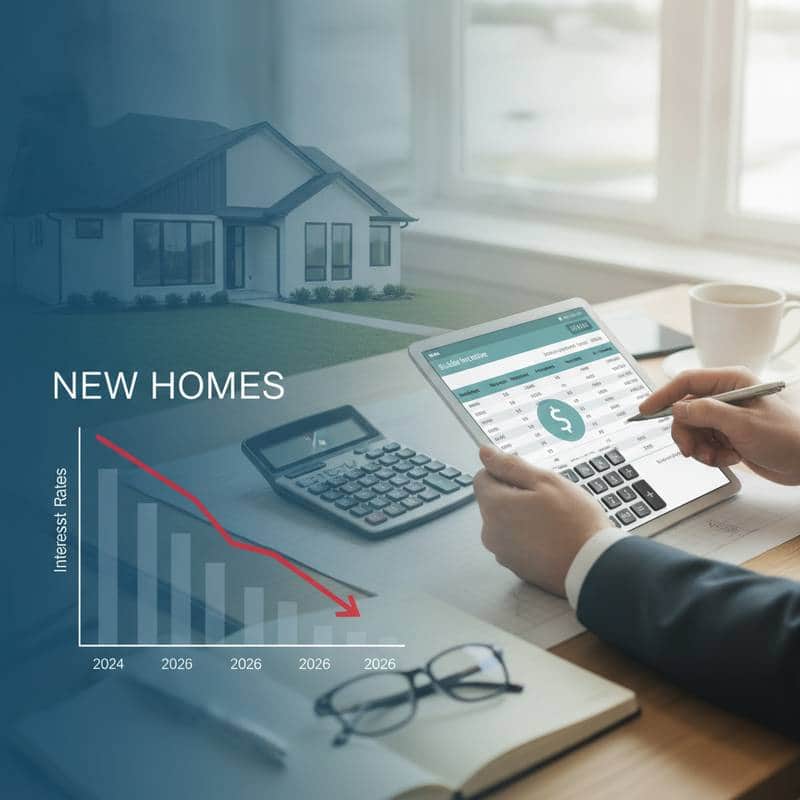
Builders in 2026 offer mortgage buydowns to lower early payments and help buyers move forward despite elevated rates. These incentives provide concrete monthly savings and restore confidence in new home purchases.
DSCR loans enable new construction financing based on projected property income rather than personal W2 earnings. This approach simplifies approvals for self-employed buyers and investors seeking flexible build options in 2026.
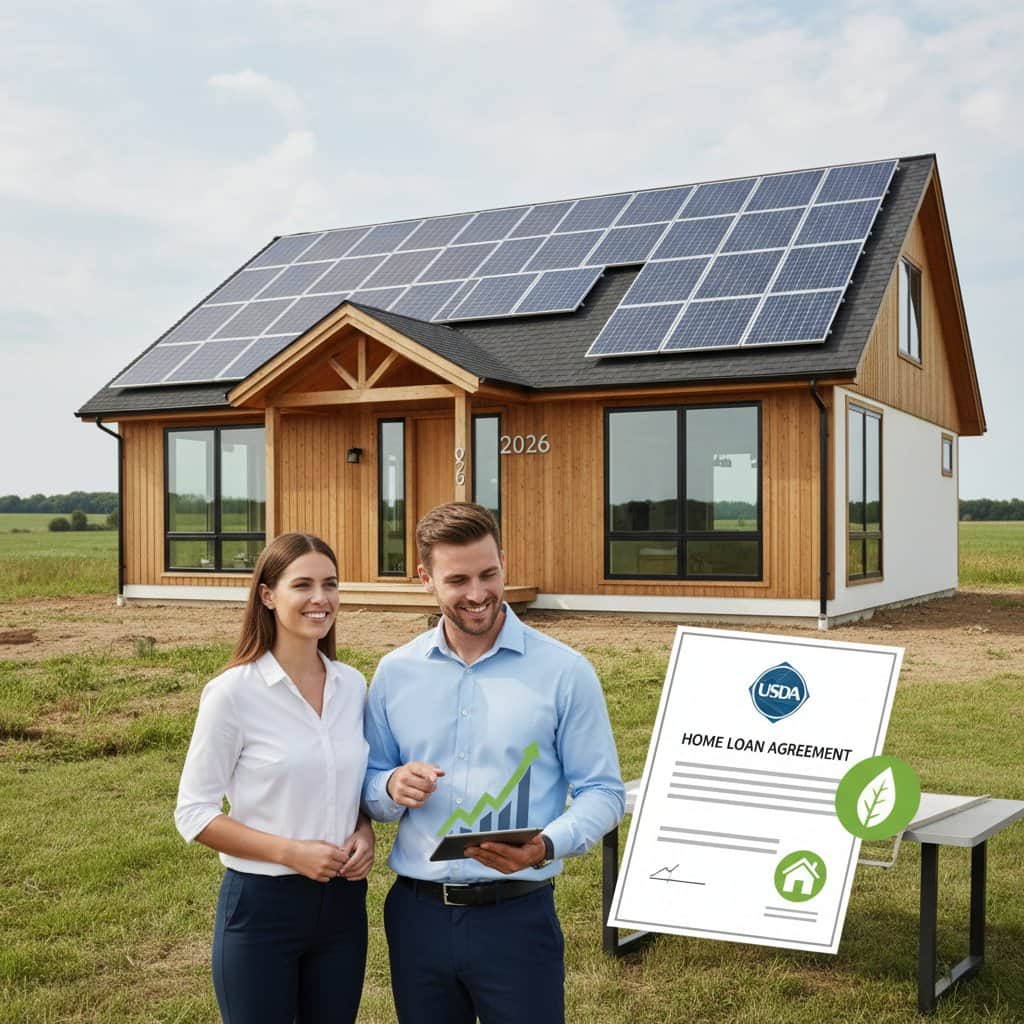
Starting in 2026, USDA loans permit solar panels within new home construction financing. This single-loan method simplifies funding, reduces interest expenses, and increases long-term home value. Builders and buyers gain streamlined access to renewable energy and lower utility costs.
DSCR loans let builders qualify based on property income instead of personal tax returns. This approach simplifies approval for self-employed investors and emphasizes cash flow over paperwork.
Updated 2026 building codes establish clear standards for taller mass timber structures, reducing approval times and increasing lender confidence in CLT construction.
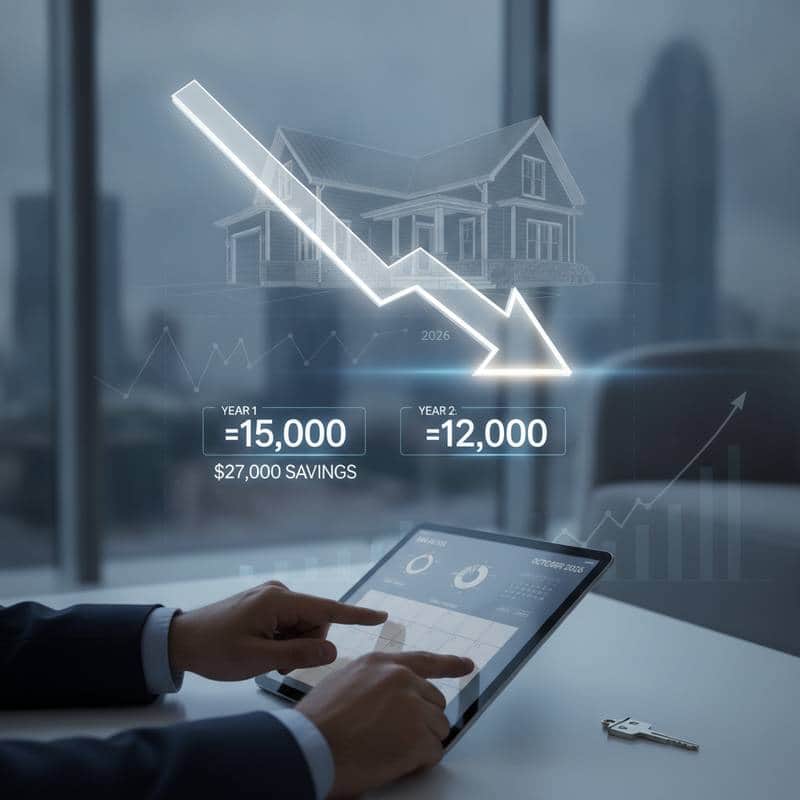
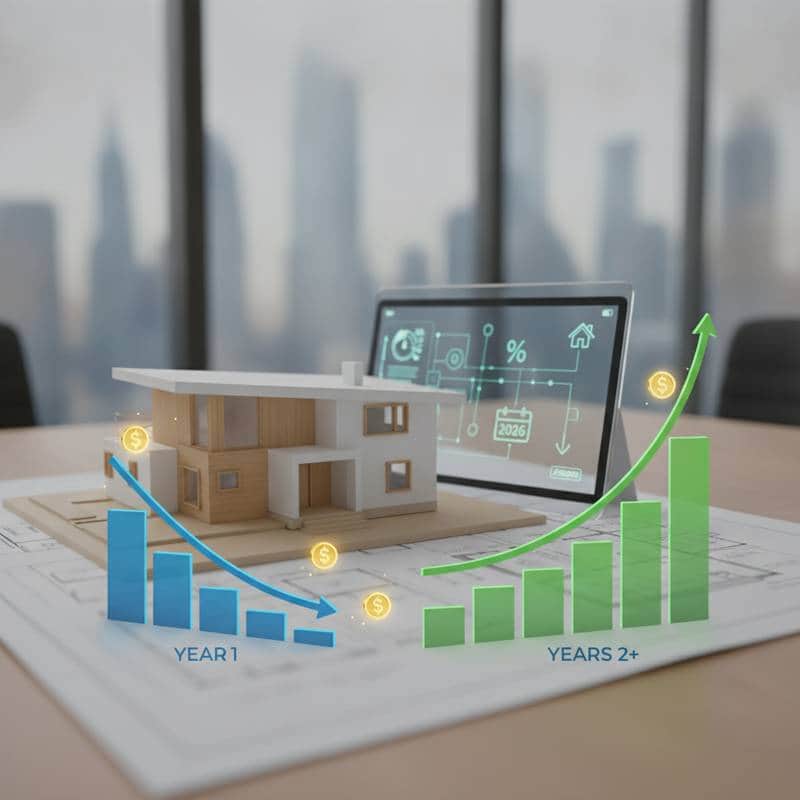
A 2-1 buydown temporarily lowers mortgage rates for the first two years. This builder supported option can save buyers up to 40000 dollars while easing the transition to homeownership.
Pre-wiring homes for batteries during construction saves thousands in future retrofits, boosts property value, and ensures compliance with evolving energy codes. It is a small step that makes adding solar storage seamless later.
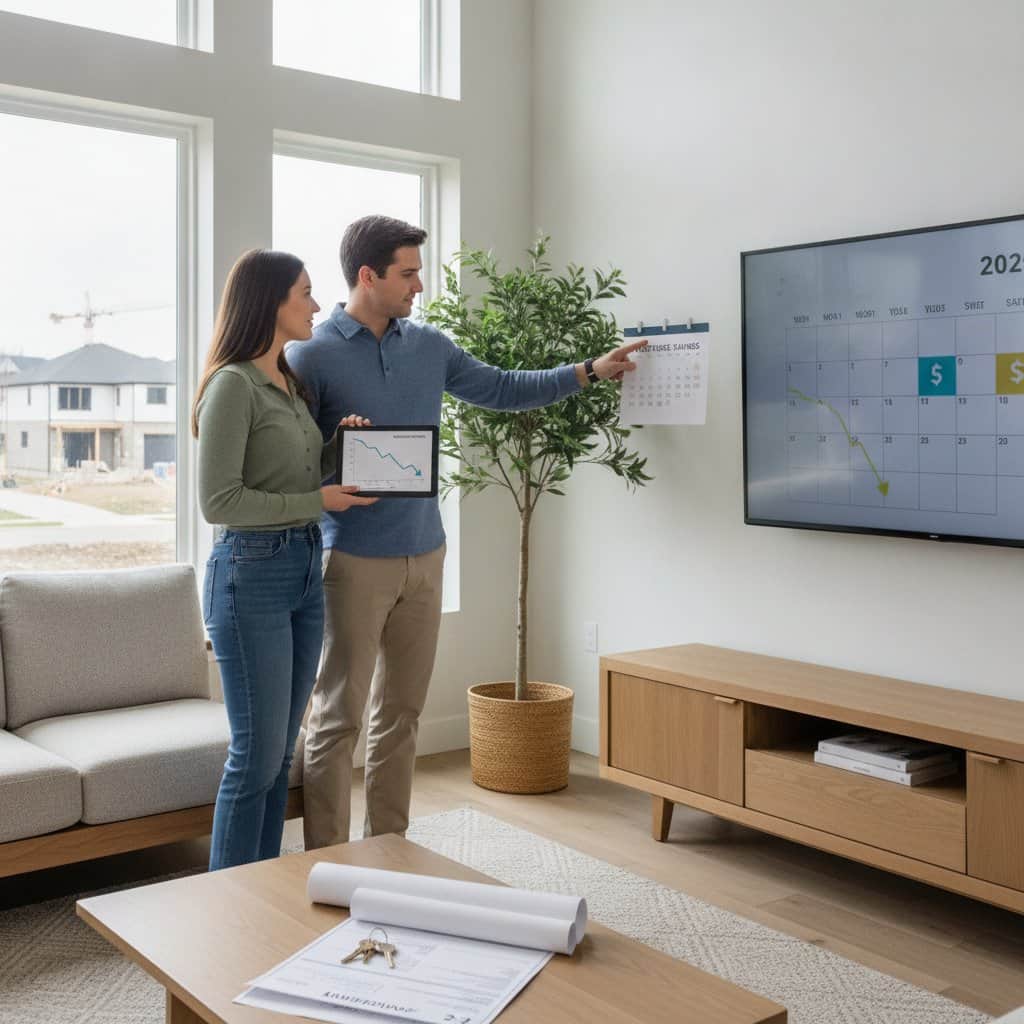
Builders compete in 2026 through mortgage rate buydowns that lower early payments. Buyers gain from understanding costs, timing, and contract terms before selecting an offer.
Builder rate buydowns lower mortgage rates on new construction homes through builder-funded payments to lenders. This overview covers temporary and permanent structures, qualification considerations, and practical steps to evaluate offers in 2026.
Builders are funding ten home projects without tax returns by using DSCR loans that evaluate property income potential. This approach simplifies qualification, supports phased construction, and rewards strong rental projections with flexible terms.
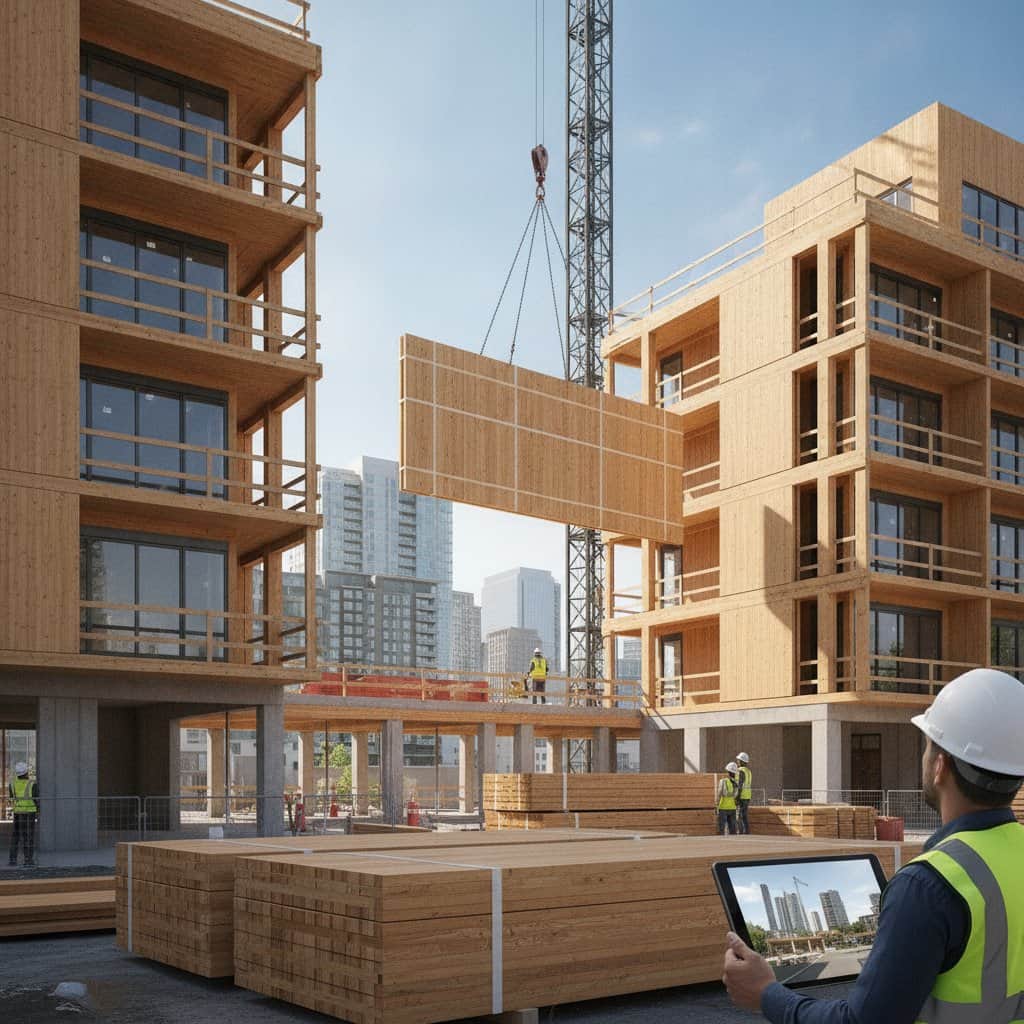
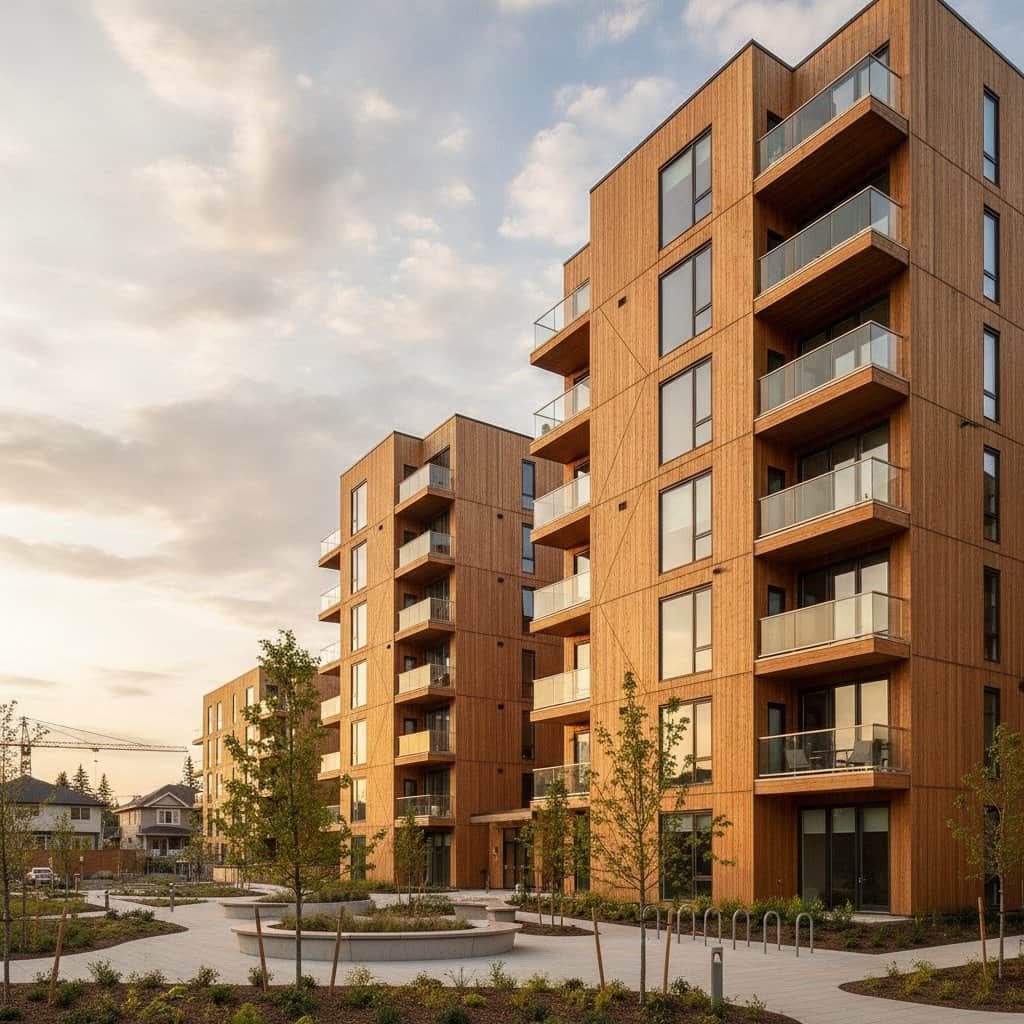
Mass timber is redefining multi-story home construction with its strength, sustainability, and natural warmth. Using engineered wood panels like CLT, builders achieve faster, cleaner builds and beautiful, carbon-storing structures.
A 2-1 mortgage buydown lowers your interest rate for the first two years, easing early homeownership costs by as much as $40,000. Discover how builders fund this option, how payments adjust over time, and steps to secure long-term financial stability.
Builder paid mortgage buydowns temporarily lower interest rates and ease initial payments for new home buyers. Understand how these incentives function, the reasons builders offer them, and the steps required to avoid future payment surprises.
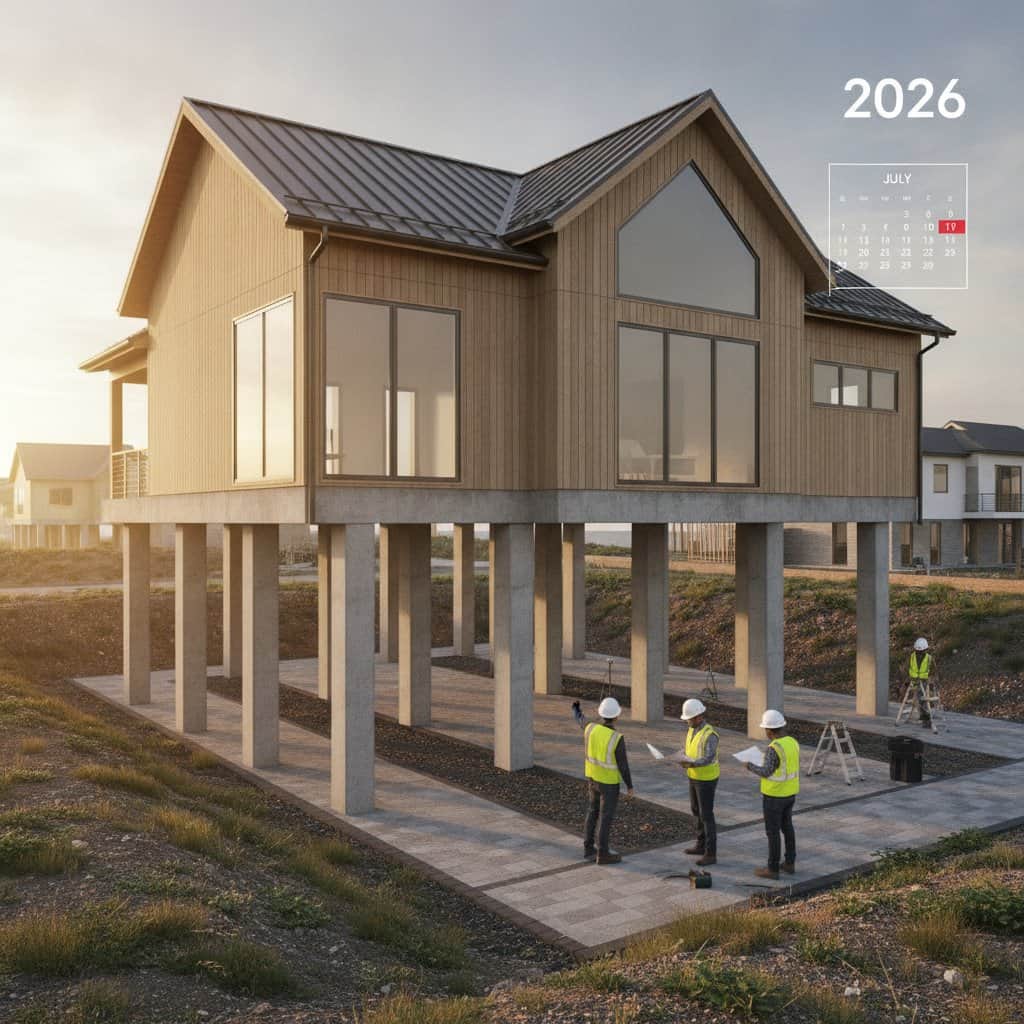
New 2026 building rules emphasize homes that withstand floods and fires through smarter design, durable materials, and climate-specific planning. From raised foundations to ember-resistant roofs, resilience now blends seamlessly with comfort and style. Thoughtful design choices protect families, reduce long-term costs, and reconnect modern living with the natural environment.
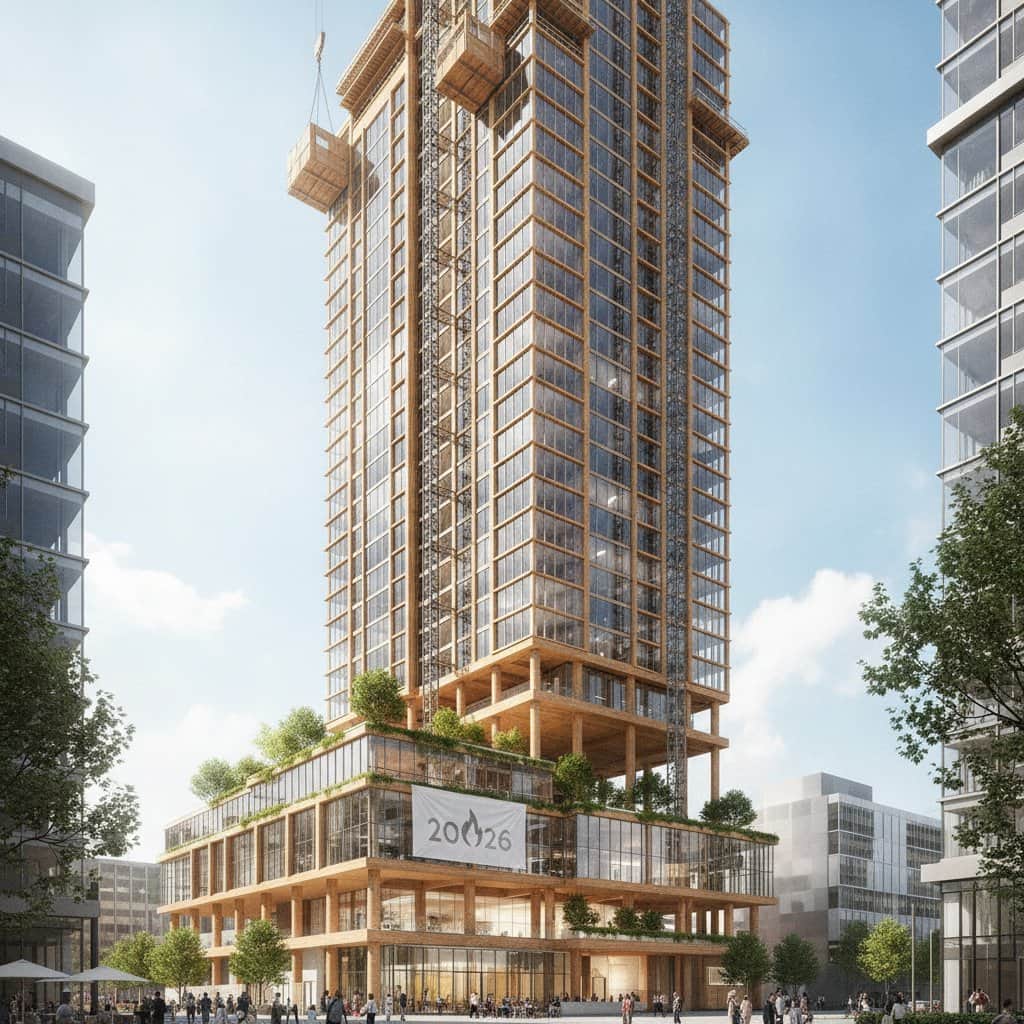
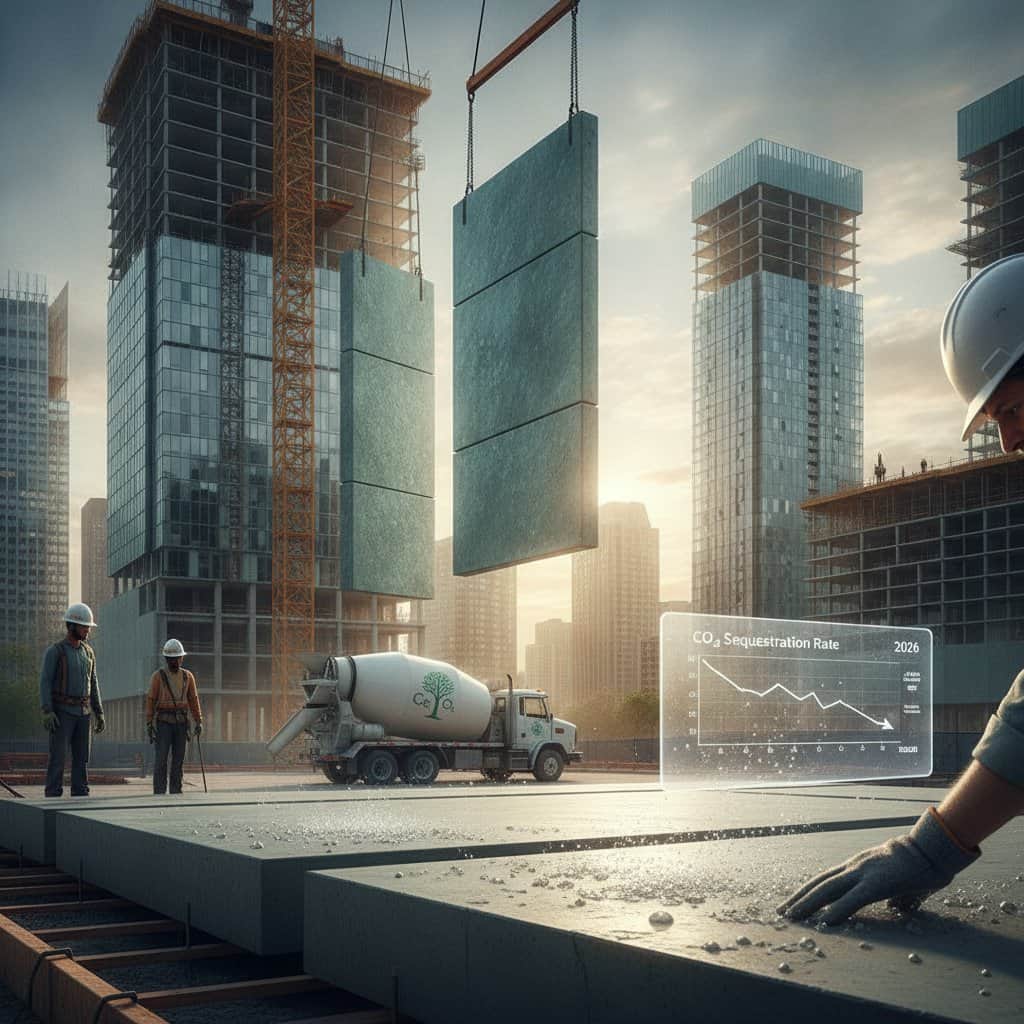
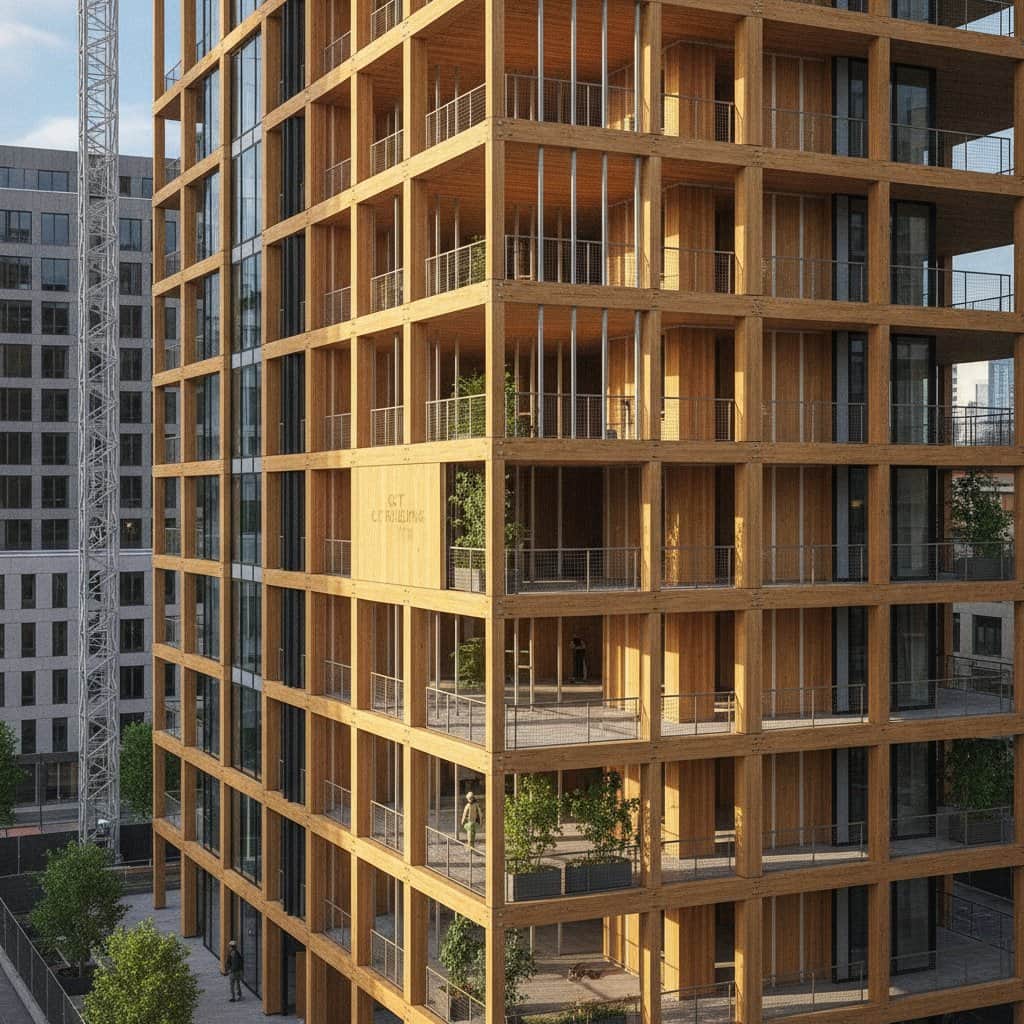
Mass timber high-rises are transforming skylines as code approvals unlock taller wooden structures. Engineered timber offers strength, speed, and carbon benefits compared with steel and concrete.
A construction-to-permanent loan merges construction financing and a mortgage into one streamlined agreement. Borrowers close once, lock terms early, and avoid managing multiple lenders during the build process.
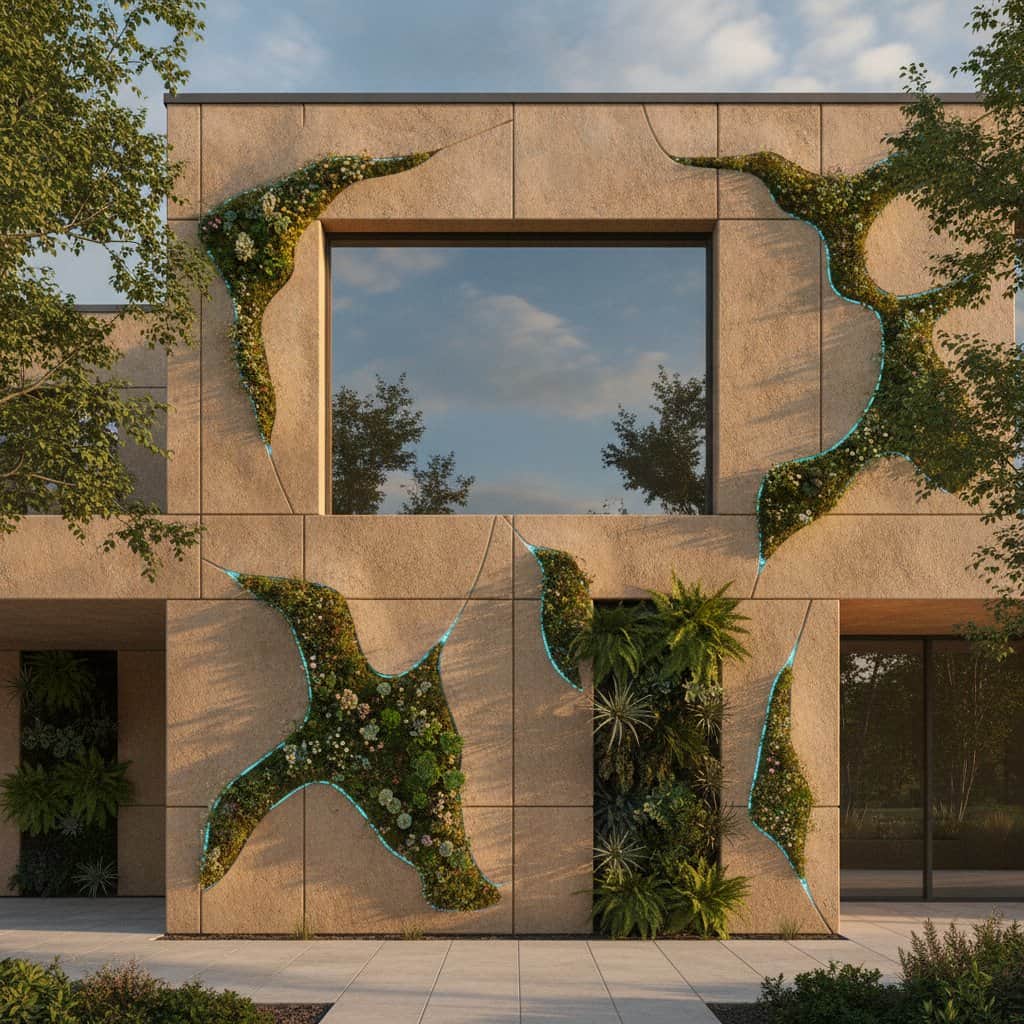
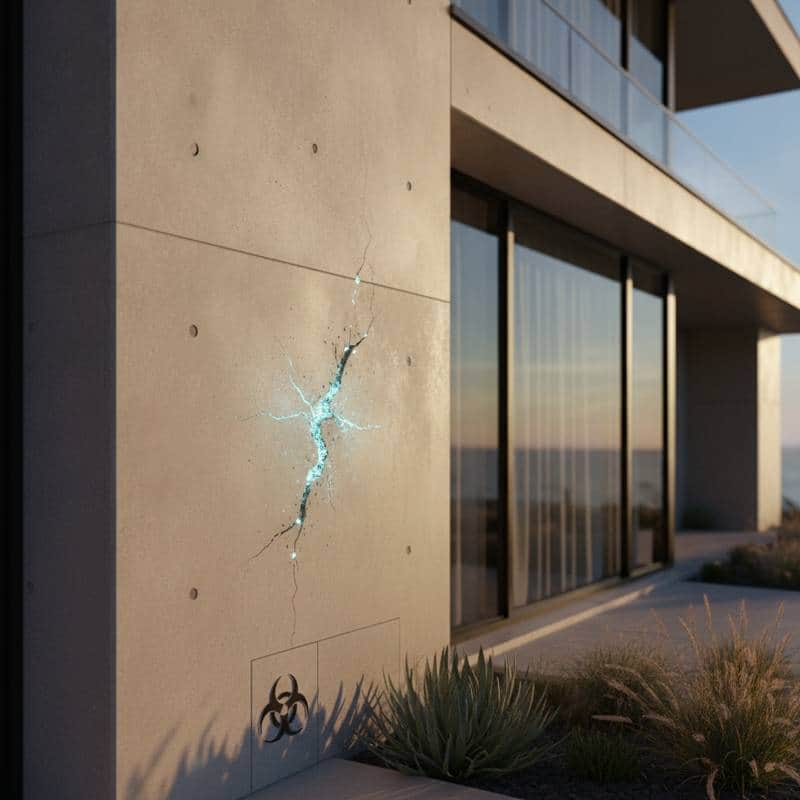
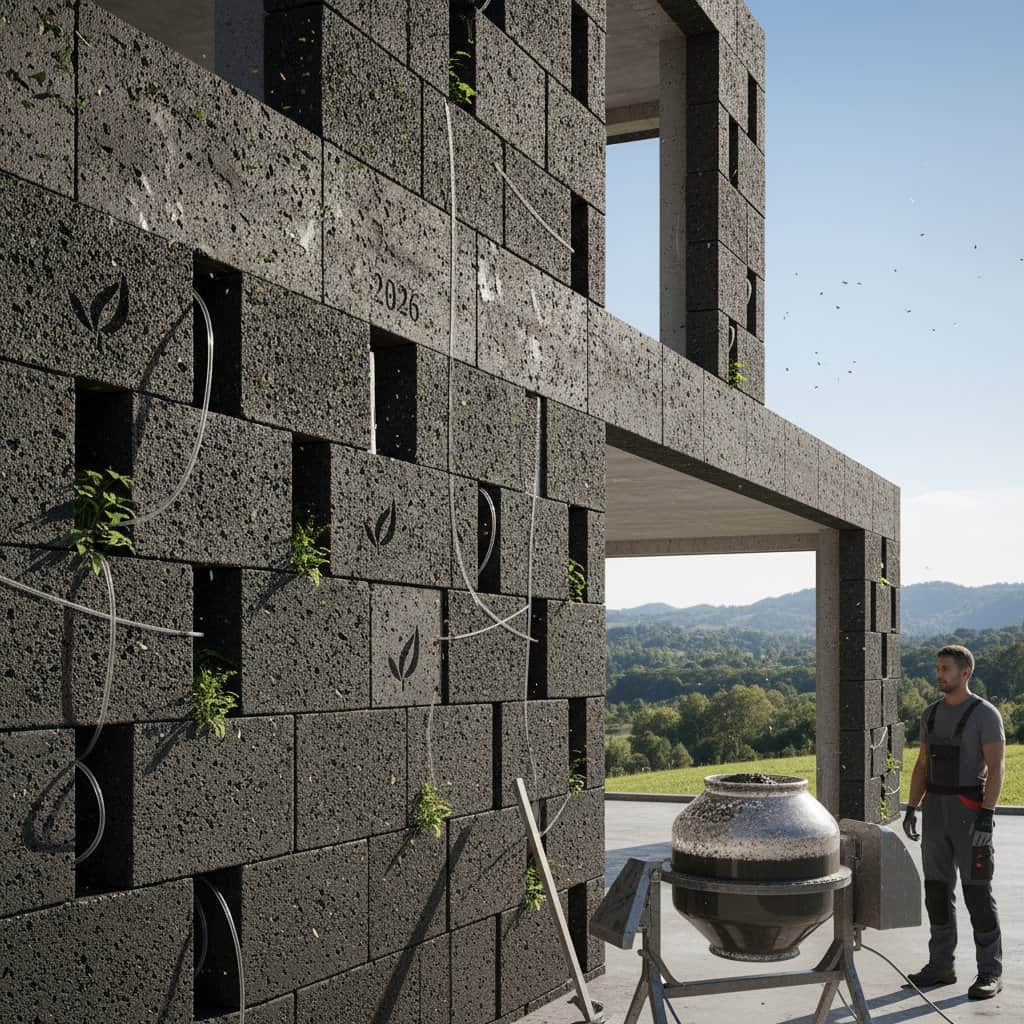
Hempcrete redefines eco-conscious construction through its carbon-negative properties, breathability, and longevity. Composed of hemp hurd, lime, and water, it forms walls that optimize temperature control, combat mold, and elevate indoor environments. With growing adoption, hempcrete positions itself as a cornerstone of green building practices by 2026.
Builder buydowns assist 2026 homebuyers in countering elevated mortgage rates through temporary payment reductions funded by builders. Structures such as 1-0, 2-1, or 3-2-1 buydowns reduce initial costs, improve affordability, and create potential refinancing paths, rendering desirable homes accessible while supporting builder sales in a challenging market.
In 2026, builder mortgage rate buydowns emerge as a leading incentive to improve new home affordability. These arrangements temporarily reduce interest rates, which lowers early payments without altering the home price. Understand the mechanics of these savings, potential considerations, and how they align with your homeownership objectives.
© 2026 Multi HB. All rights reserved.