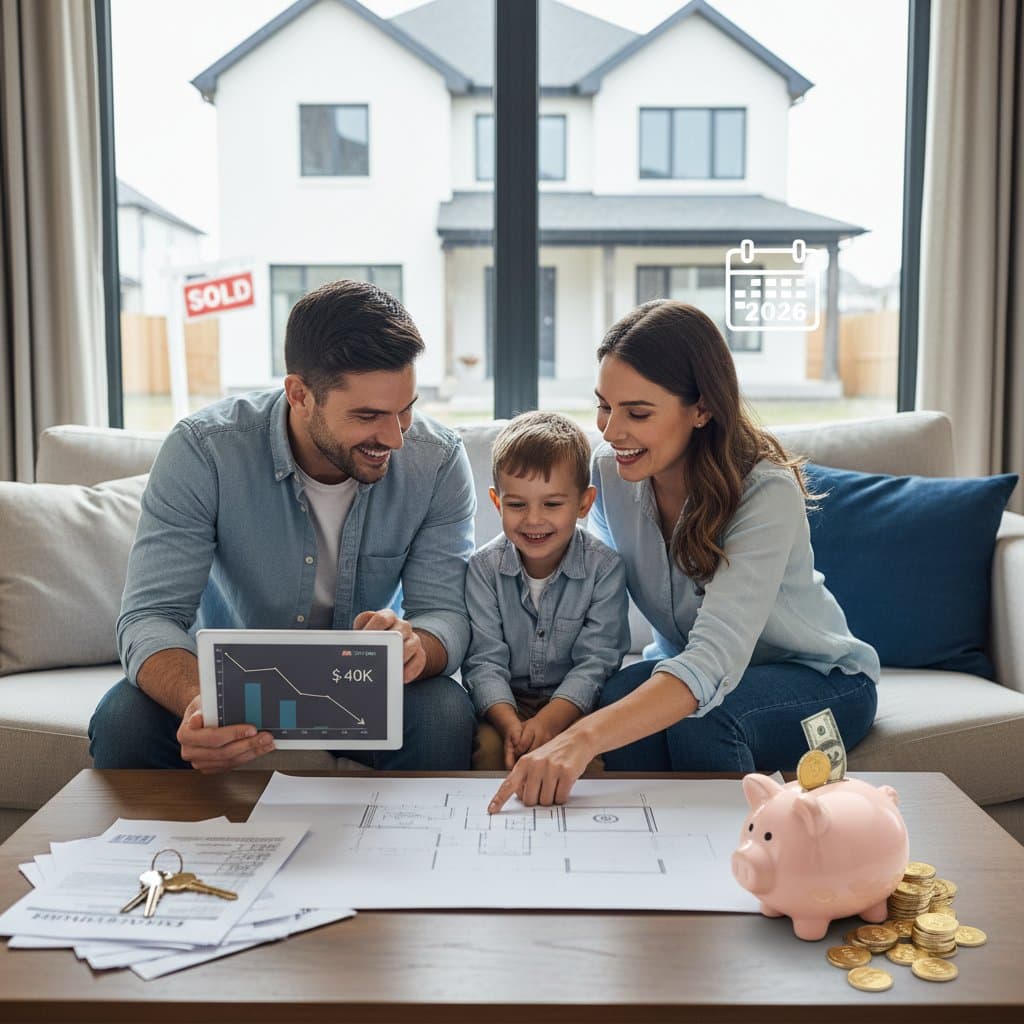
Imagine Taking the Keys to Your New Home
Picture walking through the front door of a new home with a sense of pride mixed with anticipation. Fresh paint fills the air, boxes line the walls, and the first mortgage statement waits in the background. The layout suits your needs, yet the monthly payment requires careful planning.
The Challenge Facing Homebuyers
Current interest rates have delayed many purchase decisions. Buyers calculate borrowing costs and seek ways to stay within budget without strain. Builders and lenders respond with targeted incentives. A 2-1 buydown stands out as a practical option that reduces payments in the early years while preserving long-term loan terms.
The period right after closing often brings added expenses for furnishings and adjustments. A lower payment during this window creates room in the monthly budget and supports a smoother transition.
How a 2-1 Buydown Works
A 2-1 buydown reduces the interest rate by two percentage points in the first year and by one percentage point in the second year. The rate then returns to the original fixed level for the remaining term. The interest savings for those initial years are prepaid, usually by the builder or through negotiated closing credits.
New-construction buyers frequently receive this option as a direct incentive. The structure provides a predictable step-up that aligns payments with improving household finances.
Example of the Savings
Consider a $500,000 loan at a 7 percent fixed rate.
- Year 1 rate falls to 5 percent.
- Year 2 rate rises to 6 percent.
- Year 3 onward reverts to 7 percent.
Total payments during the first two years can decrease by approximately $40,000, depending on exact loan details. This amount remains available for other home-related costs.
Why Builders Offer Buydowns
Builders accelerate sales when they provide payment relief. They allocate incentive funds to cover the buydown cost because faster closings benefit both parties. Buyers who purchase new homes should ask specifically about available 2-1 buydown programs and any additional lender credits that can be combined.
The Real Benefits for Homeowners
The primary advantage is immediate budget flexibility. Lower early payments allow attention to moving expenses, initial improvements, and emergency reserves.
Additional advantages include:
- Clear payment schedule that supports accurate forecasting.
- Opportunity to refinance if market rates decline before the third year.
- Full use of builder-funded incentives without direct out-of-pocket expense.
Personal experience shows that these early savings often cover painting, shelving, and finishing touches that complete the living space.
Things to Keep in Mind
The cost of the rate reduction originates from the builder or seller. Confirm the source of funds before signing. Review the projected payment increase in year three and verify that future income will accommodate the full rate.
Smart Steps Before You Sign
- Examine the loan estimate for the exact payment progression.
- Request a side-by-side comparison of total interest with and without the buydown.
- Inquire about lender partnerships that specialize in builder programs.
- Allocate part of the early savings toward a reserve fund for the adjusted payment.
Cost and Local Resources
The prepaid interest difference for a typical mid-sized loan ranges from $10,000 to $20,000. Regional lenders such as Pinnacle Home Loans, Blue Ridge Mortgage, and Heritage Builders Finance maintain dedicated programs that coordinate directly with area builders.
Integrating Savings into Your Plan
Compare offers from multiple lenders and builders to identify the strongest combination of rate and incentives. When purchasing an existing home, instruct the agent to request seller-funded buydown contributions as part of the purchase agreement.
Document the full payment schedule and confirm how the savings align with other financial goals. Proper use of the reduced-payment period builds a stronger foundation for sustained homeownership.