Construction Materials & Methods

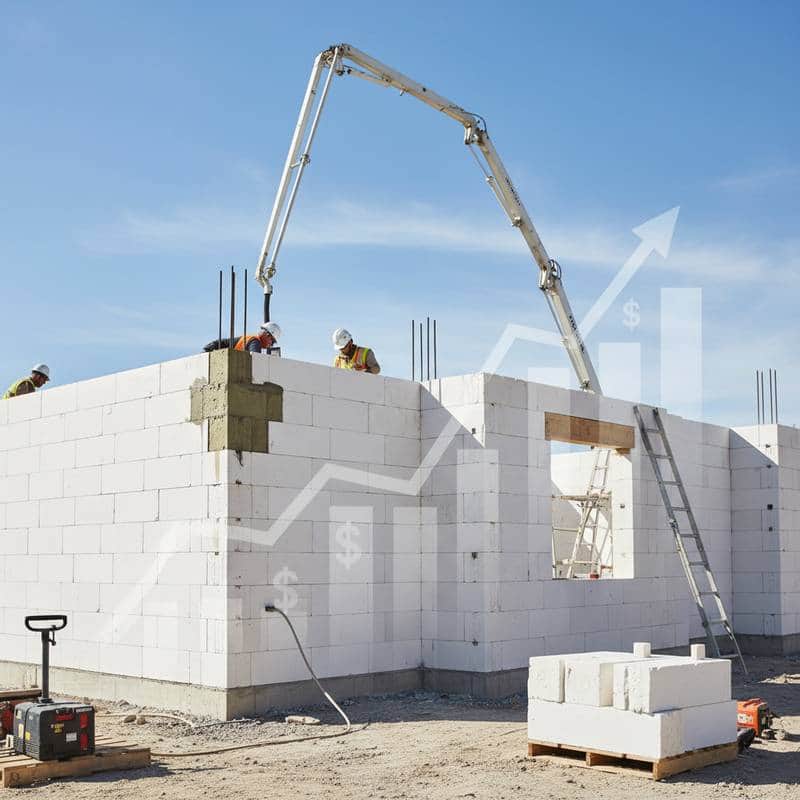
Featured image for 3D Concrete Walls vs Drywall: Which Saves Money Long Term

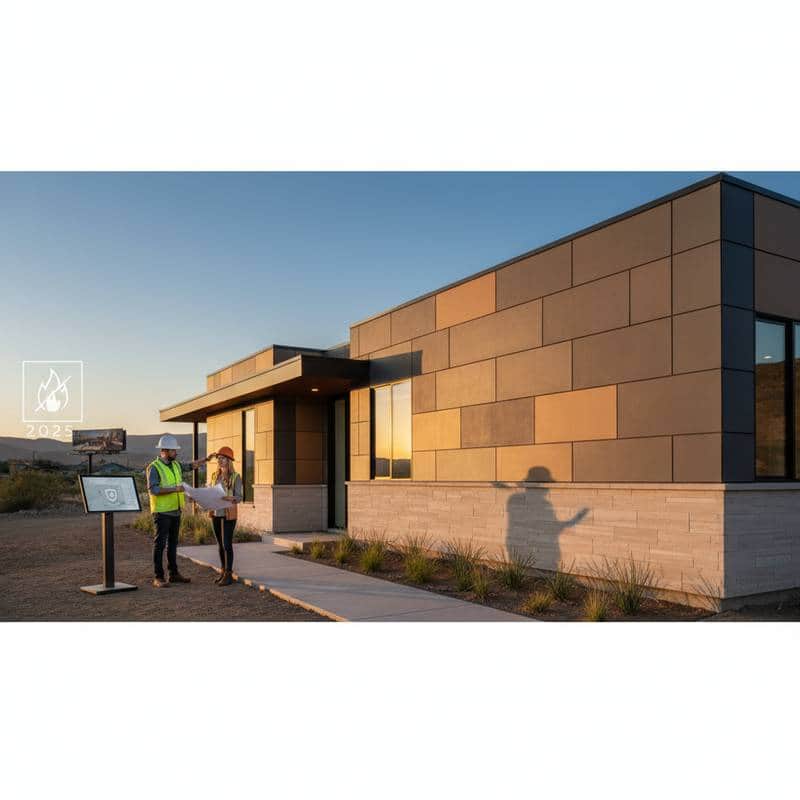
3D Concrete Walls vs Drywall: Which Saves Money Long Term

As construction methods evolve in 2025, builders face a choice between innovative 3D printed concrete walls and traditional drywall. While 3D concrete demands higher initial investment, it offers superior durability and energy efficiency for long-term savings. Drywall provides affordability and ease of installation, yet requires more upkeep over time; the best option hinges on project specifics like location and lifespan expectations.

6 min read
Featured image for Prefab Bathroom Pods Cut 3 Weeks Off Construction

Prefab Bathroom Pods Cut 3 Weeks Off Construction

Prefabricated bathroom pods deliver complete units to the site, shortening construction periods by up to three weeks while upholding superior quality and uniformity. Although initial expenses may appear elevated, reductions in labor, waste, and scheduling disruptions frequently compensate for them. These pods suit multi-unit initiatives by integrating rapidity, accuracy, and dependability into contemporary building practices.

4 min read
Featured image for Concrete Delays? 5 Materials That Keep Your Build Moving

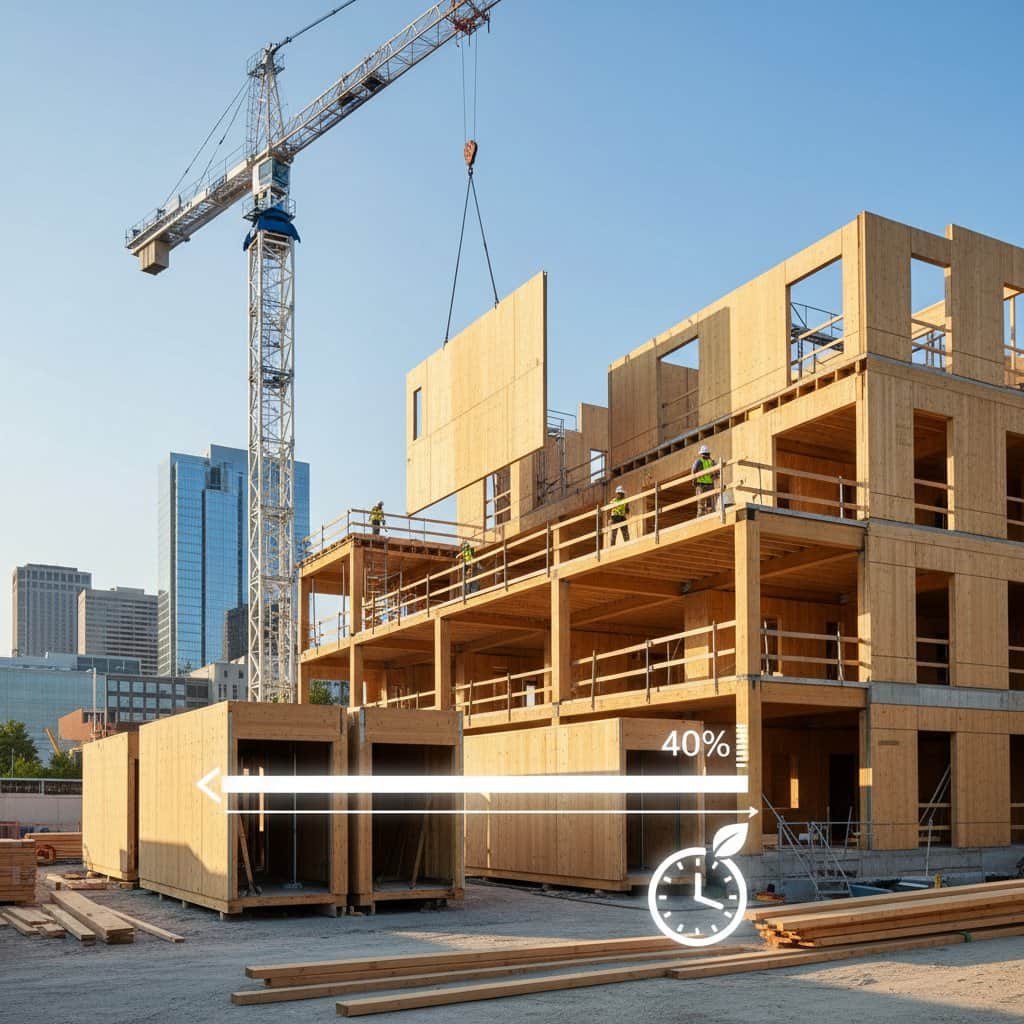
Concrete Delays? 5 Materials That Keep Your Build Moving

Concrete delays pose significant challenges to construction timelines, yet viable alternatives exist to prevent project stagnation. Options including engineered wood, precast panels, steel frames, fiber-reinforced concrete, and rammed earth enable builders to proceed efficiently. By prioritizing flexibility, thorough planning, and awareness of material trade-offs, teams can safeguard budgets, sustain momentum, and transform potential disruptions into opportunities for enhanced construction strategies.

6 min read
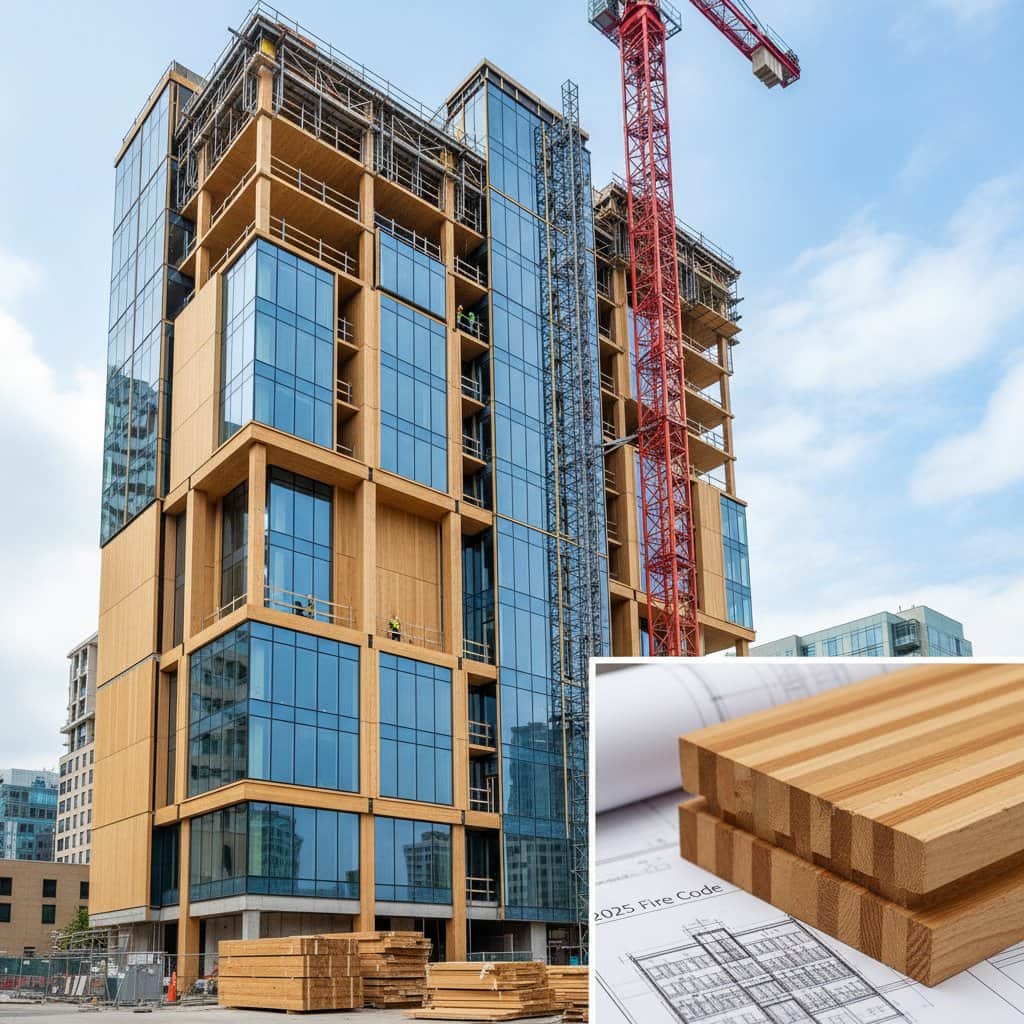
Featured image for Mass Timber Buildings Now Reach 20 Stories High

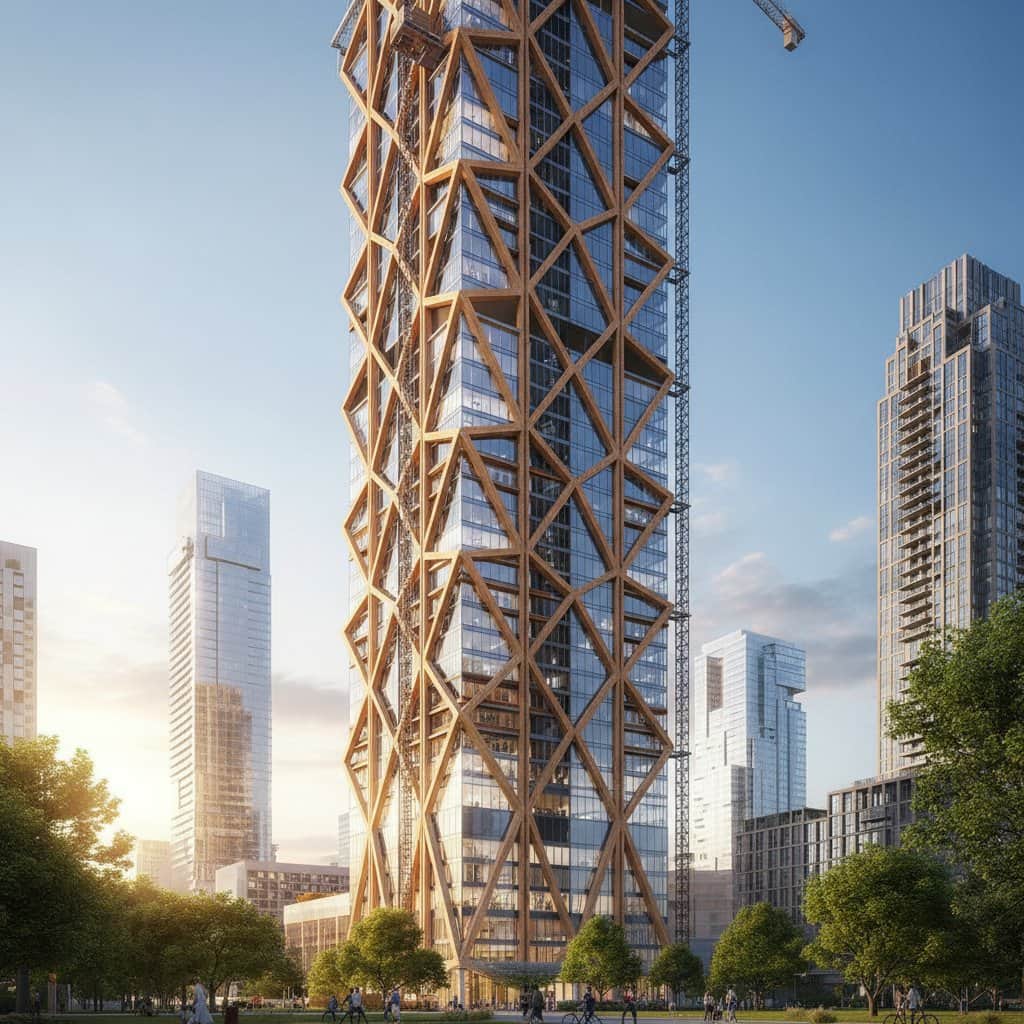
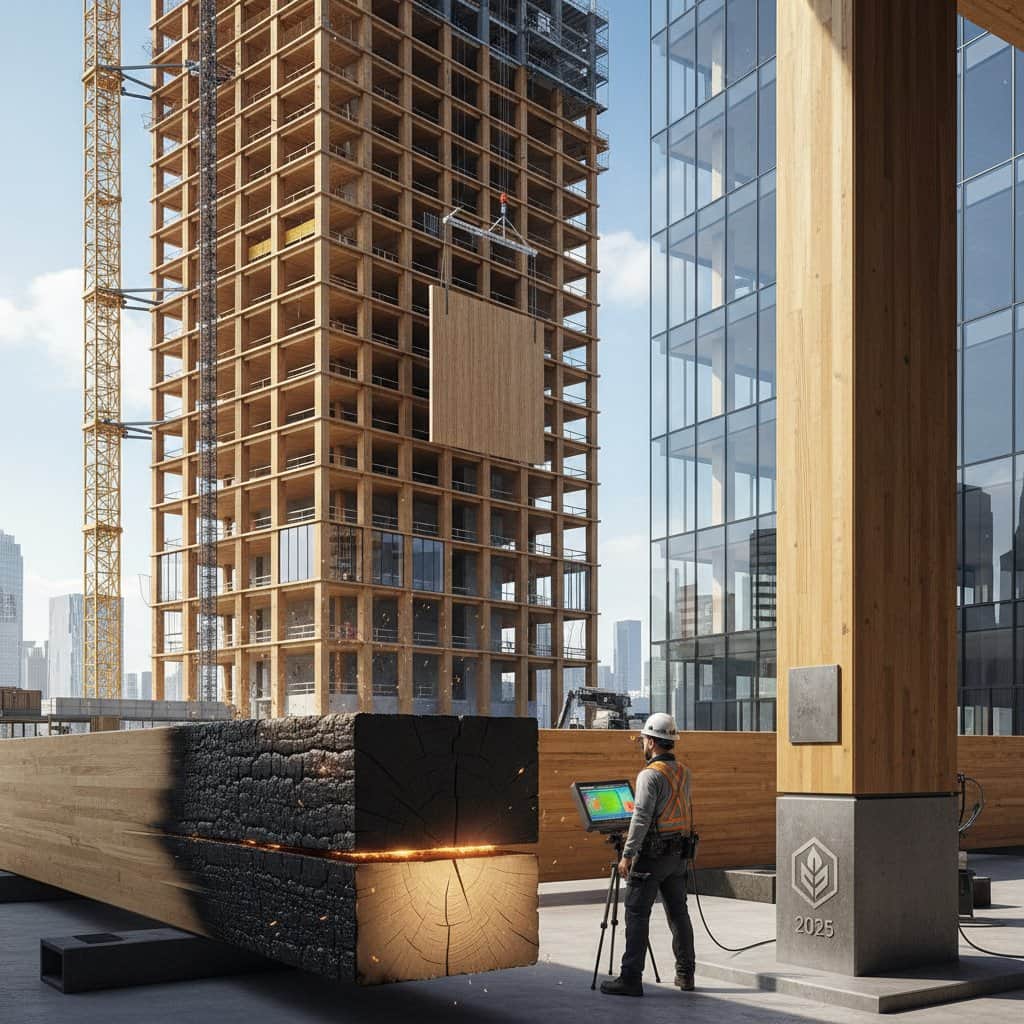
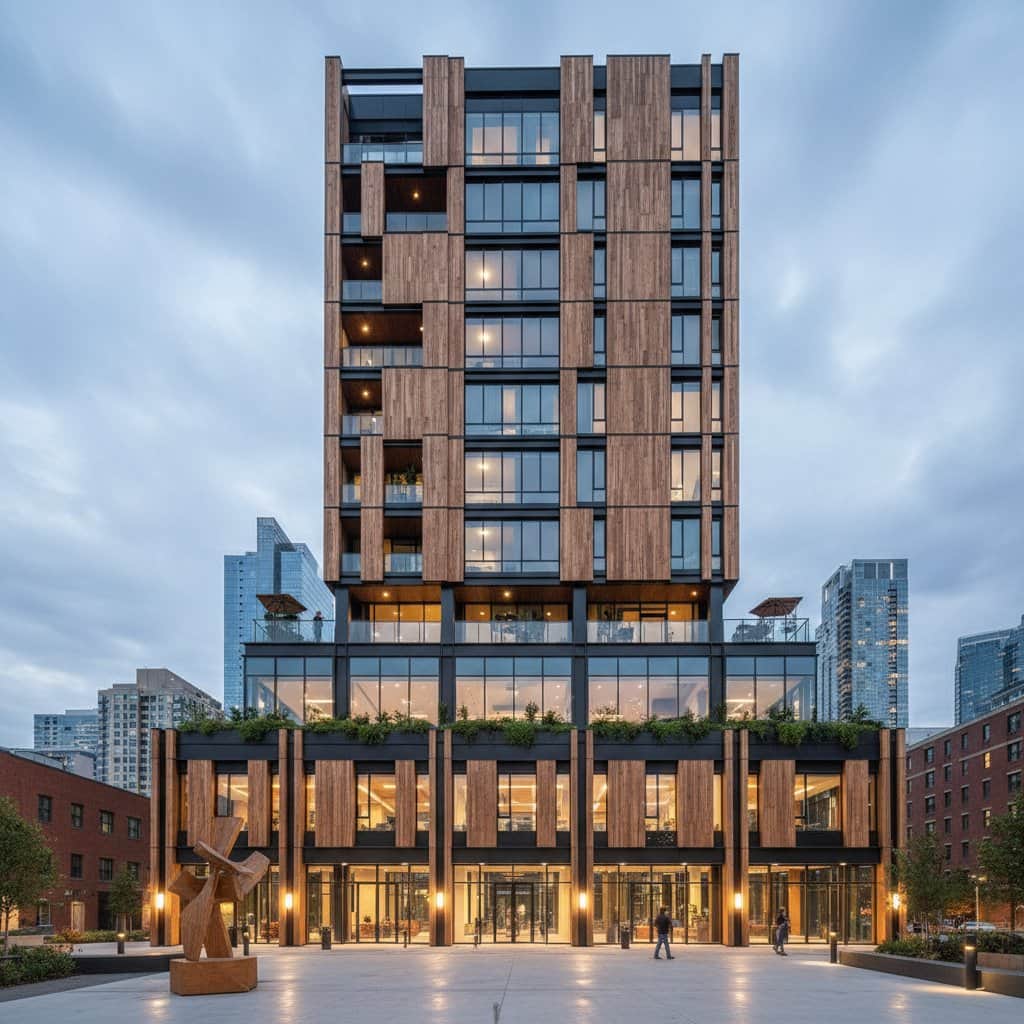
Mass Timber Buildings Now Reach 20 Stories High

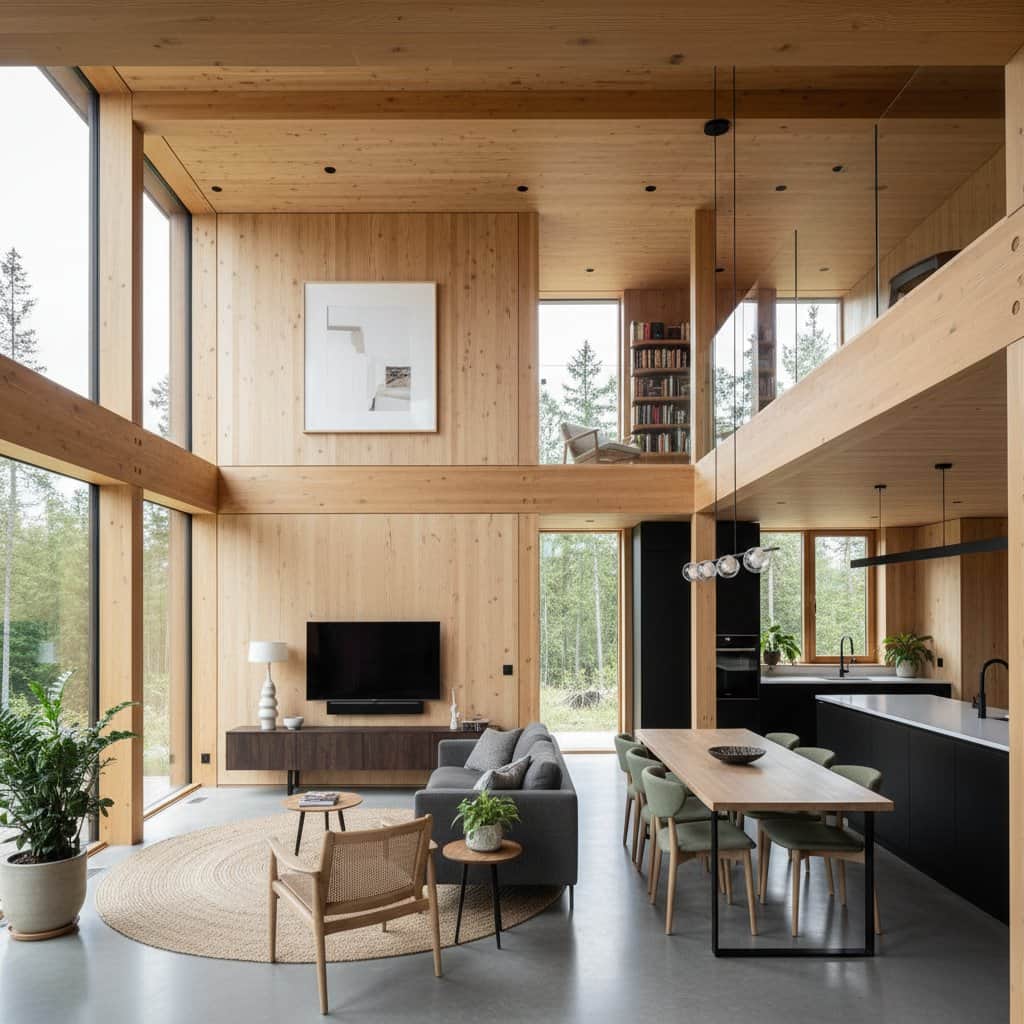
Mass timber transforms urban landscapes through approvals for 20-story wood towers that combine sustainability, rapid construction, and natural aesthetics. Engineered products like cross-laminated timber match concrete's strength, sequester carbon, and enhance city living with warmth and efficiency. This evolution bridges innovation and environmental responsibility for architects, builders, and residents alike.

4 min read
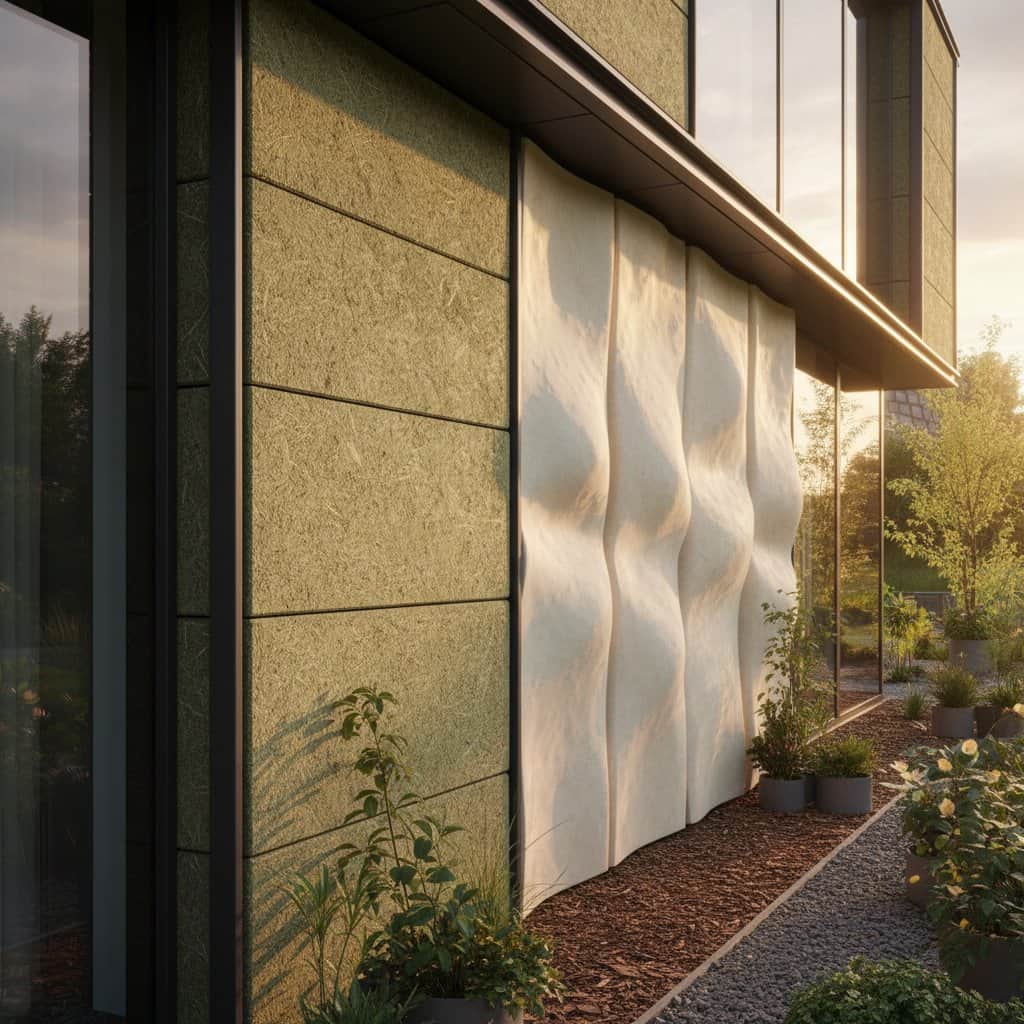
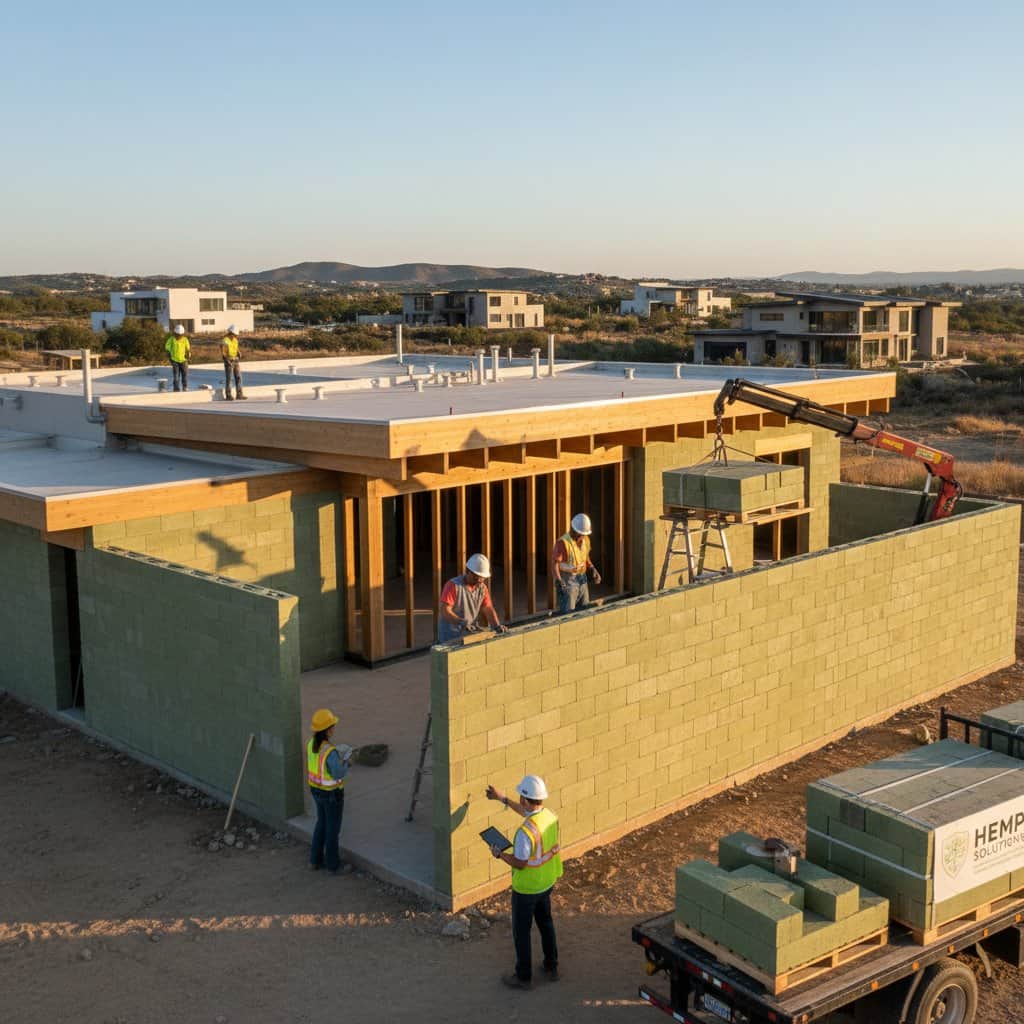
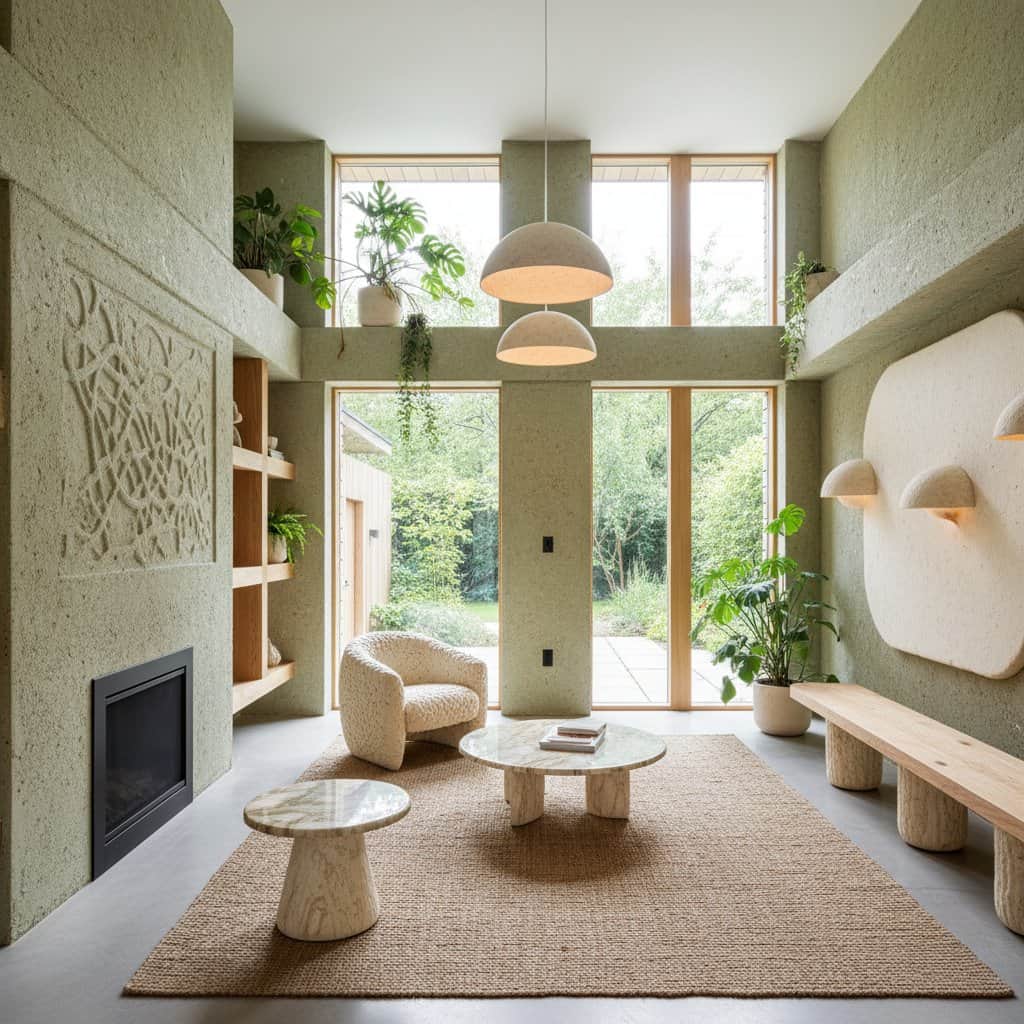
Featured image for Why Natural Building Materials Finally Feel Like Home

Why Natural Building Materials Finally Feel Like Home

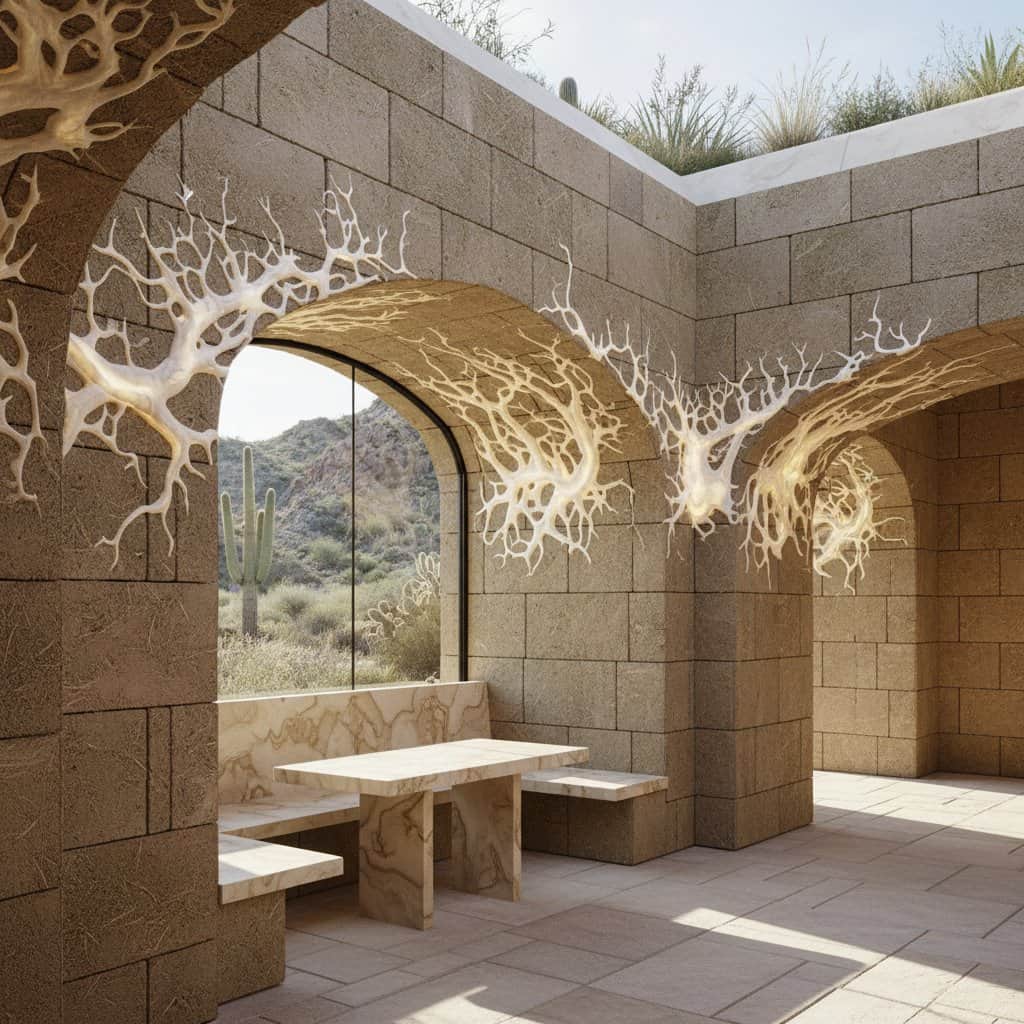
Hempcrete and mycelium emerge as innovative, plant- and fungi-derived materials that surpass traditional options in sustainability. They provide superior breathability, carbon sequestration, and biodegradability while boosting indoor health and reducing ecological impact. Homeowners and builders value these choices for their aesthetic appeal, efficiency, and alignment with green living principles.

4 min read
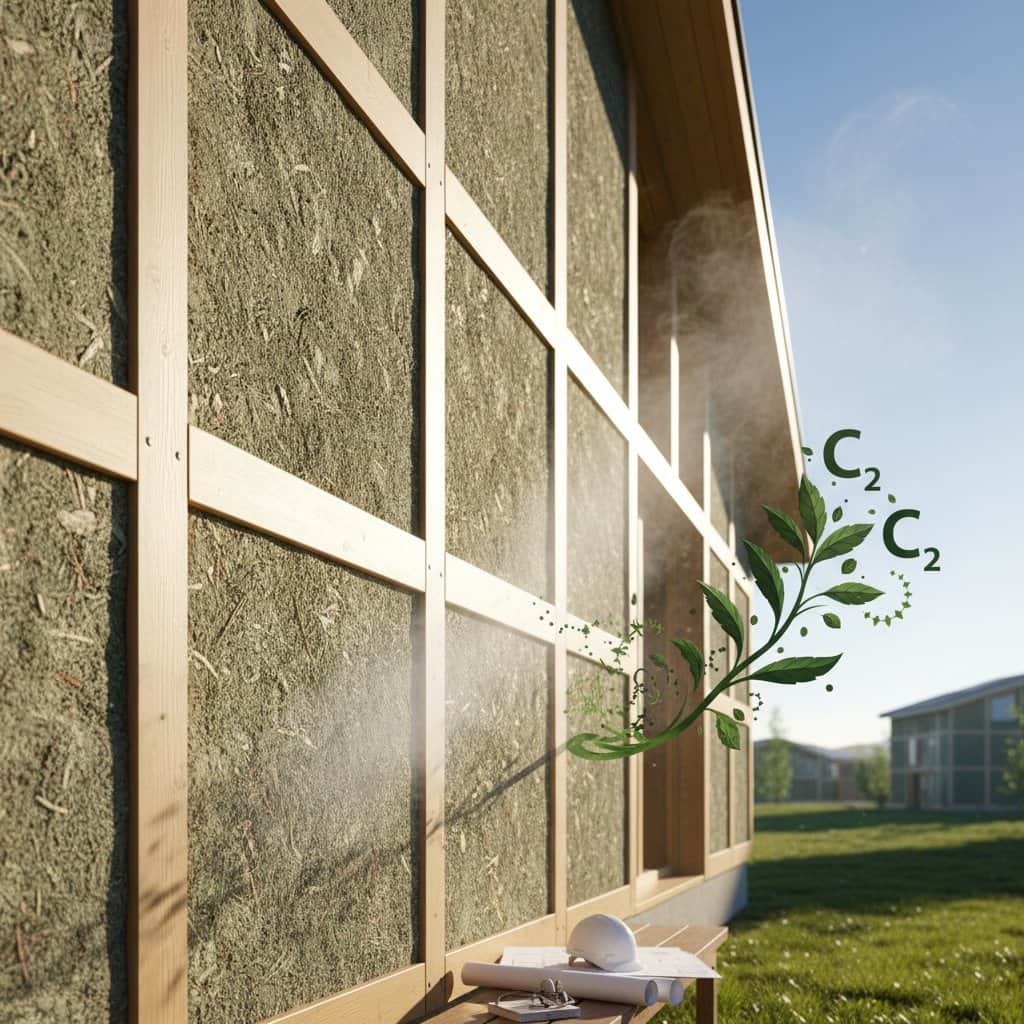
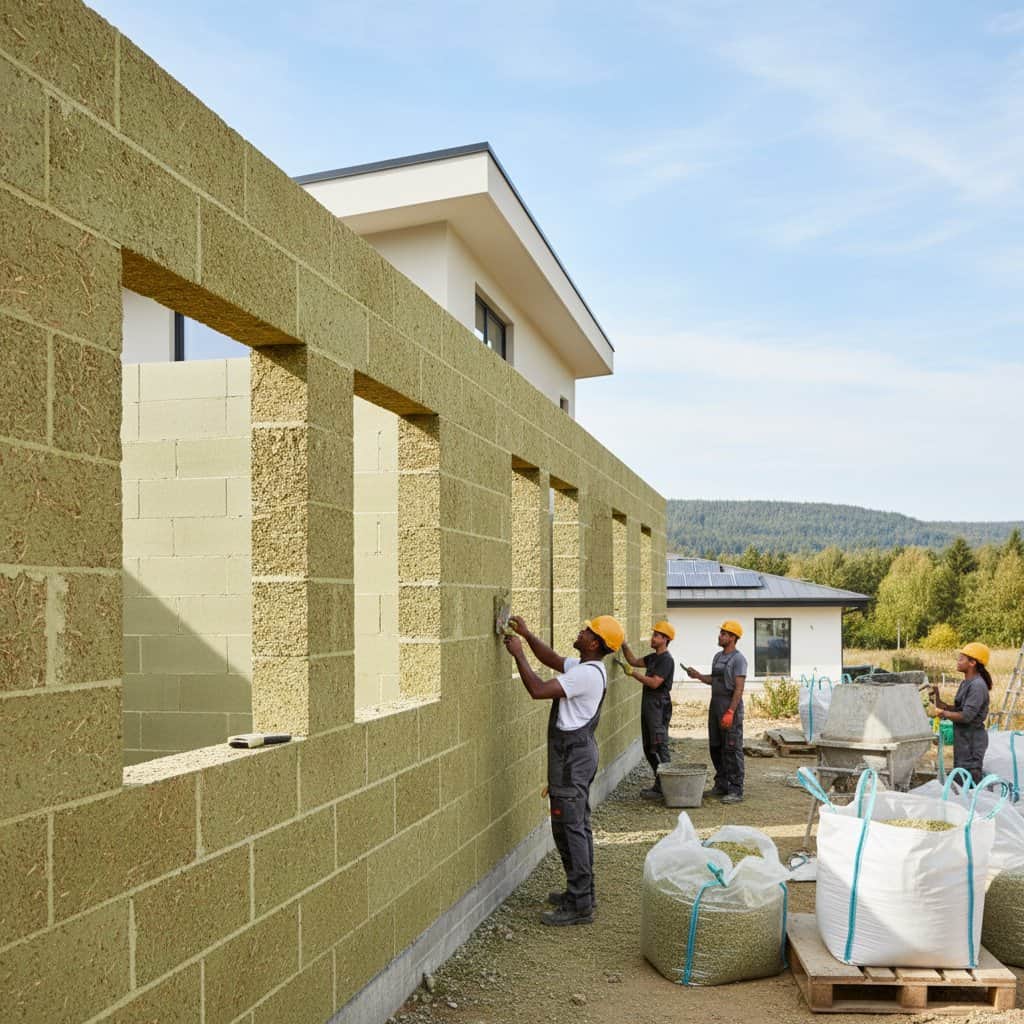
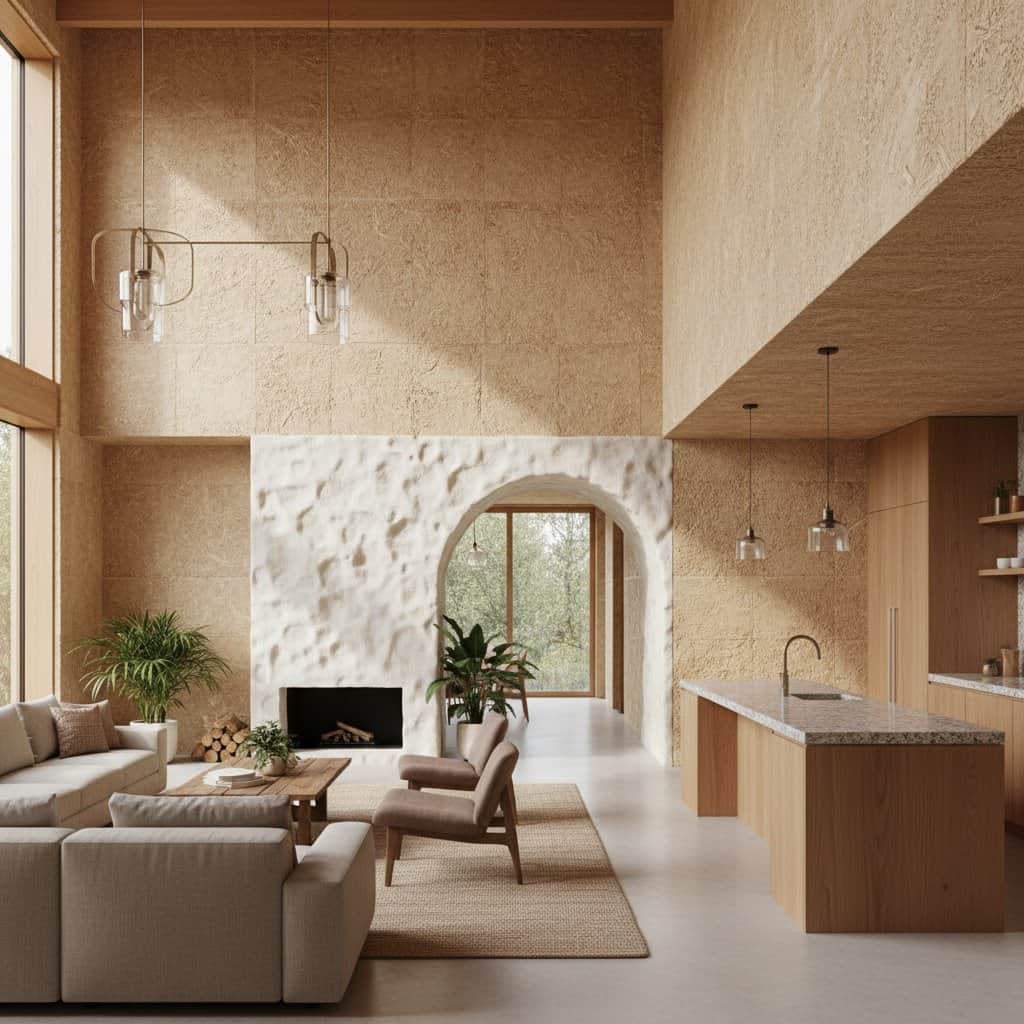
Featured image for Hempcrete Insulates 5X Better Than Concrete Walls

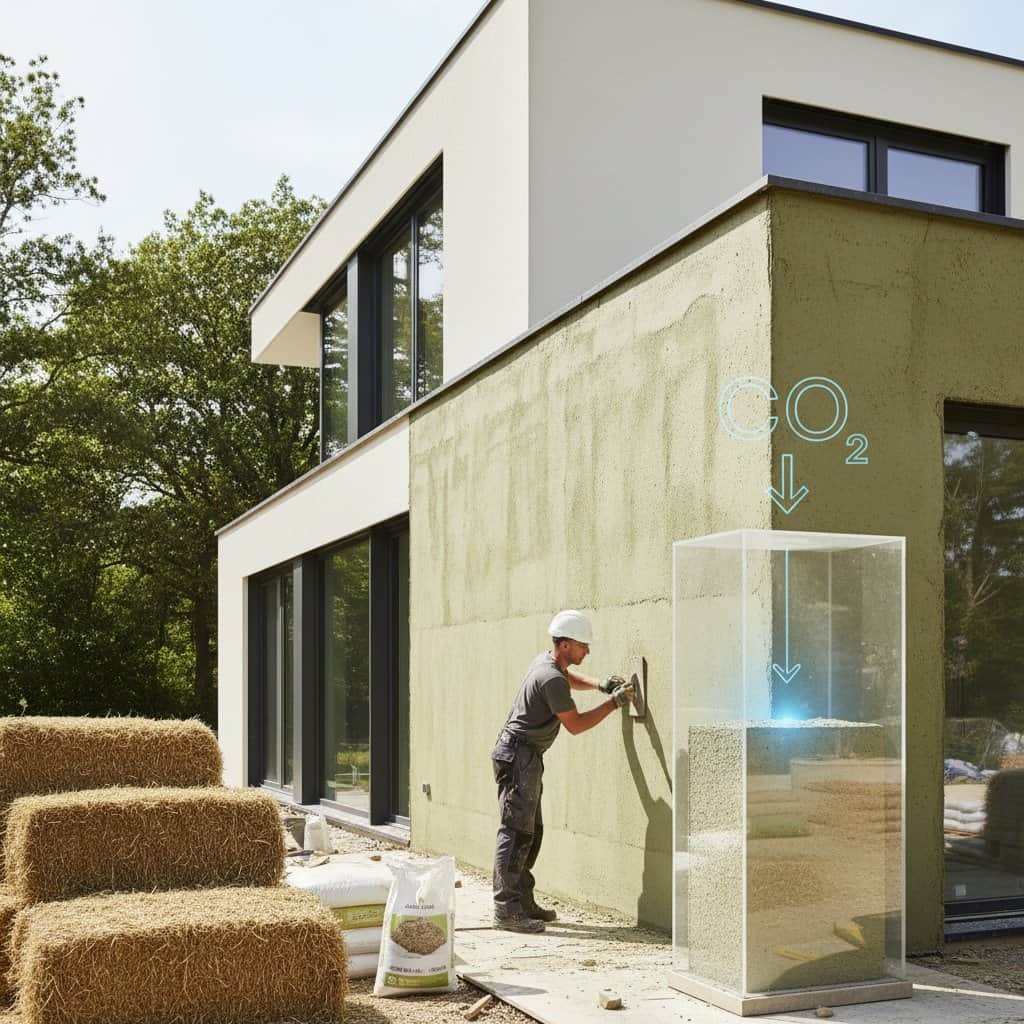
Hempcrete Insulates 5X Better Than Concrete Walls

Hempcrete revolutionizes construction by providing five times the insulation of concrete, while offering natural moisture regulation and acoustic absorption. Composed of hemp hurd, lime, and water, this breathable material sequesters carbon and delivers textured beauty. It combines environmental responsibility with enhanced comfort and energy savings, redefining sustainable living spaces.

5 min read
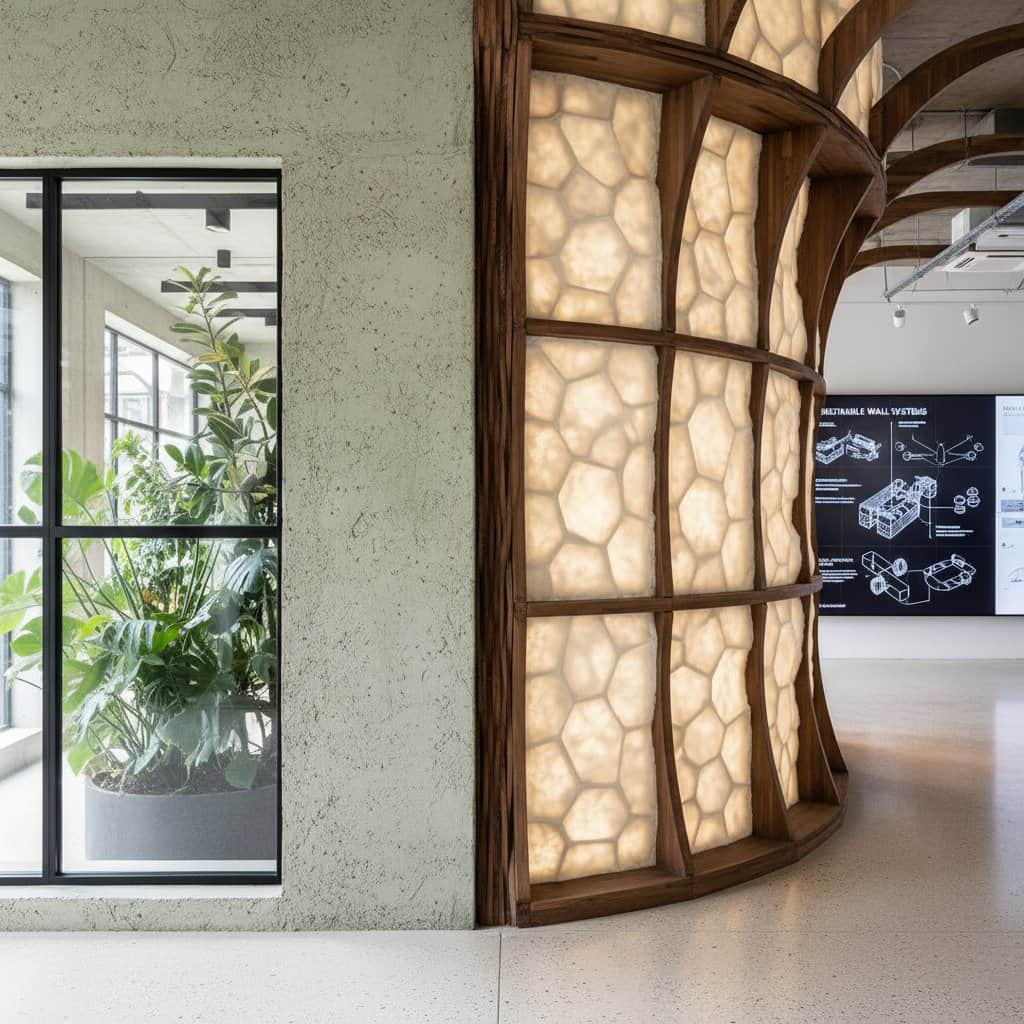
Featured image for Hempcrete and Mycelium: Natural Materials That Insulate and Absorb Carbon

Hempcrete and Mycelium: Natural Materials That Insulate and Absorb Carbon

Hempcrete and mycelium represent a shift in sustainable construction, offering lightweight materials that sequester carbon and provide natural insulation. These options create breathable, resilient structures that enhance comfort and reduce environmental impact. Although non-load-bearing, they integrate seamlessly into contemporary designs, presenting a viable alternative to conventional concrete for those prioritizing efficiency and ecological responsibility.

5 min read
Featured image for ICF Construction Balances Strength and Efficiency

ICF Construction Balances Strength and Efficiency

Insulated concrete forms (ICF) are reshaping home construction in 2025 by combining robust concrete strength with high-performance insulation. These systems create durable, energy-efficient walls that enhance comfort, reduce noise, and support sustainable designs. While upfront costs exceed traditional methods, the long-term benefits in efficiency and resilience position ICF as a leading choice for modern homes.

4 min read
Featured image for ICF Homes Cut Storm Damage and Insurance Costs in 2025

ICF Homes Cut Storm Damage and Insurance Costs in 2025

Insulated concrete form (ICF) homes provide superior hurricane protection and potential insurance discounts in 2025. These robust, energy-efficient builds minimize damage risks, reduce energy expenses, and promote long-term financial benefits. Homeowners gain insights into insurer incentives, construction efficiencies, and strategies for resilient coastal properties.

5 min read
Featured image for Why Hempcrete Homes Are Going Mainstream in 2025

Why Hempcrete Homes Are Going Mainstream in 2025

Hempcrete redefines sustainable construction in 2025 with its carbon-negative properties, breathability, and durability. This material provides natural insulation, fire resistance, and a unique texture that enhances comfort. As costs decrease and sourcing improves, hempcrete transitions from a niche option to a mainstream choice for environmentally responsible living.

6 min read