Construction Materials & Methods

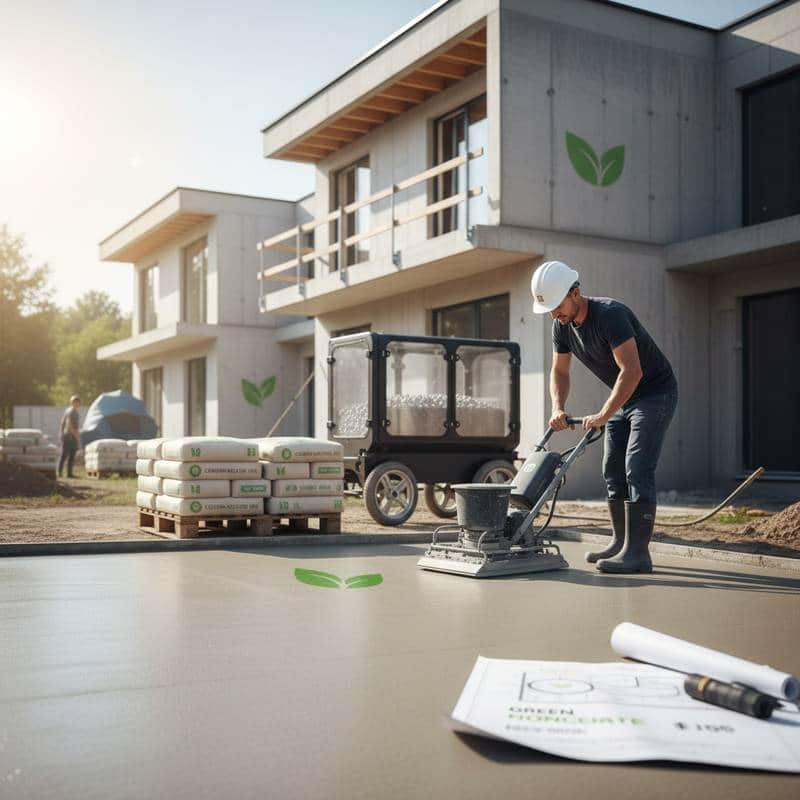
Featured image for Hempcrete and Mycelium: Breathable Alternatives to Concrete

Hempcrete and Mycelium: Breathable Alternatives to Concrete

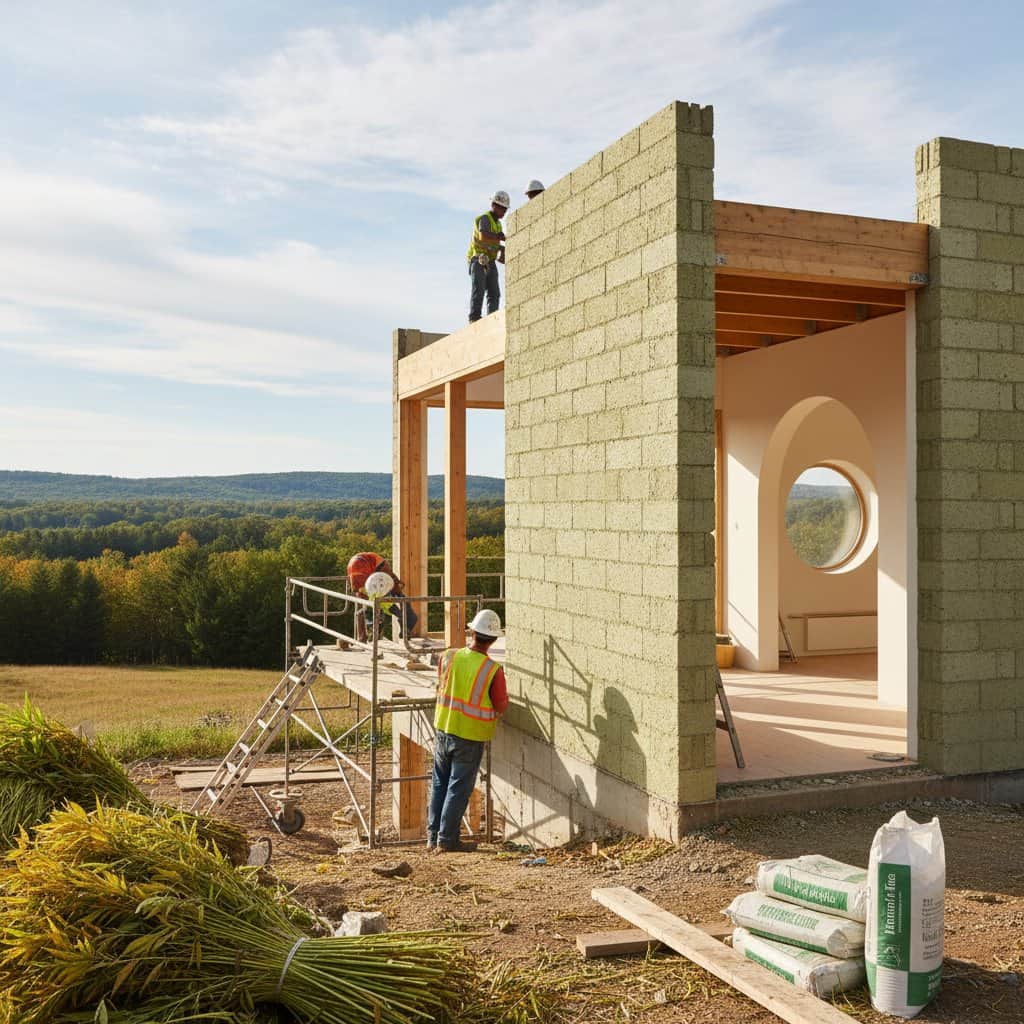
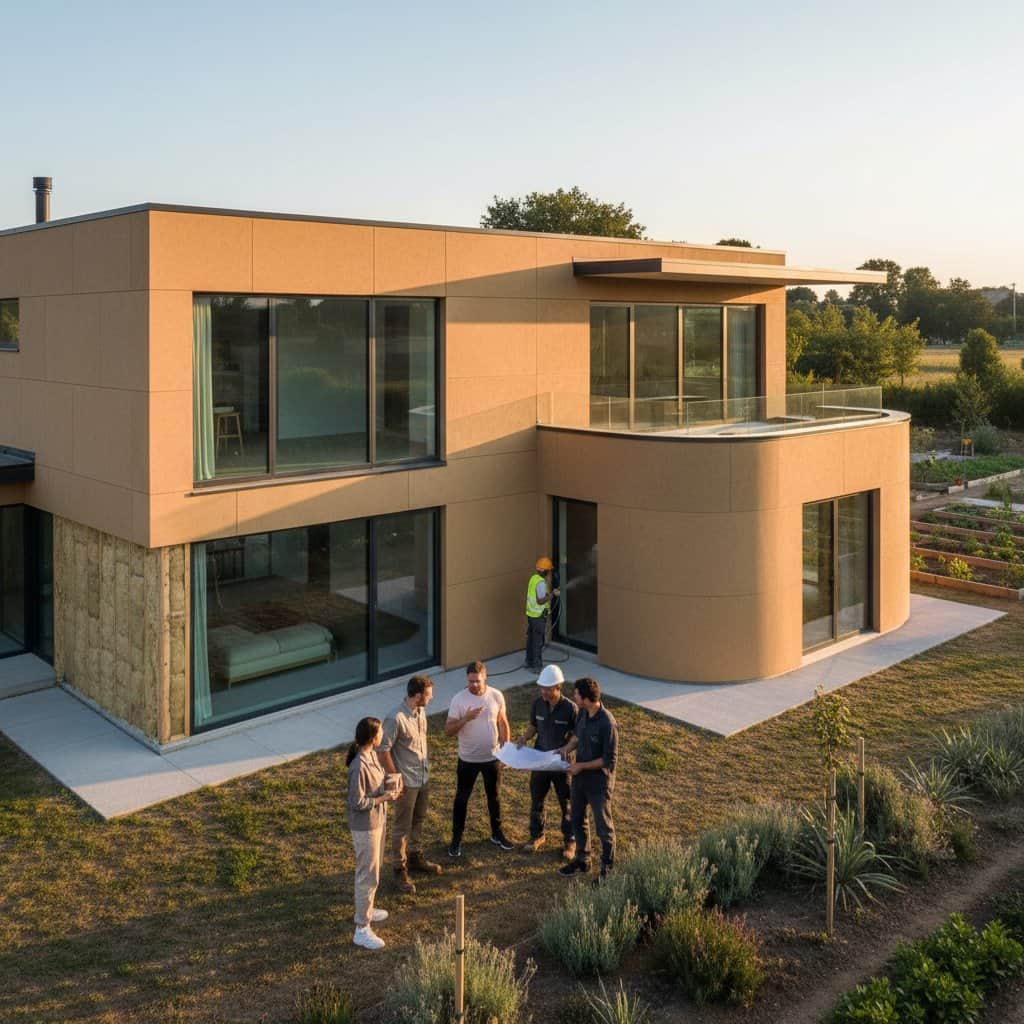
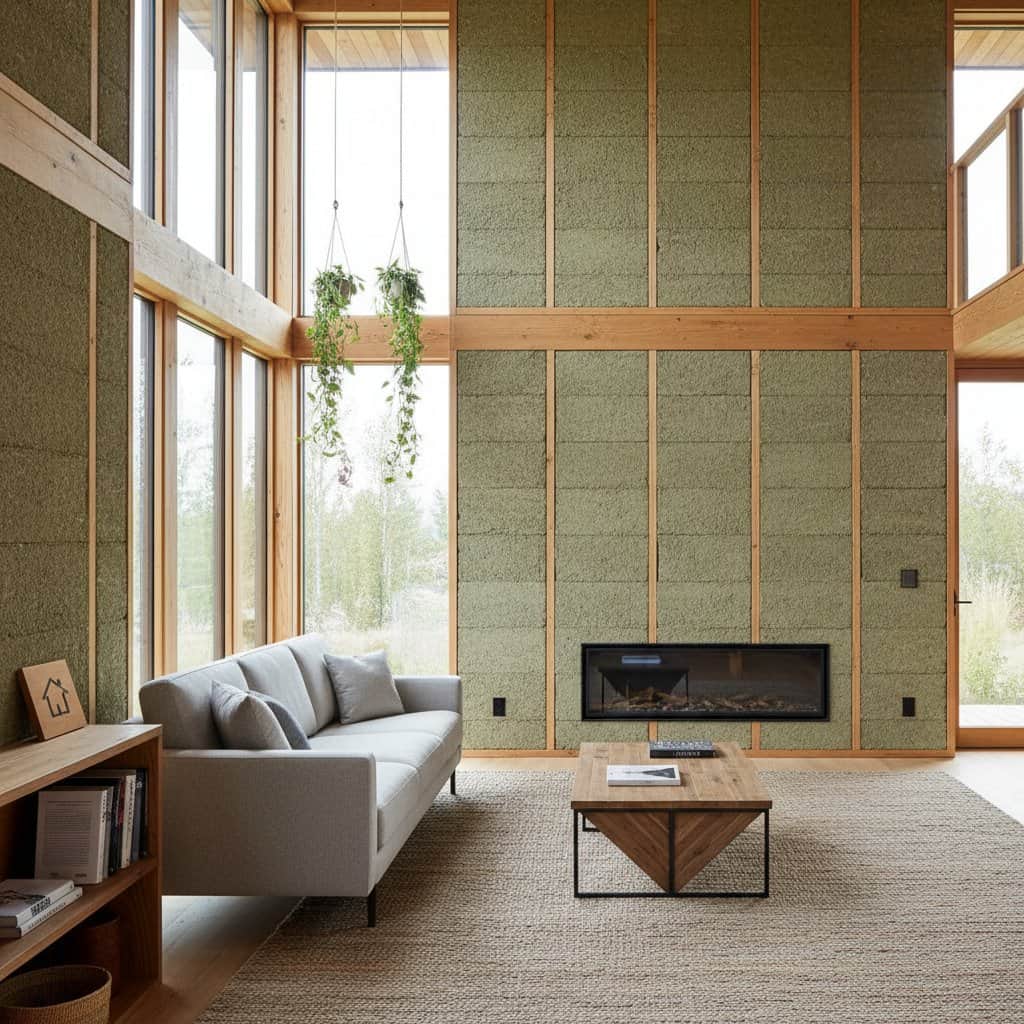
Hempcrete and mycelium emerge as innovative substitutes for concrete in sustainable building practices. These renewable materials provide breathability, effective moisture regulation, and enhanced insulation while minimizing environmental impact. Builders and homeowners alike benefit from structures that promote well-being and align with ecological responsibility.

6 min read
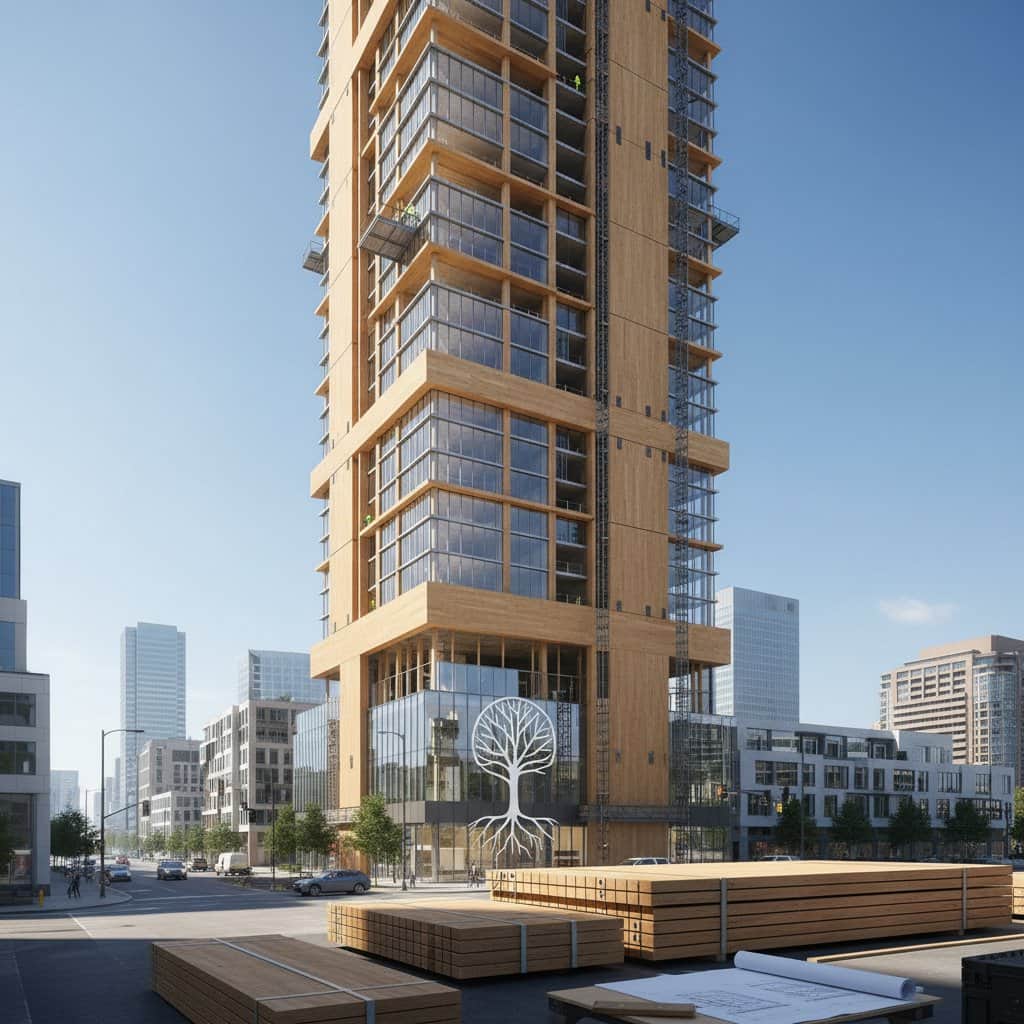
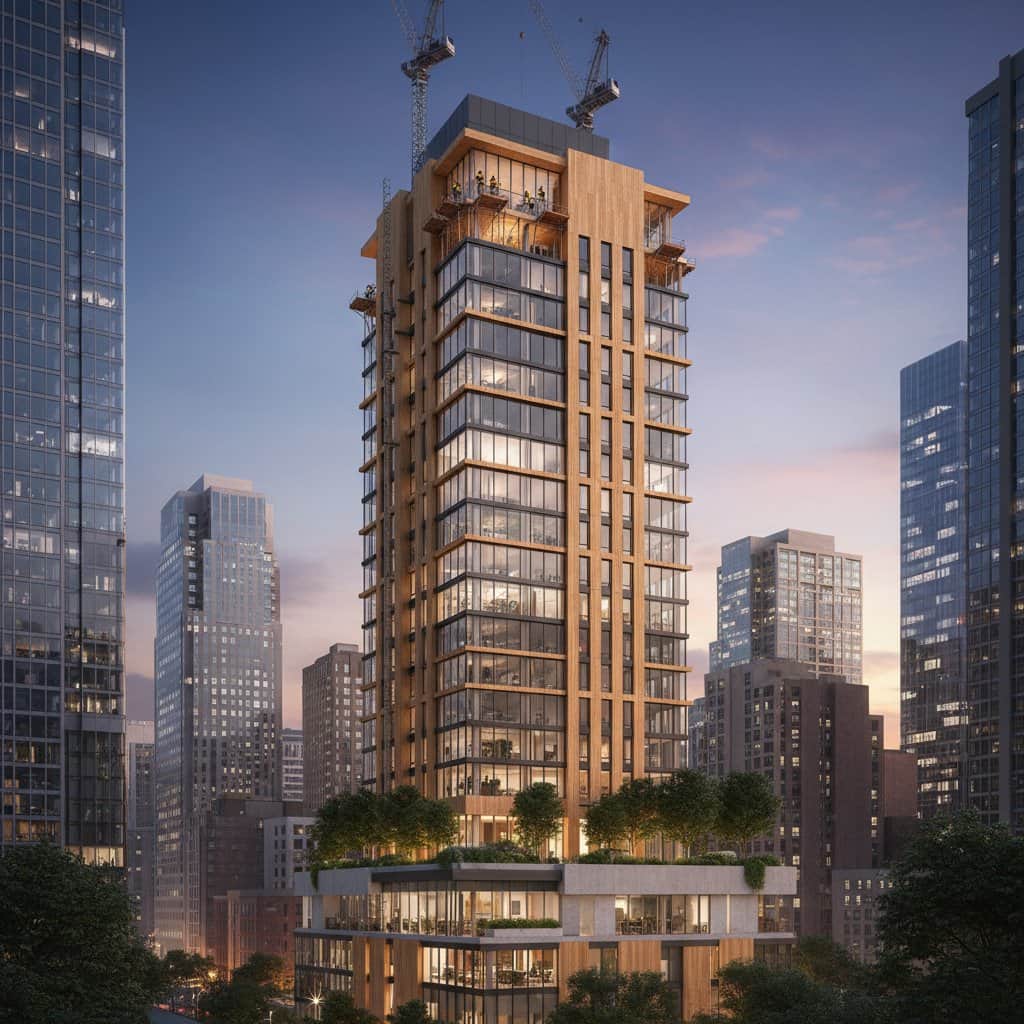
Featured image for Mass Timber Towers Hit 18 Stories: What Changed

Mass Timber Towers Hit 18 Stories: What Changed

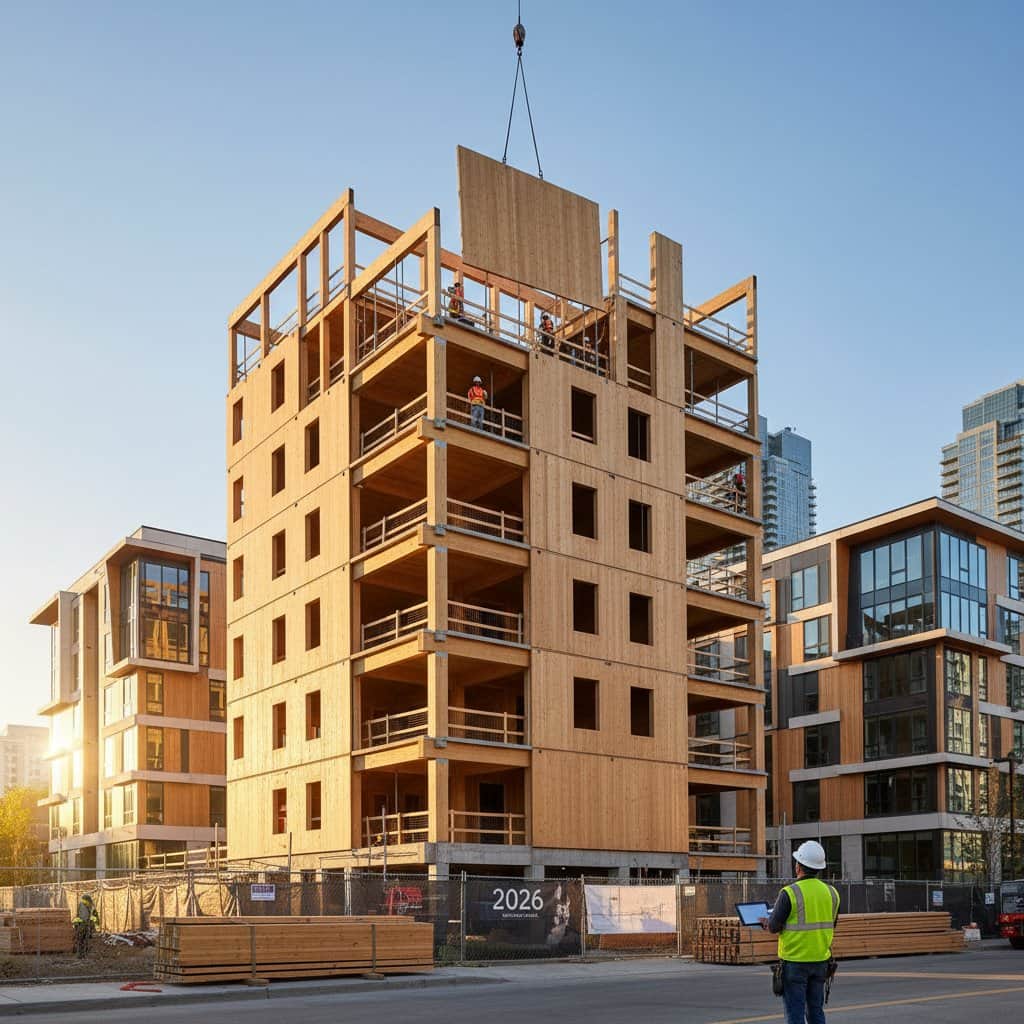
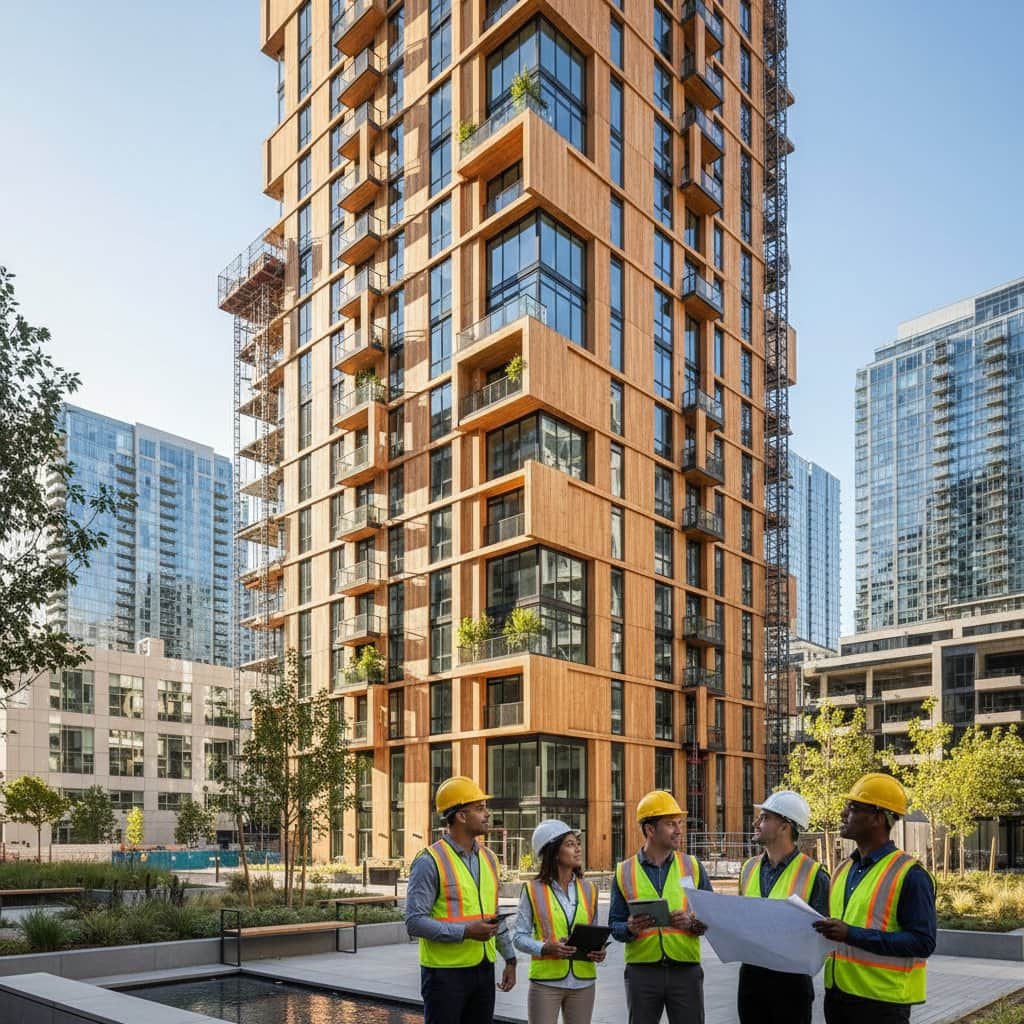
Mass timber revolutionizes building practices, now approved for 18-story structures. This engineered wood offers superior strength, environmental sustainability, and construction speed, with an aesthetic appeal unmatched by steel or concrete. The shift toward wood heralds innovative, eco-friendly development in urban and residential projects.

4 min read
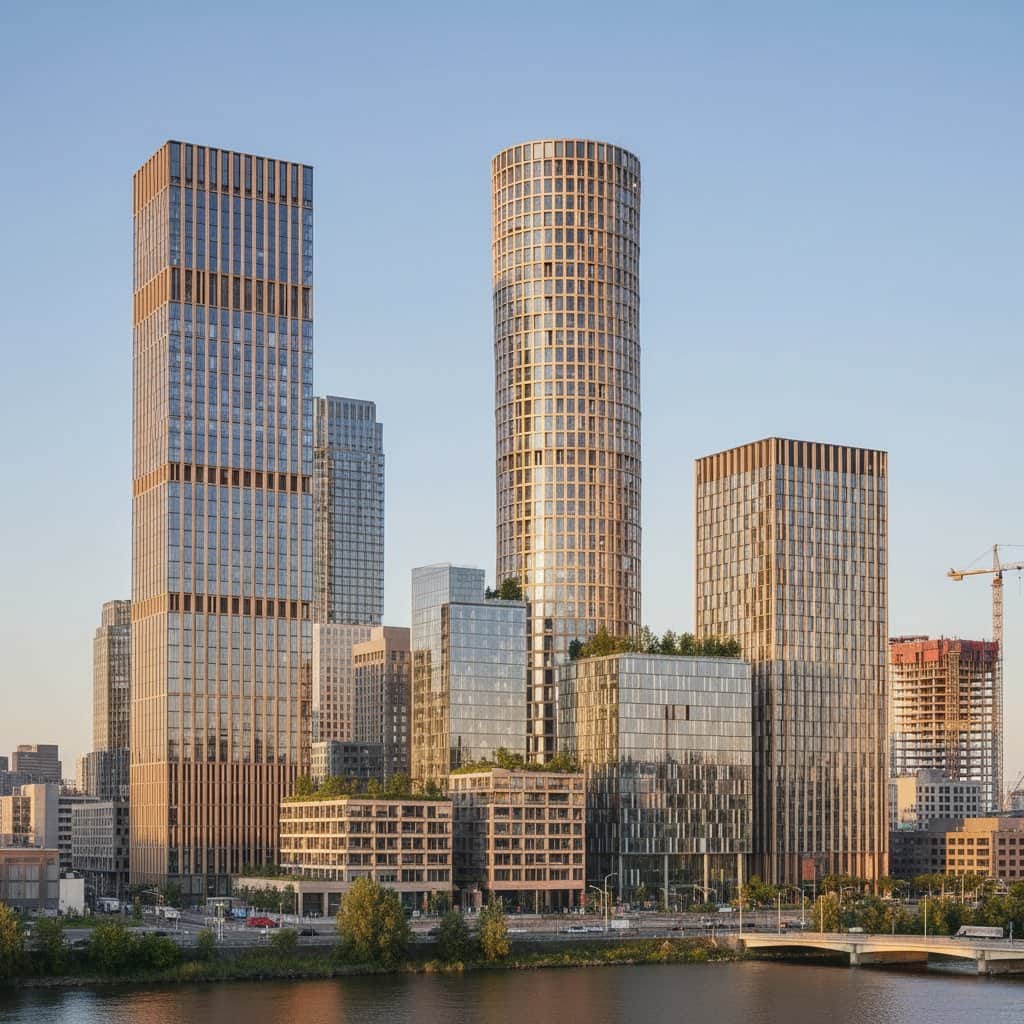
Featured image for Mass Timber Codes Now Allow 18-Story Wood Buildings

Mass Timber Codes Now Allow 18-Story Wood Buildings

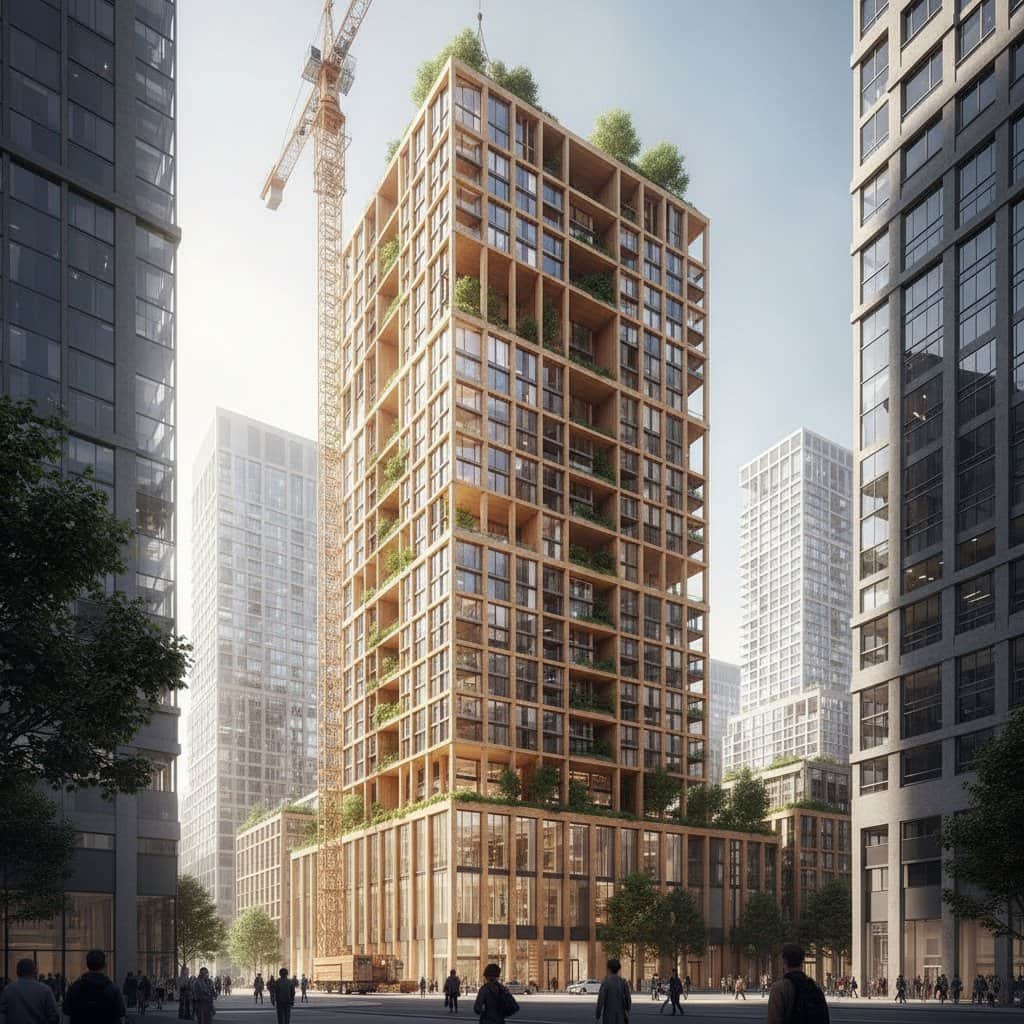
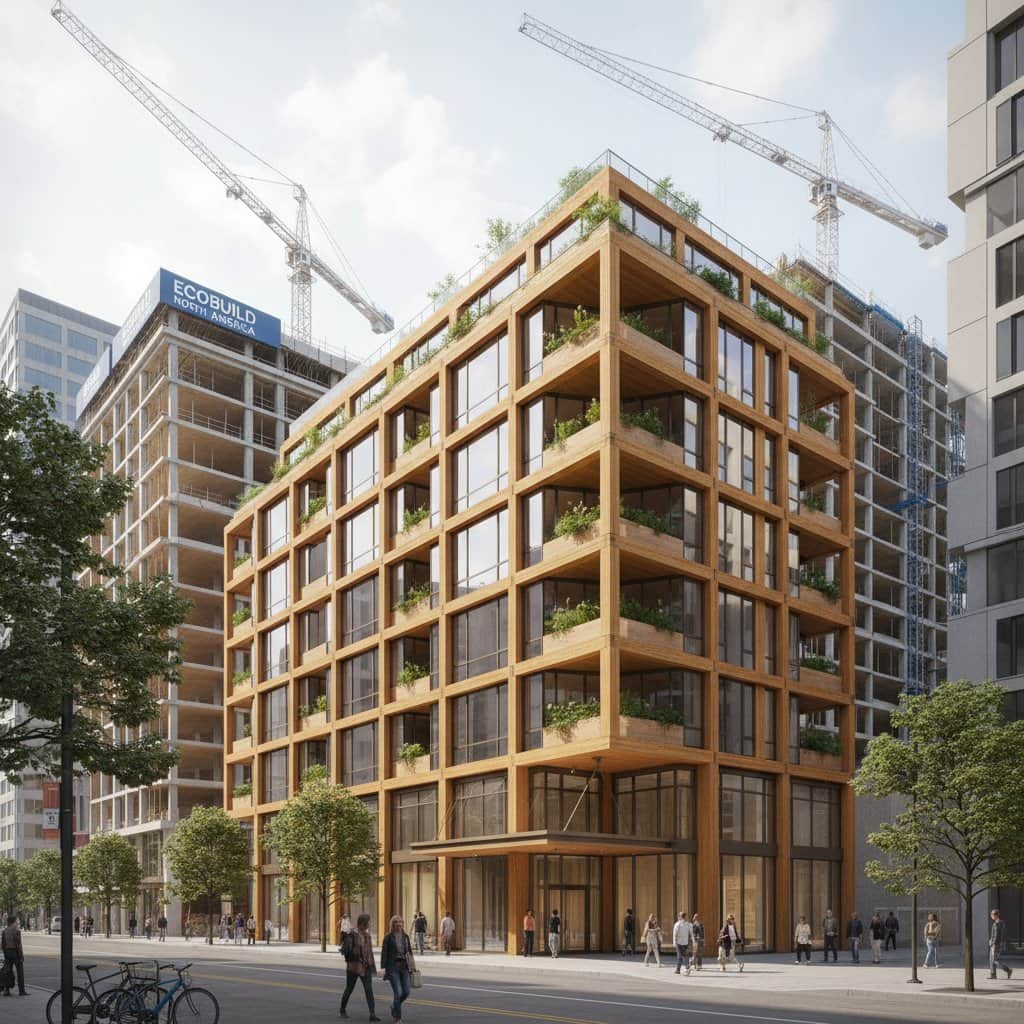
Mass timber redefines urban skylines through sustainable 18-story wooden towers that match steel and concrete in strength, safety, and construction speed. Updated building codes facilitate this shift toward eco-friendly architecture, blending aesthetic appeal, durability, and significant carbon reductions. Learn how engineered wood reshapes contemporary design and why global cities embrace timber for a greener future.

4 min read
Featured image for Hempcrete Walls Absorb Carbon While They Insulate

Hempcrete Walls Absorb Carbon While They Insulate

Hempcrete redefines sustainable building in 2025 with carbon-negative walls that insulate effectively, regulate humidity, and improve indoor air quality. Composed of hemp, lime, and water, the material proves durable, fire-resistant, and energy-efficient. Beyond technical benefits, hempcrete boosts local economies and promotes regenerative practices where structures contribute to planetary health.

5 min read
Featured image for Mass Timber: Fire-Safe Wood Building in 2025

Mass Timber: Fire-Safe Wood Building in 2025

Mass timber reshapes construction with strength, sustainability, and enhanced fire safety. Engineered options like CLT and glulam provide aesthetic appeal, rapid assembly, and significant carbon reductions while adhering to stringent safety regulations. In 2025, fire-safe wood innovations empower architects, builders, and urban planners to envision resilient, eco-friendly structures.

5 min read
Featured image for Why Hempcrete Stores Carbon Instead of Releasing It

Why Hempcrete Stores Carbon Instead of Releasing It

Hempcrete emerges as a transformative material in sustainable construction for 2025. It delivers carbon-negative properties, superior breathability, and natural insulation that promote comfortable, efficient homes. Although non-structural, hempcrete integrates seamlessly with wood or steel frames, reducing environmental impact while minimizing maintenance needs. Learn how this innovative choice redefines green building practices.

5 min read
Featured image for Why CLT Skyscrapers Are Replacing Steel and Concrete

Why CLT Skyscrapers Are Replacing Steel and Concrete

Cross-laminated timber (CLT) transforms skyscraper construction through its exceptional strength, environmental sustainability, and aesthetic appeal. Lighter than concrete while offering superior durability, CLT minimizes carbon emissions, accelerates project timelines, and enhances design possibilities. As urban areas prioritize eco-friendly practices, mass timber represents an intelligent, efficient alternative for contemporary architecture.

4 min read
Featured image for Mass Timber Rivals Steel With Surprising Fire Safety

Mass Timber Rivals Steel With Surprising Fire Safety

Mass timber transforms construction through engineered wood products that deliver strength, sustainability, and enhanced fire resistance. Dense panels char externally to shield the interior structure, ensuring compliance with safety standards while providing aesthetic warmth, efficient installation, and a reduced carbon footprint. Learn how this innovative material competes with steel and concrete in performance and design appeal.

4 min read
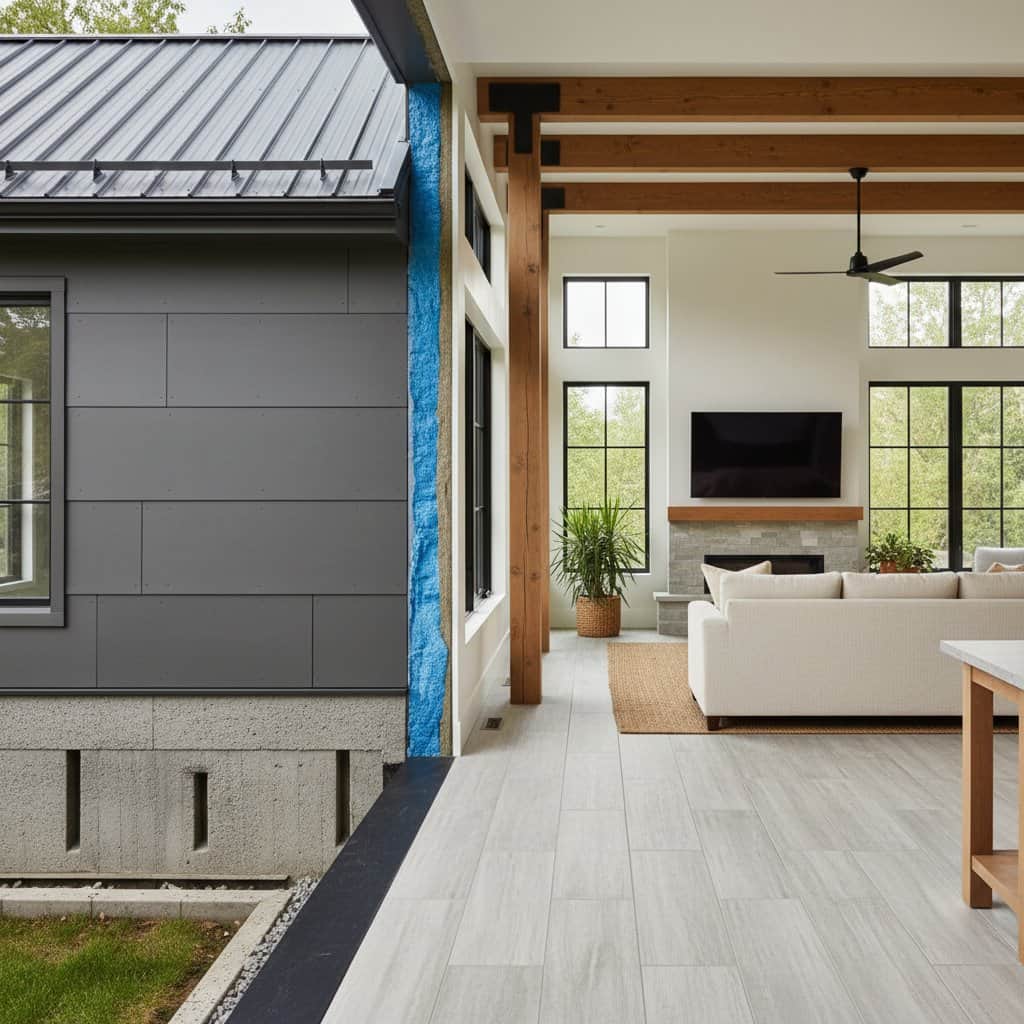
Featured image for Slash Energy 70% with ICF Forms and Tax Credits

Slash Energy 70% with ICF Forms and Tax Credits

Construct energy-efficient homes with insulated concrete forms (ICFs). These innovative systems combine foam insulation and concrete to decrease energy usage by as much as 70 percent, while improving indoor comfort and qualifying for substantial tax incentives. ICF structures offer superior strength, soundproofing, and longevity, providing returns on investment through reduced utility bills and maintenance costs.

4 min read
Featured image for Hempcrete Walls Breathe and Lock Away Carbon

Hempcrete Walls Breathe and Lock Away Carbon

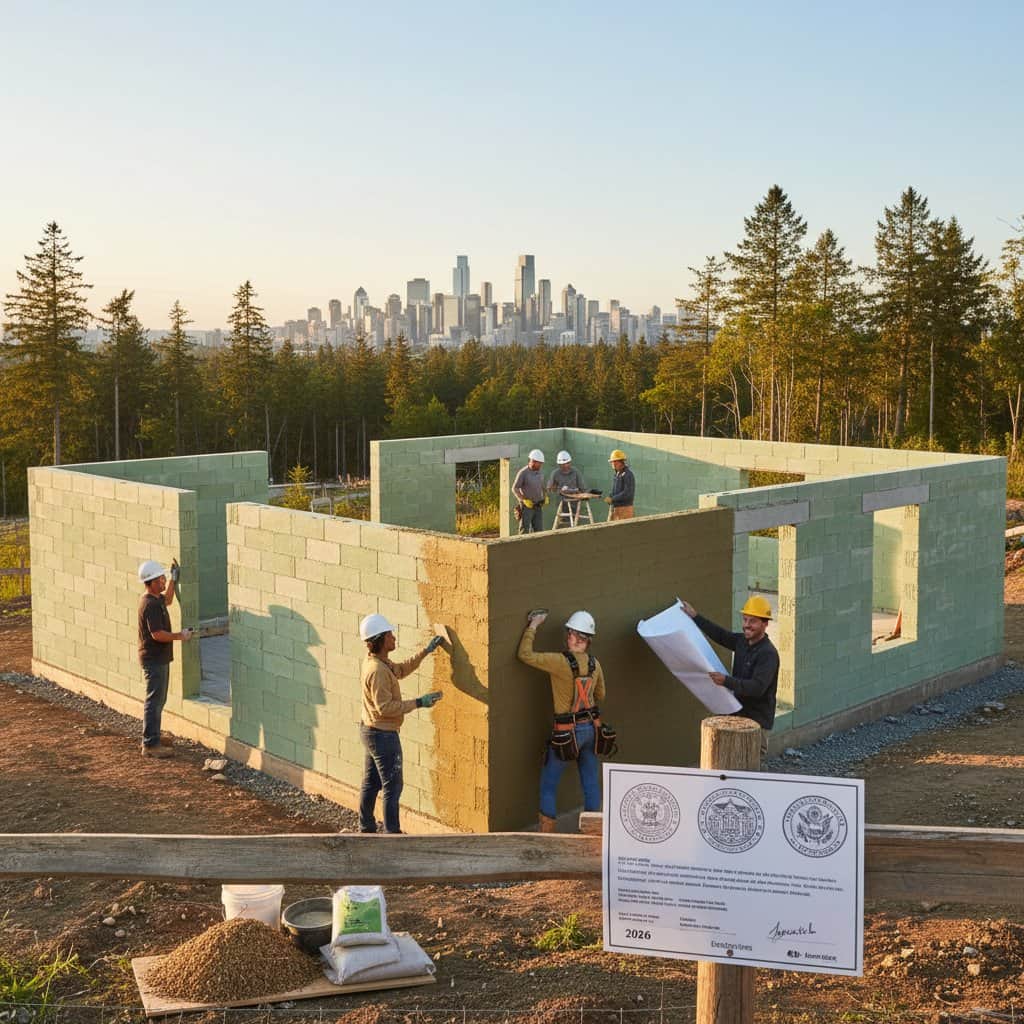
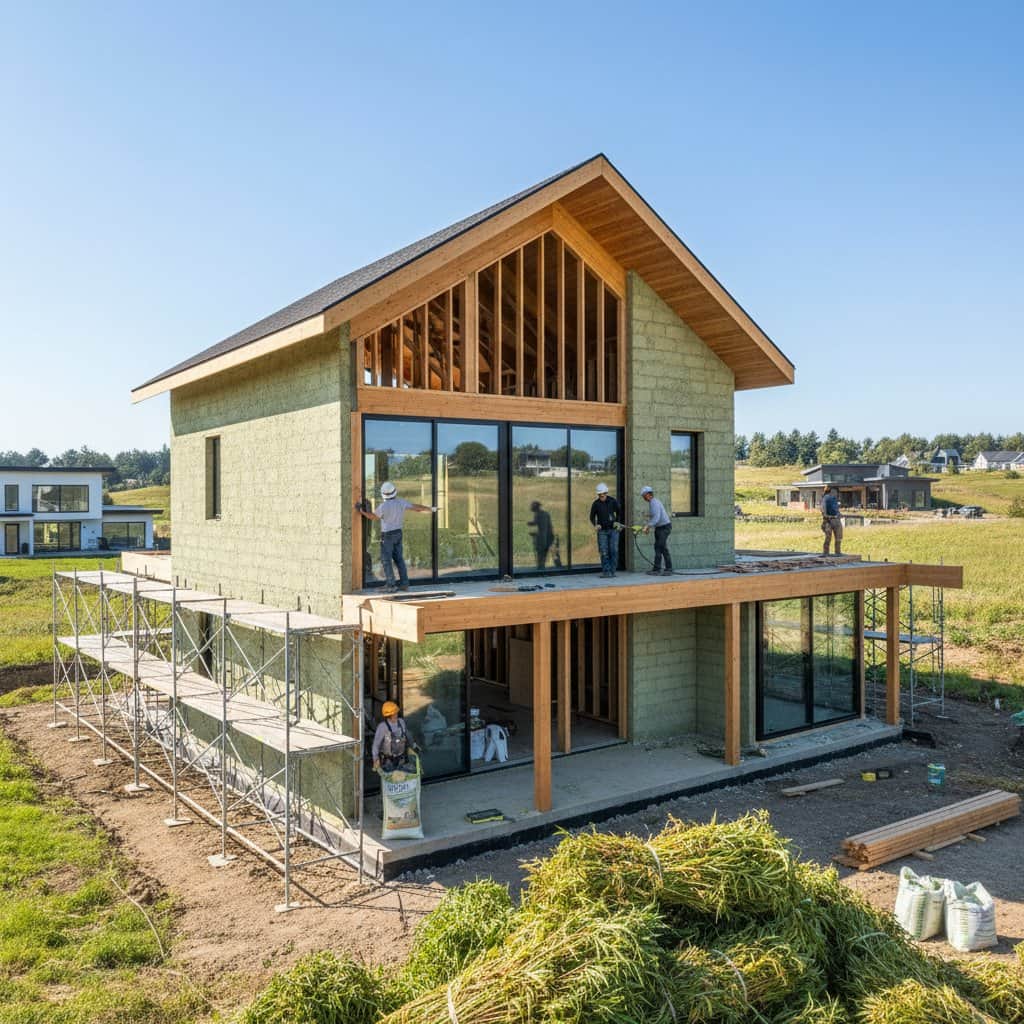
Hempcrete, composed of hemp hurds, lime, and water, revolutionizes sustainable building. With official approval in select regions, it delivers breathable, carbon-negative walls that naturally manage temperature and humidity. Lightweight, fire-resistant, and aesthetically versatile, hempcrete integrates design excellence with environmental responsibility, enabling builders and homeowners to craft inviting, eco-conscious environments.

5 min read