Loading...

Skip to main content
MULTI HB
HomeBudgeting & FinancingConstruction Materials & MethodsConstruction TrendsContractors & Project ManagementSearch
  1. Home
  2. /
  3. Construction Materials & Methods
  4. /
  5. Mass Timber Brings Warmth and Speed to Multi-Story Builds
Construction Materials & Methods

Mass Timber Brings Warmth and Speed to Multi-Story Builds

Your comprehensive resource for home building expertise, construction insights, and financing strategies to help you build your dream home efficiently and cost-effectively.

Categories

Budgeting & FinancingConstruction Materials & MethodsConstruction TrendsContractors & Project ManagementDesign & Floor PlansHome Building BasicsHomeowner Tips & MaintenanceInspections & Quality Checks

Links

  • Home
  • Search Articles
  • About Us
  • Privacy Policy
  • Terms of Service

© 2026 Multi HB. All rights reserved.

byEmily Lockwood
2026-05-22 10:32:07May 22, 2026
3 min read
Featured image for Mass Timber Brings Warmth and Speed to Multi-Story Builds
2026-05-22 10:32:07
Multi HB - Home Building, Construction Trends, Financing New Homes

Mass Timber Set to Transform Multi-Story Homes by 2026

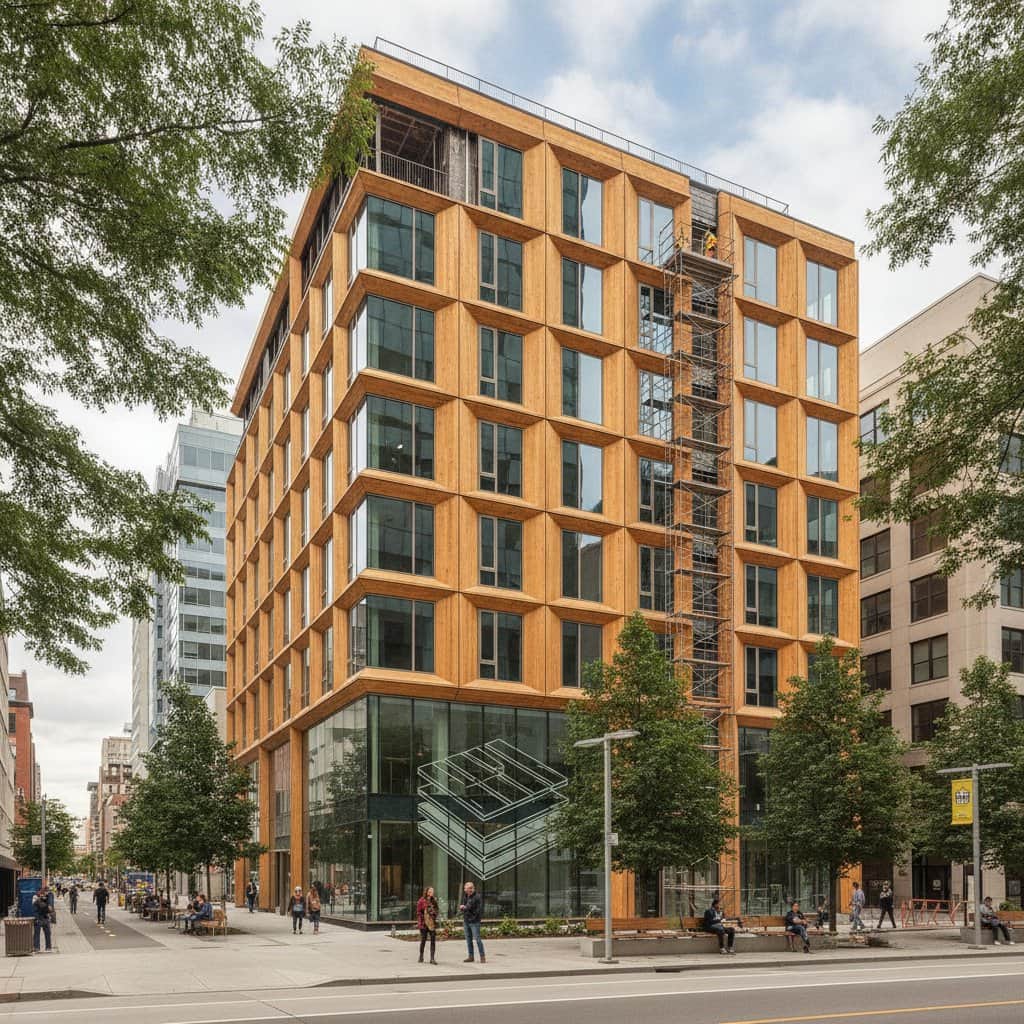
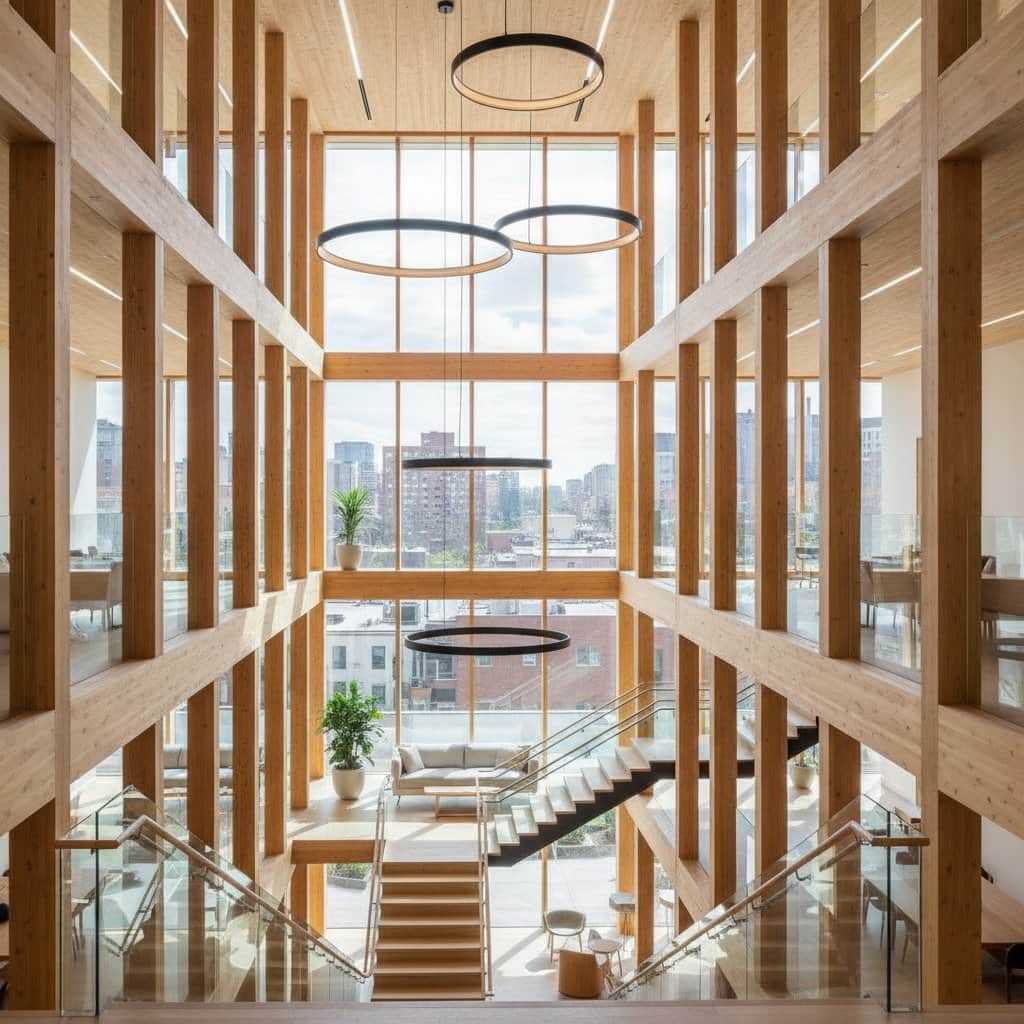
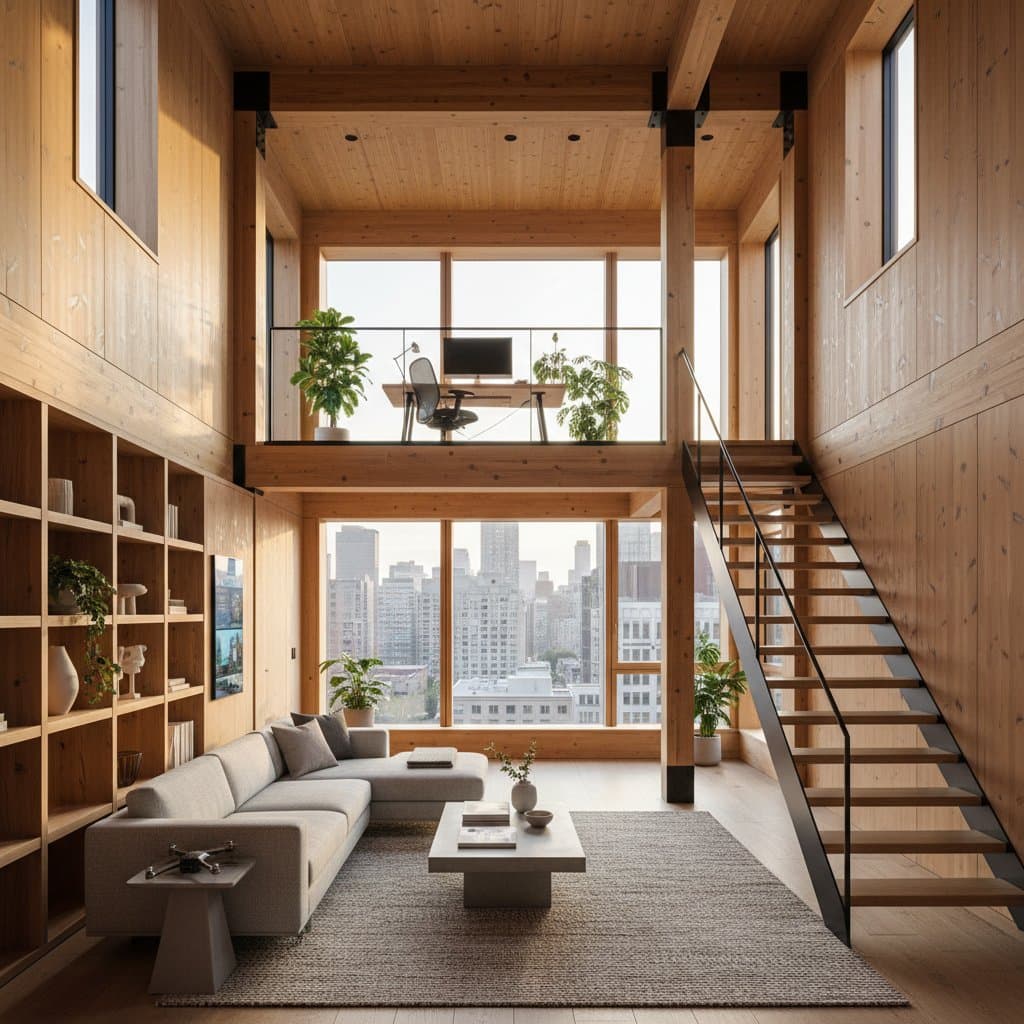
I recently stood in a nearly finished apartment building made almost entirely of timber. The air smelled faintly of pine. Sunlight filtered through the tall frame. The space felt warm in a way concrete never quite manages.

What Makes Mass Timber So Different

At its core, mass timber uses engineered wood panels, often called cross-laminated timber or CLT, to create structural walls, floors, and roofs. These panels are made by layering boards in alternating directions. This process gives them impressive strength and stability. The result is a material that can compete with steel and concrete in multi-story buildings, yet feels far more natural and calming.

The appeal lies in how mass timber blends sustainability with design warmth. Wood stores carbon. This makes it an environmentally friendly choice. It also brings a texture and light quality that many people crave in modern living spaces. Whether you are dreaming of a new home or a small apartment renovation, this material adds a grounded, human touch to every surface.

Why Builders Are Turning to Timber

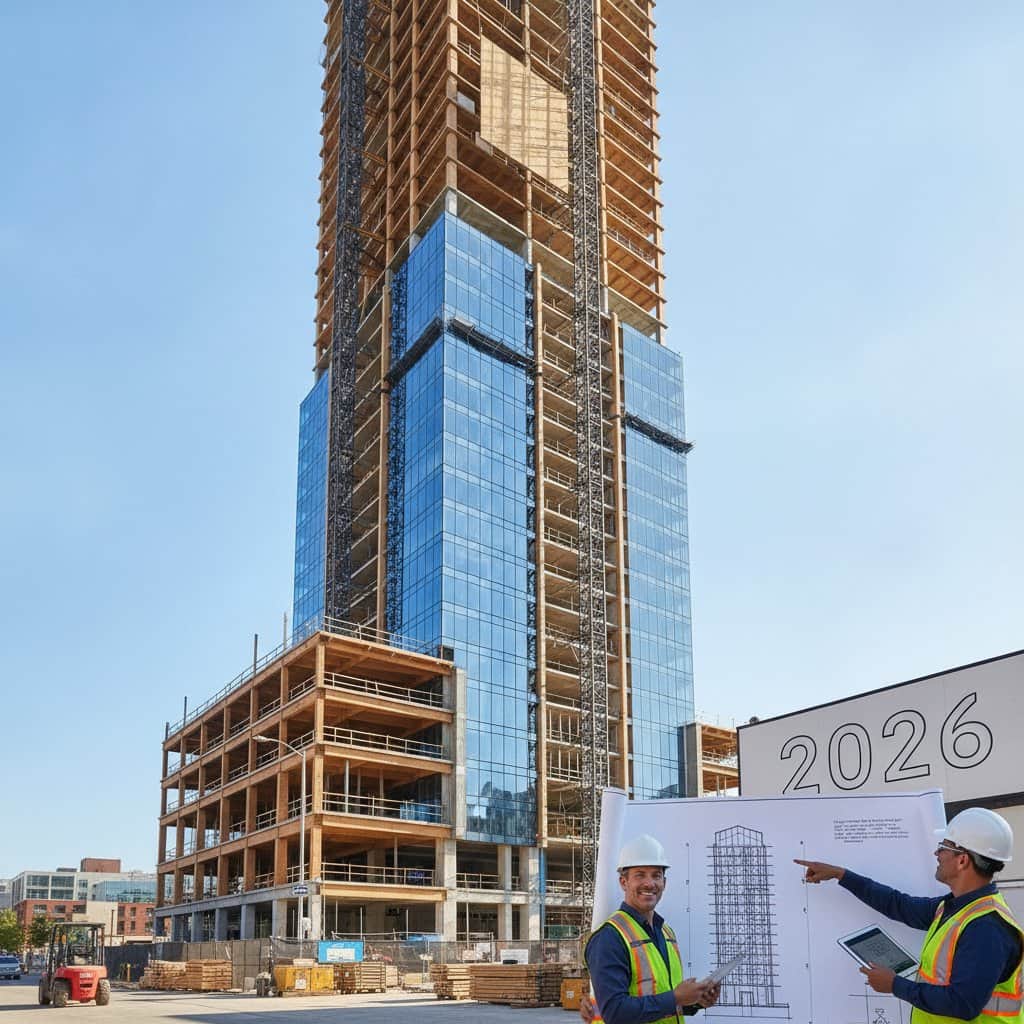
Several builders are exploring mass timber for its speed and simplicity. Prefabricated panels can be cut off-site and assembled quickly. This reduces both waste and noise in dense neighborhoods. Imagine walking by a construction site that smells like freshly cut wood instead of diesel fumes.

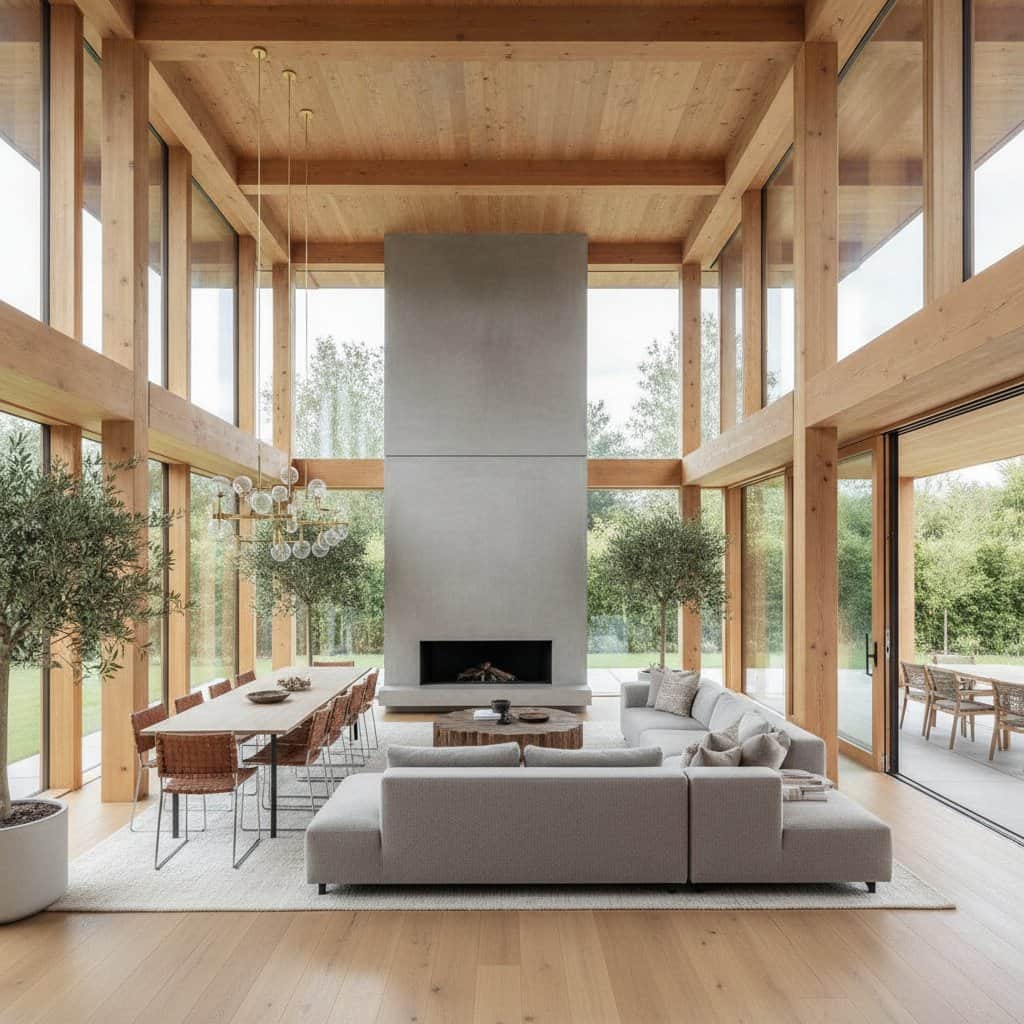
From a design perspective, it allows for more creative interiors. Exposed timber ceilings or columns can replace the need for extra finishes. This saves both cost and time. Timber also works beautifully with other natural textures like stone, clay plaster, or wool textiles. The combination creates interiors that feel layered and lived-in.

Balancing Beauty and Practicality

Of course, no material is perfect. Mass timber needs protection from moisture. Fire safety rules can require additional coatings or design adjustments. Builders often pair it with steel connectors or concrete bases to handle structural loads. Still, the overall environmental footprint is usually smaller. The finished spaces feel richer and more tactile.

For homeowners interested in this approach, it helps to think locally. Some regions now have suppliers producing CLT panels from nearby forests. This supports sustainable forestry and local jobs. Others are experimenting with hybrid systems that combine timber with recycled steel or low-carbon concrete. The key is to match the design to your climate, budget, and long-term maintenance comfort.

Experiencing the Benefits in Daily Life

What excites me most about mass timber is how it changes the atmosphere of a home. The walls seem to breathe. The acoustics are softer. The light has a golden warmth that deepens through the day. It is not just about building taller with wood. It is about creating healthier and more inviting spaces.

If you ever walk into a timber-built home, pause for a moment. Notice how the surfaces feel alive under your hand. That quiet sense of connection is what makes this material so special. As more builders adopt it, our multi-story homes might soon feel a little closer to nature, one wooden beam at a time.
You Might Also Like

Save $40K with a 2-1 Mortgage Buydown Strategy

Builder Buydowns Cut Your Rate for 1-3 Years

Building Homes That Can Weather Fire and Flood

Mass Timber High-Rises Reshape City Skylines by 2026

One Loan That Covers Construction and Your Mortgage

Tagged:

sustainable,materials,construction,building,mass,timber,mass-timber-construction,clt,2026,clt-building-2026

Recent Articles by Emily Lockwood

Image for Building Homes That Can Weather Fire and Flood

Building Homes That Can Weather Fire and Flood

May 21, 2026
Image for Why Hempcrete Walls Are Carbon-Negative Building Material

Why Hempcrete Walls Are Carbon-Negative Building Material

May 2, 2026
Image for DSCR Loans Focus on Property Income, Not Yours

DSCR Loans Focus on Property Income, Not Yours
April 29, 2026
Image for Mass Timber Buildings Store Carbon While Replacing Steel

Mass Timber Buildings Store Carbon While Replacing Steel

April 28, 2026
Image for Hempcrete Walls Going Mainstream in 2026

Hempcrete Walls Going Mainstream in 2026

April 26, 2026

Related: sustainable

Image for Hempcrete Walls Breathe Life Into Modern Homes

Hempcrete Walls Breathe Life Into Modern Homes

April 30, 2026
Image for Mass Timber Buildings Store Carbon While Replacing Steel

Mass Timber Buildings Store Carbon While Replacing Steel

April 28, 2026
Image for Concrete That Absorbs Carbon Instead of Releasing It

Construction Materials & Methods

Mass Timber Brings Warmth and Speed to Multi-Story Builds

Mass timber is redefining multi-story home construction with its strength, sustainability, and natural warmth. Using engineered wood panels like CLT, builders achieve faster, cleaner builds and beautiful, carbon-storing structures.

May 22, 2026

Why Hempcrete Walls Are Carbon-Negative Building Material

Hempcrete redefines eco-conscious construction through its carbon-negative properties, breathability, and longevity. Composed of hemp hurd, lime, and water, it forms walls that optimize temperature control, combat mold, and elevate indoor environments. With growing adoption, hempcrete positions itself as a cornerstone of green building practices by 2026.

May 2, 2026

Hempcrete Walls Breathe Life Into Modern Homes

Hempcrete redefines eco-conscious building in 2026 with its blend of hemp, lime, and water forming breathable, carbon-negative walls. These structures provide excellent temperature regulation, fire and mold resistance, and centuries-long durability. Professionals and residents value its comfort, adaptability, and sustainable qualities, positioning it as a cornerstone of resilient, thoughtful design.

April 30, 2026

Categories

Budgeting & Financing
Construction Materials & Methods
Construction Trends
Contractors & Project Management
Design & Floor Plans
Home Building Basics
Homeowner Tips & Maintenance
Inspections & Quality Checks
Renovation & Additions
Sustainability & Energy Efficiency
Concrete That Absorbs Carbon Instead of Releasing It
April 24, 2026
Image for Hempcrete Walls Breathe, Resist Fire and Mold Naturally

Hempcrete Walls Breathe, Resist Fire and Mold Naturally

April 24, 2026
Image for Mass Timber Brings Warmth and Carbon Storage to High-Rises

Mass Timber Brings Warmth and Carbon Storage to High-Rises

April 17, 2026

Hempcrete Walls Going Mainstream in 2026

Hempcrete, composed of hemp hurds, lime, and water, emerges as a carbon-sequestering material poised to redefine sustainable building by 2026. This lightweight, breathable option provides superior insulation and healthier living spaces. With evolving regulations and growing eco-demand, hempcrete delivers an organic aesthetic and practical benefits for modern homes.

April 26, 2026

Concrete That Absorbs Carbon Instead of Releasing It

Carbon-negative concrete captures CO2 during production, offering robust performance and tax credits for green builds. Ideal for homes and commercial spaces, it combines durability, design flexibility, and environmental impact reduction.

April 24, 2026

Hempcrete Walls Breathe, Resist Fire and Mold Naturally

Hempcrete revolutionizes construction through breathable walls that resist fire and mold, offering sustainable solutions for comfortable, carbon-storing homes built to endure.

April 24, 2026

ICFs Cut Energy Bills 60% With Concrete and Foam

Insulated Concrete Forms (ICFs) integrate the durability of concrete with advanced insulation to reduce home energy consumption by up to 60 percent. Although the initial investment exceeds traditional methods, ICFs provide substantial ongoing savings, improved comfort, and reduced noise. Discover how airtight seals, strategic design, and thermal mass contribute to the enduring efficiency of ICF construction for sustainable homes.

April 23, 2026

Hempcrete Walls Finally Approved in Building Codes

Hempcrete walls achieve formal building code approval in 2026, advancing sustainable building practices. This innovative, carbon-negative material enhances natural insulation, moisture control, and comfort, enabling seamless integration into mainstream eco-conscious architecture.

April 21, 2026

12 States Now Require Carbon-Neutral Concrete

Twelve states enforce carbon-neutral concrete requirements for public works, transforming construction practices. This guide details sustainable options that maintain performance, reduce costs over time, and position homes for future market demands in green building.

April 15, 2026

Biochar Concrete Locks Carbon Inside Your Home's Walls

Set to debut in 2026, carbon-negative homes incorporate biochar into concrete and insulation to sequester carbon permanently. These designs combine breathable interiors, energy-efficient features, and natural appeal, delivering lower emissions, enhanced durability, and meaningful environmental benefits.

April 1, 2026

Hempcrete Walls Lock Carbon While Fireproofing Your Home

Hempcrete walls transform sustainable construction with fireproof protection, carbon sequestration, and natural insulation. Composed of hemp, lime, and water, they maintain comfortable temperatures, deter mold, and improve air quality. Despite higher upfront costs, the enduring energy efficiency and environmental advantages position hempcrete as an ideal option for resilient, forward-looking residences.

March 31, 2026

Carbon-Negative Concrete Now Available in 12 States

Carbon-negative concrete revolutionizes building in twelve states by sequestering carbon during curing. This durable, attractive material matches traditional performance while advancing environmental goals for communities.

March 17, 2026

New Codes Allow Mass Timber Buildings Up to 18 Stories

Updated 2026 codes permit mass timber buildings up to 18 stories, revolutionizing sustainable high-rise development. Lighter and more eco-friendly than steel or concrete, these structures accelerate construction while demanding expertise in fire safety and design integration for optimal results.

March 16, 2026

Carbon-Neutral Concrete Cuts Emissions While You Build

Carbon-neutral concrete reshapes sustainable home design by 2026, combining strength, aesthetic appeal, and environmental benefits. Incorporating recycled materials and carbon-capture methods, this innovative option offsets production emissions and provides long-lasting, refined surfaces. Homeowners achieve modern, efficient interiors that prioritize sustainability without sacrificing style.

March 14, 2026

New Building Codes Help Homes Withstand Storms and Fires

The 2026 building codes elevate home durability with enhanced wind resistance, fire-resistant features, and robust structural designs. Innovations such as impact-resistant windows and ember-proof vents enable homeowners to construct secure, enduring residences. Understand how advanced materials, strategic planning, and targeted modifications foster protection and tranquility amid environmental challenges.

March 13, 2026

Hempcrete Earns Code Approval for Green Building

Hempcrete achieves code approval, advancing sustainable building. Composed of hemp, lime, and water, it provides insulation, moisture control, and carbon sequestration. This milestone enables builders to deliver energy-efficient, comfortable spaces that meet modern standards.

March 13, 2026

Hempcrete Gets Building Code Approval for Legal Use

The approval of hempcrete under building codes represents a significant advancement in sustainable construction practices. Composed of hemp hurds, lime, and water, this material delivers breathability, carbon-negative properties, and effective insulation. With this legal recognition, builders gain the confidence to integrate hempcrete into projects, shifting eco-friendly building toward widespread adoption and environmental benefits.

March 12, 2026

Hempcrete Now Legal in 15 More States for Building

Hempcrete, a sustainable building material derived from hemp, lime, and water, gains legal status in 15 more states. This development enables local production, reduces expenses, and promotes energy-efficient designs. As a durable, mold-resistant option, hempcrete advances carbon-negative construction for modern homes.

March 12, 2026

Hempcrete Walls Absorb Carbon While They Insulate

Hempcrete redefines sustainable construction by delivering breathable, carbon-negative walls that offer natural insulation and enduring appeal. Builders increasingly turn to this hemp-lime composite for its robustness, indoor comfort, and aesthetic versatility. As education programs grow and pricing stabilizes, industry forecasts indicate a significant expansion in hempcrete applications by 2026.

March 10, 2026

Mass Timber Brings Warmth and Carbon Storage to Apartments

Mass timber redefines multi-family high-rises through sustainable engineering, natural aesthetics, and efficient building processes. This material enables lighter frameworks, lower emissions, and interiors that foster a sense of warmth and connection to nature. By 2026, urban developments increasingly adopt mass timber to balance innovation with environmental responsibility.

March 8, 2026