Understanding Cross-Laminated Timber
Cross-laminated timber, or CLT, consists of layers of lumber glued together in alternating directions to form strong, stable panels. Engineers design these panels to rival steel and concrete in performance while providing natural warmth to interiors. Manufacturers produce CLT from sustainably sourced wood, often certified by forestry standards, which reduces the overall environmental footprint of construction projects.
In urban contexts, CLT panels arrive prefabricated at sites, allowing crews to assemble buildings like giant puzzles. This method contrasts with traditional pours of concrete that demand extensive on-site labor and curing time. As cities prioritize green building practices, CLT emerges as a viable alternative for mid- and high-rise developments.
The Milestone of 18-Story CLT Towers
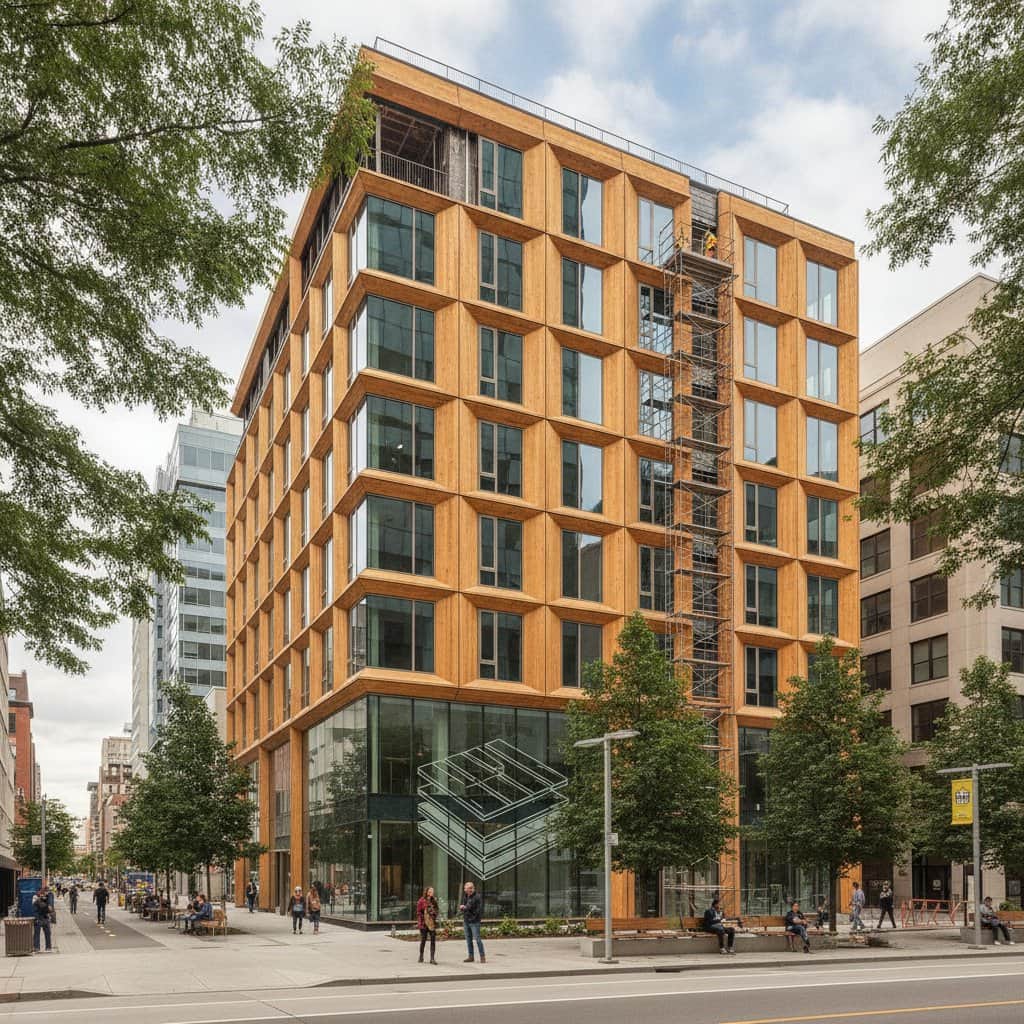
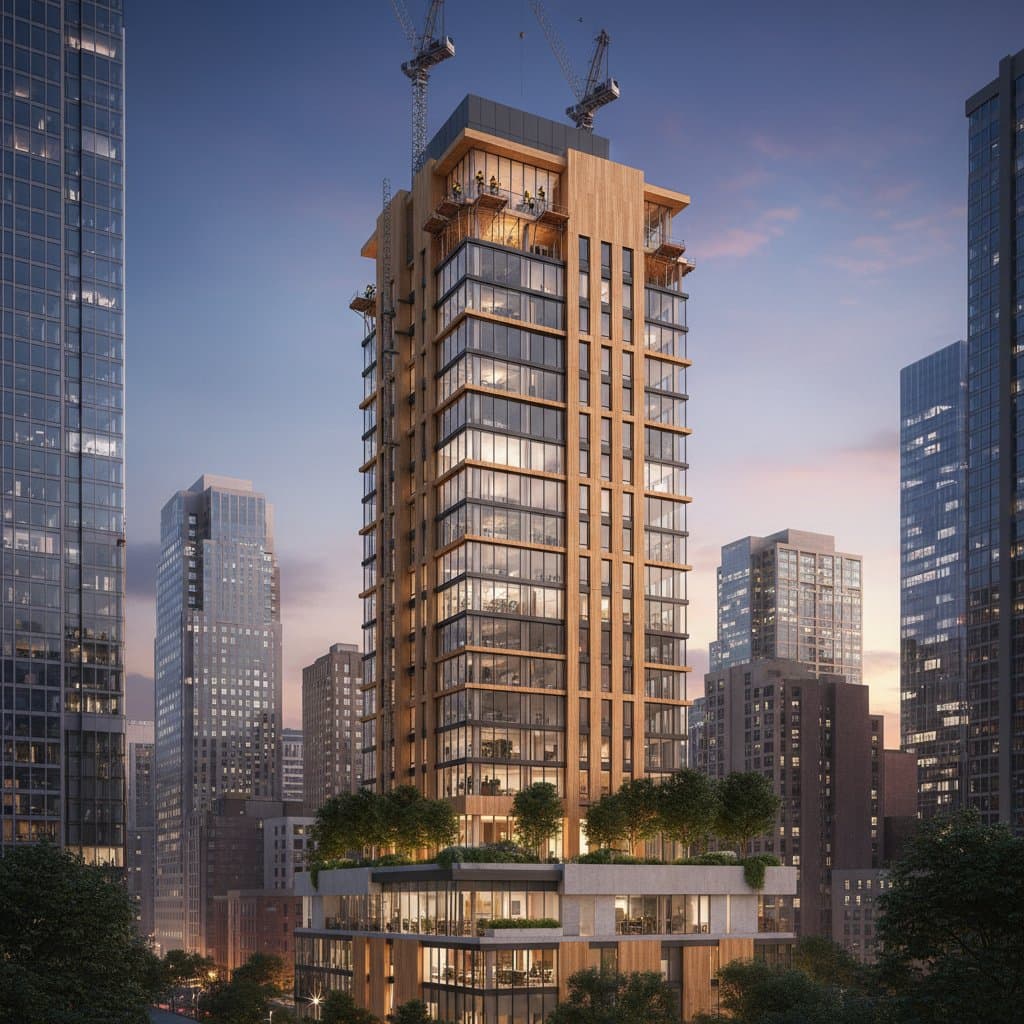
Recent projects demonstrate CLT's capability in tall structures. For instance, a residential tower in Portland, Oregon, stands at 18 stories, fully constructed from mass timber elements. Architects integrated CLT walls, floors, and roofs, achieving a sleek, modern facade that blends with the city's progressive aesthetic.
Another example appears in Milwaukee, Wisconsin, where a mixed-use building reaches similar heights using hybrid systems. Here, CLT combines with concrete cores for added stability against wind loads common in urban areas. These towers not only test engineering limits but also showcase how mass timber adapts to dense, vertical environments.
Construction timelines for these projects shorten dramatically. Teams erect the Portland tower in months rather than years, minimizing disruptions to surrounding neighborhoods. Such efficiency appeals to developers facing tight schedules and rising labor costs.
Key Benefits Driving Adoption
Sustainability stands at the forefront of CLT's appeal. Wood sequesters carbon during growth, and CLT buildings maintain that storage throughout their lifespan. Compared to steel-framed high-rises, mass timber structures emit up to 45 percent less carbon during production and assembly.
Speed of construction provides another advantage. Prefabricated CLT components enable parallel workflows: factories produce panels while site preparation occurs. This approach cuts overall project duration by 30 percent or more, allowing earlier occupancy and revenue generation for owners.
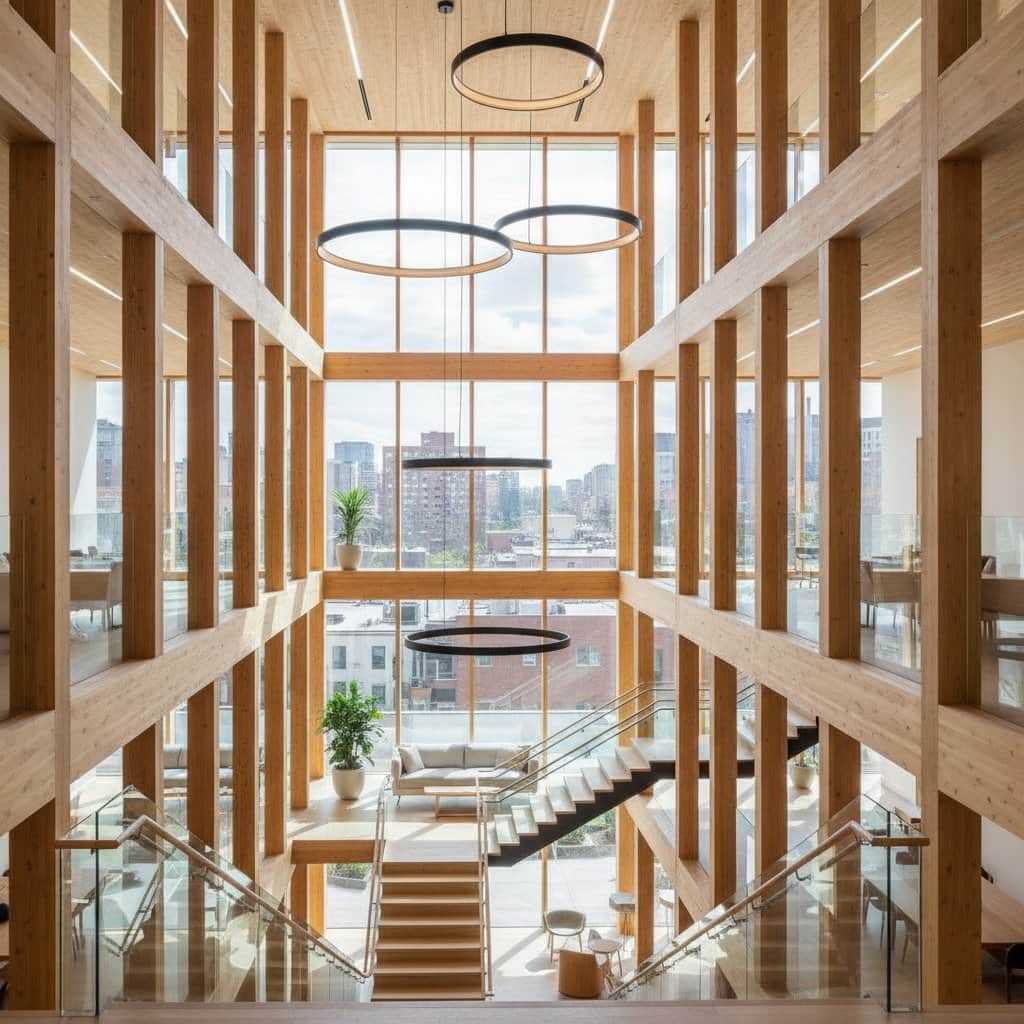
Aesthetic and occupant benefits enhance CLT's value. The material's natural grain creates inviting spaces that improve well-being, as studies link wood interiors to reduced stress levels. In urban towers, large glass windows paired with CLT framing maximize natural light, fostering vibrant community hubs.
Economically, CLT often proves cost-competitive. Initial material expenses align with conventional options, but savings accrue from faster builds and lower energy demands. Insulated wood panels reduce heating and cooling needs, yielding long-term operational efficiencies.
Navigating Challenges in Urban Implementation
Building codes historically limited timber to low-rise applications due to fire and seismic concerns. Recent updates in regions like the United States and Europe now permit mass timber up to 18 stories, backed by rigorous testing. Fire-retardant treatments and encapsulation techniques ensure CLT meets safety standards without compromising structural integrity.
Seismic performance requires careful design. Engineers employ ductile connections and bracing systems to absorb earthquake forces. In high-risk zones, hybrid designs incorporate concrete or steel elements strategically, balancing timber's lightness with proven resilience.
Supply chain logistics pose hurdles in urban settings. Sourcing large volumes of quality lumber demands reliable forestry partnerships. Developers mitigate this by selecting regional suppliers, which also lowers transportation emissions and supports local economies.
Innovations Propelling Mass Timber Forward
Hybrid construction methods evolve rapidly. Projects now layer CLT with glulam beams for enhanced load-bearing capacity, enabling even taller structures. Digital tools like building information modeling (BIM) optimize designs, predicting performance under various loads and streamlining fabrication.
Research institutions advance material science. New adhesives improve moisture resistance, crucial for humid climates. Acoustic enhancements address noise transmission in dense cities, ensuring quiet living spaces within towering developments.
Policy support accelerates progress. Incentives such as tax credits for green materials encourage adoption. Municipalities in Vancouver and London integrate mass timber mandates into zoning laws, guiding future skylines toward sustainability.
Realizing Sustainable Urban Growth
CLT towers at 18 stories mark a pivotal shift in high-rise construction. Developers gain tools to build faster, greener, and more affordably, meeting the demands of growing populations. Architects envision cities where wood-framed icons stand alongside glass and steel, harmonizing nature with progress.
For stakeholders, the path forward involves collaboration among builders, regulators, and suppliers. Embracing CLT not only addresses climate goals but also enriches urban life with durable, beautiful structures. As these towers multiply, they pave the way for a built environment that prioritizes planetary health and human comfort.