Why Hempcrete and Ashcrete Are Gaining Mainstream Traction
Picture entering a home where fresh air circulates naturally and walls maintain a stable, comfortable temperature. This sensation arises from materials that harmonize with the environment. An initial encounter with a hempcrete structure revealed this subtle yet profound shift, prompting a reevaluation of conventional building practices.
Challenges of Conventional Concrete
Concrete serves as a foundational element in construction due to its reliability and availability. However, its production demands substantial energy and generates significant carbon emissions. The process often involves visible dust and strong odors during pouring, highlighting the environmental and economic toll.
Rising environmental concerns have spurred interest in alternatives that match performance while minimizing impact. Hempcrete and ashcrete stand out as practical options, gaining trust among builders and homeowners for their proven efficacy.
Emerging Alternatives in Sustainable Building
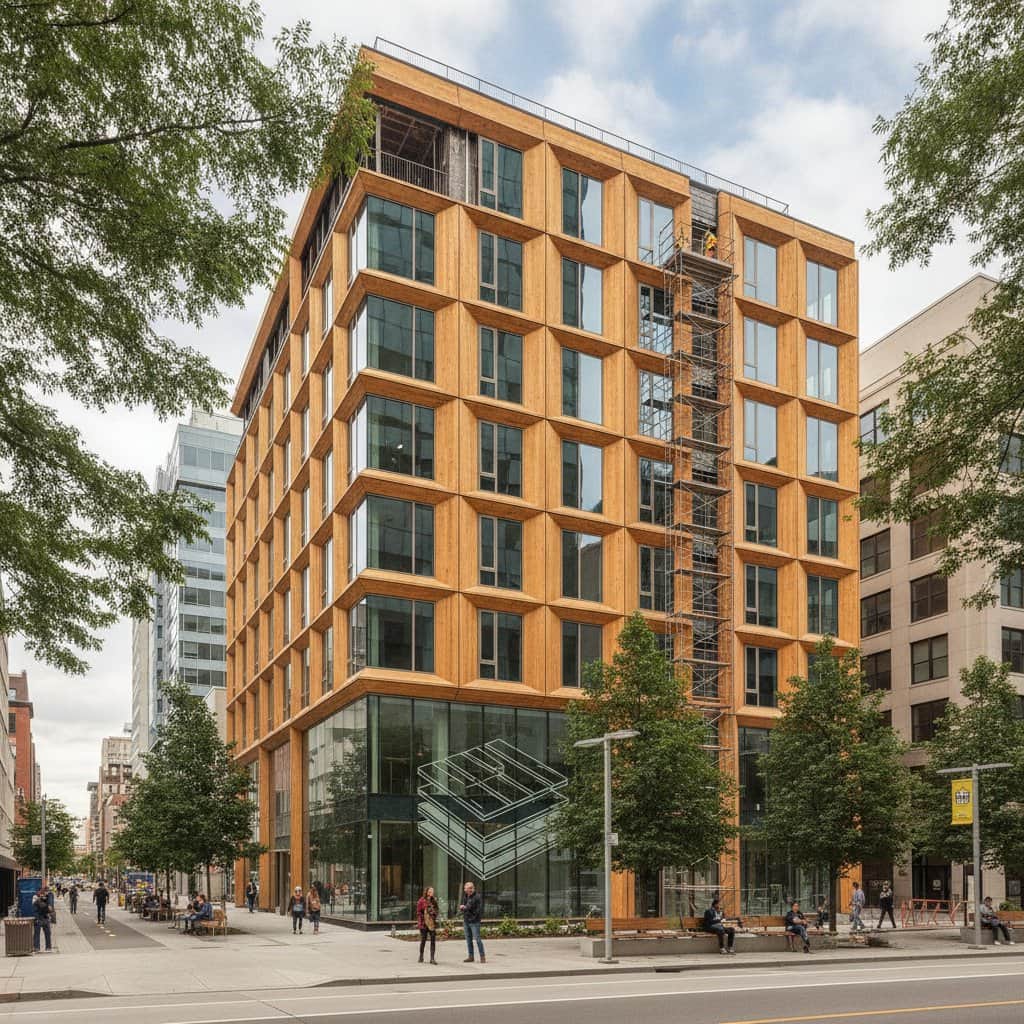
Hempcrete and ashcrete represent a broader movement toward efficient, eco-friendly construction. These materials minimize waste by incorporating natural fibers or industrial byproducts and integrate seamlessly with existing techniques. Builders appreciate the flexibility without requiring complete overhauls of standard procedures.
Key Features of Hempcrete
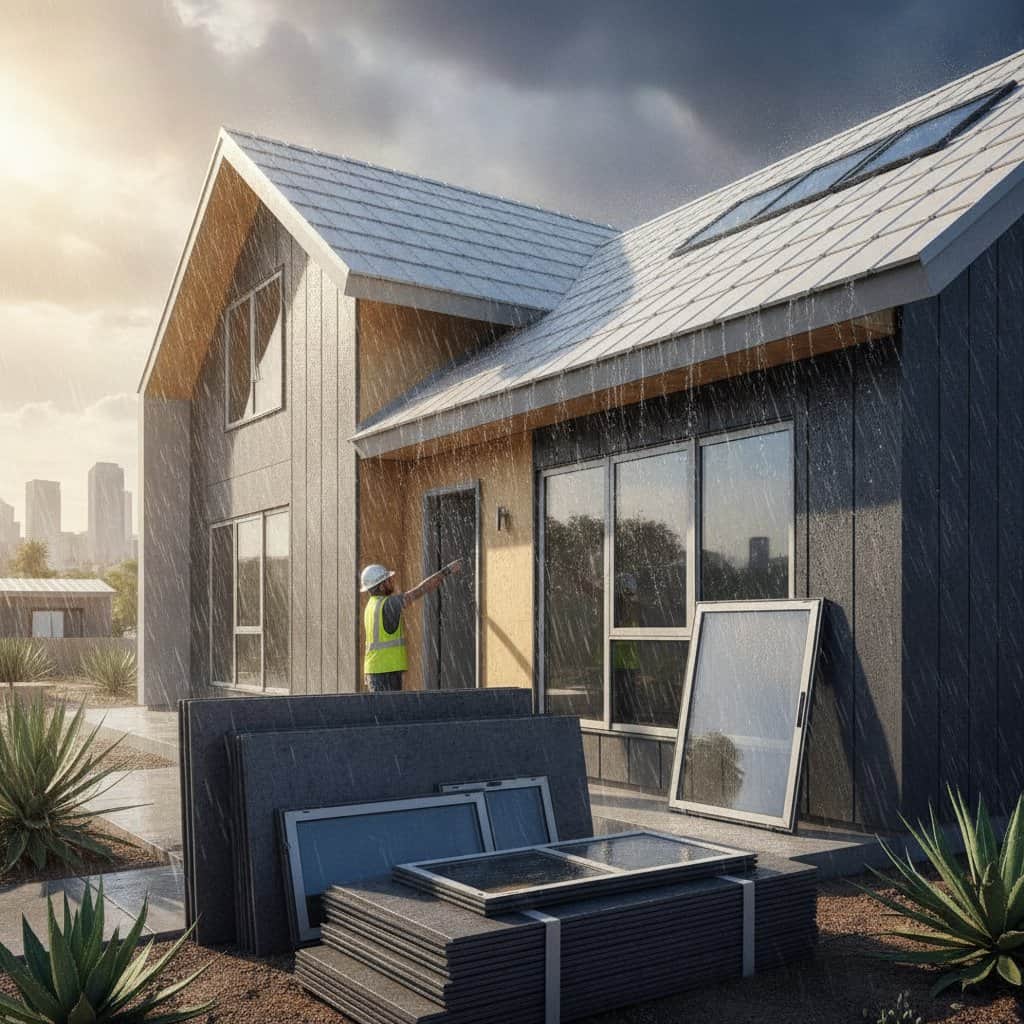
Hempcrete consists of the hemp plant's inner woody core combined with a lime binder and water. Upon curing, it forms lightweight, permeable blocks that manage indoor humidity effectively. During installation in a compact studio, the material demonstrated its ability to stabilize air quality and lessen reliance on artificial climate control. The texture feels yielding yet structurally sound.
Benefits of hempcrete:
- Superior thermal insulation for consistent indoor comfort across seasons
- Inherent resistance to mold and insects
- Enhanced fire resistance from the lime components
- Carbon sequestration during hemp growth, resulting in net-negative emissions
Considerations for use:
- Extended curing periods relative to standard concrete
- Requirement for additional support in load-bearing applications
Despite these factors, hempcrete excels in non-structural roles such as interior partitions, insulation layers, and timber-frame infills.
Advantages of Ashcrete in Practice
Ashcrete innovates by substituting a large portion of cement with fly ash, a residue from coal power plants typically destined for disposal. This composition yields a robust, refined surface comparable to traditional concrete but with reduced reliance on raw cement.
Advantages of ashcrete:
- Waste diversion through industrial byproduct utilization
- Lower water needs in the mixing phase
- Improved strength over time and resistance to cracking
- Economical pricing per volume versus pure cement formulations
In a patio installation, ashcrete cured evenly, displaying a subtle earthy hue that enhanced aesthetic appeal at a modest expense. Suppliers such as EcoMix and GreenBuild Materials provide pre-mixed ashcrete for straightforward delivery and application, accessible to professionals and independent builders alike.
Assessing Costs and Upkeep
Hempcrete and ashcrete deliver long-term financial benefits through reduced energy demands and extended durability. Hempcrete lowers utility bills for climate control, and ashcrete resists degradation better than conventional mixes. Initial expenses align with moderate-grade concrete, although hempcrete may incur a premium from supply constraints; operational savings typically offset this within years.
Maintenance proves straightforward for both. Apply breathable lime plaster to hempcrete surfaces to preserve moisture balance, avoiding impermeable coatings. Seal ashcrete like regular concrete to guard against stains, and use mild, natural cleaners for routine care on either material.
Availability and Market Trends
Regional suppliers stock hemp hurds and lime binders, while concrete facilities mix fly ash blends upon order. Demand surges in regions with stringent eco-regulations, prompting more builders to adopt these options. Community initiatives and workshops often showcase their applications; consult experienced local contractors to gauge familiarity before project commencement.
Integrating These Materials into Your Build
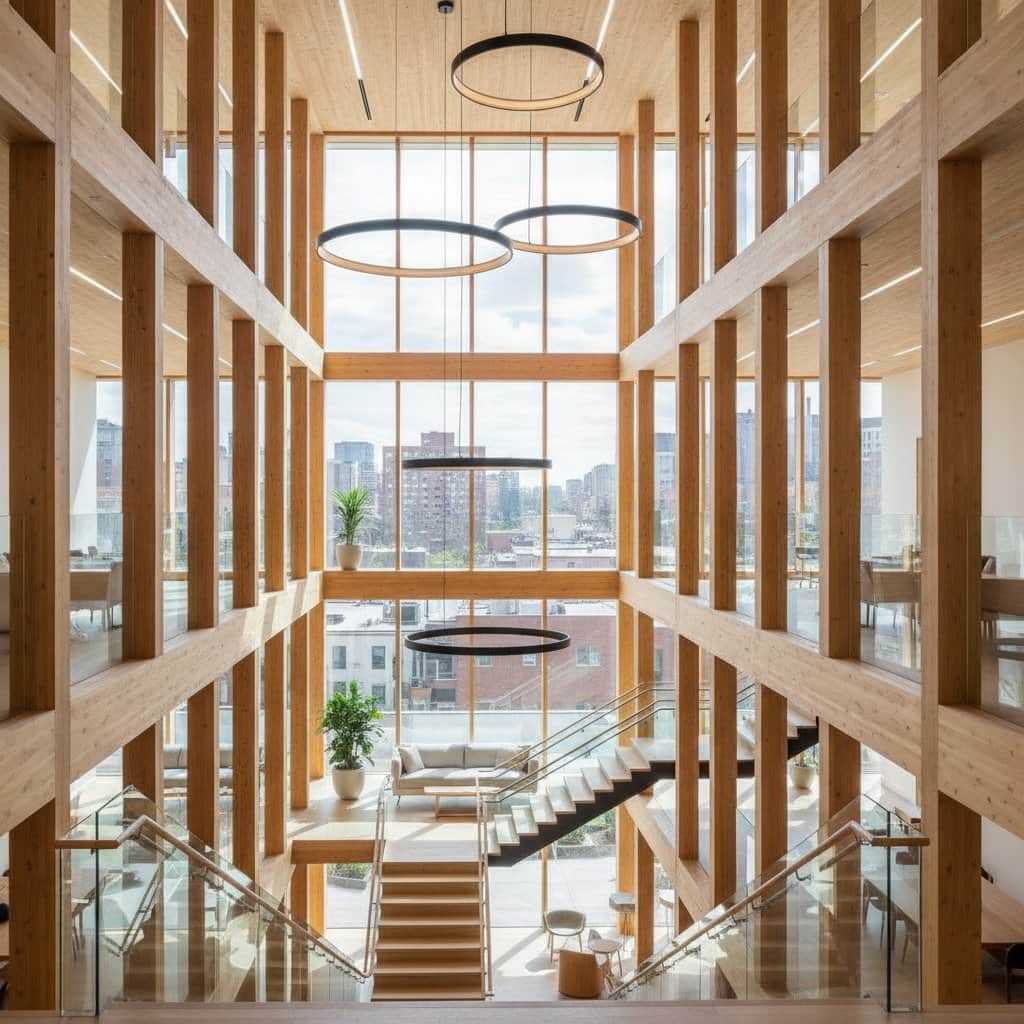
Adopting hempcrete or ashcrete enhances daily living through improved air purity, even temperatures, and simplified upkeep. The result is a living space that supports well-being naturally. For those embarking on renovations or new constructions, incorporate these elements strategically, perhaps beginning with a single wall or outbuilding to assess performance firsthand.