Why Mass Timber Tops Builders' 2026 Choices
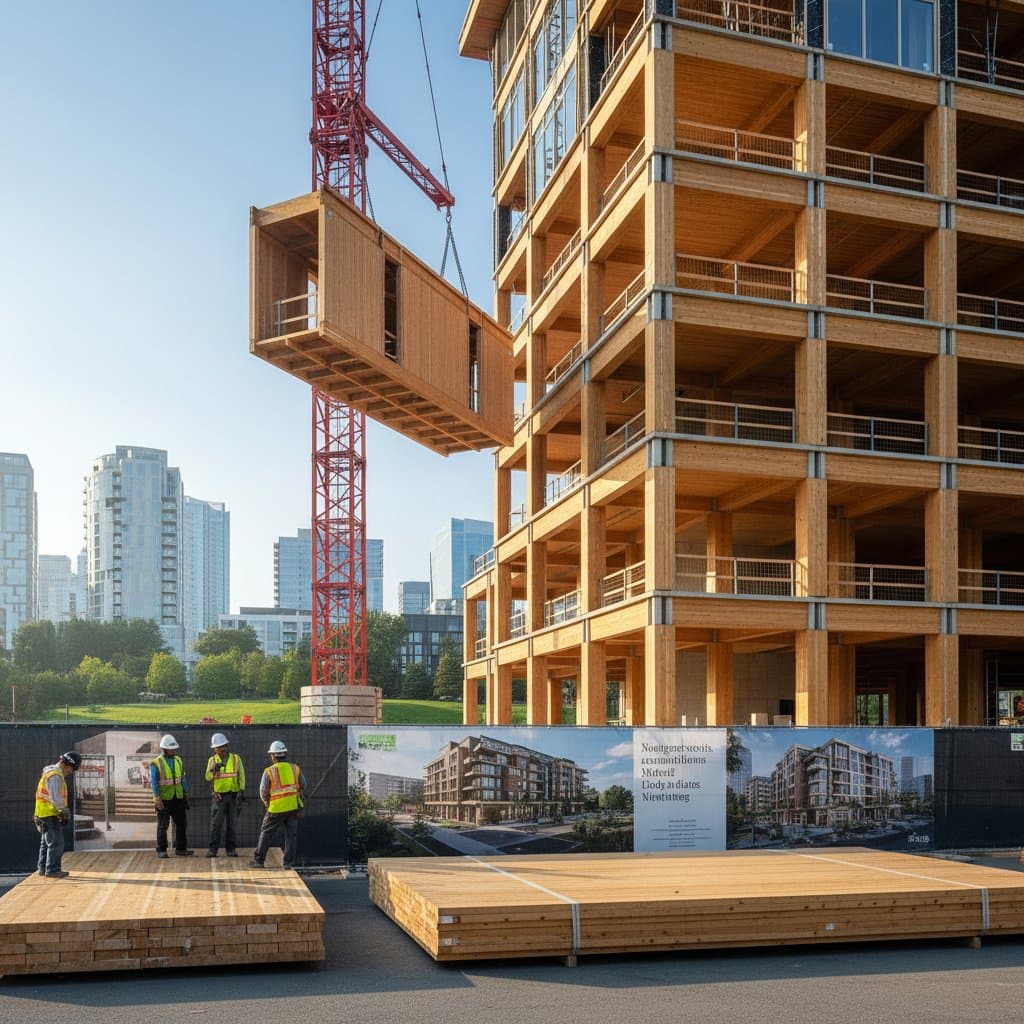
Imagine walking into a half-built structure where the air carries the faint scent of pine rather than concrete dust. Light filters through unfinished rafters, highlighting the warm grain of wood panels. This scene evokes a sense of calm, as if a forest is transforming into a building. Mass timber delivers this experience and is rapidly gaining favor on construction sites worldwide.
The first visit to a mid-rise project using cross-laminated timber reveals notable differences. Crews operate with unusual speed, and the site remains quieter than typical. These advantages extend beyond aesthetics to include efficiency, sustainability, and innovative craftsmanship that integrates nature into building practices.
The Opportunity for Builders and Designers
Builders have long balanced cost, environmental responsibility, and performance in their projects. Steel and concrete remain dominant, but each carries a substantial carbon footprint and demands extended curing or fabrication periods. Homeowners and developers increasingly seek greener alternatives that maintain strength and visual appeal.
Mass timber addresses these needs precisely. It provides the structural integrity of steel with far less embodied carbon. Construction proceeds more quickly, sites stay cleaner, and interiors gain a naturally inviting quality. Professionals seeking to merge craftsmanship with sustainability find this material ideal.
What Exactly Is Mass Timber
Mass timber consists of engineered wood productssmaller lumber pieces into large, strong panels or beams. These components differ from standard two-by-fours. They serve as structural elements capable of spanning significant distances, bearing heavy loads, and complying with fire and seismic regulations.
Common types include:
- Cross-Laminated Timber (CLT): Layers of lumber arranged at right angles to enhance strength and stability.
- Glue-Laminated Timber (Glulam): Boards laminated into long beams, suitable for columns or curved elements.
- Nail-Laminated Timber (NLT): Dimensional lumber fastened with nails, commonly applied in floors or walls.
Each variant suits specific applications, yet all enable wood to perform with greater efficiency and intelligence.
Why Builders Are Choosing Mass Timber
1. Speed and Precision on Site
Mass timber panels undergo prefabrication off-site based on digital designs. Upon delivery, they assemble like interlocking puzzle pieces. Entire floors can rise in days instead of weeks. This approach minimizes weather disruptions and lowers labor expenses, as observed in projects where three-story additions outpace scaffolding installation.
2. A Smaller Carbon Footprint
Wood naturally sequesters carbon, retaining it throughout the building's lifespan. Emissions from mass timber pale in comparison to those from concrete or steel. Projects adopting this material achieve swift reductions in overall carbon output. Developers leverage these metrics to appeal to environmentally aware clients.
3. Design Freedom and Warmth
Mass timber allows architects to expose structural elements without additional coverings. Ceilings reveal natural grain patterns, and walls display warm, honey-toned hues. These features foster serene, organic spaces suitable for commercial or multi-unit environments. In residential applications, such as kitchen remodels, light interacts with the wood surface in ways that surpass painted alternatives.
4. Quiet and Clean Construction
Timber components weigh less than concrete or steel equivalents, reducing the need for heavy machinery. Construction sites appear neater and generate less noise. This benefits urban or residential areas, where disturbances might otherwise delay work through complaints.
The Technical Edge
Current building codes affirm mass timber's robustness and fire resistance. Large wood panels char externally, creating a barrier that retards combustion. This mechanism preserves structural stability longer than exposed steel in various fire scenarios.
Acoustic performance proves strong with appropriate underlayments and joint treatments, satisfying rigorous sound transmission standards. Thermally, wood offers inherent insulation, which decreases energy requirements for heating and cooling systems.
Cost and Practical Considerations
Initial costs for mass timber may not represent the lowest option, but overall project expenses frequently even out. Accelerated assembly reduces equipment rental durations and overtime payments. Panels arrive installation-ready, minimizing material waste.
Typical costs depend on location and design intricacy, but general estimates include:
- Material costs: Comparable to mid-range steel framing, occasionally higher per square foot.
- Labor savings: Build times shorten by up to twenty percent.
- Finishing costs: Often lower, as exposed wood obviates drywall or ceiling treatments.
Certified installers must handle timber connections, moisture management, and fire protections. Training programs from local building associations or timber councils facilitate access to skilled teams. For procurement, regional mills supply CLT or glulam from sustainably harvested sources. Pacific Northwest facilities provide certified options, while Northeast operations cater to custom residential needs. Local sourcing bolsters economies and cuts transport-related emissions.
Maintenance and Longevity
A properly detailed mass timber structure endures for generations. Essential practices involve shielding exposed edges from moisture accumulation and applying permeable finishes that permit natural drying. Inspections focus on sealants and joints, requiring minimal effort.
Interior upkeep remains simple. Routine dusting or wiping preserves surface freshness. Tools like long-handled dusters suit exposed beams, particularly on darker finishes prone to visible particles. These tasks consume little time while maintaining the wood's luster.
Safety and Comfort
Concerns about fire, moisture, and indoor quality arise frequently among builders. Evidence provides confidence in each area.
- Fire: Thick sections char in a controlled manner, delaying collapse.
- Moisture: Kiln-dried panels incorporate seals, with barriers at bases and roofs.
- Comfort: Wood regulates humidity and promotes a balanced indoor atmosphere.
Occupants in mass timber buildings report enhanced quietness and relaxation. Sound absorption paired with warm aesthetics appears to alleviate stress, driving its adoption in educational, professional, and housing developments.
A Shift in Design Thinking
Mass timber reshapes structural conceptions. Designers now highlight rather than conceal frameworks. Renewability and carbon sequestration supplant reliance on concrete. Builders acquire new techniques yet expand their project versatility.
Initial adoption might suggest creative constraints, but experience reveals the contrary. Exposed joinery and fluid layouts emerge as modern yet rooted expressions. Working with a renewable resource yields profound satisfaction.
Making It Happen
To incorporate mass timber in an upcoming project, consult an architect or engineer versed in its use. Early assessments cover load capacities, spans, and compliance needs. Touring a finished example offers insights beyond documentation.
Hybrid approaches suit modest scales, blending timber cores with steel links or concrete bases. Benefits in warmth and emissions persist without a complete system overhaul.
Embracing Timber's Lasting Impact
Mass timber transcends trends by linking construction to enduring craftsmanship and ecological stewardship. Its qualities resonate as both innovative and classic. As builders integrate it, future projects will elevate this material from choice to standard.