Understanding Hempcrete and Mycelium in Sustainable Building
Hempcrete emerges from a mixture of hemp hurds, lime, and water, creating a lightweight, bio-based concrete alternative. This material excels in thermal and acoustic insulation while allowing moisture to pass through walls, preventing mold and maintaining indoor air quality. Builders appreciate its carbon-negative properties, as hemp plants absorb more carbon dioxide during growth than the material emits in production.
Mycelium, the root structure of mushrooms, grows into a strong, lightweight composite when combined with agricultural waste like straw or sawdust. It binds organically, forming insulation panels or structural elements that decompose naturally at the end of their lifecycle. These fungal networks provide excellent fire resistance and pest deterrence without synthetic chemicals.
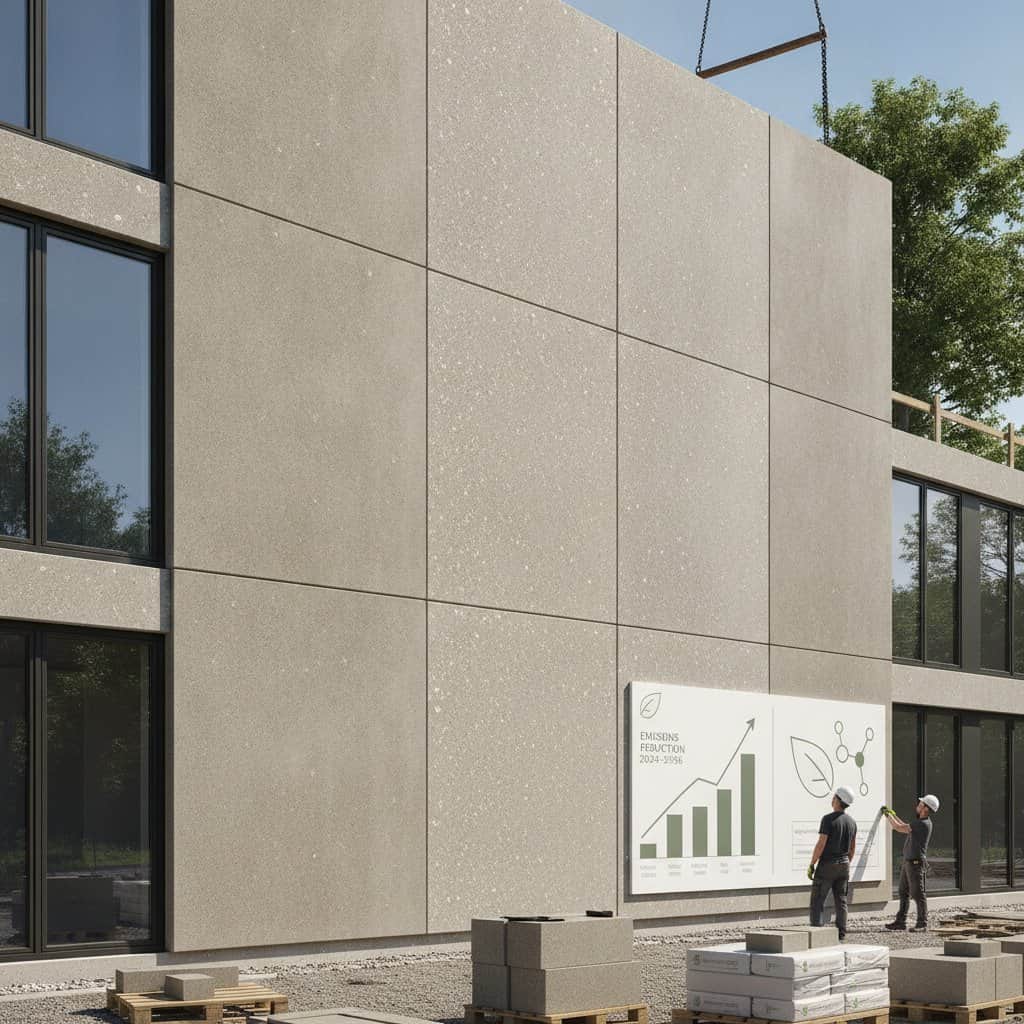
Both materials align with the principles of biophilic design, fostering connections between inhabitants and nature. They replace traditional concrete and foam insulations, which contribute significantly to global emissions. Homeowners gain structures that adapt to environmental changes, ensuring long-term resilience.
Key Benefits of Breathable Natural Materials
Breathability stands as a primary advantage, enabling walls to regulate humidity levels automatically. In humid climates, excess moisture evaporates through the material, while in dry conditions, it releases stored water vapor. This process mimics the way natural ecosystems balance their environments, leading to healthier living spaces free from damp-related issues.
Durability defines these materials' longevity. Hempcrete resists cracking under thermal expansion and requires no maintenance beyond occasional surface treatments. Mycelium composites withstand compression forces comparable to some engineered woods, offering structural integrity for non-load-bearing applications.
Environmental impact remains central to their appeal. Production of hempcrete sequesters carbon, with each cubic meter locking away approximately 100 kilograms of CO2. Mycelium grows rapidly in controlled settings, using minimal energy and resources, thus reducing the demand for virgin materials in construction.
How Hempcrete Enhances Home Performance
Hempcrete functions as an infill material in timber frames, providing insulation without the need for vapor barriers. Its R-value, a measure of thermal resistance, reaches up to 2.4 per inch, outperforming many mineral wools. Installers mix the components on-site, casting it into molds for custom wall thicknesses that optimize energy efficiency.
The material's density allows sound waves to dissipate, creating quieter interiors ideal for urban settings. Fire testing shows hempcrete chars slowly rather than burning, enhancing safety in residential builds. For retrofits, it fills cavities in existing walls, upgrading insulation without major disruptions.
Energy savings follow naturally from its properties. Homes with hempcrete walls maintain comfortable temperatures year-round, potentially lowering heating and cooling costs by 20 to 30 percent. This efficiency supports passive house standards, where minimal mechanical systems suffice for climate control.
Integrating Mycelium into Modern Construction
Mycelium panels form through a simple growth process: substrates inoculate with fungal spores and incubate for days in warm, dark conditions. Once mature, the material bakes or dries to halt growth, yielding rigid blocks ready for assembly. Architects use these for interior partitions, roofing underlays, or acoustic ceilings.
The material's low weight simplifies transportation and installation, reducing labor costs on job sites. It integrates seamlessly with other natural elements, such as clay plasters or recycled wood frames. Testing reveals mycelium's tensile strength supports lightweight structures, expanding its use beyond insulation.
Sustainability extends to end-of-life scenarios. Unlike plastics, mycelium biodegrades in soil within months, returning nutrients to the earth. This closed-loop approach minimizes waste, appealing to builders pursuing certifications like LEED or BREEAM.
Practical Steps for Incorporating These Materials
Assess your site's climate and building codes before selecting materials. Consult local experts to ensure compliance, as hempcrete may require specialized mix designs in seismic zones. Start with small-scale projects, such as garden walls, to gain hands-on experience.
Source quality hemp hurds from certified farms and lime from sustainable suppliers. For mycelium, partner with biofabrication labs that provide inoculated kits. Budget for initial testing, as material performance varies with local conditions.
- Design the structure with breathable layers in mind, avoiding impermeable membranes.
- Prepare the mix or growth medium according to manufacturer guidelines.
- Install in stages, allowing curing time for hempcrete or incubation for mycelium.
- Finish with natural renders that preserve vapor permeability.
- Monitor performance post-construction, adjusting as needed for optimal results.
Engage certified installers familiar with bio-based materials to avoid common pitfalls. Training programs offered by industry associations can equip teams with necessary skills. Document the process for future reference and potential incentives from green building programs.
Living Benefits and Future Outlook
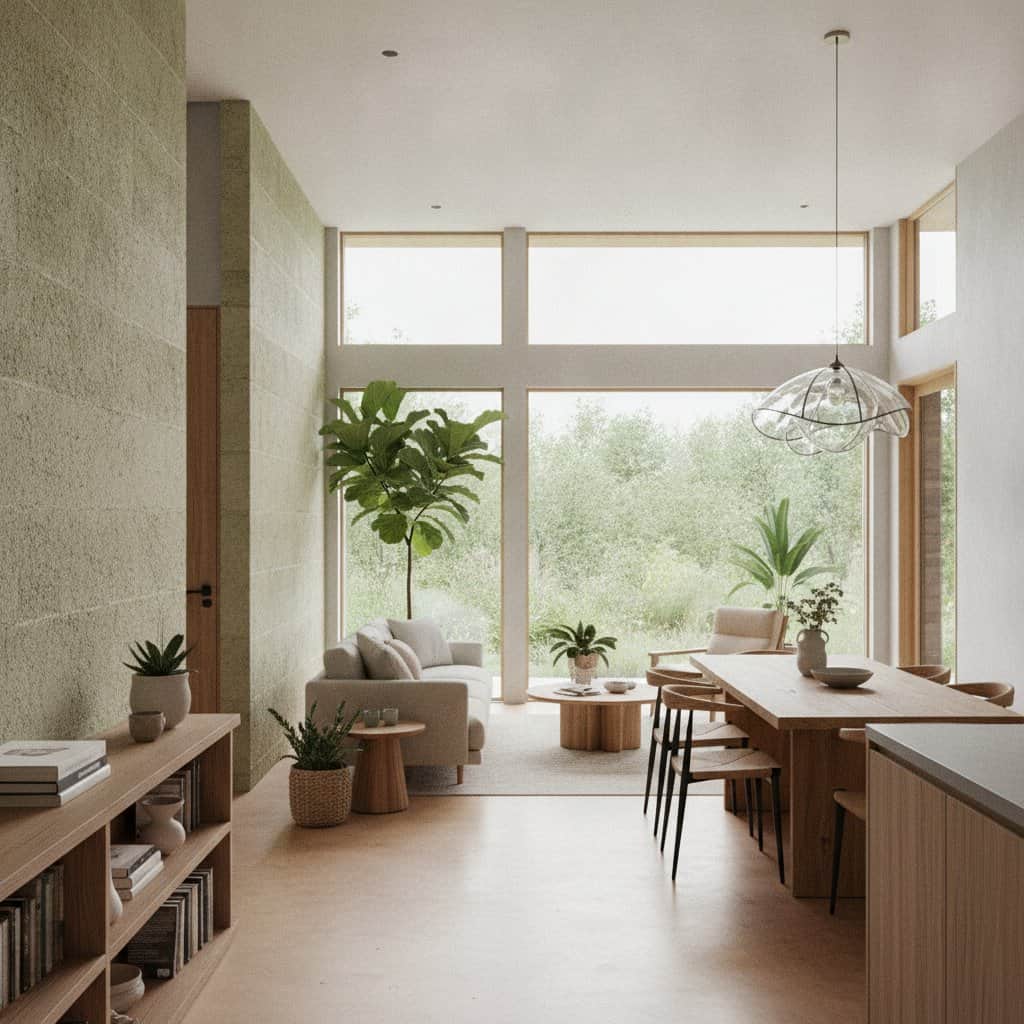
Residents in hempcrete and mycelium homes report improved well-being from superior air quality and thermal comfort. Allergens find fewer harbors in these porous structures, benefiting those with respiratory sensitivities. The natural aesthetics, with earthy textures and subtle scents, enhance psychological health.
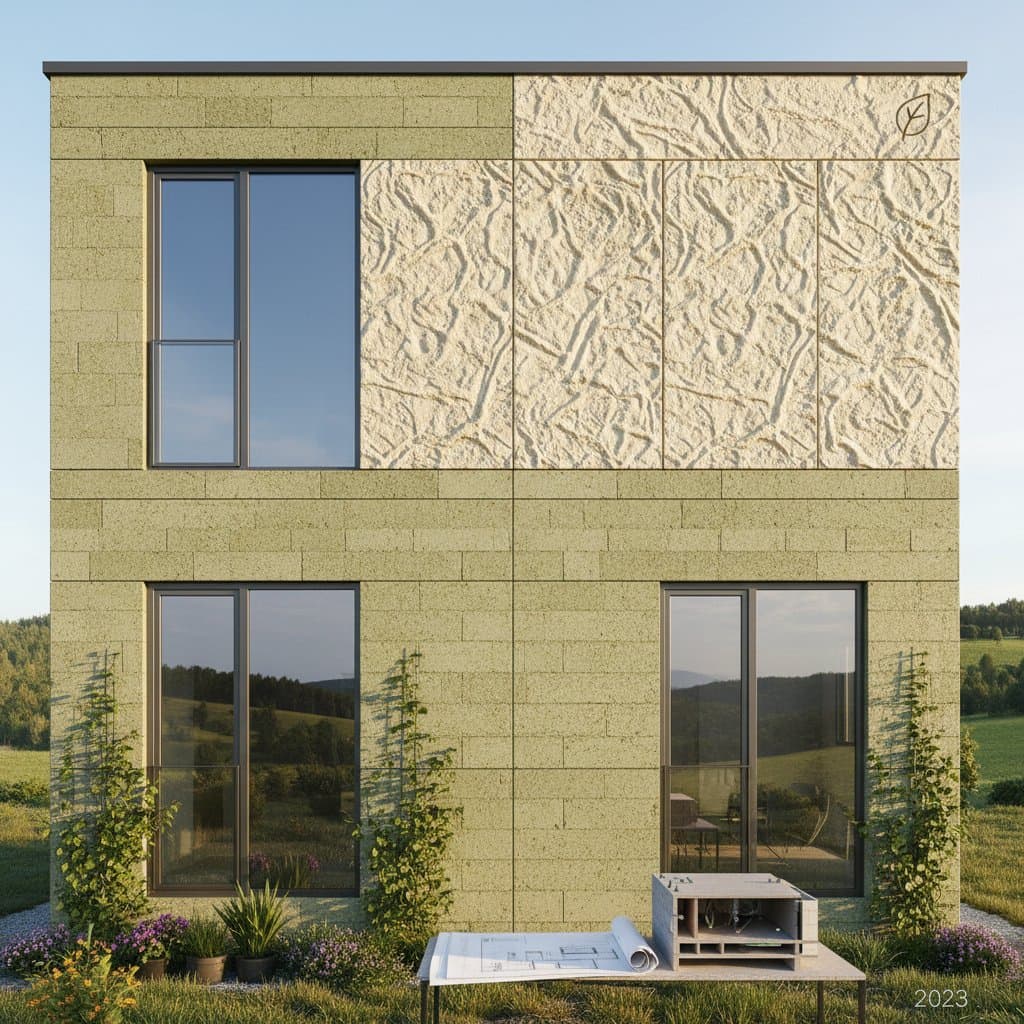
These materials pave the way for regenerative architecture, where buildings contribute positively to ecosystems. As research advances, hybrid applications combining hempcrete cores with mycelium facings promise even greater efficiencies. Communities adopting such innovations lead in creating resilient, low-impact habitats.
Embrace these natural alternatives to craft homes that support both planetary health and personal vitality. The shift begins with informed choices, yielding spaces that evolve harmoniously with their surroundings.