Quick Overview
- Hempcrete stands out as a carbon-negative construction material that combines durability with thermal comfort.
- Lighter than traditional concrete, it naturally manages indoor temperatures and sequesters carbon throughout its service life.
- Construction teams increasingly apply it to entire homes, moving beyond niche or prototype applications.
Understanding Hempcrete
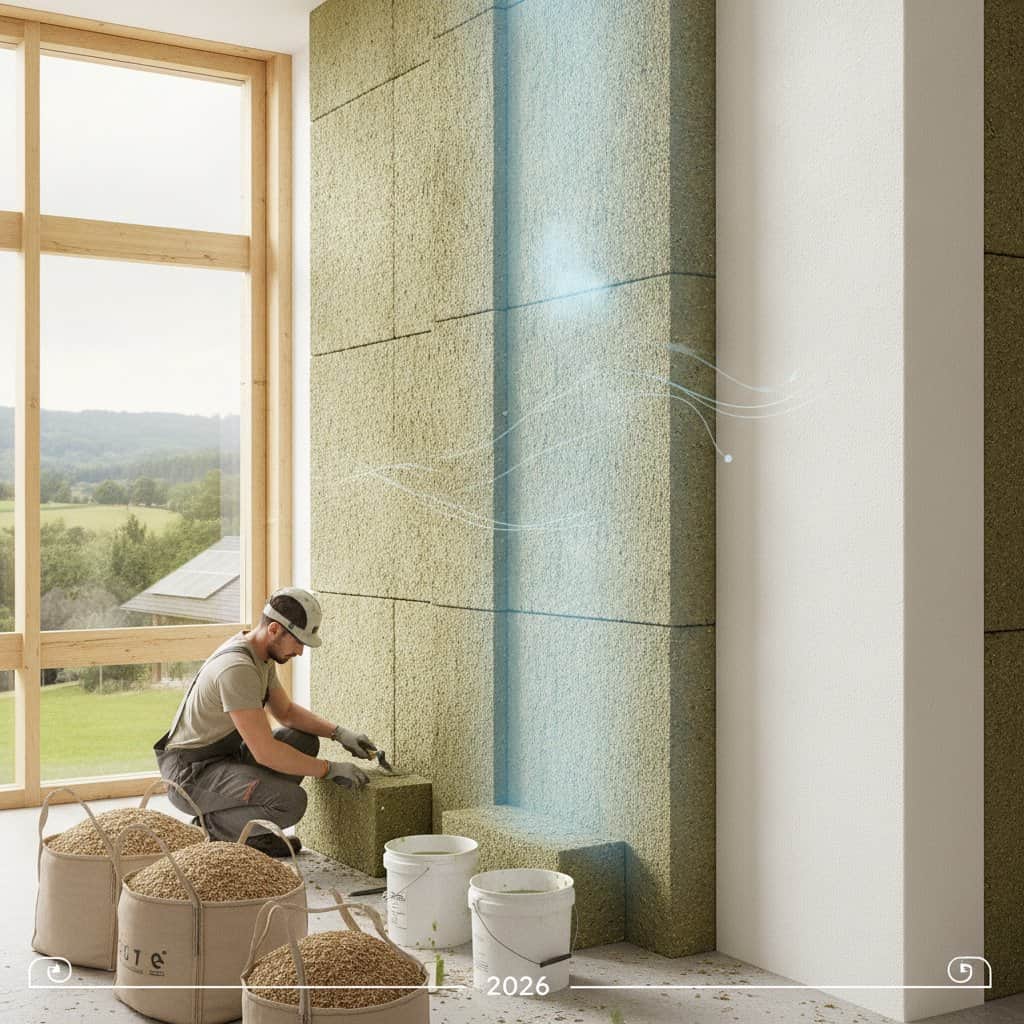
Hempcrete represents a distinct alternative to conventional wall systems. Builders create it by combining the inner woody core of the hemp plant, known as hurds, with lime and water. During the curing process, this mixture develops a solid yet permeable structure.
This composition prevents moisture accumulation, unlike traditional concrete, which can lead to issues such as trapped dampness. The breathable nature of hempcrete promotes healthy indoor air quality by allowing vapor to pass through the walls, thereby reducing the risk of mold growth and maintaining balanced humidity levels. Homeowners who have experienced problems with moisture-damaged interiors often find this feature particularly valuable.
Key Advantages:
- Achieves carbon-negative status by sequestering more CO2 than required for production.
- Resists fire and pests without additional treatments.
- Maintains consistent indoor temperatures and humidity for enhanced comfort.
- Lowers long-term heating and cooling expenses through natural insulation.
Essential Considerations for Hempcrete Construction
Approach hempcrete projects with an understanding of its unique properties, distinct from those of standard concrete. Professionals emphasize preparation and technique to maximize performance and avoid common pitfalls.
Allow Proper Curing Time
The lime in hempcrete reacts with atmospheric carbon dioxide to form a binding matrix, a process that requires several weeks. Accelerating this stage risks developing structural weaknesses or uneven hardening. Schedule construction phases accordingly to ensure full carbonation occurs before applying loads or finishes.
Select Compatible Finishes
Opt for permeable coatings that align with hempcrete's breathable characteristics. Materials such as limewash or clay-based plasters permit moisture exchange, preserving the wall's integrity. Avoid impermeable options like synthetic paints, which can trap vapor and lead to deterioration.
Account for Wall Dimensions
Hempcrete installations typically require thicker walls, often 12 to 18 inches, to achieve optimal insulation. Adjust designs for doors, windows, and structural elements to accommodate this depth. Precise measurements during planning prevent alignment issues and ensure seamless integration with other building components.
Engage Experienced Guidance
Collaborate with contractors familiar with hempcrete applications, even if the primary team possesses general expertise. Their insights into mixing ratios, application methods, and site-specific adaptations prove invaluable. This step minimizes on-site adjustments and supports a smooth project timeline.
Experiencing Life in a Hempcrete Home
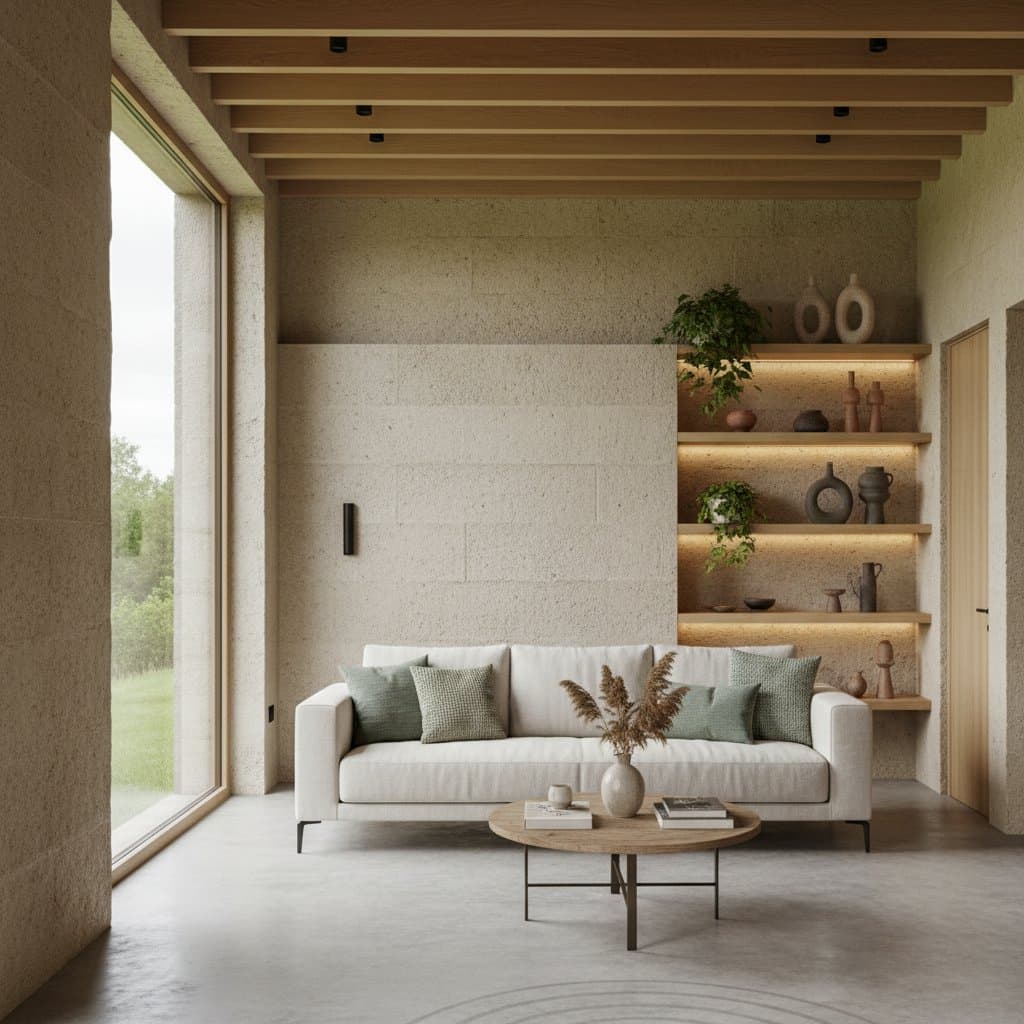
Residents in hempcrete dwellings benefit from stable environmental conditions that enhance daily comfort. The material's thermal mass absorbs excess heat during the day and releases it gradually at night, eliminating extreme fluctuations in temperature. This natural regulation often results in energy savings of up to 50 percent on heating and cooling.
Acoustic performance adds another layer of appeal, as the dense yet porous structure dampens external noise effectively. Families with children or in lively neighborhoods report a noticeably quieter interior atmosphere. Sound transmission between rooms also decreases, fostering a more peaceful living space.
Upkeep remains straightforward over the years. Periodic inspections reveal minimal wear, with the material strengthening as it continues to capture carbon. Repairs involve simple applications of lime-based fillers, extending the home's lifespan without frequent interventions.
Steps to Build with Hempcrete
Prospective builders should start by researching local suppliers for quality hemp hurds and lime binders. Consult building codes to confirm compliance, as regulations vary by region. Partnering with certified installers ensures adherence to best practices from foundation to finishing.
For those ready to proceed, begin with a feasibility assessment of the site and design. This evaluation includes soil tests for stability and energy modeling to predict performance gains. With these preparations, hempcrete enables the creation of homes that deliver enduring environmental and economic benefits.