Discovering the Warmth of Urban Wood Structures
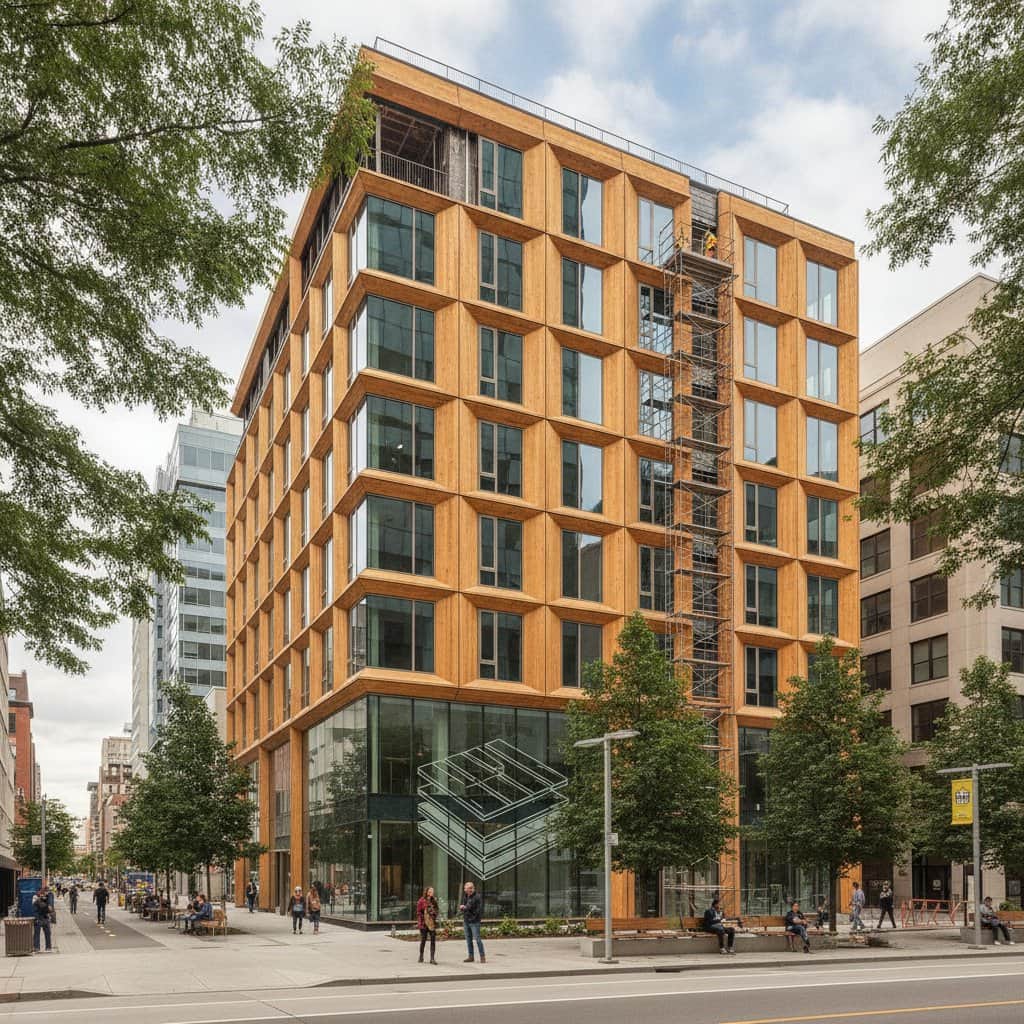
A new mid-rise structure in a bustling downtown area captured attention one crisp morning. Sunlight illuminated its wooden exterior, evoking the cozy interior of a forest retreat. This introduction to mass timber highlighted a transformative trend in urban architecture, where buildings integrate natural elements into city environments.
Such structures avoid the stark impersonality of traditional materials. They convey stability and tranquility, qualities that concrete often lacks. With building codes now permitting five-story wooden mid-rises, this approach gains broader adoption in residential and commercial developments.
Understanding Mass Timber Construction
Mass timber consists of engineered wood products formed by bonding layers of lumber into robust panels and beams. These components offer exceptional strength, dimensional stability, and reduced weight compared to conventional materials. Common variants include cross-laminated timber (CLT) and glue-laminated timber (glulam).
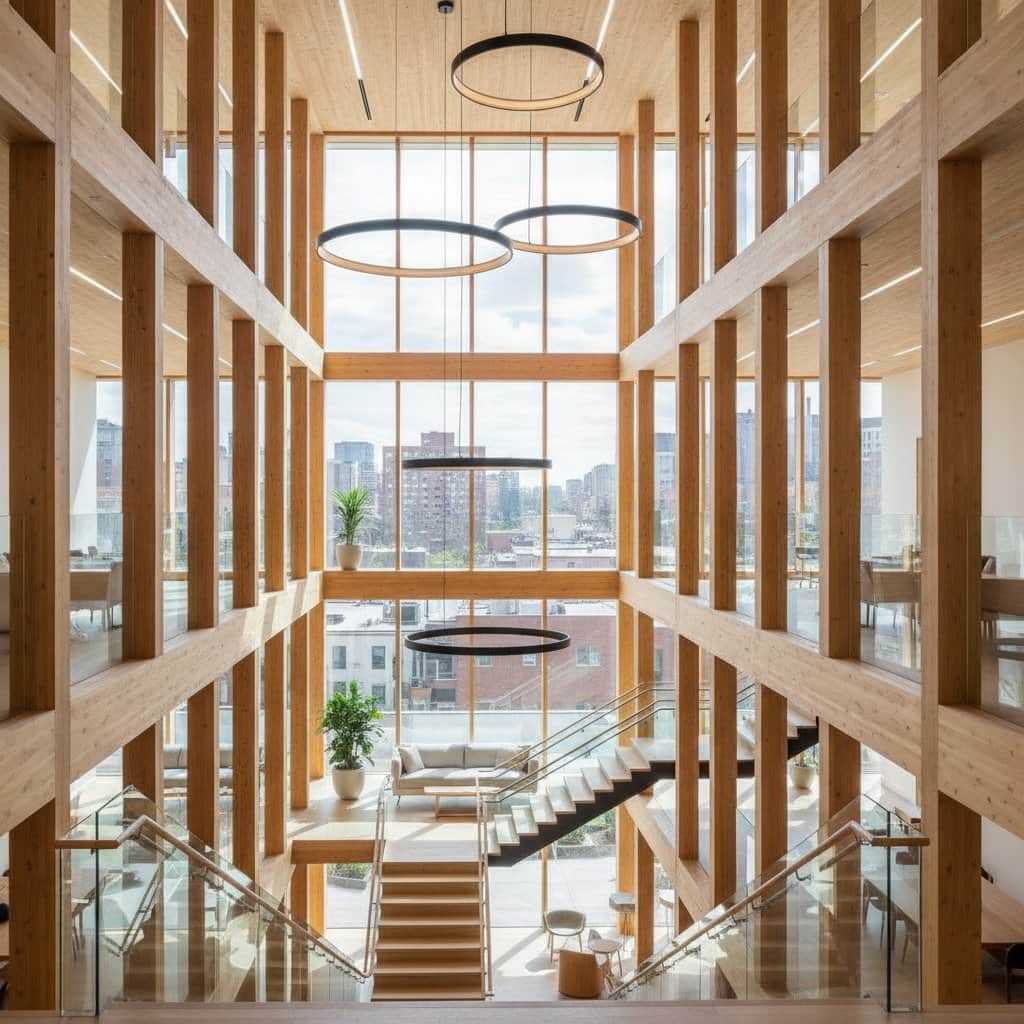
This technology merges advanced engineering with the organic appeal of wood. It supports mid-rise loads equivalent to those handled by steel or concrete, yet provides a distinctly inviting appearance and tactile experience. Interiors feature visible wood grains that soften light diffusion and enhance ambient comfort, making the built environment feel integrated with nature.
The Significance of Five-Story Limits
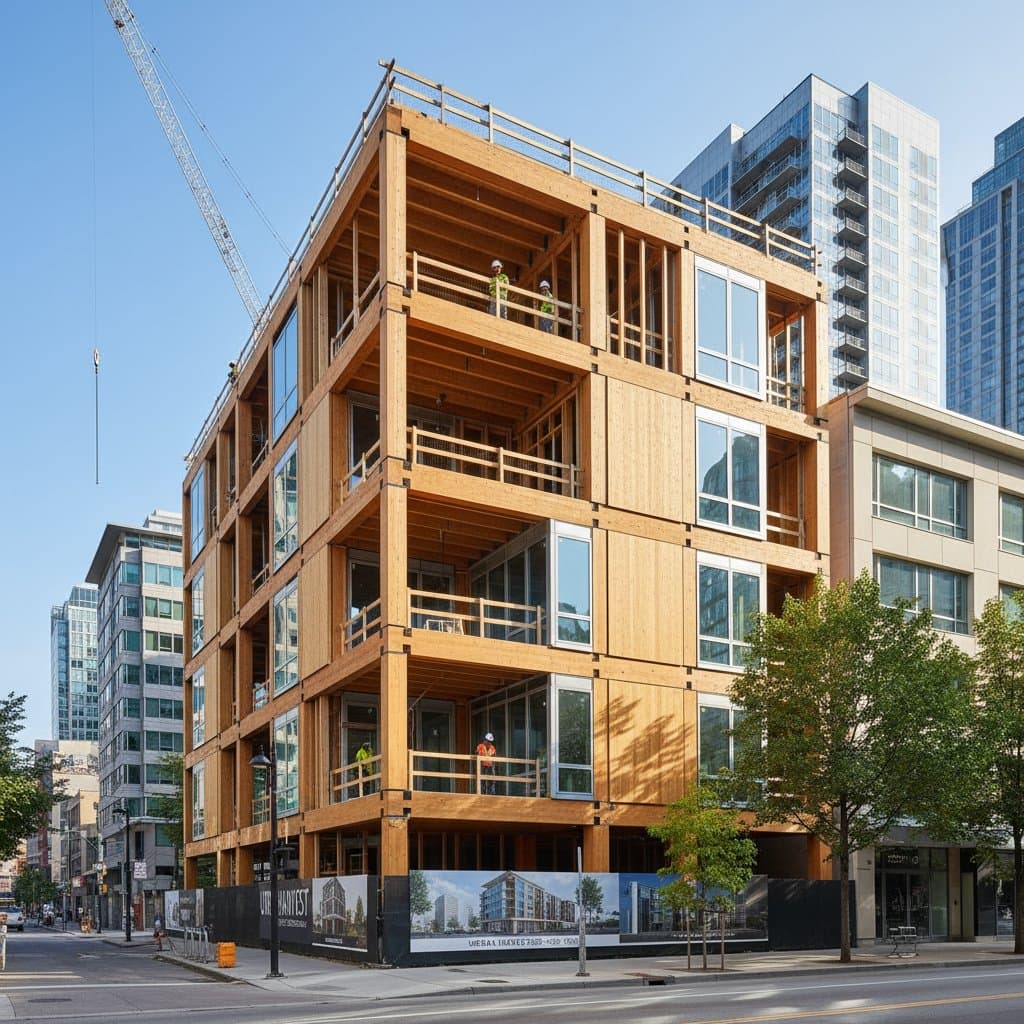
Historically, regulations restricted wood-frame buildings to four stories in most multi-family or mixed-use applications. The approval of five-story mass timber constructions unlocks expanded design opportunities for urban infill projects.
This additional height enables greater floor area on compact sites, supporting denser housing or workspace without excessive land use. It empowers mid-sized developers to deliver viable alternatives to resource-heavy concrete high-rises. Envision integrated neighborhoods with timber-clad apartments adjacent to green spaces, promoting density while preserving community scale.
Key Advantages of Mass Timber
Beyond aesthetics, mass timber advances sustainable building practices and material innovation.
Consider these primary benefits:
- Reduced Carbon Emissions: Timber sequesters carbon during growth, and its production requires far less energy than steel or concrete manufacturing.
- Efficient Assembly: Off-site prefabrication of panels shortens on-site timelines, minimizes disruption, and cuts waste generation.
- Biophilic Integration: Exposure to wood elements correlates with lower stress levels and enhanced occupant health, as supported by environmental psychology research.
- Enhanced Fire Performance: Thick timber sections form a protective char layer during fires, maintaining structural integrity and complying with rigorous safety codes.
- Inviting Interiors: Unfinished wood surfaces promote a serene, enduring ambiance that resonates with human preferences for natural textures.
These attributes extend beyond technical merits to create spaces that energize and soothe daily life.
Ideal Locations for Mass Timber Developments
Five-story timber mid-rises suit pedestrian-friendly districts, proximity to greenways, and transit corridors. They thrive in mixed-use areas where retail activates street levels and residences or offices occupy upper floors.
Municipalities increasingly incorporate mass timber into climate action plans to lower embodied carbon. These buildings harmonize with historic urban fabrics, offering facades with organic patterns that contrast smooth metal and glass surfaces. Occupants report heightened emotional connection, from timber-lined entrances to vaulted wooden ceilings that foster a sense of belonging.
Influencing Architectural Decisions
Approval for taller timber structures reshapes considerations of scale, illumination, and spatial organization.
- **Daylight ** Timber complements expansive glazing and central voids, allowing natural light to accentuate wood tones and depths.
- Material Harmony: Neutral palettes including terracotta, beige, and muted foliage shades enhance wood's visual warmth, elevating even sparse interiors.
- Structural Expression: Architects often expose framing elements, turning structural necessities into focal design features that narrate material authenticity.
- Sound Management: Timber's acoustic properties dampen echoes, yielding quieter, more intimate atmospheres suitable for diverse uses.
This methodology supports versatile applications, from tranquil residences to dynamic collaborative hubs, while upholding modern sensibilities.
Practical Considerations for Timber Projects
As taller wood buildings become feasible, stakeholders must address operational realities.
Initial Investment: Upfront costs for mass timber exceed basic framing, yet prefabrication reduces labor expenses and accelerates occupancy. These efficiencies often offset premiums through streamlined workflows and minimal site impacts.
Ongoing Upkeep: In humid or rainy regions, diligent sealing, joint treatments, and airflow systems safeguard longevity and appearance. Routine inspections ensure sustained performance over generations.
Regional Adaptations: Timber's insulating qualities benefit cold climates by retaining heat; in temperate zones, strategic overhangs and vents mitigate solar gain.
Expert Collaboration: Engage specialists familiar with mass timber to navigate approvals and optimize designs for code compliance and project objectives.
These structures prove reliable for enduring urban demands, combining innovation with proven resilience.
The Appeal of Timber in Urban Living
Wood evokes innate comfort, linking to rustic dwellings and woodland escapes amid hectic routines. Integrating such elements into cityscapes addresses a fundamental desire for grounded environments.
Users frequently note reduced anxiety and greater satisfaction in timber surroundings. Subtle aromas, tactile softness, and evolving patinas with seasonal light shifts cultivate deeper engagement with spaces.
This movement transcends trends, prioritizing habitats that nurture well-being through sustainable, empathetic design.
Material Comparisons in Context
Mass timber does not supplant concrete or steel but often hybridizes with them for optimal results. Projects may incorporate steel reinforcements or concrete foundations alongside wood framing.
A concise overview:
- Concrete: Provides unmatched compressive strength and longevity, though its production demands high energy inputs.
- Steel: Excels in flexibility for wide spans, yet conducts heat readily and lacks organic tactility.
- Mass Timber: Draws from renewable sources, weighs less for easier handling, and delivers thermal comfort in vertical applications.
Contemporary designs leverage these synergies to achieve balanced, forward-thinking outcomes.
Integrating Timber into Everyday Urban Spaces
As mass timber mid-rises proliferate, they subtly elevate civic experiences. Timber-lined streets temper harsh vistas, while planted balconies extend natural motifs outward. Community venues like reading rooms or eateries gain approachable intimacy.
Residents appreciate subtler shifts: fresher air circulation, subdued acoustics, and materials that mature elegantly rather than degrade.
Such environments encourage social interactions, infusing metropolitan life with restorative qualities.
Steps to Incorporate Mass Timber
For prospective developers eyeing apartments, hospitality venues, or civic facilities, mass timber presents timely opportunities amid expanding code allowances.
Tour completed projects to assess light interplay, material evolution, and spatial dynamics. Consult wood-focused architects to align visions with fiscal and regulatory frameworks. Incremental updates in existing buildings can adopt timber principles without full rebuilds.
These advancements signal a pathway to thoughtful urban expansion, where ecological responsibility enhances aesthetic and human-centered growth.